

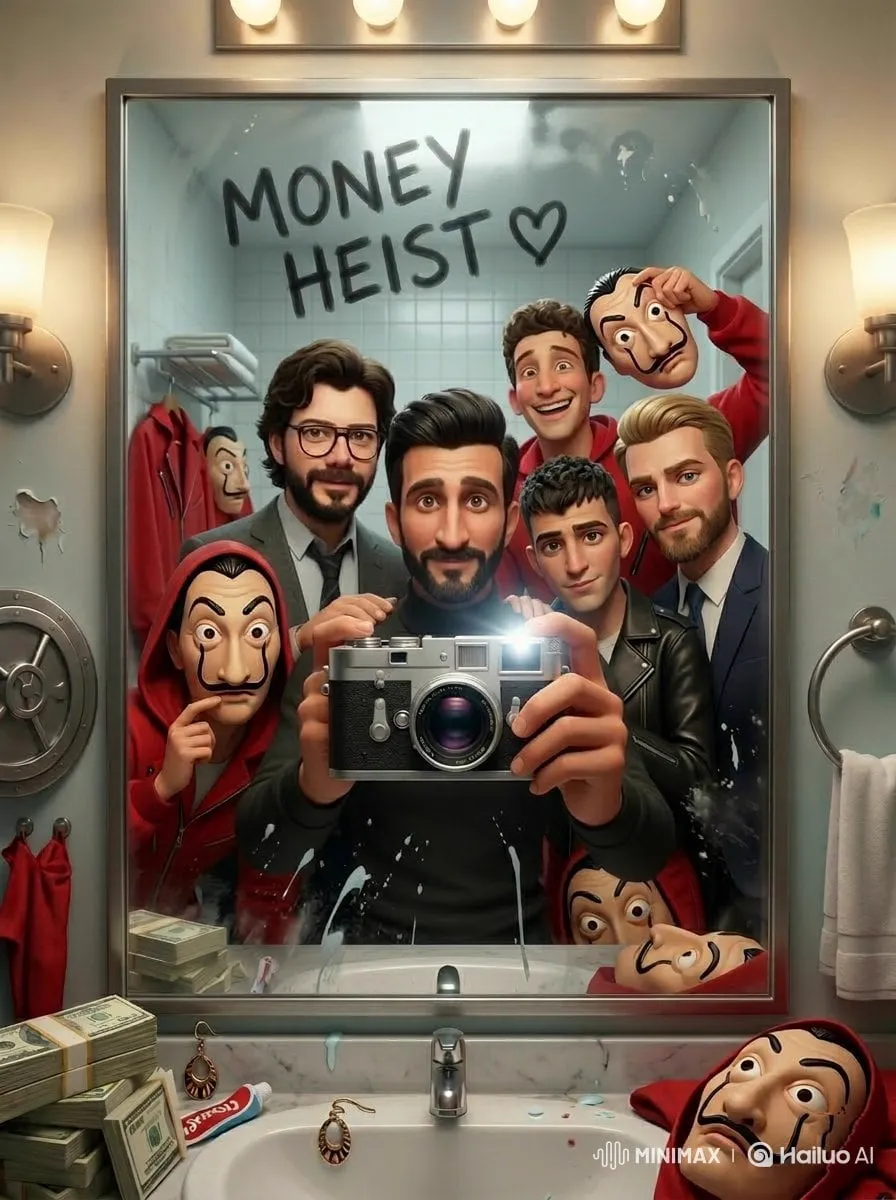
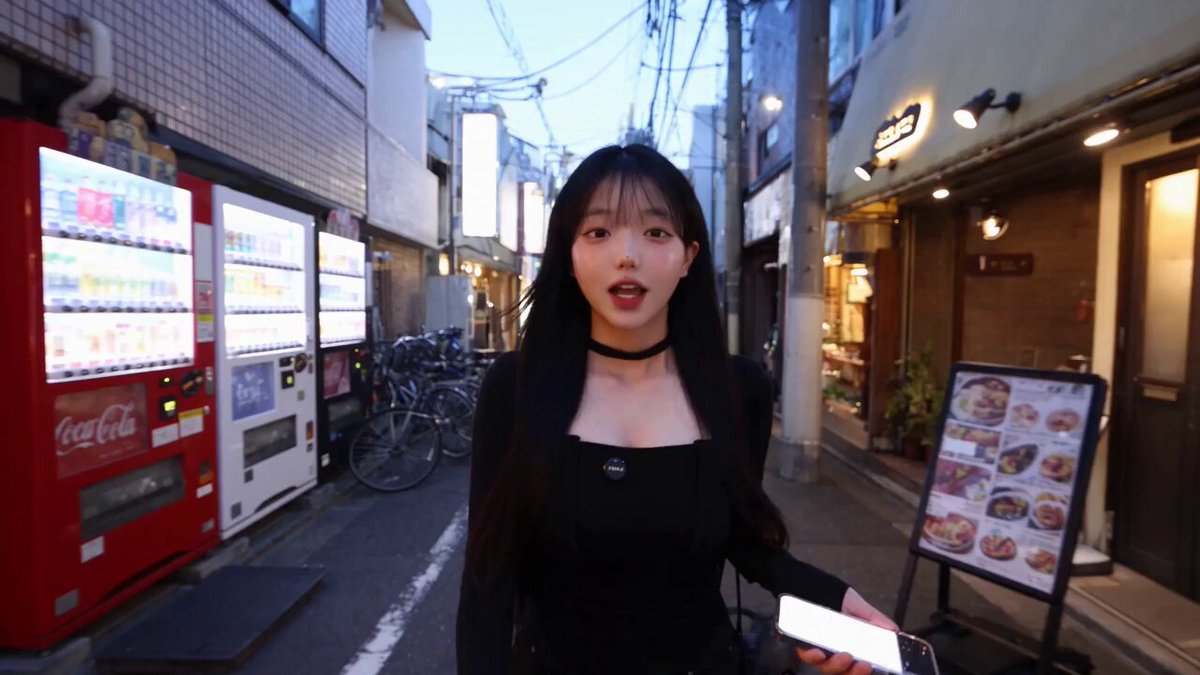
Pinterest has quietly become one of the most durable discovery channels for visual brands. A pin published today can still be collecting saves and outbound clicks a year and a half from now, which is rare in a landscape where most feeds bury a post within hours. That longevity changes the economics of content production. Instead of chasing daily volume, you can invest in fewer, stronger assets and let search behavior handle distribution.
AI video generation makes that investment far more practical. The old bottleneck was production capacity: shooting, editing, reshooting, and scheduling around a small team's available hours. Today a two-person team can storyboard a concept in the morning, generate variations by lunch, and publish a tested batch within the same week. This guide walks through a neutral, tool-agnostic workflow for building scroll-stopping Pinterest video content with AI — from research and scripting through generation, assembly, publishing, and iteration.
Pinterest Behaves Like Search, So Optimize Like Search
Most creators treat Pinterest as a social feed and post the way they would on Instagram: quick, frequent, ephemeral. That instinct leads to wasted effort. Pinterest is a recommendation and search hybrid. Users arrive with intent — planning a kitchen renovation, building a capsule wardrobe, preparing for a trip — and pins that match that intent keep resurfacing for months or years.
That single difference reshapes how you should approach AI content:
- Keywords matter more than timing. Pin titles, descriptions, board names, and even the text burned into your video frames are all indexed signals. If your video never mentions "small balcony makeover," it will struggle to appear for that query no matter how beautiful it looks.
- Evergreen beats topical. A trend-driven pin has a short runway. A pin about a repeatable technique, product category, or seasonal ritual can compound.
- Saves and outbound clicks are the real scoreboard. Impressions feel good, but saves signal that someone intends to return, and outbound clicks signal commercial value.
A practical implication: build your AI production calendar around clusters of related queries rather than around posting frequency. Ten pins covering "easy meal prep for one person" from different angles will outperform ten unrelated pins every time, and they are far cheaper to produce because you can reuse style references, prompts, and templates across the whole cluster.
Anatomy of a Pin Video That Earns Saves
Before touching any generation tool, separate what actually drives performance from what merely looks polished.
The first two seconds decide everything
Most viewers make a keep-or-scroll decision almost instantly. A strong opening frame contains a clear subject, high contrast, and a short text overlay that states the payoff: "three ways to style a linen shirt," "$40 reading nook," "stop shrinking your sweaters." If your first frame is a slow fade-in from black, you have already lost a large share of the audience.
Format rules are not optional
Pinterest is overwhelmingly consumed in vertical mobile layouts, so 9:16 is the default. Keep critical text and faces away from the outer edges, since interface elements and related-pin carousels can overlap those zones. Subtitles should sit comfortably above the bottom area, not flush against it.
Duration depends on intent
Short, loopable clips of six to fifteen seconds work well for inspiration and style content. Step-by-step demonstrations often justify thirty to sixty seconds. Anything beyond that needs a genuinely compelling reason and strong pacing, because completion rate influences how widely a vertical video is distributed.
Sound is a bonus, not a dependency
A large portion of Pinterest viewing happens muted. Design every video so the story works silently through visuals and captions, then layer audio for the minority watching with sound on.
A Five-Stage AI Video Workflow for Pinterest
Treat AI generation as one stage inside a repeatable pipeline, not as the entire process. The teams that produce consistently strong results follow roughly the same five stages.
Stage 1: Research and cluster building
Start in Pinterest search itself. Type a broad topic and note the suggested refinements. Save the ten to twenty queries that appear most often in your niche, then group them into three or four clusters. Each cluster becomes a production batch.
Also examine the pins currently ranking. What is the visual pattern? What angle is missing? The gap between what already exists and what your audience keeps asking for is where your best concept lives.
Stage 2: Scripting and shot listing
Write the voiceover or on-screen text before generating a single frame. A Pinterest script is usually three to five beats:
- Hook with a specific promise.
- Setup that creates context in one line.
- Two to four payoff shots showing the transformation, technique, or product in use.
- A short closing frame with the outcome and a reason to save.
Keep each beat to one sentence. Then translate beats into shots: subject, action, environment, camera angle. This shot list is what you feed into generation tools.
Stage 3: Visual generation
Generate still frames first, then animate selectively. Starting with images gives you cheap iteration — you can reject twenty compositions before spending compute on motion. Once a composition works as a static frame, animate it with a supported video model, or create short motion clips for specific beats and stitch the rest as stills with subtle movement.
Stage 4: Assembly, captions, and polish
Bring everything into an editor. Trim each shot to its strongest moment, add captions, apply a consistent color treatment, and place text overlays using a template. Captions are not decoration; they carry the message for muted viewers and improve accessibility.
Stage 5: Publishing and metadata
Export at the correct resolution, upload with a keyword-rich title, and write a description that reads naturally while including your cluster's core phrases. Add board placement and, where relevant, a destination link. Save the source project file with a naming convention that includes the cluster and version, because you will reuse it.
Designing a Consistent Visual System
Consistency is what turns a series of pins into a recognizable brand asset. When someone sees your fourth pin in a feed, they should know it belongs to the same family as the first three.
Build a compact brand kit
You only need a handful of decisions: two or three primary colors, one or two typefaces, a consistent text placement rule, and a small set of recurring visual motifs. Document them in one page so anyone generating content — human or AI — works from the same reference.
Lock your generation style
AI output drifts easily. Reduce drift by reusing the same style descriptor block in every prompt: lighting direction, color temperature, lens character, and overall mood. Save three to five approved reference images and attach them as style anchors whenever your tool supports it. This is the single biggest lever for making a batch of AI shots look like one coherent series rather than a random sampler.
Design for template, not for masterpiece
A modular template — a title card, three flexible mid-shots, and an outro card — lets you produce ten pins in the time it once took to produce two. The creative energy goes into the concept and the hook, not into rebuilding layout decisions every time.
Matching Tools to Tasks
You do not need one platform that does everything. You need the right tool for each stage, connected by a consistent workflow.
| Task | What to look for | Example tool categories |
|---|---|---|
| Concept research | Keyword suggestion depth, saved-search workflows | Pinterest search, spreadsheet or note app |
| Script writing | Fast drafting, tone control, structured output | General-purpose AI writing assistants |
| Still image generation | Style consistency, reference image support, high resolution | Midjourney, Adobe Firefly, Stable Diffusion workflows |
| Video generation | Control over motion, duration limits, aspect ratio output | Runway, Pika, Luma, Kling and similar model suites |
| Editing and captions | Auto-captions, template support, fast export | CapCut, DaVinci Resolve, Premiere, Descript |
| Voiceover | Natural pacing, adjustable tone, clean export | ElevenLabs and comparable voice tools |
| Design and layout | Reusable templates, brand kit features | Canva, Figma |
| Scheduling | Bulk upload, board assignment, timing control | Pinterest's native scheduler, Tailwind, Later |
Two practical rules. First, keep generation and editing in separate tools — editors are far better at pacing and captions than generators are. Second, before adopting anything new, check the export options. If a tool cannot produce clean vertical 1080x1920 output, it will cost you more time downstream than it saves.
Prompting and Storyboarding for the First Two Seconds
Prompt quality determines whether your footage looks intentional or generic. A useful structure for image and video prompts is: subject, action, environment, lighting, lens, mood, and format.
For example, instead of "woman in kitchen," write: "woman in her thirties pouring coffee in a bright minimalist kitchen, morning light from a side window, 50mm lens, shallow depth of field, calm and airy mood, vertical composition." The second version gives a model enough constraints to produce a usable frame.
Three habits that improve results across most model suites:
- Describe movement explicitly. Generators need verbs. "Steam rising, slow push-in, fabric moving gently" produces more controlled motion than a static description.
- Keep one idea per shot. Multi-action prompts produce muddled motion.
- Iterate in small steps. Change one variable at a time — lighting, then lens, then wardrobe — so you understand what caused the improvement.
For storyboarding, apply the three-shot rule: an establishing shot to set context, a detail shot to create interest, and a result shot to deliver payoff. This structure fits comfortably inside a ten-second pin and mirrors how viewers expect short visual narratives to resolve.
Testing, Analytics, and Iteration
Publishing is the midpoint of the process, not the end. Build a lightweight testing rhythm so that your AI production capacity translates into learning rather than just volume.
Choose the metrics that match your goal
- For awareness: impressions and saves.
- For intent: close-ups and outbound clicks.
- For creative quality: watch time and completion rate.
Run small structured tests
Batch five pins per cluster and vary one element between them: hook wording, opening frame, caption style, or video length. Give each batch two to three weeks before concluding anything, since Pinterest distribution is slower and longer-tailed than most social platforms. Keep a simple log of what you changed and what happened.
Refresh winners instead of abandoning them
When a pin performs well, produce a companion version with a new hook, new color treatment, or a slightly different angle on the same query. This compounds an existing win rather than starting from zero, and AI makes it inexpensive to do.
Mistakes That Quietly Kill Reach
Most underperformance on Pinterest is not dramatic; it is a series of small, avoidable errors.
- Recycling horizontal video. Repurposed landscape footage wastes vertical screen space and looks out of place.
- Text near the frame edges. Interface elements can cover it, and cropped thumbnails may cut it off entirely.
- Slow hooks. A logo animation or fade-in at the start costs you the audience.
- Hard-selling in the first frame. Pinterest users respond to usefulness first; product push works best after value is demonstrated.
- Ignoring metadata. A beautiful video with a vague title is nearly invisible in search.
- Inconsistent style across a batch. Visual drift makes a series feel like unrelated posts, weakening recognition.
- Publishing in bursts then going silent for weeks. A steady cadence supports distribution more reliably than spikes.
- Unlabeled synthetic media. Where disclosure is expected or required, be transparent. Trust is a long-term asset.
Scaling Output Without Losing the Human Touch
AI can produce endless variations, and that is precisely the risk. Audiences respond to specificity: a real problem, a real constraint, a real result. Use automation for the mechanical work — resizing, captioning, style matching, scheduling — and spend human attention on the parts that carry meaning.
A workable division of labor looks like this: humans write the script, choose the angle, and approve the final cut; AI generates stills, animates selected shots, drafts captions, and produces alternate hooks. Then add a human layer that machines cannot fake — a voiceover recorded in your own tone, a screen recording of the actual process, or a short piece of behind-the-scenes footage. That mix keeps content efficient without making it feel mass-produced.
Batch production is the other lever. Set aside one block for research and scripting, one for generation, and one for editing and scheduling. Working in batches keeps your prompts and style references loaded in one session, which noticeably improves visual consistency and reduces context switching.
Frequently Asked Questions
How long should a Pinterest video be?
For inspiration and style content, six to fifteen seconds is usually enough. Tutorials can run thirty to sixty seconds if pacing stays tight. Prioritize completion rate over length in either case.
Do AI-generated pins perform worse than filmed content?
Not inherently. Performance tracks concept clarity, hook strength, and relevance to the query. Synthetic footage sometimes reads as generic when lighting and motion are inconsistent, which is a craft problem more than a technology problem. Mixing AI-generated shots with real footage often produces the strongest results.
How many pins should I publish per week?
Aim for consistency over volume. Five to fifteen quality pins per week, grouped into clusters and spread across the week, is a sustainable range for most creators. Quality and keyword relevance matter more than hitting a daily quota.
What aspect ratio and resolution work best?
Vertical 9:16 at 1080x1920 is the safest standard. It fills the mobile screen, avoids letterboxing, and matches how vertical video is surfaced in feeds.
Can I repurpose videos from other platforms?
Yes, but re-edit them. Remove platform-specific branding, re-caption for Pinterest, crop to vertical, and replace the hook so the opening frame communicates a searchable promise rather than a social-media-style intro.
How do I keep a consistent look when using several AI tools?
Create a written style reference — lighting, palette, lens, mood — and reuse it verbatim in every prompt. Keep a folder of approved reference frames and apply the same color treatment and text template during assembly. Consistency is enforced at the edit stage, not by any single generator.
How quickly should I expect results?
Pinterest rewards patience. Expect the first meaningful signal within three to six weeks and compounding results over several months. Treat publishing as building a searchable library rather than running a campaign.
Do I need a separate board strategy for AI content?
No. Boards should reflect audience interests and search clusters, not production method. Organize by topic, keep board descriptions keyword-rich, and let the content style stay consistent across all of them.
A Weekly Rhythm You Can Start This Week
Pick one cluster you already understand well. Write five hooks for it. Generate stills for the strongest three, animate one shot per video, assemble with a single template, and publish across the week with keyword-rich titles. Log the results, then repeat with a new hook variation on whichever concept performed best.
The compounding effect here is real: each batch teaches you something about hooks, formats, or queries, and your visual system gets tighter with every cycle. AI does not replace the judgment behind that system — it just removes the friction that used to stop you from shipping it.
