
创作
Deepfake Defense: Ensuring AI Video Compliance and Authenticity
Aug 4, 2026

The Trust Crisis in AI-Generated Video
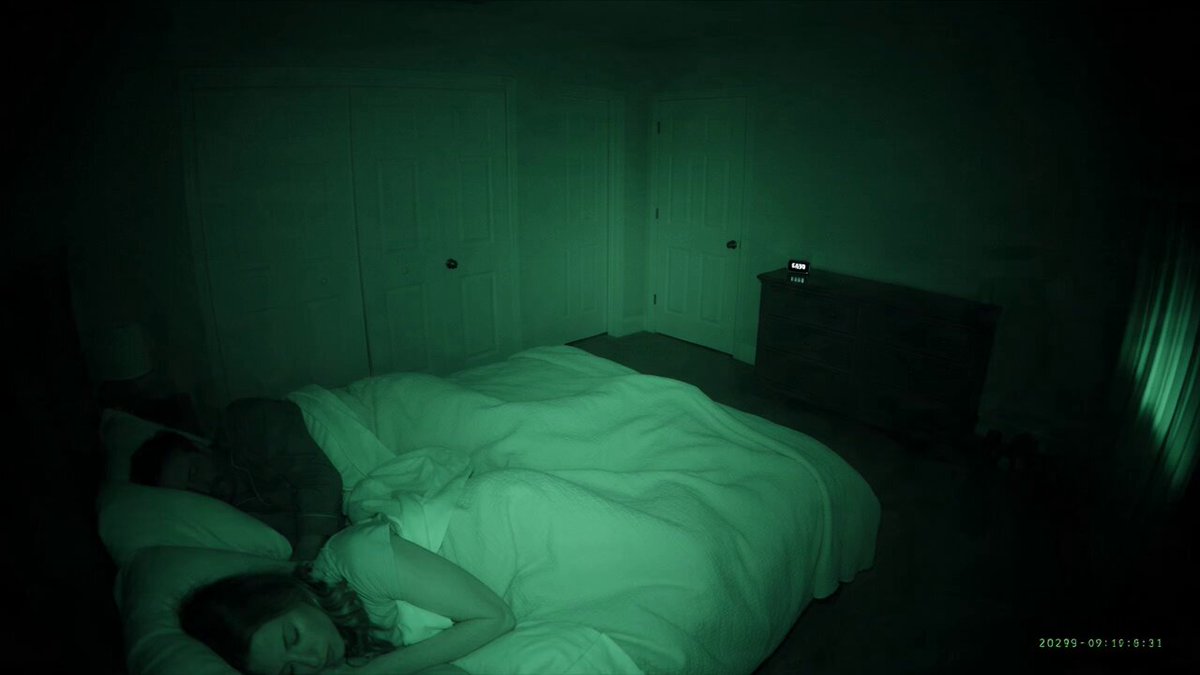
As AI video generation becomes indistinguishable from reality, we face an unprecedented trust crisis. When any video can be fabricated, how do we know what's real? This isn't a distant problem — it's here now, affecting elections, journalism, corporate reputation, and personal privacy.
The good news: the same AI technology creating this challenge also provides the tools to address it. For responsible creators using AI video generation, building trust and authenticity into your workflow isn't just ethical — it's a competitive advantage.
The Compliance Landscape
Current Regulatory Frameworks
Governments worldwide are moving to regulate AI-generated content:
- EU AI Act: requires clear labeling of AI-generated content
- US state laws: multiple states mandate disclosure for political deepfakes
- China's Deep Synthesis regulations: require watermarking and user consent
- Platform policies: YouTube, Meta, TikTok all require AI content disclosure
Staying ahead of regulation protects both you and your clients from legal and reputational risk.
What "Compliance" Means for Creators
At minimum, compliant AI video content should:
- Be clearly labeled as AI-generated or AI-assisted
- Include embedded metadata indicating AI origin (C2PA standard)
- Maintain records of generation parameters and source materials
- Obtain necessary consents when depicting real individuals
- Never be used for deceptive purposes (impersonation, fraud, disinformation)
Building Authenticity Into Your Workflow
Technical Measures
Watermarking: Both visible and invisible watermarks that survive compression and re-encoding. Modern AI video tools increasingly support automatic watermarking through standards like C2PA (Coalition for Content Provenance and Authenticity).
Content Credentials: Cryptographically signed metadata that travels with the content, recording its origin, edit history, and AI involvement. Think of it as a "nutrition label" for digital content.
Blockchain Timestamping: For high-stakes content, timestamp generation parameters on a public blockchain to create an immutable record of when and how content was created.
Process Measures
Generation Logs: Keep records of every AI generation — prompts, seed values, model used, date/time. This creates an audit trail proving your content's provenance.
Human Review Gates: Never publish AI-generated content without human review. The reviewer should verify: no unauthorized depictions of real people, no misleading context, proper labeling applied.
Source Material Documentation: When using reference images or footage, document your right to use them and how they were obtained.
Detection and Verification
How Deepfake Detection Works
Modern detection systems look for:
- Physiological inconsistencies: unnatural blinking patterns, missing subtle facial micro-expressions
- Technical artifacts: GAN fingerprints, resolution mismatches at blend boundaries
- Temporal anomalies: frame-to-frame inconsistencies in lighting, shadows, reflections
- Audio-visual sync issues: slight mismatches between lip movements and speech
Tools Available to Creators
Several free and commercial tools can scan your output before publication:
- Reality Defender: enterprise-grade deepfake detection
- Sensity AI: focused on visual threat intelligence
- Microsoft Video Authenticator: analyzes subtle fading signals
Running your own output through these tools before publishing demonstrates due diligence.
Ethical Guidelines for AI Video Creators
The Three-Question Test
Before publishing any AI-generated video, ask:
- Transparency: Would the average viewer know this is AI-generated?
- Harm: Could this content harm or deceive anyone, even unintentionally?
- Consent: If depicting a real person or their likeness, do I have permission?
If the answer to any of these raises concern, pause and reassess.
Best Practices
- Default to disclosure: When in doubt, label it. Over-labeling builds more trust than under-labeling.
- Respect likeness rights: Never generate depictions of real people without explicit consent, even if technically possible.
- Context matters: The same AI-generated clip can be ethical in a fictional context and deeply problematic in a news context.
- Preserve evidence: Keep your generation logs. They're your best defense if authenticity is questioned.
Industry-Specific Considerations
Journalism and News
AI-generated footage in news contexts requires the highest standard of disclosure. Consider a dual-labeling system: "AI-Generated" for fully synthetic content and "AI-Enhanced" for AI-assisted editing.
Marketing and Advertising
Truth-in-advertising laws apply to AI content. You cannot use AI to misrepresent product capabilities, create fake testimonials, or deceive consumers about what's real.
Entertainment
Entertainment has more creative freedom, but disclosure is still best practice — audiences appreciate transparency and it becomes part of the creative conversation.
Education
Educational AI content should be clearly distinguished from documentary footage. Students must know whether they're watching real historical footage or an AI reconstruction.
The Role of Platforms Like Domer
Responsible platforms play a crucial role. Domer and similar services can:
- Embed C2PA content credentials by default
- Maintain generation logs accessible to creators
- Implement content moderation for prohibited use cases
- Provide clear labeling tools built into the workflow
When choosing an AI video generation platform, evaluate their stance on content authenticity and compliance.
Preparing for the Future
The regulatory landscape will continue to evolve. Forward-thinking creators should:
- Stay informed: monitor regulatory developments in your jurisdictions
- Build compliance into workflow now: it's easier than retrofitting later
- Differentiate through trust: make "verified authentic" your brand promise
- Educate clients: help them understand why compliance adds value, not friction
- Invest in detection literacy: know what tools can and can't detect
Conclusion
The deepfake era doesn't have to be a race to the bottom of trust. Creators who embrace transparency, embed authenticity into their workflow, and stay ahead of regulation will build lasting trust with audiences — and trust, in an age of synthetic media, is the most valuable currency there is.
Create responsibly with AI video and image tools on Domer. Built with authenticity by default.

Alexander
More Blogs
Read MoreVidu Q4 Alternatives: 4K AI Video Models Compared (2026)
Vidu Q4 alternatives compared: Kling 4.0, Seedance 2.5, Wan 3.0, and Runway Gen-4 — 4K support, input modes, durations, audio, and what each costs in credits on Domer.
Top 4K AI Image Generators in 2026: 5 Models Compared on Real Costs
The top 4K AI image generators on Domer compared: Flux 3 Klein, Nano Banana 2.1, GPT Image 2.5, GPT Image 2, and Nano Banana Pro — 4K credit costs, reference limits, and speed.
Nano Banana 2.1 vs GPT Image 2.5: Which Image Model Should You Use? (2026)
Nano Banana 2.1 vs GPT Image 2.5 Flare compared: credit costs per resolution, aspect ratios, reference images, text rendering, and which tasks fit each model.