
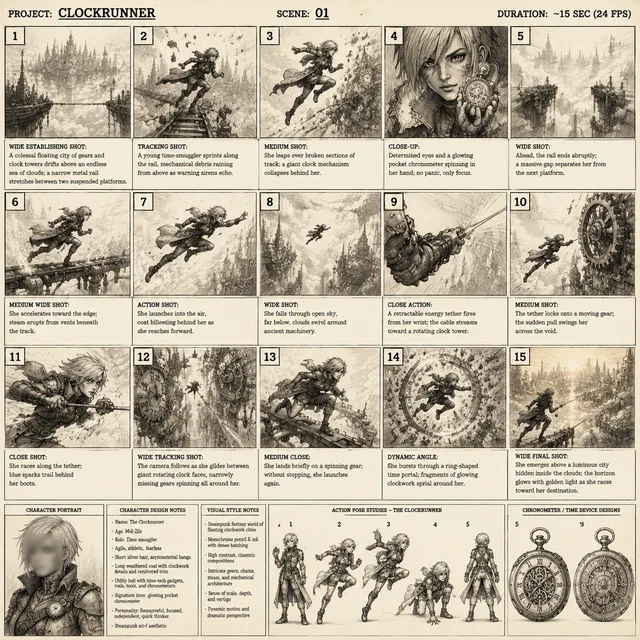
The Future of Filmmaking: How AI Multi-Image Fusion Creates Consistent Characters
Aug 4, 2026

Summary
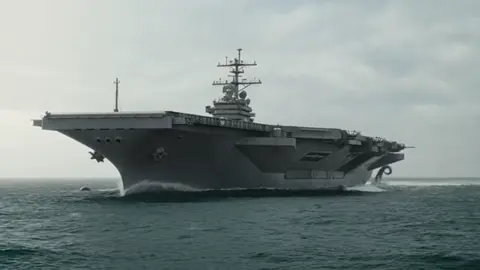
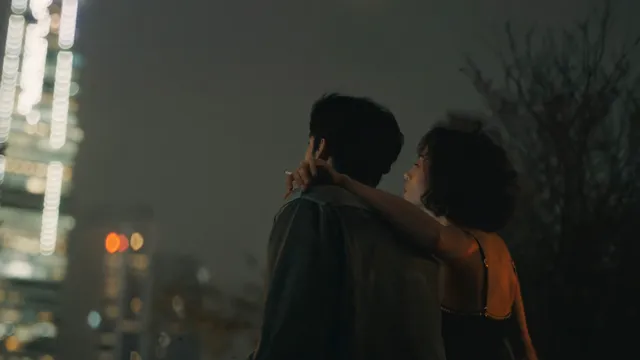
The filmmaking industry is undergoing its most significant technological shift since the advent of digital cameras. AI-powered multi-image fusion technology is solving one of the oldest challenges in visual storytelling: maintaining perfect character consistency across scenes, angles, and even entirely different productions. This guide explores how this technology works and what it means for the future of filmmaking.
The Character Consistency Problem
Every filmmaker knows the frustration: you have a perfect character design, but translating that design consistently across hundreds of shots is incredibly difficult. Traditional solutions have included:
- Detailed character bibles and reference sheets
- Dedicated continuity supervisors on set
- Extensive post-production fixes
- Limiting creative choices to maintain consistency
These approaches are expensive, time-consuming, and often fail. Multi-image fusion changes the game entirely.
How Multi-Image Fusion Works
The Core Concept
Instead of describing a character with words (which leaves too much to AI interpretation), multi-image fusion provides the AI with actual visual reference — multiple images of the same character from different angles.
The Technical Process
- Reference Input: 5-7 high-quality images of the character are uploaded
- Feature Extraction: AI identifies key facial landmarks, proportions, textures, and distinctive features
- 3D Understanding: The system builds a spatial understanding of the character's structure
- Constrained Generation: Every frame generated must match the extracted features within tight tolerances
Why Multiple Images Matter
A single reference image only shows one angle. The AI can't know what the character looks like from the side or back. Multiple images fill in these gaps, giving the AI a complete understanding.
Transforming the Production Pipeline
Pre-Production
Instead of weeks of concept art iteration, create your character in Domer AI Image Generator, generate reference images from 7 angles, and lock in the design in one afternoon.
Production
Generate scenes with your character using text-to-video technology. Each scene maintains perfect character consistency regardless of:
- Camera angle changes
- Lighting variations
- Different emotional expressions
- Costume changes (when using variant references)
Post-Production
The time saved on continuity fixes can be redirected to creative polish: color grading, sound design, and narrative refinement.
Real-World Applications
Independent Filmmaking
Solo creators can now produce character-driven narratives that previously required large teams. One person with a vision can bring an entire cast of consistent characters to life.
Brand Content Series
Companies can create ongoing video series featuring consistent brand characters across dozens or hundreds of episodes without continuity concerns. Domer AI Video Generator makes this scalable.
Animation and VFX
Multi-image fusion provides a foundation layer of consistency that traditional animation pipelines can build upon, reducing the manual work required for character model sheets and reference checking.
Virtual Productions
In the emerging field of real-time virtual production, consistent AI characters can be integrated into live-action footage with unprecedented reliability.
The Creative Freedom Paradox
Counterintuitively, imposing rigid consistency constraints actually increases creative freedom. When you're not worrying about whether the character looks right, you can focus on:
- Story and emotional arcs
- Cinematography and composition
- Experimental narrative structures
- Complex multi-character scenes
Technical Considerations
Reference Image Quality
Garbage in, garbage out. Reference images should be:
- High resolution (2048x2048 minimum recommended)
- Consistent lighting across all references
- Clean backgrounds for accurate edge detection
- Representative of the character's full range of expressions
Model Selection
Different AI models handle multi-image fusion with varying degrees of precision. For productions requiring absolute consistency, Seedance 2.0 provides industry-leading character preservation combined with naturalistic motion.
Performance Impact
Multi-image fusion adds 20-30% to generation time but eliminates 80-90% of post-generation fixes. The net efficiency gain is substantial.
The Road Ahead
Near-Term (2025-2026)
- Real-time character consistency preview
- Seamless integration with traditional VFX pipelines
- Multi-character scene support with individual consistency
Medium-Term (2026-2028)
- Full character performance capture from reference images alone
- Emotion and expression libraries derived from reference sets
- Automatic lighting adaptation while maintaining character identity
Long-Term Vision
- AI actors that can be "cast" across multiple productions
- Personalized content where viewers see familiar characters in new stories
- Democratized filmmaking where anyone can direct consistent character-driven narratives
FAQ
Can multi-image fusion work with hand-drawn character designs?
Yes, the technology works with any visual style — photorealistic, anime, illustrated, or stylized.
How many reference images do I really need?
Minimum 3 (front, left profile, right profile). 5-7 gives professional results. More than 7 has diminishing returns.
Can I update a character's design after establishing references?
Yes, you can upload new reference sets and update the character's feature profile, but previous generations won't retroactively change.
Is this replacing human character designers?
No — it's augmenting them. Designers still create the vision; AI ensures it's executed consistently.

Alexander
More Blogs
Read MoreVidu Q4 Alternatives: 4K AI Video Models Compared (2026)
Vidu Q4 alternatives compared: Kling 4.0, Seedance 2.5, Wan 3.0, and Runway Gen-4 — 4K support, input modes, durations, audio, and what each costs in credits on Domer.
Top 4K AI Image Generators in 2026: 5 Models Compared on Real Costs
The top 4K AI image generators on Domer compared: Flux 3 Klein, Nano Banana 2.1, GPT Image 2.5, GPT Image 2, and Nano Banana Pro — 4K credit costs, reference limits, and speed.
Nano Banana 2.1 vs GPT Image 2.5: Which Image Model Should You Use? (2026)
Nano Banana 2.1 vs GPT Image 2.5 Flare compared: credit costs per resolution, aspect ratios, reference images, text rendering, and which tasks fit each model.