
From hobbyist to filmmaker with one unified pipeline
DIY filmmaking used to mean a camera, a microphone, and hours of stitching things together in editing software. Today it means something different: knowing how to combine AI video generation, synthesized audio, and intelligent direction into a single workflow that produces consistent, professional results.
The good news is that the tools have matured. The hard part is no longer access — it's workflow design. This guide shows you how to integrate video, audio, and AI tools so they work as one pipeline instead of a pile of disconnected apps.
1. Build your video generation pipeline first
Choose models by job, not by brand
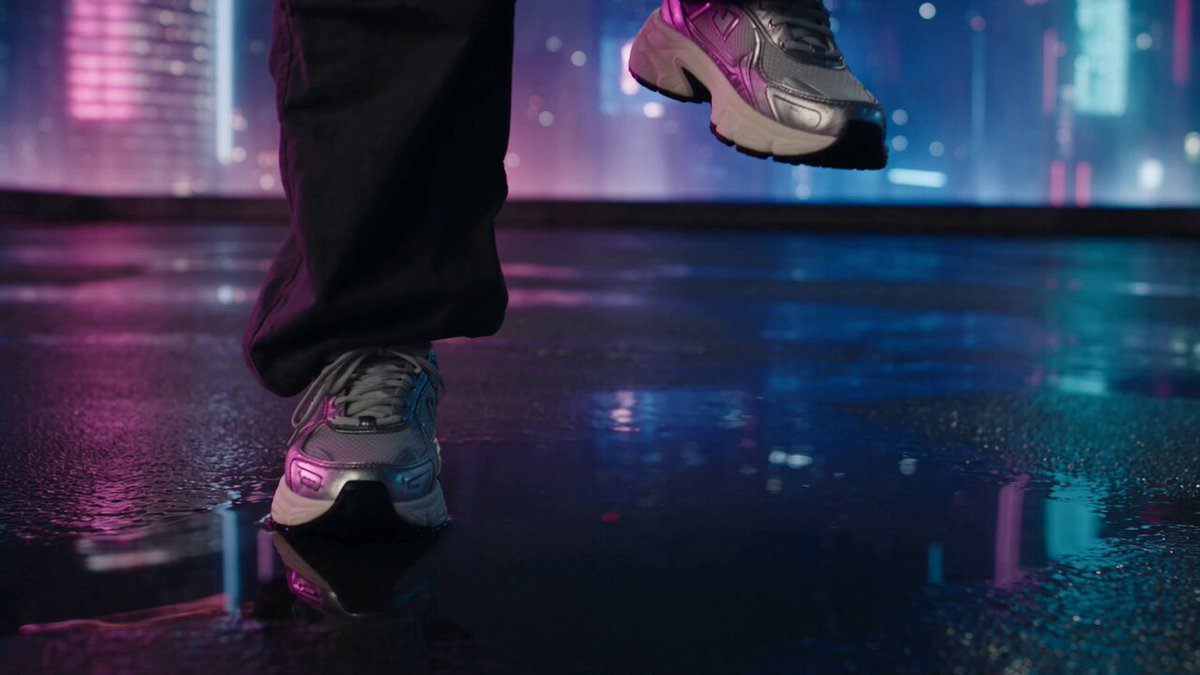
Different models excel at different things. Some deliver hyper-realistic renders, others nail stylized animation, and others are built for speed. The professional approach is to treat the model library as a toolkit:
- High-fidelity models for hero shots and scenes that need detail.
- Fast, budget-friendly models for tests, filler, and iteration.
- Specialized models for effects, transitions, or unique styles.
Before you generate, ask what the shot actually needs. Then pick the tool that fits. If you're exploring options, an AI video generator that hosts multiple models in one interface makes comparison painless.
Keep the pipeline unbroken
Modern platforms standardize input and output formats across models, so a clip from one engine feeds cleanly into the next stage — editing, fusion, or sound. That continuity is what turns hours of manual stitching into minutes of automated processing.
2. Visual consistency: the filmmaker's secret weapon
Fight visual drift with reference anchors
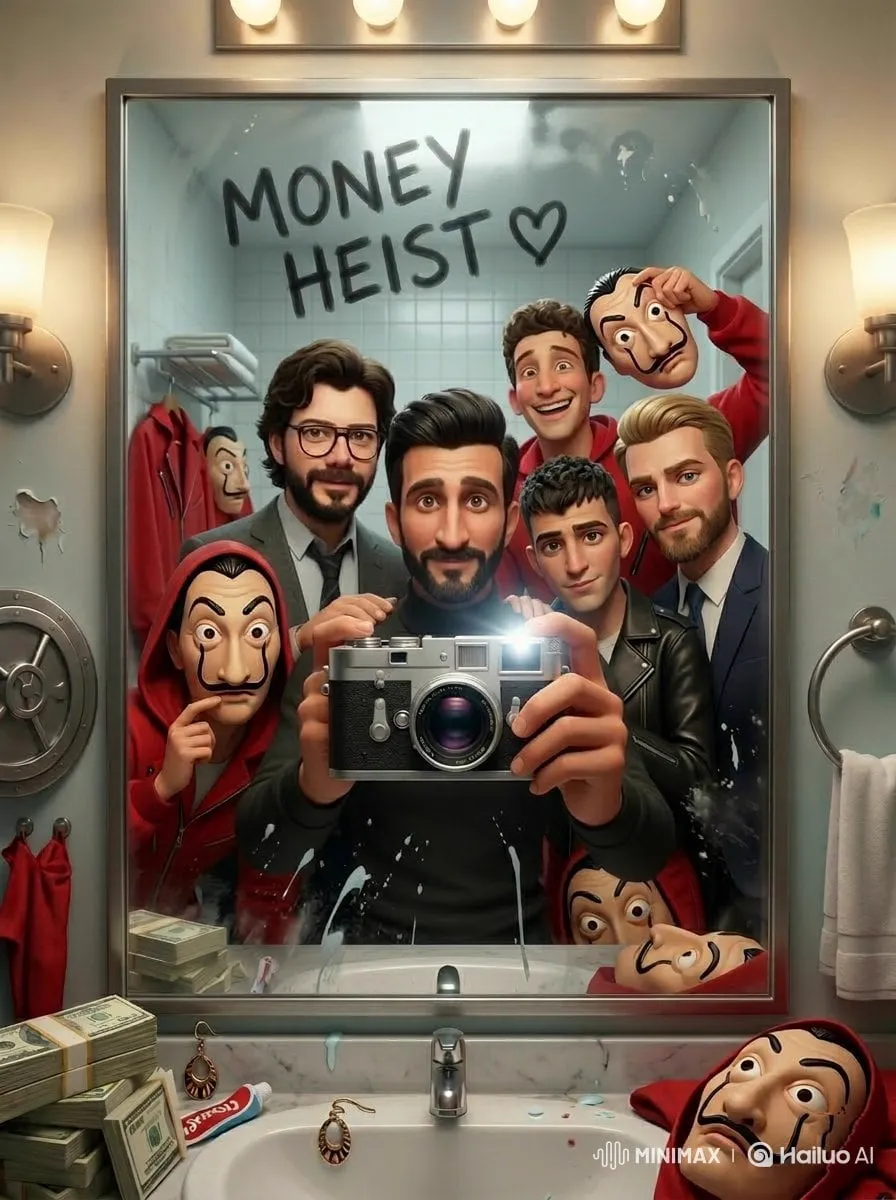
Nothing kills a DIY film faster than a character whose face changes between scenes. The fix is reference anchoring: build a set of character keyframes from multiple angles and reuse them across every generated clip. Lighting shifts, camera angles change, but the character stays recognizable.
Start by creating strong reference images with an AI image generator, then animate them with an image-to-video workflow. Because the starting frame is under your control, the character's identity survives every cut.
Apply style uniformly
If a scene needs a specific mood — classic cinema lighting, a graphic novel look, a muted documentary tone — define it once and apply it across the sequence. Uniform style prevents jarring aesthetic jumps that break immersion.
3. Let an AI director handle the craft
From prompt to direction
The biggest shift in DIY filmmaking is the arrival of AI director agents: systems that understand cinematography, narrative arcs, and pacing. Instead of writing raw prompts, you describe intent — “this scene needs rising tension” — and the system translates it into camera angles, shot breakdowns, and model choices.
For example, a tense scene might get a low Dutch angle, a slow pacing profile, and audio cues that build dread. A beginner gets the benefit of professional cinematic instincts without years of film school.
Use community-vetted solutions
Many platforms let creators publish their workflows. When you hit a common problem — how to handle a fight scene, how to transition between locations — you can often borrow a proven recipe instead of reinventing it.
4. Audio: dialogue, music, and effects that fit
Synthesize natural dialogue
AI voice synthesis has reached the point where generated narration is hard to distinguish from a human recording. Choose a voice that matches the character, tune the pacing, and let the system handle consistent tone across all scenes. For long projects, a saved voice profile keeps characters sounding the same even when scenes are rendered months apart.
Generate music and effects on demand
Instead of digging through stock libraries, describe what you need: “tense, minor-key orchestral swell building for five seconds.” The system generates it, copyright-free, ready for commercial use. This eliminates licensing costs and speeds up the soundtrack phase dramatically.
Sync is everything
Audio only works when it's locked to the timeline. The goal is simple: the music swells at the narrative beat, the sound effect lands on the visual impact, and the voice matches the character's expression. Platforms that treat audio and video as linked streams rather than separate files make this alignment automatic.
5. Workflow: from idea to published film
Build a repeatable process
- Write the script and define intent — mood, pacing, key moments.
- Create character references with an AI image generator.
- Generate shots with the right models for each scene.
- Add audio — dialogue, music, effects — synced to the timeline.
- Review consistency — characters, lighting, style.
- Export and publish.
Iterate fast
Because generation is cheap, iterate aggressively. Test different voices, different music cues, different shot choices. The ability to try ten versions of a scene in an afternoon is the DIY filmmaker's superpower.
Frequently asked questions
Do I need expensive equipment for AI filmmaking?
No. The camera and crew are replaced by models and prompts. What you need is a clear script, good reference images, and a workflow you can repeat.
How do I keep characters consistent across different models?
Use the same reference image set for every clip and keep lighting descriptions consistent. An image-to-video tool helps because the first frame is already correct.
Is AI-generated audio safe for commercial use?
When generated by a platform that clears rights, yes. Check the terms before publishing client work, but most modern tools produce fully licensable audio.
Start your first DIY film today
Pick a short concept — under a minute. Write a simple script, build a character reference set, and run the full pipeline: generate, add audio, sync, review. The first pass teaches you the workflow; the second pass makes it fast. With an AI video generator as your hub, audio, video, and direction finally work as one.
