

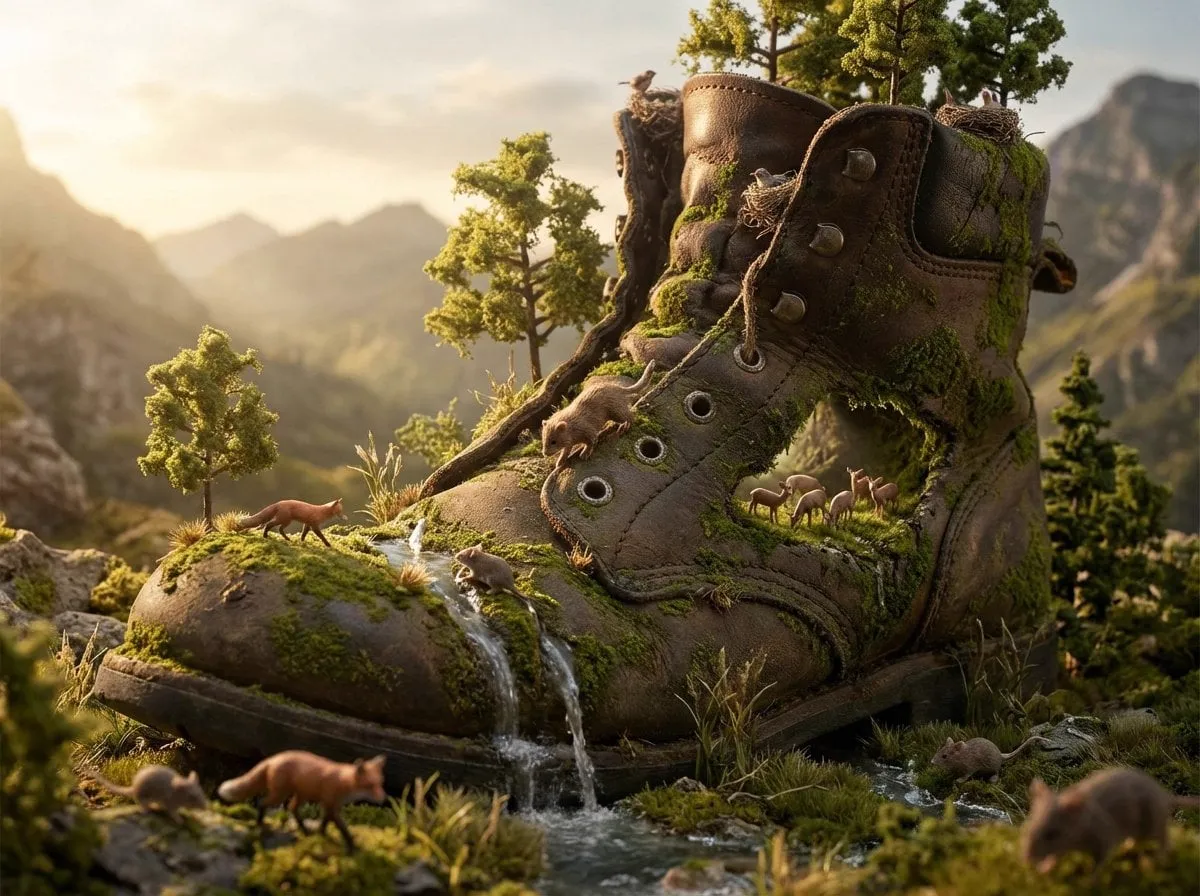
The Text-to-Video Revolution Has Arrived
The ability to transform plain text into high-quality video content represents one of the most significant breakthroughs in generative AI. In 2025, text-to-video technology has matured beyond experimental demos into production-ready tools that marketers, educators, and creators rely on daily.
The market for AI-generated video is projected to grow exponentially, driven by demand for faster content production cycles and the democratization of professional-quality video creation.
How Text-to-Video AI Works
From Words to Moving Images
Modern text-to-video models interpret natural language descriptions and generate coherent video sequences. Key capabilities include:
- Scene understanding: Interpreting spatial relationships and object interactions
- Motion prediction: Generating realistic movement based on text descriptions
- Style consistency: Maintaining visual coherence across generated frames
The Role of Prompt Engineering
Effective text-to-video generation requires well-crafted prompts. Domer's AI video generator helps you iterate on prompts quickly, testing different approaches to achieve your desired output.
Practical Applications
Marketing and Advertising
Create product demos, social media ads, and promotional content without expensive video shoots. GPT Image 2 can generate complementary still images for thumbnails and marketing collateral.
Education and Training
Transform written tutorials into engaging video lessons. The combination of visual and auditory learning improves retention significantly.
Social Media Content
Generate short-form videos for TikTok, Reels, and Shorts at scale. Seadance 2.0 adds natural motion effects that boost engagement.
Best Practices for Text-to-Video
Write Descriptive Prompts
Instead of "a dog running," try "a golden retriever sprinting through a sunlit meadow, slow-motion, cinematic lighting, shallow depth of field."
Use Reference Images
AI image generator can create style reference frames before you generate video, ensuring visual consistency.
Iterate and Refine
First attempts rarely produce perfect results. Treat text-to-video as an iterative process — generate, review, refine, repeat.
Limitations to Understand
- Complex narratives may require scene-by-scene generation
- Character consistency across multiple clips needs careful keyframe management
- High-resolution output may require more processing time
Conclusion
Text-to-video AI is not just a novelty — it's a fundamental shift in how we create visual content. Start experimenting today and integrate it into your creative workflow.
