
Introduction: The Shift from Still to Motion
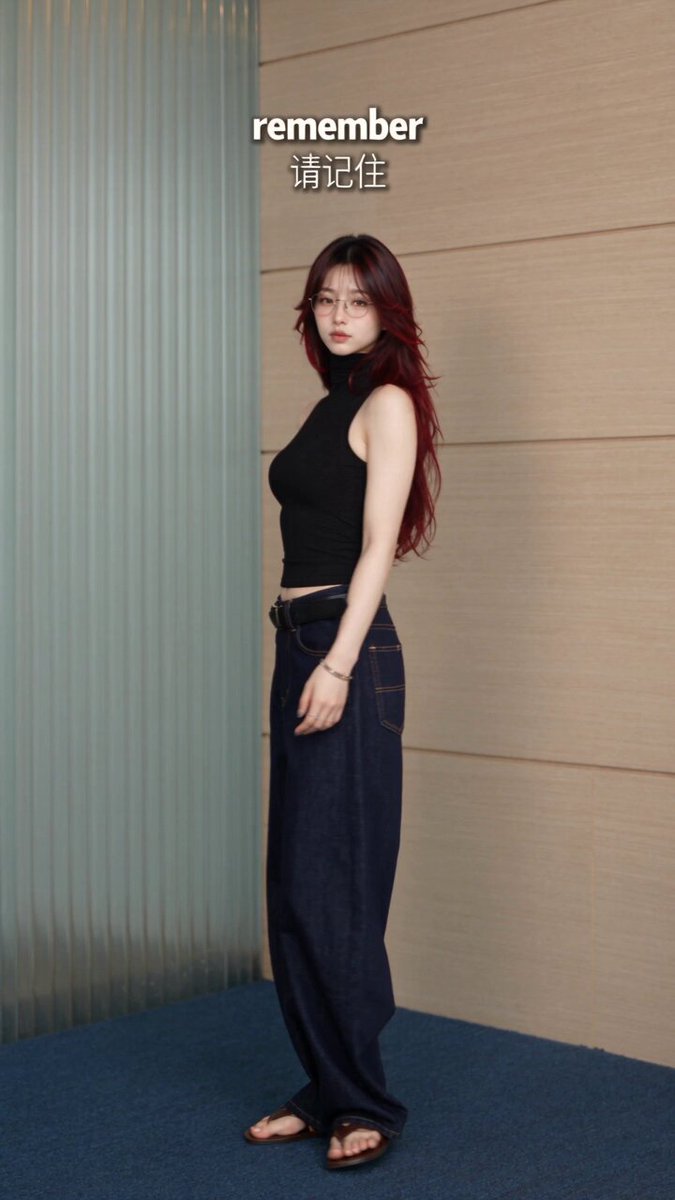
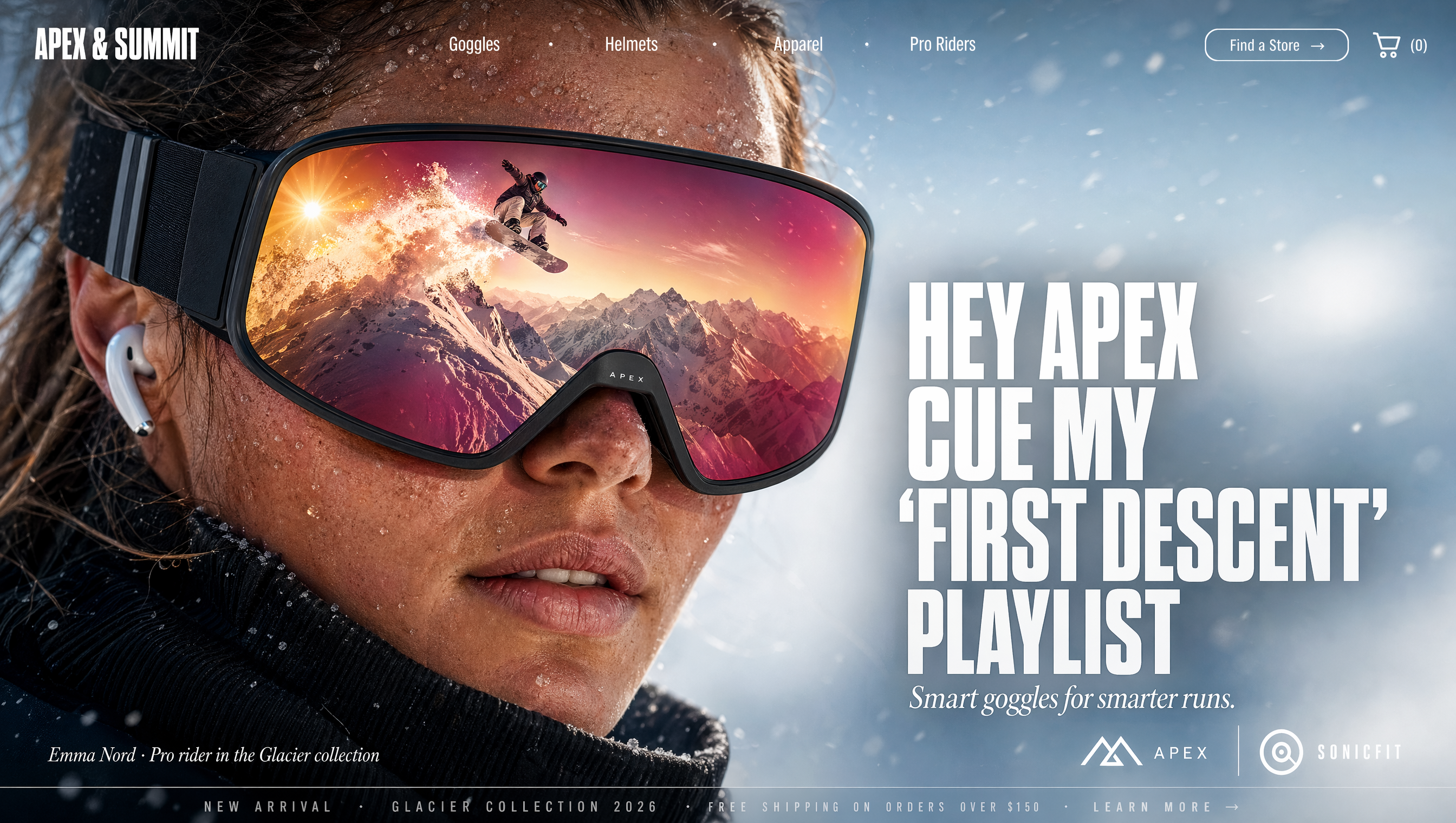
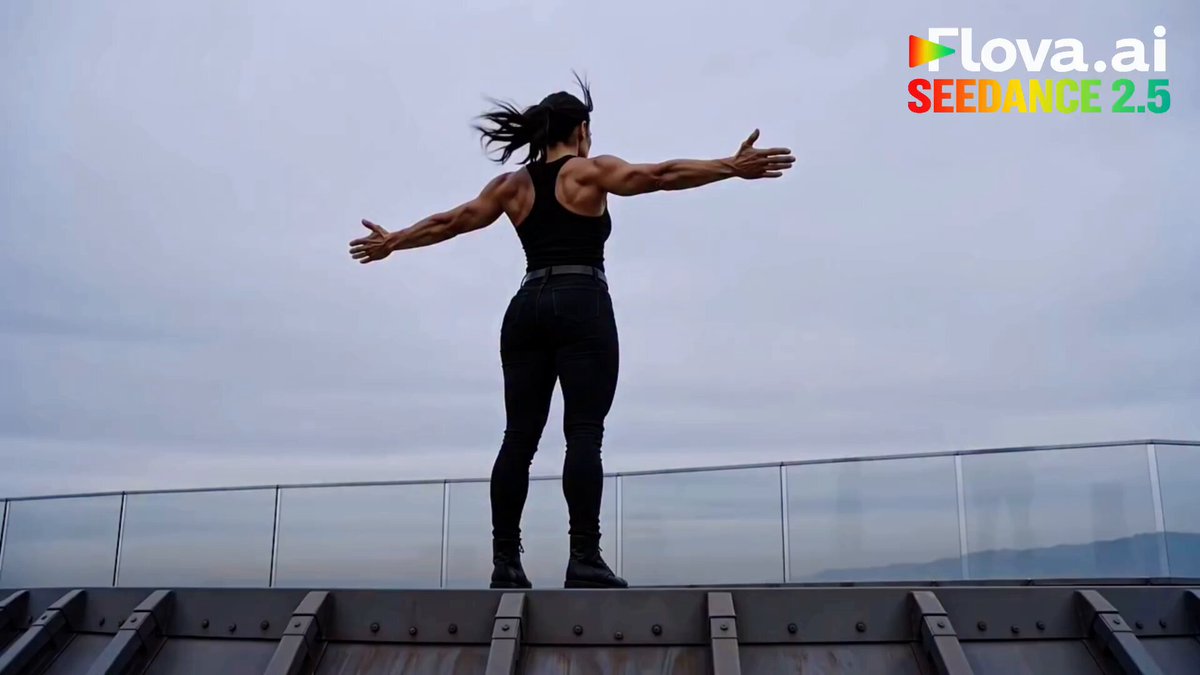
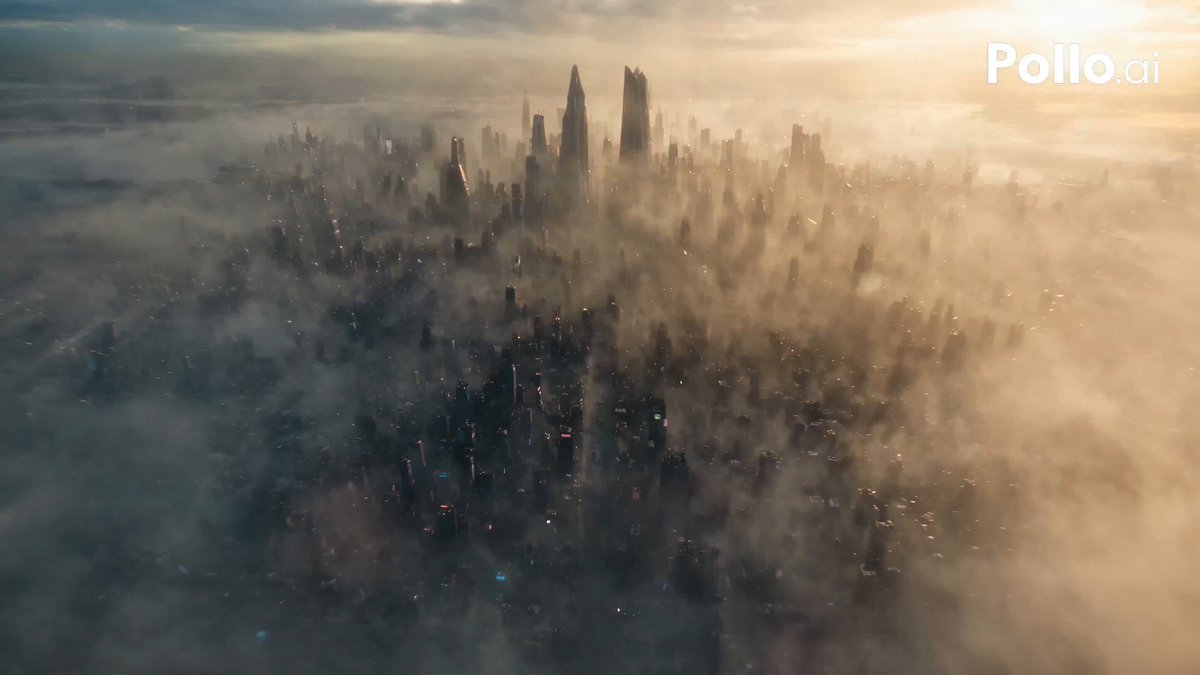
A single photograph can hold a universe of untold stories. But what if that photograph could breathe, move, and speak? AI image to video technology does exactly that—it takes a static image and animates it into a dynamic video clip, often in seconds. This isn't just a gimmick; it's a fundamental shift in how creators, marketers, and storytellers approach visual content.
In this guide, we'll explore the mechanics behind AI image to video, walk through practical workflows, and share best practices for achieving professional results. Whether you're a social media manager looking to boost engagement or a filmmaker prototyping scenes, this technology opens doors that were previously locked behind expensive equipment and steep learning curves.
Understanding the Core Technology
At its heart, AI image to video relies on deep learning models trained on massive datasets of images and videos. These models learn to predict motion, infer depth, and generate plausible sequences that extend a single frame into a coherent clip. The process involves several key components:
- Motion prediction: The model analyzes the input image to estimate how objects might move. For example, a person's hair might sway, or clouds might drift across the sky.
- Depth estimation: By understanding the spatial relationships between objects, the AI can create parallax effects, making the scene feel three-dimensional.
- Temporal consistency: This is the hardest part—ensuring that the generated frames don't flicker or warp unnaturally. Modern models use attention mechanisms and recurrent networks to maintain coherence over time.
- Style and content preservation: The output should retain the original image's composition, colors, and artistic intent while adding motion.
Several architectures power these capabilities, including diffusion models, generative adversarial networks (GANs), and transformer-based models. Each has strengths: diffusion models excel at photorealistic textures, GANs are fast but can be unstable, and transformers handle long-range dependencies well.
Why AI Image to Video Matters in 2025
The digital landscape of 2025 is video-first. Social platforms prioritize video content, audiences expect motion, and static images often get scrolled past. According to recent studies, video posts generate 1200% more shares than text and images combined. For businesses, this means that converting existing image assets into video is not just nice-to-have—it's essential for staying relevant.
Moreover, the maturation of AI models like OpenAI's Sora, Runway Gen-4, and Kling AI Series has raised the bar for quality. These models produce photorealistic videos that can fool the eye. The cost of video production has plummeted, and the speed has skyrocketed. What used to take a crew days or weeks can now be done by a single creator in an afternoon.
But the real game-changer is accessibility. You no longer need to be a professional animator or have a background in computer graphics. If you can write a prompt and upload an image, you can create a video.
Key AI Models Driving Image Animation
The success of image to video depends on the underlying AI models. Here are some of the leading contenders in 2025:
- OpenAI Sora: Known for its ability to generate highly detailed, coherent videos up to a minute long. It excels at complex scenes with multiple subjects.
- Runway Gen-4: Offers fine-grained control over camera movements and style transfer. It's popular among filmmakers for its cinematic output.
- Kling AI Series: Focuses on realism and physics, producing natural motion for human figures and objects.
- Stable Video Diffusion: An open-source model that allows for customization and local deployment.
- Pika Labs: User-friendly and fast, ideal for social media content.
Each model has its own strengths and weaknesses. For instance, Sora may produce stunning results but can be resource-intensive, while Pika is quicker but may lack detail in complex scenes. The choice often depends on your specific needs—whether you prioritize realism, speed, or control.
Workflow: From Idea to Finished Clip
Creating a video from a static image involves a series of steps. Here's a typical workflow that balances creativity and technical execution.
Step 1: Concept and Storyboard
Before touching any AI tool, define your goal. What story are you telling? Is it a product demo, a character animation, or an atmospheric scene? Sketch a rough storyboard or write a script. This will guide your prompts and ensure consistency.
For example, if you're animating a portrait, decide on the emotion: should the subject smile, blink, or turn their head? If it's a landscape, do you want the camera to pan across, or should the clouds move? Having a clear vision prevents random outputs.
Step 2: Prepare Your Source Image
The quality of your input image directly affects the output. Follow these guidelines:
- Resolution: Use the highest resolution available. Low-res images will result in blurry videos.
- Composition: Keep the subject clear and well-lit. Avoid cluttered backgrounds unless you want them animated too.
- Format: PNG or high-quality JPEG works best. Avoid heavily compressed images.
- Editing: If needed, use photo editing software to remove unwanted elements or adjust colors. A clean source leads to a clean animation.
Step 3: Crafting Effective Prompts
Most AI image to video tools require a text prompt to guide the animation. Your prompt should describe the desired motion, camera movement, and mood. Be specific but not overly complex. For instance:
- "Camera slowly zooms in on the subject's face, gentle smile, soft lighting."
- "Clouds drift from left to right, sun rays peek through, birds fly across the sky."
- "The product rotates 360 degrees, showcasing its features, studio lighting."
Avoid contradictory instructions. If you ask for a "fast pan" and "slow motion" simultaneously, the AI may produce erratic results. Experiment with different phrasings to see what works best for your chosen model.
Step 4: Generating and Refining
Once you input your image and prompt, the AI will generate a short clip—usually between 2 to 10 seconds. Review the output carefully. Look for:
- Artifacts: Unnatural warping, flickering, or ghosting.
- Motion realism: Does the movement feel natural? Are there sudden jumps?
- Consistency: Does the subject remain stable throughout?
If the result isn't satisfactory, tweak your prompt or adjust settings like motion strength or seed. Many tools allow you to generate multiple variations; don't settle for the first attempt.
Step 5: Post-Processing
AI-generated clips often benefit from post-processing. You can:
- Stabilize: Use video editing software to smooth out any jitter.
- Color grade: Enhance colors to match your brand or mood.
- Add audio: Sound effects, music, or voiceover can dramatically improve the viewing experience.
- Extend: If the clip is too short, you can loop it or use frame interpolation to slow it down.
Step 6: Export and Share
Export your final video in the appropriate format and resolution for your platform. For social media, 1080p is usually sufficient; for presentations or film, consider 4K. Always check aspect ratios—vertical for TikTok and Instagram Reels, horizontal for YouTube.
Ensuring Consistency Across Multiple Clips
One of the biggest challenges in AI video generation is maintaining consistency when you need multiple clips for a single project. Characters may change appearance, lighting may shift, or styles may drift. Here's how to mitigate these issues:
- Use reference images: Some tools allow you to provide multiple reference images to lock in a character's look.
- Keep prompts uniform: Use the same descriptive terms for recurring elements. For example, always describe the character's clothing and hair the same way.
- Seed control: If your tool supports it, use the same seed number to reduce randomness.
- Batch processing: Generate all clips in one session to maintain environmental consistency.
- Manual editing: Sometimes, you may need to composite clips in editing software to smooth transitions.
For projects requiring high consistency, such as episodic series or brand campaigns, consider training a custom model on your specific style. This is more advanced but yields professional results.
Business Applications: Speed and ROI
For businesses, AI image to video is a powerful tool for accelerating time-to-market. Consider these use cases:
- E-commerce: Turn product photos into dynamic demos that show the item from multiple angles or in use.
- Real estate: Animate still photos of properties to create virtual tours.
- Advertising: Quickly generate video ads from existing print campaigns.
- Education: Bring historical photos or diagrams to life for engaging lessons.
- Social media: Convert blog images into shareable video snippets to boost reach.
The ROI is clear: reduced production costs, faster turnaround, and the ability to repurpose existing assets. A small team can now produce a volume of video content that previously required an agency.
Choosing the Right Tool for Your Needs
With so many AI image to video tools available, selecting the right one can be overwhelming. Here's a decision framework based on key criteria:
- Quality vs. Speed: If you need the highest quality for a commercial, opt for models like Sora or Runway Gen-4. For quick social posts, Pika or similar fast tools suffice.
- Control: Do you need precise camera movements? Look for tools with advanced controls. If you're happy with automated motion, simpler tools work.
- Budget: Some tools are free with limitations, while others require a subscription. Assess your volume and needs.
- Integration: Does the tool integrate with your existing editing software? APIs can streamline workflows.
- Community and Support: A strong user community can provide prompts and troubleshooting help.
It's often worth trying a few tools to see which aligns with your creative style. Many offer free tiers or trials.
Advanced Techniques: Pushing the Boundaries
Once you're comfortable with the basics, you can explore advanced techniques to elevate your videos:
- Camera control: Specify dolly, pan, tilt, and zoom in your prompts to mimic professional cinematography.
- Style transfer: Apply artistic styles (e.g., anime, watercolor) to the animation.
- Multi-image input: Combine multiple images to create a sequence or a scene with different elements.
- Audio-driven animation: Sync mouth movements to an audio track for talking portraits.
- 3D reconstruction: Use AI to generate a 3D model from a single image, then animate the model for full control.
These techniques require more experimentation but can produce stunning, unique results.
Common Pitfalls and How to Avoid Them
Even with the best tools, you may encounter issues. Here are common pitfalls and solutions:
- Uncanny valley: Overly realistic but slightly off animations can be unsettling. Stick to natural motions and avoid excessive detail if it causes artifacts.
- Motion sickness: Fast, jerky camera movements can make viewers dizzy. Use smooth, intentional motions.
- Inconsistency: As mentioned, use references and seeds. If all else fails, generate multiple takes and choose the best.
- Copyright concerns: Ensure you have rights to the source image and the generated output. Some tools claim ownership of outputs; read the terms.
- Over-reliance on AI: AI is a tool, not a replacement for creativity. Use it to enhance your vision, not define it.
The Future of Image to Video
As we look ahead, the line between real and AI-generated video will continue to blur. We can expect:
- Longer clips: Models will generate minutes-long videos with consistent characters and plots.
- Interactive experiences: Users might be able to direct the motion in real-time.
- Integration with VR/AR: Animated images could populate virtual worlds.
- Ethical and legal frameworks: Regulations will emerge to address deepfakes and ownership.
The technology is evolving rapidly, and creators who embrace it early will have a competitive edge.
Frequently Asked Questions
How long does it take to generate a video from an image?
Depending on the tool and complexity, generation can take anywhere from a few seconds to a couple of minutes. High-quality models may take longer, especially for longer clips.
Can I animate any type of image?
Yes, but results vary. Portraits, landscapes, and product shots tend to work well. Images with clear subjects and minimal clutter produce the best animations. Abstract art can also be animated, but the output may be more unpredictable.
Do I need a powerful computer?
Most AI image to video tools are cloud-based, so you only need a decent internet connection and a modern browser. Some open-source models can be run locally but require a strong GPU.
Is AI-generated video content allowed on social media?
Generally, yes, but platforms may require you to label AI-generated content. Check the specific policies of each platform to avoid penalties.
How can I improve the realism of my animations?
Use high-quality source images, write detailed prompts, and consider post-processing. Experiment with different models and settings. Sometimes, adding subtle motion is more realistic than dramatic movements.
Can I use AI image to video for commercial projects?
It depends on the tool's licensing. Some tools grant full commercial rights, while others have restrictions. Always read the terms of service before using outputs for commercial purposes.
Conclusion: Embracing the Motion Revolution
AI image to video is no longer a futuristic fantasy—it's a practical tool available to anyone with a creative vision. By understanding the technology, following a structured workflow, and avoiding common pitfalls, you can transform static images into captivating videos that engage, inform, and inspire.
The key is to start small. Pick an image, write a simple prompt, and see what happens. As you gain experience, you'll develop an intuition for what works. The field is moving fast, so stay curious and keep experimenting. Your next viral video might be just one image away.
