
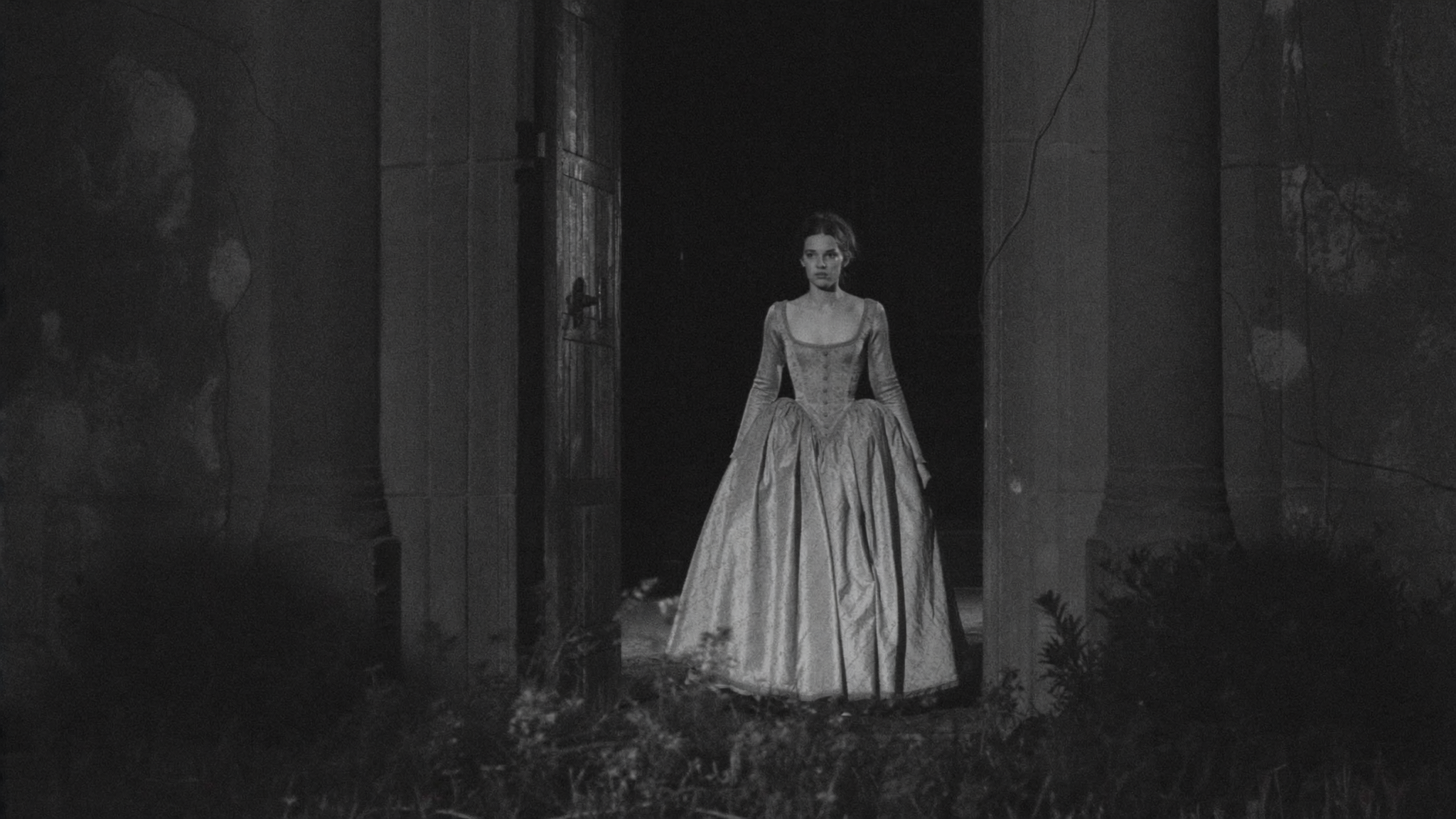

Short-form storytelling is a directing problem, not just an editing problem
Short-form video looks like a race against the scroll, so many creators treat it as a compression exercise. They cut faster, add louder music, and layer on captions until the frame feels busy enough to hold attention. That approach can work once or twice, but it rarely builds a repeatable channel. The deeper challenge is directing attention. A viewer does not need more stimulation; they need a reason to stay for the next second. That reason comes from story structure, visual intention, and rhythm.
An AI-assisted workflow makes this easier only when the story comes first. If you begin with prompts and generate a pile of attractive shots, you will spend hours trying to force meaning into footage that was never designed to connect. If you begin with a beat map, a clear premise, and a shot plan, AI becomes a production multiplier. It helps you prototype visual ideas, create coverage for difficult scenes, and iterate on variants without a full crew. The director's job is still to decide what the audience should feel at each moment.
Think of short-form as a sequence of promises. The first frame promises something interesting. The first line promises a payoff. The next shot promises progress. Every cut either renews the promise or breaks it. AI can generate the pieces, but you must design the chain. That is why the most reliable short-form videos feel directed even when they were made with a small team or a solo creator. The structure is doing the heavy lifting.
This guide lays out a practical workflow for AI-assisted short-form storytelling. It covers hooks, beat maps for different durations, prompt and shot planning, visual grammar, sound design, testing, common mistakes, and a production checklist. Use it as a repeatable system rather than a rigid formula. The goal is to make each video clearer, more emotional, and easier to watch to the end.
The three-second contract: hooks that earn the next second
Every short-form video begins with an unspoken agreement. The viewer gives you a few seconds of attention, and you give them a reason to keep going. If the first moment is vague, the contract is broken. If the first moment is specific, surprising, or emotionally charged, the viewer stays long enough to hear the story.
A strong hook does not have to be loud. It has to be clear about the tension. You can open with a visual contradiction, a direct question, a result shown before the process, or a character in the middle of a problem. The key is to remove any delay between the start of the video and the start of the story.
Here are seven hook patterns that work well in short-form video:
- Cold open: Start in the middle of an action or conversation. No greeting, no logo, no setup. The viewer lands inside a moment and wants to know what happens next.
- Contradiction: Show something that should not be true. A calm person in chaos, a tiny object causing a huge problem, or a familiar setting with one strange detail.
- Result first: Show the finished outcome, then rewind to explain how it happened. This works especially well for transformations, tutorials, and process videos.
- Countdown: Promise a specific number of items, mistakes, or steps. The structure gives viewers a reason to stay until the end.
- POV: Put the viewer inside a perspective. First-person framing, direct address, or a subjective camera angle can create instant intimacy.
- Question loop: Ask a question that the video will answer. Avoid vague questions; make the question specific enough that the answer feels necessary.
- Transformation tease: Show a before state, hint at the after state, and delay the reveal. This is a classic structure for makeovers, repairs, and creative process videos.
Choose the hook that matches your story, not the hook that is trending. A countdown hook on an emotional story can feel hollow. A quiet POV hook on a fast product demo can feel slow. The best hook is the one that creates the right expectation for the next thirty seconds.
Also consider the first frame as a separate asset. Many viewers decide whether to keep watching before the video plays, based on the cover image or the opening frame. Make the first frame readable at a glance. Avoid tiny text, cluttered backgrounds, and generic stock-like compositions. If the cover does not communicate tension, the hook has to work twice as hard.
Story spines for 15, 30, and 60 seconds
Short-form durations are not just shorter versions of a long video. Each length has a different story shape. A fifteen-second video can carry one idea. A thirty-second video can carry one idea with a turn. A sixty-second video can carry a small arc with a setup, escalation, and payoff. If you try to cram a sixty-second story into fifteen seconds, the result feels rushed. If you stretch a fifteen-second idea into sixty seconds, the result feels thin.
The one-line premise
Before writing beats, write one sentence that captures the story. Use a simple formula: When a character wants a goal, they face an obstacle, so they take an action, until a turn changes the outcome. For example: When a night-shift baker wants to save a failing shop, she enters a viral baking contest, but her oven breaks before the final round. That sentence contains a protagonist, a goal, an obstacle, and a turn. Every shot in the video should serve one of those elements.
Beat maps by duration
A beat map is a timeline of emotional and informational changes. It keeps the edit from wandering and helps you brief AI generation tools with purpose.
15-second beat map
- 0 to 2 seconds: Hook. Start with tension, motion, or a striking visual.
- 2 to 5 seconds: Setup. Give the minimum context needed to understand the stakes.
- 5 to 10 seconds: Escalation. Show the problem getting worse or the attempt getting harder.
- 10 to 13 seconds: Turn. Introduce a surprise, reversal, or new piece of information.
- 13 to 15 seconds: Payoff. Resolve the tension with a clear image or line.
30-second beat map
- 0 to 3 seconds: Hook. Make the promise.
- 3 to 7 seconds: Context. Establish the who, where, and what.
- 7 to 12 seconds: Problem. Show the obstacle clearly.
- 12 to 18 seconds: Attempt. Let the character try and partially fail.
- 18 to 24 seconds: Reversal. Change the direction of the story.
- 24 to 30 seconds: Resolution. Deliver the emotional or informational payoff.
60-second beat map
- 0 to 4 seconds: Hook. Open with a question, contradiction, or high-stakes moment.
- 4 to 10 seconds: World. Show the normal state and what is missing.
- 10 to 16 seconds: Inciting incident. Something disrupts the normal state.
- 16 to 28 seconds: Rising action. The character tries, learns, and faces resistance.
- 28 to 38 seconds: Midpoint shift. A new insight or complication changes the plan.
- 38 to 48 seconds: Collapse. The plan fails or the stakes become personal.
- 48 to 56 seconds: Climax. The final attempt and its outcome.
- 56 to 60 seconds: Button. A final image, line, or visual echo that lands the theme.
These beat maps are not rules. They are diagnostic tools. If a video feels boring, map its actual beats and see where the energy drops. If a video feels confusing, check whether the setup arrives too late or the turn is missing. Once you can see the structure, you can fix it with a shot, a line, or a cut.
An AI-assisted directing workflow from brief to final cut
The practical value of AI in short-form video is speed with structure. You can generate options, test visual ideas, and create coverage without a full production. But the workflow only works if each stage has a clear output. Here is a four-stage process.
Stage 1: Write constraints before prompts
Start with a one-page creative brief. Include the audience, platform, objective, tone, duration, must-have elements, and must-avoid elements. If the video is for a product launch, the brief might say: show the problem in the first three seconds, demonstrate the product in use by second ten, and end with a clear visual of the result. If the video is a personal story, the brief might say: keep the voice intimate, use natural light, and avoid fast cuts until the turn.
Constraints are not restrictions on creativity. They are the boundaries that make creative decisions faster. When you know the tone, you can reject off-brand generations immediately. When you know the duration, you can design the beat map before you write a single prompt. When you know the platform, you can plan the aspect ratio, caption placement, and safe zones.
Stage 2: Build a shot list that serves the story
A shot list is where directing becomes concrete. Create columns for beat, purpose, shot size, camera move, subject action, environment, and transition. The purpose column is the most important. Every shot should have a job: establish location, reveal character, increase tension, provide comic relief, or deliver the payoff.
For AI-generated footage, write shot descriptions that are visually specific. Instead of asking for a sad scene, describe a close-up of hands folding a letter, a medium shot of a person staring through a rain-streaked window, or a wide shot of an empty kitchen with one light on. Specific descriptions give the model fewer ways to misinterpret you. They also make the edit easier because each shot has a clear emotional function.
Stage 3: Generate in controlled batches
Do not generate the entire video in one pass. Generate in batches by beat. If the hook needs three options, create three variations with different framing, lighting, or action. If the turn needs a reaction shot, generate several facial expressions and choose the one that reads most clearly.
Consistency is the hardest part of AI video. Use character references, wardrobe notes, color palette descriptions, and lens language in every prompt. Keep a style block that you paste into each generation: for example, soft window light, muted earth tones, 35mm lens, shallow depth of field, natural skin texture. Change only the action and framing between shots. This reduces the risk of a visual jump that breaks immersion.
Review each batch against four criteria: story clarity, emotional fit, continuity, and motion quality. If a shot is beautiful but does not serve the beat, cut it. If a shot serves the beat but has distracting artifacts, reframe, crop, or cover the problem with a cutaway. The goal is not perfect footage. The goal is footage that communicates.
Stage 4: Edit for rhythm before polish
Assemble a rough cut to the beat map first. Do not worry about color, effects, or transitions. Watch the rough cut with the sound off, then with the sound on. If the story is unclear without sound, the visuals are not doing enough. If the story is unclear with sound, the audio is not carrying the right information.
Once the structure works, tighten the rhythm. Cut on motion when possible. Use J-cuts and L-cuts to overlap audio and video. Let silence create emphasis before a reveal. Speed ramps can add energy, but they should follow the emotional beat, not replace it. Add text overlays only when they improve comprehension. Captions are essential for silent viewing, but decorative text can compete with the story.
Visual grammar for AI-generated short-form
Visual grammar is the set of rules that makes a video feel intentional. In AI-assisted production, it is also a defense against inconsistency. Define the grammar before you generate.
Start with character consistency. Create a simple character sheet that describes age, hair, wardrobe, posture, and distinguishing features. If the character appears in multiple shots, repeat those details in every prompt. Use the same lighting direction and color temperature across a scene. If the scene changes, change the grammar deliberately, not accidentally.
Next, plan shot variety. A common mistake is to generate every shot as a medium shot. Medium shots are useful, but they become monotonous. Mix wide shots for context, close-ups for emotion, inserts for detail, and over-the-shoulder shots for perspective. A simple pattern is wide, medium, close, insert, then back to wide for the payoff. This gives the viewer a sense of spatial orientation and emotional progression.
AI footage often struggles with hands, text, complex physics, and precise eye contact. Direct around those limitations. Use framing that hides hands, avoid readable text in the generated frame, cut away before a difficult action completes, and use motion blur or shadow to cover imperfections. If a shot needs a specific prop, generate it separately or use a practical overlay in the edit. The audience will accept a stylized solution more easily than a broken realism.
Finally, create a visual motif. A motif can be a color, an object, a camera movement, or a recurring composition. In a video about starting over, the motif might be a door or a window. In a video about growth, it might be a plant or a sunrise. The motif gives the story a visual through-line that holds attention even when the individual shots vary.
Sound design and pacing that keep viewers watching
Sound is half of retention. Viewers may forgive a soft image, but they rarely forgive bad audio. Start with a clean voice track. If you use AI voice generation, adjust pacing, pauses, and emphasis manually. A flat read can make a strong script feel lifeless. If you record your own voice, treat the room with soft materials, use a close microphone, and remove background noise before editing.
Music should support the emotional arc, not dictate it. Choose a track that has a clear build and release, then align the major changes with your beat map. If the music swells at the wrong moment, the story feels emotionally confused. Use sound effects sparingly. A whoosh, click, or impact can emphasize a cut, but too many effects turn the video into noise.
Pacing is not just speed. It is the pattern of tension and release. A fast section feels faster when it follows a pause. A quiet moment feels quieter when it follows a busy sequence. Use pattern interrupts every few seconds: a change in shot size, a new sound, a text overlay, or a shift in camera movement. These interrupts reset attention without overwhelming the viewer.
Captions are part of sound design in practice. They make the video accessible and watchable in silent environments. Keep captions short, place them away from faces, and synchronize them with the spoken rhythm. Avoid word-by-word animations that distract from the visual story unless the style calls for it. The best captions feel like a natural extension of the edit.
Testing, iteration, and performance review
Once the video is published, the work is not over. Short-form is a testing environment. Track metrics that tell you where viewers leave and what they rewatch. The most useful signals are three-second view rate, average watch time, completion rate, rewatch rate, saves, shares, and comments. Each metric answers a different question.
A low three-second view rate means the hook or cover frame is not working. A low average watch time means the middle is losing energy. A high rewatch rate means the video has a satisfying loop, a visual detail, or an emotional moment that rewards a second viewing. A high save rate means the video has practical or aspirational value. A high share rate means the video makes the viewer feel something they want to pass along.
Test one variable at a time. If you change the hook, the music, and the caption style in the same video, you will not know what caused the difference. Create two or three hook variants for the same video and publish them on different days. Test the first frame separately from the opening line. Test a fast edit against a slower edit. Keep a simple learning log with the video, the variable, the metric, and the result. Over time, the log becomes a creative playbook.
Separate creative quality from distribution. A video can be well made and still underperform because the topic is not interesting to the audience, the cover frame is weak, or the posting time is wrong. Do not change your entire style based on one underperforming post. Look for patterns across five to ten videos. If a pattern holds, adjust the workflow. If it does not, keep testing.
Common mistakes and how to fix them
Starting with a logo or greeting. The first second is the most valuable real estate in the video. Replace the logo with a visual hook. Introduce the brand later, after the viewer is invested.
Too much setup. Short-form does not have room for a slow introduction. Start close to the conflict. You can fill in context through visuals, captions, or a line of dialogue later.
No clear protagonist. Even a tutorial needs a point of view. The protagonist can be the viewer, the creator, or a character in the story. Without a point of view, the video feels like a list of facts.
Beautiful shots that do not connect. AI tools make it easy to generate attractive footage. Attractive footage is not a story. Every shot must answer a question, raise a question, or change the emotional temperature.
Inconsistent characters or locations. Fix this with detailed character sheets, style blocks, and a continuity check before editing. If a character changes appearance, either explain it or reshoot the sequence.
Editing only to the music. Music is a guide, not a script. Cut to the story beat first, then adjust the music to support it. If the edit only works because the beat drops, the story is probably thin.
Ignoring the first frame. The cover image or opening frame is a separate creative decision. Make it readable, emotional, and representative of the video. Avoid generic compositions and tiny text.
Not testing hooks. A good video with a weak hook can fail. A simple hook test can double the performance of the same content. Treat hooks as a variable you can improve.
A practical production checklist
Use this checklist before publishing your next short-form video.
Pre-production
- Write a one-line premise.
- Define the audience, platform, and objective.
- Choose a duration and a beat map.
- Write a hook and two alternate hooks.
- Build a shot list with a purpose for every shot.
- Create a character and style reference block.
Production
- Generate footage in batches by beat.
- Review for story clarity, emotion, continuity, and motion quality.
- Capture or generate sound effects and voiceover.
- Select music that supports the emotional arc.
Post-production
- Assemble a rough cut to the beat map.
- Tighten rhythm with cutaways, J-cuts, and pauses.
- Add captions and text overlays where they help comprehension.
- Check the first frame and cover image.
- Export in the correct aspect ratio and safe zones.
Launch and review
- Publish with a clear title and description.
- Track three-second view rate, watch time, completion, and shares.
- Log what worked and what to test next.
- Iterate on one variable at a time.
FAQ
How long should a short-form video be?
Use the shortest duration that fully delivers the story. Fifteen seconds works for one idea with a quick turn. Thirty seconds works for a small arc. Sixty seconds works for a more developed story with a midpoint shift. Do not stretch a short idea to fill time. Viewers can feel padding.
Do I need AI to make short-form video?
No. AI is a production tool, not a requirement. It is most useful when you need visual variety, fast prototyping, or coverage for scenes that would be expensive to film. The story structure, hook, and edit still come from you.
How many AI-generated clips should I use?
Use as many as the story needs and no more. A fifteen-second video might need five to eight shots. A sixty-second video might need fifteen to twenty. The number matters less than the function. Each clip should serve a beat.
How do I keep AI characters consistent?
Write a detailed character sheet and repeat it in every prompt. Keep wardrobe, hair, age, and distinguishing features identical. Use the same lighting and lens language across a scene. Check continuity before editing.
What if the AI footage looks unnatural?
Direct around the limitation. Use tighter framing, occlusion, motion blur, or cutaways. Avoid close-ups of hands or complex actions if the model struggles. If a shot still looks wrong, replace it rather than forcing it into the edit.
How often should I publish?
Publish at a pace you can sustain without lowering quality. Consistency helps the audience and the algorithm, but burnout hurts both. A smaller number of well-structured videos is better than a high volume of unclear ones.
How do I know if a video worked?
Look at the metric that matches your goal. If you want reach, watch shares and three-second view rate. If you want retention, watch completion and rewatch rate. If you want action, watch saves and comments. Compare the result to your own baseline, not to someone else's viral post.
Short-form storytelling rewards clarity. AI can help you produce more shots, more variations, and more visual ideas, but it cannot replace the director's decisions. Write the premise, design the beats, plan the shots, edit for rhythm, and test the result. That workflow turns short-form from a guessing game into a craft.
