
Introduction to AI-Driven Storytelling and Shot Design
In 2025, the landscape of digital content creation is undergoing a profound transformation, driven by rapid advances in generative artificial intelligence. For content creators, the challenge is no longer just about having a good camera or editing skills—it's about standing out in an ocean of content while meeting ever-rising audience expectations. This is where AI storytelling and shot design tools come into play, offering a structured, scalable approach to what was once an intuitive and often chaotic creative process.
At the heart of this shift is the concept of an AI director: a system that helps you shape narrative structure, maintain visual consistency, and optimize every shot for maximum impact. Unlike traditional editing software, these tools act as collaborative partners, guiding you from a rough idea to a polished final cut. Whether you're a solo YouTuber, a marketing team, or an indie filmmaker, understanding how to leverage AI for storytelling and shot design can dramatically improve your output and speed up your workflow.
This guide will walk you through the current landscape, the core techniques, and practical steps to integrate AI into your creative process. We'll explore how AI can help with narrative development, style consistency, shot composition, and even audio integration. By the end, you'll have a clear roadmap for using AI to elevate your content without losing your unique creative voice.
The Current Landscape of AI in Video Creation
The past few years have seen an explosion of AI-powered tools for video production. From text-to-video generators to automated editing assistants, the market is crowded with options. But most creators still struggle with two key problems: maintaining a consistent story and achieving a professional look across multiple shots.
The convergence of content saturation and higher quality expectations means that simply having a camera and an idea is no longer enough. Audiences are bombarded with videos every day, and they quickly scroll past anything that feels amateurish or disjointed. AI can help bridge that gap by providing structure and polish that was previously the domain of experienced directors and editors.
Generative AI models have become remarkably good at creating images and short clips, but stitching them into a coherent narrative remains challenging. This is where AI directors come in—they orchestrate the entire process, from script analysis to final render, ensuring that every element serves the story.
Why AI Storytelling Matters for Creators
Storytelling is the backbone of any engaging video. Without a clear narrative, even the most beautiful visuals fall flat. AI can help you break down a script into beats, suggest pacing, and even generate alternative plot points. For creators who aren't natural writers, this is a game-changer. It allows you to focus on your strengths—whether that's on-camera presence, animation, or subject matter expertise—while the AI handles the structural heavy lifting.
Moreover, AI can analyze your existing content and audience data to recommend story arcs that resonate. For example, if your viewers tend to drop off during long introductions, the AI might suggest starting with a hook. If they love character-driven stories, it can help you develop richer arcs. This data-driven approach to storytelling is something traditional methods can't easily match.
The Role of Shot Design in Modern Content
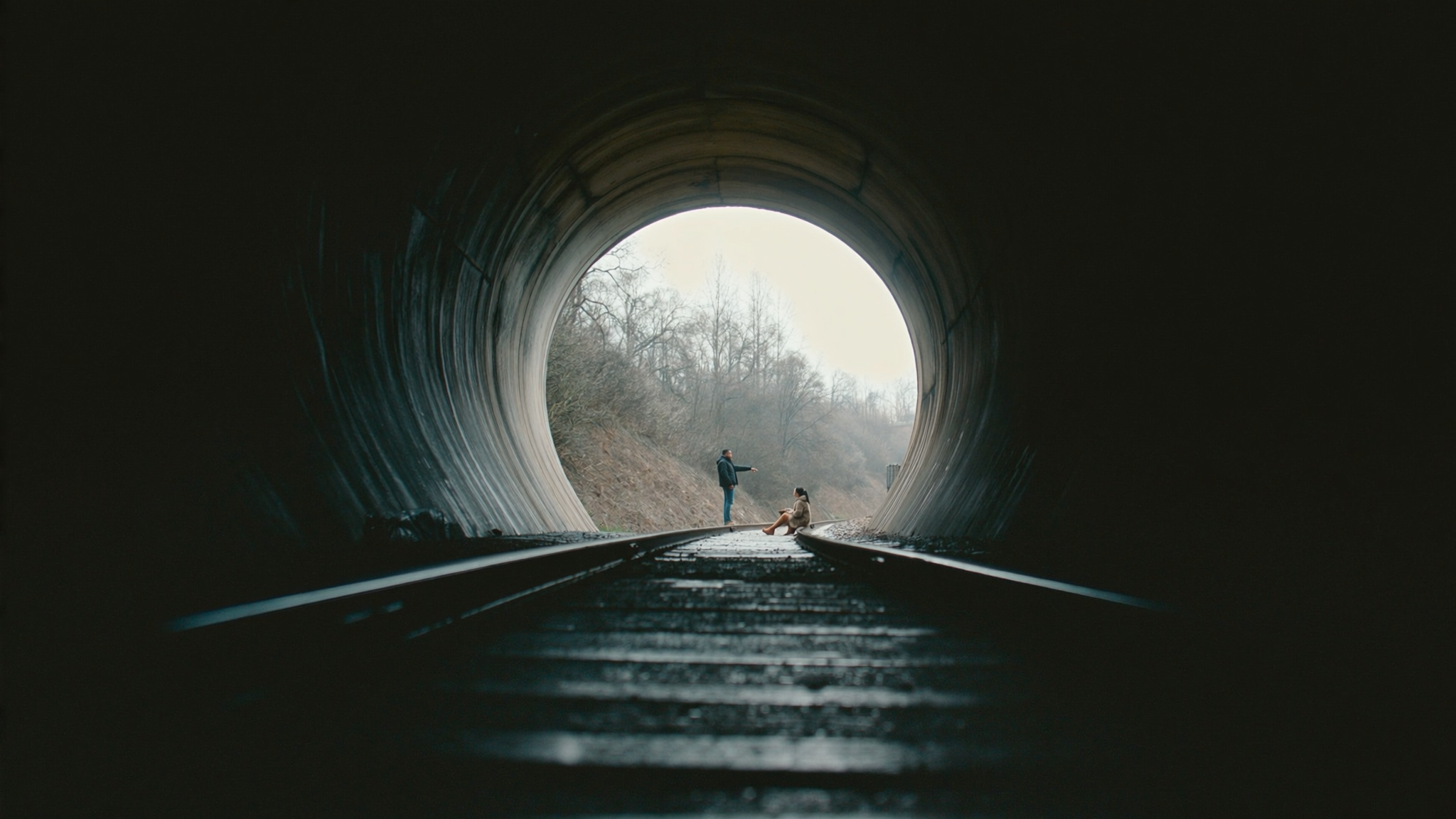
Shot design is about more than just pointing a camera. It's the deliberate choice of framing, angle, movement, and lighting to convey emotion and information. In AI-assisted workflows, shot design becomes a collaborative effort: you provide the creative intent, and the AI suggests specific shot types, transitions, and visual styles. This can include everything from wide establishing shots to intimate close-ups, all tailored to the mood of the scene.
For example, if you're creating a product demo, the AI might recommend a series of close-ups on features, interspersed with wide shots showing the product in use. For a dramatic narrative, it might suggest a slow push-in during a tense moment. By automating the technical aspects of shot design, AI frees you to focus on the creative direction.
How AI Directors Work: The Technology Behind the Scenes
AI directors are complex systems that combine several technologies: natural language processing, computer vision, and generative models. They typically start by analyzing your input—a script, a treatment, or even a simple prompt—and then build a shot list, generate keyframes, and assemble a rough cut.
One of the key innovations is the ability to maintain character and style consistency across multiple shots. This is achieved through techniques like multi-image fusion and style transfer. For instance, you can provide a reference image of your protagonist, and the AI will ensure that the character looks the same in every generated frame, even as the camera angle changes.
Another important component is audio integration. AI can generate voiceovers, sound effects, and even music that matches the tone of your video. This creates a cohesive sensory experience without the need for extensive manual sound design.
Narrative Structure and Story Development
At the highest level, AI directors help with narrative structure. Instead of starting with a blank page, you can choose from predefined story templates—such as the hero's journey, problem-solution, or listicle—and the AI will adapt them to your content. It can also suggest structural improvements, like where to place a twist or how to build tension.
For example, if you're creating a tutorial, the AI might structure it as: hook, overview, step-by-step instructions, common mistakes, and conclusion. Each section is then broken down into shots and scenes. This operationalizes the grammar of filmmaking, making it accessible to creators who may not have formal training.
Style and Consistency Guidance
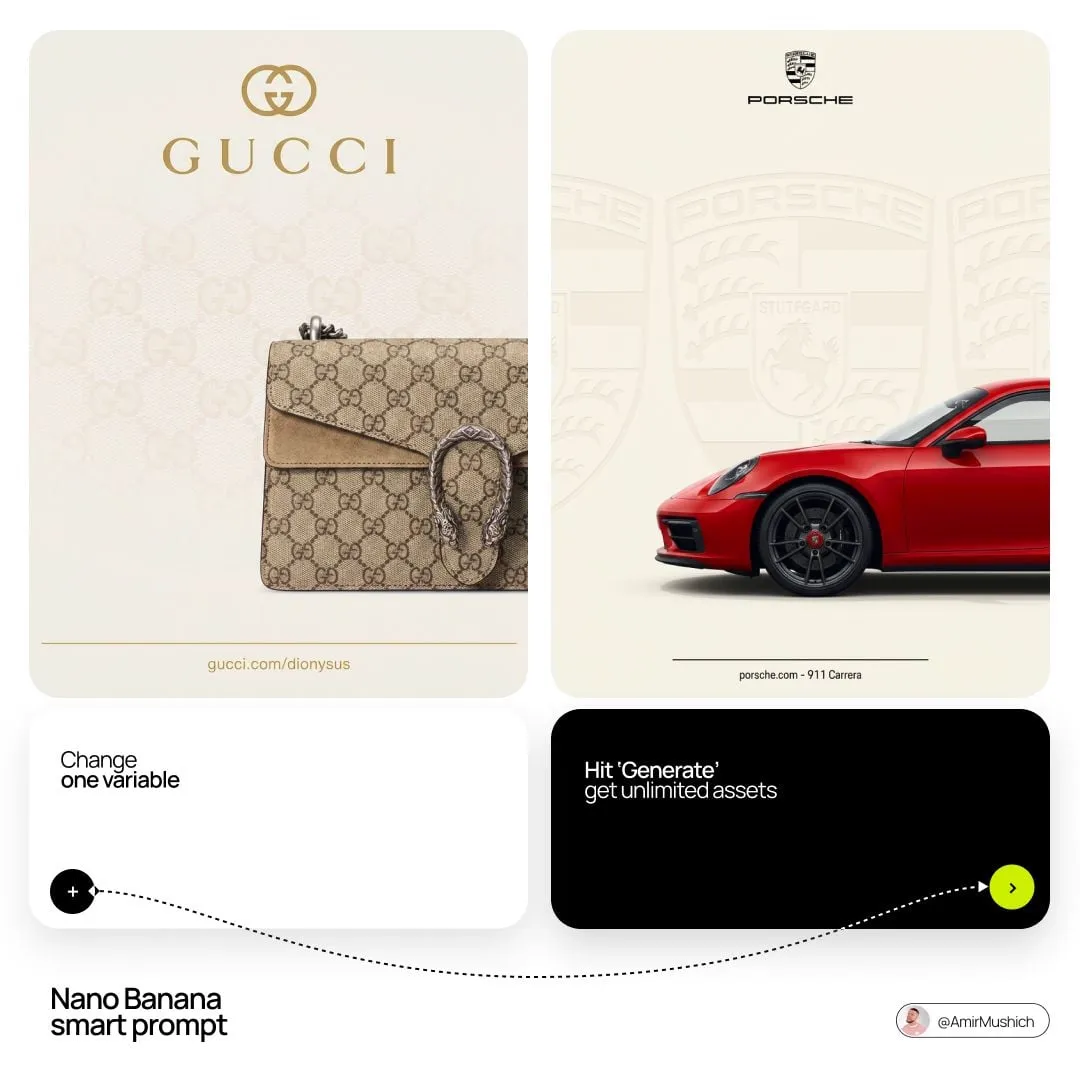
Consistency is crucial for professional-looking content. AI can analyze your previous work or a set of reference images to determine your visual style—color palette, lighting, composition—and apply it to new shots. This ensures that your video feels like a unified piece rather than a collection of random clips.
You can also use AI to experiment with different styles before committing. For instance, you could generate the same scene in a noir style, a vibrant vlog style, and a cinematic style, then choose the one that best fits your brand. This kind of rapid prototyping is invaluable for creative decision-making.
Optimizing Shot Design for Impact
AI can optimize shot design by considering factors like pacing, emotion, and viewer attention. It can predict which shots will keep viewers engaged based on data from similar videos. For example, it might recommend cutting away to a reaction shot when a key point is made, or using a dynamic camera move to add energy.
The AI can also generate shot lists with detailed descriptions: "Medium shot of protagonist speaking, slight low angle, soft lighting, background blurred." This gives you a clear blueprint for shooting or generating each shot, reducing ambiguity and saving time.
A Practical Workflow for AI-Assisted Video Creation
Integrating AI into your video workflow doesn't mean handing over all creative control. Instead, it's about augmenting your skills. Here's a step-by-step workflow you can adapt.
Step 1: Define Your Story and Goals
Start with a clear idea of what you want to communicate. Write a brief treatment or outline. Then, feed it into an AI director tool. The AI will analyze your text and suggest a narrative structure, complete with acts, scenes, and key beats. You can refine this structure manually, moving scenes around or adding new ones.
For example, if you're making a video about sustainable living, the AI might suggest starting with a compelling statistic, then showing three actionable tips, and ending with a call to action. You can then adjust the order or emphasis based on your audience.
Step 2: Generate a Shot List and Storyboard
Once the structure is set, the AI can generate a shot list. This includes descriptions of each shot, camera angles, and suggested durations. Many tools also create a visual storyboard by generating thumbnail images for each shot. This is incredibly helpful for planning and for communicating your vision to a team.
You can iterate on the shot list by giving feedback. If a shot feels too static, you can ask the AI to suggest a more dynamic alternative. If a scene needs more emotional weight, you can request a close-up.
Step 3: Create or Assemble Visuals
Depending on your resources, you can either shoot the footage yourself following the shot list or use AI video generators to create the visuals. AI generators can produce clips based on text prompts or storyboard frames. They excel at creating stylized or fantastical scenes that would be expensive to shoot practically.
If you're mixing live-action and AI-generated footage, consistency is key. Use the AI's style guidance to match color grading, lighting, and composition. Tools that offer multi-image fusion can help blend elements seamlessly.
Step 4: Integrate Audio and Sound Design
Audio is half the experience. AI can generate voiceovers from your script, complete with natural intonation. It can also suggest sound effects and background music that fit the mood. You can then mix these elements in your editing software, or let the AI handle the entire audio post-production.
For example, if you have a scene in a bustling city, the AI might add ambient traffic sounds and a subtle urban music track. For a quiet emotional moment, it might strip away all sound except for a soft piano note.
Step 5: Edit and Refine
Even with AI assistance, you'll want to review the assembled cut. AI editors can automatically cut to the beat of the music, remove silences, and apply transitions. But your creative eye is still essential. Look for pacing issues, continuity errors, and emotional impact. You can ask the AI to suggest fixes, like tightening a scene or adding a reaction shot.
Step 6: Export and Distribute
Finally, export your video in the required formats for different platforms. AI can help optimize aspect ratios, resolutions, and even generate captions. Some tools can also repurpose your video into shorts or teasers for social media, automatically selecting the most engaging moments.
Tools and Techniques for Cinematic Results
To achieve a cinematic look, you need more than just good shots—you need a cohesive visual language. AI can help by simulating high-end cinematography techniques. For instance, you can apply film emulation LUTs, depth of field effects, and motion blur. Some AI models specialize in generating footage that mimics the look of specific cameras or film stocks.
When choosing tools, consider your specific needs. If you're focused on character-driven stories, look for AI that excels at character consistency. If you're making product videos, prioritize tools that can generate clean, well-lit shots of objects. Many platforms offer a suite of models, each optimized for different tasks.
Working with Advanced Models
Advanced models can generate highly realistic or stylized footage from text or image prompts. They can also upscale existing footage, remove objects, or change the time of day. For example, you could take a daytime shot and ask the AI to make it look like sunset. This flexibility allows you to fix issues in post without reshooting.
It's important to experiment with different models to see which ones align with your aesthetic. Keep a library of prompts and settings that work well for your brand.
Maintaining Character Consistency
One of the biggest challenges in AI video is keeping characters looking the same across shots. Techniques like reference-based generation and multi-image fusion can help. You provide multiple angles of your character, and the AI learns their features, then applies them consistently. This is crucial for narrative content where viewers need to recognize the protagonist.
If you're working with live actors, you can use AI to de-age or alter their appearance, but consistency is still key. Always review generated shots for any inconsistencies and regenerate if needed.
Common Pitfalls and How to Avoid Them
AI video creation is powerful, but it's not magic. Here are some common pitfalls and how to steer clear.
Over-Reliance on AI
AI is a tool, not a replacement for creativity. Don't let it dictate every decision. Use it to enhance your ideas, not to generate them from scratch. Always inject your unique perspective and voice.
Ignoring Story for Spectacle
It's easy to get carried away with flashy AI-generated visuals. But without a solid story, viewers won't stick around. Always prioritize narrative over eye candy. Use AI to support the story, not overshadow it.
Inconsistent Style
Mixing AI-generated shots with live-action or different AI models can lead to a disjointed look. Establish a style guide and use AI tools that can enforce consistency. Review your video as a whole to ensure visual coherence.
Technical Limitations
AI models have limitations. They may struggle with complex actions, text, or specific cultural references. Be prepared to shoot some elements practically or use stock footage. Also, keep an eye on resolution and frame rate to ensure professional quality.
Ethical and Legal Considerations
Be mindful of copyright and likeness rights when using AI to generate people or recreate styles. Always obtain necessary permissions and be transparent with your audience about AI usage.
The Future of AI in Content Creation
As AI continues to evolve, we can expect even more seamless integration into creative workflows. Future tools may be able to generate entire videos from a single prompt, with real-time collaboration between human and AI. We might see AI that can understand emotional nuances and adjust storytelling accordingly.
For content creators, this means more time for ideation and less time on tedious tasks. It also means that high-quality video production will become accessible to a broader range of people, democratizing the medium.
However, the human touch will remain essential. AI can't replicate the unique experiences, perspectives, and creativity that you bring. The most successful creators will be those who harness AI as a collaborative partner, not as a crutch.
Frequently Asked Questions
Q: Do I need technical skills to use AI for video creation?
A: Not necessarily. Many AI tools are designed with intuitive interfaces. Basic understanding of storytelling and video editing helps, but you can learn as you go.
Q: Can AI really maintain character consistency across shots?
A: Yes, with techniques like reference-based generation and multi-image fusion, AI can keep characters looking consistent. However, it's not perfect, so always review the output.
Q: How much does AI video creation cost?
A: Costs vary widely. Some tools are free with limited features, while professional suites require a subscription. Consider your budget and needs.
Q: Will AI replace human directors and editors?
A: Unlikely. AI augments human creativity, but it can't replace the intuitive and emotional decision-making that humans bring. It's a tool to enhance your work.
Q: What's the best way to get started with AI storytelling?
A: Start with a simple project, like a short explainer video. Use an AI tool to generate a story structure and shot list, then produce it. Learn from the process and scale up.
Q: How do I ensure my AI-generated video looks professional?
A: Pay attention to lighting, composition, and audio. Use style guides and consistency checks. Also, don't skip on editing—polish is key.
Conclusion
AI is reshaping the way we create video content, offering unprecedented opportunities for storytellers and shot designers. By embracing AI as a creative partner, you can overcome common hurdles like inconsistent style and narrative gaps. The key is to start small, experiment, and always keep your audience and story at the center.
As we move further into 2025, the creators who thrive will be those who adapt and integrate these tools into their workflows. Whether you're a seasoned filmmaker or a newbie YouTuber, AI can help you tell better stories, faster. So, dive in, explore the possibilities, and let your creativity shine.
