
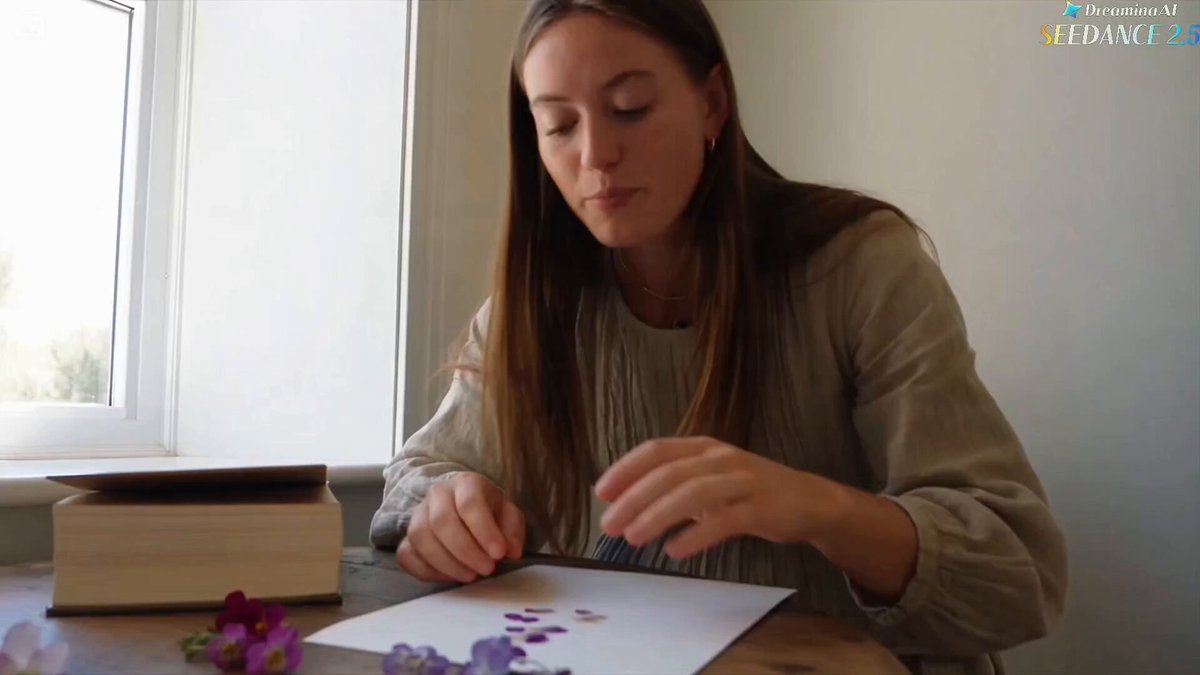
The New Creative Engine: Turning Text and Images into Video
The gap between an idea and a finished video has never been smaller. What used to require a camera crew, a location scout, and weeks of editing can now begin with a sentence and a reference image. AI video platforms have matured to the point where a writer, a marketer, or a solo creator can produce cinematic sequences without leaving their desk. The core promise is simple: you describe what you want, supply a visual anchor, and the system generates motion, lighting, and pacing that feel intentional.
But the reality is more nuanced than the marketing suggests. Getting consistently good results requires an understanding of how these systems think, how to structure prompts, and how to choose the right model for each shot. This guide walks through the entire pipeline, from a blank page to a polished sequence, with practical workflows you can apply immediately.
Why This Matters Now More Than Ever
Audiences in 2025 have been trained by streaming platforms and short-form feeds to expect movement, atmosphere, and narrative tension. Static formats struggle to hold attention. A single image can communicate a mood, but a sequence builds a world. That shift has pushed creators to look for tools that can bridge the gap between still assets and dynamic storytelling.
At the same time, content saturation means that production value is a differentiator. If your competitor publishes a flat slideshow and you publish a sequence with parallax, depth, and intentional camera movement, the comparison is immediate. AI video generation is no longer a novelty; it is becoming a baseline expectation for anyone who wants to stand out.
The economics have shifted too. Iteration is cheap. You can generate three variations of a shot before lunch, compare them, and keep the one that works. That speed changes creative decision-making: you stop guarding a single idea and start exploring possibilities.
Understanding the Model Landscape
Not all video models behave the same way. Some prioritize photorealism, others stylization, others speed. Understanding the categories helps you route each shot to the right engine.
Premium Models for Hero Shots
When a shot needs to carry emotional weight, premium models are worth the extra time. They tend to handle complex motion, realistic lighting, and detailed textures better. Think of a close-up of a character turning toward the camera, or a sweeping establishing shot of a city at dusk. These are the moments where fidelity matters, and where cheaper models often produce artifacts that break immersion.
Use premium models sparingly. Reserve them for the three to five shots that define your piece. A common mistake is to run everything through the most expensive option, which slows down the project and drains resources without improving the overall result.
Cost and Speed-Oriented Models
For drafts, transitions, and background elements, faster models are often sufficient. A quick model can generate a dozen variations of a scene transition in the time it takes a premium model to render one hero shot. This is invaluable during the exploration phase, when you are still figuring out the visual language of your project.
A practical rule: use fast models to storyboard, premium models to finalize. This keeps momentum high and ensures quality where it counts.
Specialized Models and Multi-Image Fusion
Some models excel at specific tasks: animating a single portrait, extending a scene, or blending multiple reference images into a coherent frame. Multi-image fusion is particularly powerful for character consistency. If you provide a front view and a profile view of the same character, the model can infer how they should look from other angles. This reduces the flicker and identity drift that plague longer sequences.
When planning a multi-shot narrative, gather reference images early. Even two or three consistent references can dramatically improve how your character reads across scenes.
The Director Agent: Your AI Co-Pilot
One of the most useful developments in AI video is the emergence of director-style agents. These are systems that help you plan a sequence rather than just generate isolated clips. They suggest shot composition, pacing, and narrative structure based on your input.
Composition and Scene Suggestions
A director agent might look at your script and recommend that a tense conversation be shot in close-ups with shallow depth of field, while a chase sequence benefits from wider angles and faster cuts. It can also propose camera movements: a slow push-in for revelation, a handheld feel for urgency, a static frame for unease.
These suggestions are not rules, but they shortcut the blank-page problem. You can accept, modify, or reject them, and the agent learns from your choices over time.
Narrative Structure and Continuity
Beyond individual shots, a director agent helps maintain continuity. If your protagonist wears a red jacket in scene one, the agent can flag when a later scene shows a different color. It can also track the emotional arc, suggesting where to slow down and where to accelerate.
For longer projects, this is essential. Human memory is fallible, and small inconsistencies accumulate. An agent that holds the whole story in view is like having a script supervisor on set.
Interplay with Generation Models
A director agent does not replace generation models; it orchestrates them. It might decide that a particular shot needs the realism of one engine, then hand off the prompt and references to another for animation. This division of labor lets you focus on the creative vision while the system handles the technical routing.
The key is to treat the agent as a collaborator, not an oracle. Give it clear constraints: runtime, tone, aspect ratio, and audience. The more specific your brief, the more useful its suggestions.
Building a Repeatable Workflow
Ad-hoc experimentation is fun, but repeatable results come from process. Here is a workflow that scales from a single short clip to a multi-scene narrative.
Step 1: Write the Logline and Beat Sheet
Start with one sentence that captures the core conflict or emotion. Then expand into a beat sheet: five to eight bullet points that describe the key moments. This becomes the backbone of your sequence.
For example: a scientist discovers a signal, races to decode it, realizes it is a warning, and must decide whether to respond. Each beat maps to one or two shots.
Step 2: Gather and Prepare References
Collect images that establish character, setting, and mood. These can be photos, sketches, or AI-generated stills. Consistency matters more than perfection. If your references contradict each other, the output will too.
Crop and color-correct references before feeding them in. A clean reference with consistent lighting yields cleaner animation.
Step 3: Route Shots to Models
Assign each shot to a model based on its needs. Hero shots go to premium engines. Transitions and atmospheric shots go to faster models. If a shot requires character consistency across angles, use a model with strong multi-image fusion.
Document your choices. A simple table with shot number, model, prompt, and reference notes saves hours when you need to regenerate.
Step 4: Generate, Review, Iterate
Generate multiple variations per shot. Review them against your beat sheet, not in isolation. A shot that looks beautiful but breaks the pacing is not the right shot.
Iterate in passes: first fix composition, then motion, then details. Trying to fix everything at once leads to endless tweaking.
Step 5: Assemble and Polish
Bring your clips into an editor. Add sound design, music, and color grading. Even AI-generated footage benefits enormously from a sound pass; audio cues guide the audience's attention and smooth over imperfections.
Export at the correct aspect ratio for your target platform. Vertical for social, widescreen for web, square for certain ad placements.
Prompt Engineering for Motion
Text prompts drive video generation, but they work differently than image prompts. You are describing change over time, not just a static scene.
Structure Your Prompt in Layers
Start with the subject and action, then add environment, then lighting, then camera. For example: "A lone astronaut walks across a red desert, dust swirling, low golden sunlight, slow tracking shot from the side." Each layer adds specificity without overwhelming the model.
Avoid contradictory instructions. "Fast-paced slow motion" confuses the system. Pick one intention per shot.
Use Negative Prompts Carefully
Negative prompts can help eliminate unwanted elements like text overlays or distorted faces, but overusing them can flatten the output. Use them surgically, and only when you see a recurring issue.
Match Prompt Style to Model
Some models respond better to cinematic language ("anamorphic lens flare"), others to technical language ("24mm, f/1.8, shallow depth of field"). Keep notes on what works for each engine.
From Image to Motion: Best Practices
Image-to-video is often more controllable than pure text-to-video because you are anchoring the visual. The model's job is to add believable motion.
Choose High-Quality Source Images
Start with a sharp, well-lit image. Low-resolution or noisy inputs produce muddy animation. If needed, upscale and clean up the image first.
Define the Motion Explicitly
Tell the model what should move and how. "Hair sways gently in the wind, background crowd moves in slow motion, camera slowly pushes in." Specificity prevents the model from inventing chaotic movement.
Control the Camera
Camera motion is one of the strongest tools in your kit. A slow dolly can create intimacy; a crane shot can create grandeur. Specify the movement, and if the model supports it, set the intensity.
Keep Shots Short
Longer clips tend to accumulate artifacts. Generate short shots, three to five seconds, and cut them together. This also gives you more control over pacing.
Common Pitfalls and How to Avoid Them
Even experienced creators run into the same issues. Here are the most frequent ones and their fixes.
Character Inconsistency
Fix: Use multi-image references and keep character descriptions identical across prompts. Avoid changing clothing or hairstyle details between shots.
Unnatural Motion
Fix: Simplify the action. If a character is doing too many things at once, the model struggles. Break complex actions into multiple shots.
Flickering and Texture Crawl
Fix: Reduce motion intensity, use higher-quality references, and avoid extreme zoom. Post-processing with a light noise reduction can also help.
Pacing That Feels Off
Fix: Cut on action and vary shot length. A sequence of identical-length shots feels mechanical. Mix two-second and six-second clips for rhythm.
Tool Categories You Will Need
A complete AI video workflow involves more than one tool. Here is a breakdown of the categories and what to look for.
Script and Storyboard Tools
These help you outline beats, generate shot lists, and visualize framing. Look for tools that export to common formats so you can share with collaborators.
Image Generation and Editing
You will need stills as references or as source frames. Image editors with inpainting and outpainting capabilities let you fix details before animating.
Video Generation Engines
This is the core. Choose engines based on your priority: realism, speed, stylization, or control. Many creators use two or three in combination.
Audio and Music Tools
Sound design is half the experience. AI audio tools can generate ambient tracks, foley, and voiceover. Always review for licensing and quality.
Editing and Color Grading
A standard nonlinear editor with color tools is sufficient. Look for good support for high-resolution files and proxy workflows.
Scaling Up: From Clips to Campaigns
Once you have a reliable workflow, you can scale to multiple videos per week. The key is templatization.
Build Prompt Templates
Create reusable prompt structures for recurring shot types: product close-up, landscape establishing shot, character introduction. Fill in variables like subject and setting.
Maintain a Reference Library
Organize references by project, character, and location. Tag them so you can find them quickly. Consistency across videos depends on consistent references.
Batch Generate and Review
Generate in batches, then review in a single session. Context-switching is expensive; batch similar tasks together.
Track What Works
Keep a simple log of prompts, models, and outcomes. Over time, this becomes your personal playbook, and it is more valuable than any generic guide.
Ethical and Practical Considerations
AI video raises questions about authenticity and consent. Be transparent when content is AI-generated, especially in journalistic or documentary contexts. Avoid using real people's likenesses without permission. Respect copyright when using reference images.
Practically, also consider platform policies. Some platforms require labeling of AI content. Staying compliant protects your accounts and your reputation.
Frequently Asked Questions
How long does it take to create a one-minute AI video?
With a clear beat sheet and prepared references, a one-minute sequence can be produced in a few hours, including generation and editing. Complex narratives with many hero shots take longer.
Do I need artistic skills to get good results?
Not necessarily, but visual literacy helps. Understanding composition, lighting, and pacing will improve your prompts and your editing decisions.
Can I use AI-generated video commercially?
It depends on the model and your subscription terms. Always check the license for each tool you use, and keep records of your sources.
How do I keep characters consistent across scenes?
Use multiple reference images, keep descriptions identical, and generate shots in the same session when possible. Some models offer character-locking features that help.
What is the biggest mistake beginners make?
Trying to generate everything in one pass. Breaking the work into short shots and iterating is almost always faster and produces better results.
The Road Ahead
AI video generation is evolving quickly. Expect better temporal consistency, more intuitive director agents, and tighter integration with editing suites. The creators who thrive will be those who treat these tools as collaborators, not shortcuts. They will invest in story, in references, and in iteration.
The barrier to entry is low, but the barrier to excellence is still high. That is good news for anyone willing to learn the craft. Start with a simple scene, refine your workflow, and build from there. The tools will keep improving; your storytelling instincts are what will set your work apart.
