

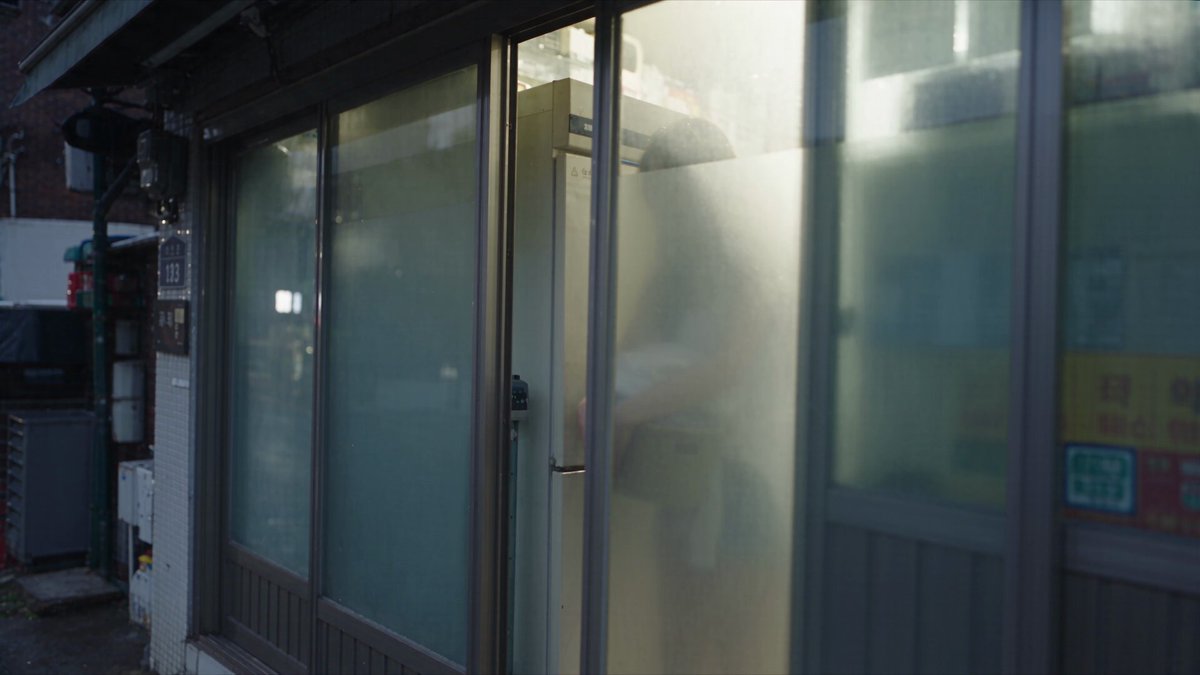
Why Shot Design Is the Hidden Bottleneck in AI Video Production
Every compelling video lives or dies by its shots. A shot is not just a camera angle; it is a unit of meaning. It tells the audience where to look, what to feel, and how much time to invest in a moment. In traditional filmmaking, shot design is a craft refined over decades: a director reads a script, breaks it into scenes, sketches a storyboard, scouts locations, blocks actors, and works with a cinematographer to choose lenses and movement. It is slow, expensive, and deeply human.
AI video generation has changed the economics of creating individual clips, but it has not automatically solved the problem of shot design. Most creators can now type a prompt and get a beautiful five-second clip. What they cannot easily do is generate twenty coherent clips that feel like they belong to the same film. Characters change faces, lighting shifts between shots, and the emotional arc collapses into a collection of disconnected visuals. The bottleneck is no longer rendering power; it is directorial intelligence.
This is where agent directors enter the picture. An agent director is an AI system that acts less like a clip generator and more like a planning partner. It reads a script or a treatment, proposes a shot list, describes framing and lens choices, maintains continuity across scenes, and then orchestrates the underlying video models to produce each shot. In practice, it turns a vague creative idea into a structured, shootable plan.
This article is a practical guide to AI-assisted shot design. It covers what agent directors actually do, how to build a workflow around them, where they still fail, and how to judge whether a tool is worth adopting. Whether you are a solo content creator, a marketing team lead, or an indie filmmaker experimenting with generative tools, the goal is the same: move from one-off clips to intentional sequences.
What an Agent Director Actually Does
The term "agent" is often used loosely in AI marketing. In the context of video production, an agent director is a software layer that combines language understanding, visual planning, and model orchestration. It typically performs four core functions.
Script and Intent Parsing
The agent begins by reading text. That text might be a full screenplay, a one-paragraph treatment, a product brief, or even a social media caption. The agent identifies key elements: characters, locations, props, actions, emotional beats, and dialogue. It also infers intent. A sentence like "She realizes the letter is gone" implies a close-up, a reaction shot, and possibly a flashback. The agent translates prose into visual grammar.
Shot List and Storyboard Generation
From that analysis, the agent proposes a sequence of shots. A well-designed agent does not simply split a scene into equal chunks. It considers coverage: wide establishing shots, medium shots for dialogue, close-ups for emotion, inserts for detail, and transitions for pacing. It may also suggest camera movement, such as a slow push-in or a handheld follow, and describe lighting and color palette. The output is a structured shot list that a human can review and edit.
Continuity Management
Continuity is the hardest part of AI video. An agent director maintains a memory of what has come before: character appearance, wardrobe, time of day, location layout, and emotional tone. When generating shot seven, it references the same character description and style settings used in shot two. This reduces the jarring inconsistencies that plague naive prompt-based workflows.
Model Orchestration
Finally, the agent chooses which video generation model or technique to use for each shot. A dynamic action sequence might benefit from a model optimized for motion. A dialogue-heavy scene might prioritize facial consistency. A stylized animation might use a different engine entirely. The agent acts as a routing layer, selecting the right tool for each job rather than forcing one model to do everything.
The Shot Design Workflow, Step by Step
Understanding the theory is useful, but the real value comes from applying it. Below is a practical workflow that works with most modern agent-director tools, though the specifics vary by platform.
Step 1: Write a Visual Treatment, Not Just a Prompt
Before touching any AI tool, write a short treatment. A treatment is a prose description of the video that emphasizes visual and emotional details. Instead of "a woman walks into a cafe," write "a woman in a mustard-yellow coat pushes open a glass door; warm morning light spills across a wooden counter; she pauses, scanning the room for someone who is not there." This gives the agent concrete visual cues: color, light, action, and subtext.
Step 2: Define Characters and Locations as Reusable Assets
Create a reference sheet for each character and location. Include age, build, hair, signature clothing, and any distinguishing features. For locations, describe architecture, time of day, weather, and dominant colors. Many agent tools allow you to save these as persistent presets. Reusing them across shots is the single most effective way to maintain visual coherence.
Step 3: Generate the Initial Shot List
Feed your treatment and asset sheet into the agent. Ask for a shot list that includes shot number, description, shot size, camera movement, and estimated duration. Review the output critically. Agents often over-generate coverage, proposing twelve shots for a scene that needs five. Trim aggressively. A good rule of thumb for a thirty-second scene is six to ten shots, depending on pacing.
Step 4: Refine Framing and Composition
For each shot, specify or approve the framing. Useful terms include wide shot, medium shot, close-up, extreme close-up, over-the-shoulder, low angle, high angle, and Dutch angle. Also consider the rule of thirds, negative space, and leading lines. If the agent suggests a flat composition, ask for a more dynamic angle. You are the director; the agent is your storyboard artist.
Step 5: Generate Storyboard Frames
Most agent directors can produce still frames for each shot before committing to video. Treat these as a cheap preview. Look for continuity errors: a jacket that changes color, a window that moves, a character who appears to age ten years between shots. Fixing these at the still stage is far faster than regenerating video.
Step 6: Produce Individual Shots
Once the storyboard is approved, generate each shot. Keep the agent's continuity settings active. If a shot fails, do not immediately rewrite the entire prompt. Isolate the problem: is it the character reference, the action description, or the camera movement? Adjust one variable at a time.
Step 7: Assemble and Review in Context
Import the clips into an editor and lay them on a timeline. Watch the sequence without music first. Does the pacing work? Are there jump cuts that feel accidental? Is the emotional beat landing on the right shot? Shot design is ultimately about rhythm, and rhythm is only visible in sequence.
Step 8: Iterate on Weak Shots
Identify the two or three shots that feel weakest. Regenerate only those. This targeted approach saves time and preserves the shots that already work. Over time, you develop an intuition for which prompts and settings produce reliable results.
Core Principles of AI-Friendly Shot Design
Agent directors are powerful, but they are not mind readers. The quality of their output depends heavily on the principles you bring to the collaboration. The following principles apply across tools and genres.
Shoot for the Edit
Every shot should have a purpose in the edit. An establishing shot sets geography. A reaction shot delivers emotion. An insert provides information. If you cannot articulate why a shot exists, cut it. AI makes it tempting to generate extra footage, but a bloated shot list produces a bloated video.
Prioritize Continuity Over Novelty
A visually consistent sequence is more convincing than a series of spectacular but unrelated images. Resist the urge to change camera style dramatically between shots unless it serves the story. Consistency in lens, color, and lighting creates a sense of place.
Use Movement Deliberately
Camera movement should motivate itself. A slow push-in builds tension. A handheld follow creates urgency. A static wide shot allows the audience to absorb a scene. If every shot moves, nothing feels dynamic. If no shot moves, the video can feel flat. Vary movement with intention.
Design for the Model's Strengths
Different video models excel at different things. Some handle human faces well but struggle with hands. Others produce beautiful landscapes but lose coherence in complex action. An agent director can route shots to appropriate models, but you should also be aware of these trade-offs when writing prompts. If a shot requires a difficult action, consider breaking it into simpler shots that the model can handle.
Keep Dialogue Simple
Lip-sync and dialogue generation remain challenging. Where possible, design scenes that rely on visual storytelling rather than complex spoken lines. If dialogue is necessary, keep it short and pair it with clear facial expressions. Consider recording voiceover separately and designing shots that support it.
Choosing an Agent Director: Evaluation Criteria
Not all agent directors are created equal. When evaluating a tool, look beyond the demo reel and ask practical questions.
Continuity Controls
Does the tool let you save character and location presets? Can you lock a style across multiple shots? Does it remember context from earlier in the project? Strong continuity controls are the clearest sign of a mature product.
Shot List Transparency
Can you see and edit the shot list before generation? A good tool treats the shot list as a first-class object, not a hidden intermediate step. Editability is essential because no agent understands your creative intent perfectly.
Model Flexibility
The best agent directors are not locked to a single video model. They can route shots to different engines based on the needs of the scene. This flexibility future-proofs your workflow as new models emerge.
Collaboration Features
If you work with a team, look for commenting, versioning, and approval workflows. Shot design is often a collaborative process, and tools that support review cycles save significant back-and-forth.
Export and Integration
Can you export the shot list as a spreadsheet or PDF? Can you send storyboard frames to an editor? Integration with existing post-production tools reduces friction and makes the agent a genuine part of your pipeline rather than a standalone toy.
Common Pitfalls and How to Avoid Them
Even with a good agent director, things go wrong. Here are the most common pitfalls and practical fixes.
Character Drift
Character drift occurs when a character's appearance changes gradually across shots. It often starts subtly and becomes obvious by the fifth or sixth shot. The fix is to use persistent character references and to regenerate early shots if drift appears later. Some tools allow you to use a single reference image across all shots, which dramatically reduces drift.
Inconsistent Lighting
Lighting inconsistency usually stems from vague prompts. Instead of "a bright room," specify "warm morning sunlight from a window on the left, soft shadows, golden hour color palette." The more specific your lighting description, the more consistent the results.
Overcomplicated Prompts
New users often write long, contradictory prompts that confuse the model. An agent director helps by structuring prompts, but you can still overload a single shot. Keep each shot focused on one primary action and one primary visual idea. Complexity belongs in the sequence, not in a single frame.
Ignoring Aspect Ratio and Delivery Format
A shot designed for a vertical social format will not work in a widescreen film. Decide your delivery format before designing shots. Vertical formats favor close-ups and single subjects; widescreen formats favor wide shots and layered compositions.
Neglecting Sound Design
Shot design does not exist in silence. A cut that feels abrupt may work perfectly with a sound effect. A slow shot may need ambient audio to feel alive. Consider sound early, even if you are only generating visuals.
A Realistic Example: A Thirty-Second Product Story
To make this concrete, imagine a thirty-second video for a fictional skincare brand. The goal is to tell a small story: a woman rediscovers a sense of calm during a busy day.
The agent director receives a treatment describing a modern apartment, morning light, and a moment of stillness. It proposes the following shot list: a wide shot of a cluttered desk, a medium shot of the woman rubbing her temples, a close-up of a product bottle on a shelf, a close-up of her hands opening the bottle, a medium shot of her applying the product, a wide shot of her standing by a window, and a final close-up of her face relaxing.
Before generating video, the agent produces storyboard frames. You notice the woman's hair color changes between shot three and shot five. You fix the character reference and regenerate those frames. You also decide that the wide shot of the desk is unnecessary and cut it, tightening the pacing.
When generating video, the agent routes the close-ups to a model optimized for faces and the wide shots to a model optimized for environments. The result is a sequence that feels intentional rather than assembled from random clips. A voiceover recorded separately ties the shots together, and subtle ambient sound fills the gaps.
This example illustrates the core value of an agent director: it does not replace your creative judgment, but it handles the tedious planning and coordination that makes coherent video possible.
The Future of AI Shot Design
Agent directors are evolving quickly. Several trends are worth watching.
First, real-time collaboration is becoming more common. Teams will be able to edit shot lists and storyboards simultaneously, with changes reflected instantly. Second, multimodal inputs will expand. Instead of writing a treatment, you might hum a melody, sketch a rough frame, or point to a reference image, and the agent will interpret your intent. Third, continuity will improve dramatically as models develop better memory and identity preservation. Fourth, we will see more specialized agents for different genres, such as documentary, action, or animation, each with its own directorial heuristics.
For creators, the practical implication is clear: the ability to design shots systematically will become a core skill. Prompt writing alone is not enough. The people who thrive will be those who understand story structure, visual grammar, and how to collaborate with an AI that thinks in shots.
Frequently Asked Questions
What is an agent director in AI video production?
An agent director is an AI system that plans and coordinates video shots. It parses a script or treatment, proposes a shot list, manages continuity, and routes each shot to an appropriate generation model. It acts as a planning layer above individual video tools.
Do I need an agent director to make AI videos?
No, you can generate individual clips with a simple prompt. However, if you want a sequence of shots that feel coherent and intentional, an agent director saves time and improves consistency.
How do I maintain character consistency across shots?
Use persistent character references whenever possible. Describe characters with specific, unchanging details such as hair color, clothing, and distinguishing features. Regenerate early shots if you notice drift later in the sequence.
Can agent directors handle dialogue and lip-sync?
Some can, but dialogue remains one of the hardest challenges in AI video. For best results, keep spoken lines short, use clear facial expressions, and consider recording voiceover separately.
What should I look for when choosing a tool?
Prioritize continuity controls, shot list transparency, model flexibility, collaboration features, and export options. A tool that lets you edit the shot list and reuse character presets will be far more useful than one that only generates clips.
How long does it take to design a shot list with AI?
For a short video, an agent director can propose a shot list in minutes. Refining it, generating storyboards, and producing final shots typically takes a few hours depending on complexity and the number of iterations.
Will AI replace human directors?
AI is better understood as a collaborator than a replacement. It handles planning, coordination, and repetitive tasks, but creative judgment, taste, and emotional insight remain human responsibilities. The most effective workflows combine both.
Conclusion: From Clips to Cinema
The shift from generating isolated clips to designing coherent sequences is the defining challenge of AI video production. Agent directors offer a practical solution by bringing structure, continuity, and orchestration to the creative process. They do not remove the need for human direction; they amplify it by handling the tedious work of planning and coordination.
Start small. Write a treatment, define your characters, and let an agent propose a shot list. Review it critically, generate a storyboard, and produce your shots one by one. Pay attention to continuity, pacing, and sound. Iterate on the shots that feel weak. Over time, you will develop a workflow that turns vague ideas into polished, intentional video. The tools will keep improving, but the principles of good shot design remain constant: every shot should earn its place, and every sequence should tell a story worth watching.
