

Why AI Video Models Are Reshaping Short-Form Content
Short-form video has become the dominant currency of the digital economy. Instagram Reels and TikTok are no longer just entertainment feeds; they are critical channels for marketing, brand building, and audience growth. In this landscape, the ability to produce high-quality, novel visuals at speed separates creators who break through from those who get lost in the noise.
The current environment is defined by content saturation and an escalating demand for visual novelty. Viewers expect studio-grade quality generated in seconds. Algorithmic updates consistently favor engaging, innovative formats, which means mastering AI video creation is no longer optional for serious short-form creators. It is a core competency.
This guide explores the best AI video models for viral Reels and TikToks, compares their strengths, and outlines practical workflows that turn raw ideas into scroll-stopping videos. You will learn how to choose the right model for each job, how to maintain character and scene consistency across clips, and how to structure a production pipeline that keeps pace with platform trends.
Understanding the AI Video Generation Landscape
The AI video generation space has matured rapidly. What began as experimental text-to-video demos has become a diverse ecosystem of models optimized for different priorities: photorealism, motion coherence, stylistic control, speed, and cost-efficiency. For short-form creators, this diversity is an advantage. It means you can match a model to a specific creative goal rather than forcing one tool to handle every task.
Several architectural trends define the current generation of models. Diffusion-based approaches produce highly detailed frames but can struggle with temporal consistency. Transformer-based architectures handle longer sequences and complex motion better. Hybrid systems combine both to balance quality and coherence. Meanwhile, latent-space video models reduce computational overhead, enabling faster generation suitable for high-volume production.
Understanding these differences matters because viral short-form video demands specific qualities: immediate visual impact in the first second, smooth motion that holds attention, and enough novelty to stand out in a crowded feed. A model that excels at cinematic landscapes may not be the best choice for a talking-head skit, and vice versa.
What Makes a Video Model Good for Viral Short-Form
Not every impressive AI video model is suited to Reels and TikTok. Viral short-form content has unique requirements that separate a technically impressive demo from a platform-ready asset.
Speed and Iteration
Viral trends move fast. A model that takes twenty minutes to generate a five-second clip cannot keep up with a format that peaks and fades within days. Fast generation enables rapid iteration, which is essential for testing hooks, variations, and visual styles. When you can generate ten versions of an opening shot in the time it used to take to render one, your odds of finding a scroll-stopper improve dramatically.
Motion Coherence
Short-form viewers have low tolerance for visual glitches. Warping faces, melting objects, and inconsistent lighting break immersion instantly. The best models for Reels and TikTok maintain coherent motion across the full clip, especially during camera movement and subject interaction.
Aspect Ratio and Framing
Vertical video is the native format. Models that support 9:16 aspect ratios natively produce better compositions than those that require cropping from widescreen. Native vertical support also means framing decisions are made during generation, not as an afterthought, resulting in more intentional compositions.
Stylistic Range
Viral content thrives on novelty. A model that can toggle between photorealistic, anime, claymation, and retro film styles gives creators the flexibility to match a trend's aesthetic or invent a new one. Stylistic range is a creative multiplier.
Audio Integration
Sound drives short-form engagement. Models that generate or synchronize audio with video reduce post-production friction and improve the likelihood of a clip being watched with sound on, which is how most viral content is consumed.
Premium Video Generation Models: Quality and Control
Premium models sit at the top of the quality hierarchy. They are designed for creators who need cinematic fidelity, precise control, and reliable consistency. These models typically offer advanced features such as camera control, motion brushes, and multi-shot generation.
Character and Scene Consistency
One of the hardest problems in AI video is keeping a character looking the same across multiple clips. Premium models address this through reference-image conditioning, identity preservation, and latent consistency mechanisms. For creators building serialized content, such as a recurring character in a skit series, this capability is transformative. It allows a coherent narrative to unfold across multiple Reels without the audience noticing visual drift.
Advanced Camera and Motion Control
Camera movement is a storytelling tool. Premium models let creators specify dolly moves, pans, zooms, and tracking shots. Motion brushes allow precise control over which elements move and how. These features transform AI video from a slot machine into a directable medium.
Multi-Shot Narratives
Some premium models support generating multiple connected shots from a single prompt or storyboard. This is invaluable for short-form storytelling, where a thirty-second Reel might contain five or six distinct shots. Multi-shot generation maintains visual continuity across cuts, producing a more professional result than stitching together independently generated clips.
Market-Leading Models and Their Signatures
Several models have established themselves as leaders, each with a distinct signature. Understanding these signatures helps creators choose the right tool for each project.
Cinematic Photorealism
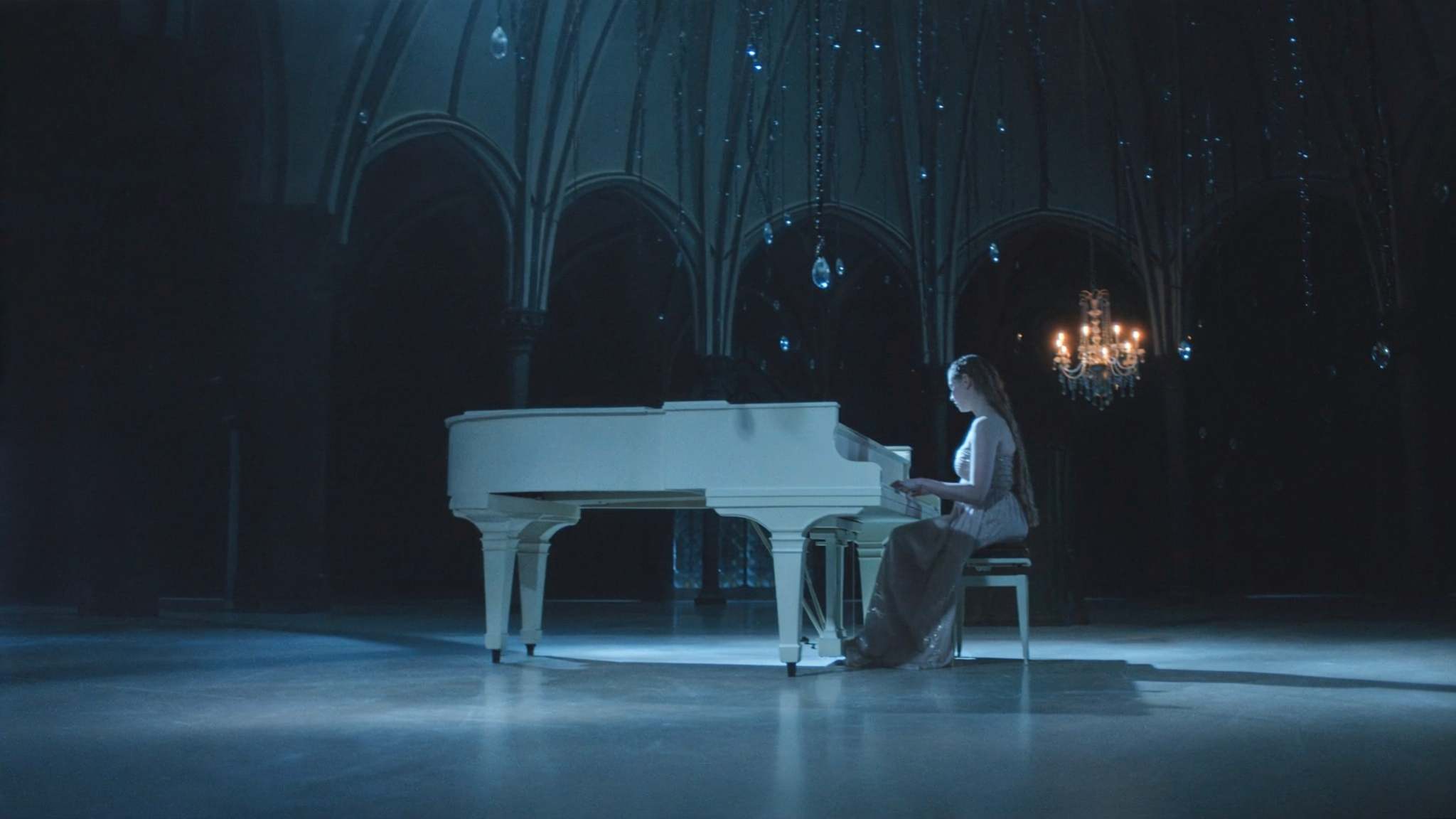
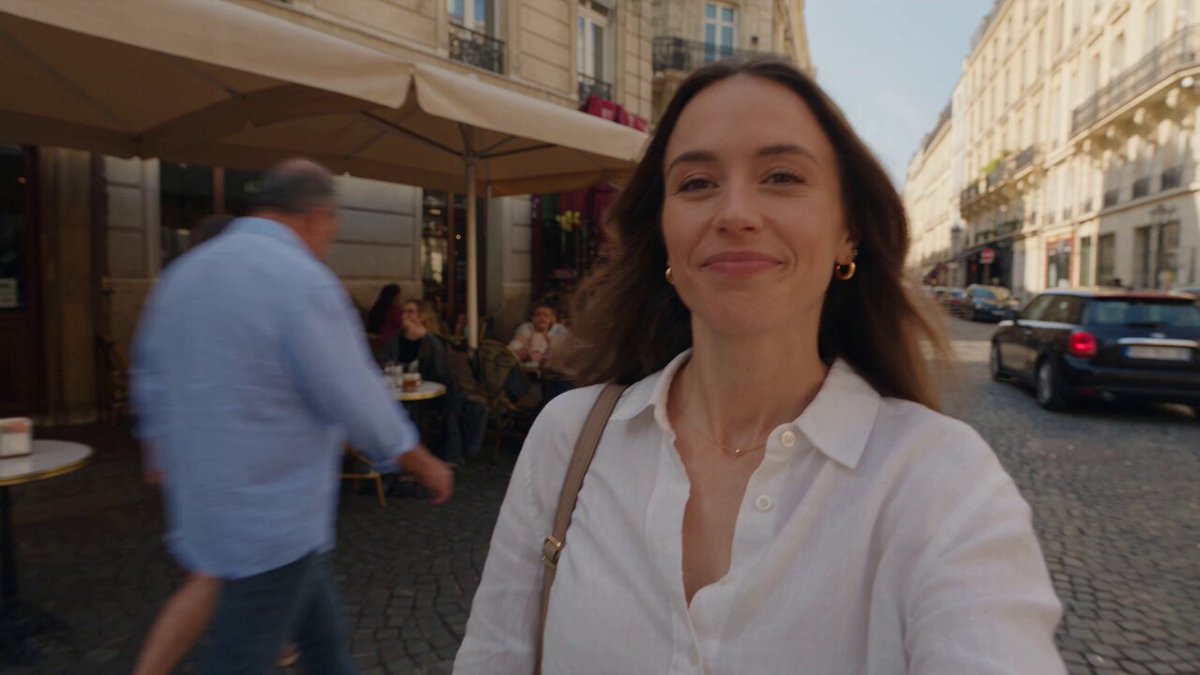
Some models specialize in producing footage that looks indistinguishable from camera-captured content. They excel at natural lighting, realistic skin textures, and believable physics. These are ideal for product showcases, lifestyle content, and any format where authenticity drives engagement.
Stylized and Animated Aesthetics
Other models shine in stylized output: anime, illustration, 3D render, and painterly looks. These models are perfect for creators targeting niche communities, meme formats, or branded content that benefits from a distinctive visual identity. Stylized models often produce more visually arresting thumbnails, which directly impacts click-through and watch time.
Motion-First Models
A third category prioritizes dynamic movement: fast action, complex choreography, and energetic transitions. These models suit dance trends, sports content, and high-energy edits where motion itself is the hook.
Affordable Models for High-Volume Production
Not every clip needs to be a masterpiece. High-volume creators often need to produce dozens of variations to find the one that hits. Affordable models enable this experimentation without prohibitive cost. They may sacrifice some resolution or fine detail, but for many short-form formats, speed and volume matter more than pixel-perfect fidelity. The smartest creators build a tiered workflow: affordable models for ideation and testing, premium models for final production.
AI Director Agents and Creative Coherence
A significant development in AI video creation is the emergence of director-style agents. These systems go beyond single-shot generation to handle composition, narrative structure, and workflow orchestration.
Automated Scene Composition
Director agents can analyze a script or concept and propose shot lists, camera angles, and pacing. They automate the pre-production work that traditionally consumed hours of planning. For short-form creators working alone, this is like having a virtual crew member who handles storyboarding and shot planning.
Narrative Structure Automation
Beyond individual shots, director agents help structure a complete narrative arc. They understand that a viral Reel needs a hook in the first second, rising tension or curiosity, and a payoff or call to action. By automating this structure, they reduce the cognitive load on creators and help maintain consistency across a content series.
Workflow Optimization from Concept to Publish
The most valuable director agents integrate the entire pipeline: ideation, generation, editing, and export. This reduces the friction of moving between disconnected tools and shortens the time from concept to publish. In a world where trend cycles last days, this speed advantage is decisive.
Building a Model Library for Viral Diversity
Relying on a single model limits creative range. The most successful short-form creators build a personal library of models, each suited to different tasks. This section outlines how to construct and use such a library effectively.
Consistency and Control Specialists
Some models are specifically engineered for consistency and control. They excel at maintaining subject identity, respecting composition instructions, and producing predictable results across iterations. These models are the backbone of serialized content and branded campaigns where visual consistency is non-negotiable.
Diversity as a Viral Strategy
Viral content is, by definition, novel. A creator who uses the same model with the same settings for every post will eventually produce visually repetitive content. By rotating between models with different signatures, creators introduce natural variation that keeps their feed fresh. A feed that surprises viewers is a feed that retains them.
Matching Models to Content Types
A practical approach is to map models to content types. Product demos might use a photorealism specialist. Meme content might use a stylized model. Dance and action content might use a motion-first model. Educational content might use a model with strong text and diagram capabilities. Building this mapping saves decision time and ensures each piece of content is generated with the right tool.
A Practical Workflow for Viral Reels and TikToks
Theory is useful, but execution wins. Here is a concrete workflow that combines multiple models and techniques into a repeatable production pipeline.
Step 1: Trend Research and Hook Ideation
Start by identifying current trends. Look at trending sounds, formats, and visual styles. The goal is not to copy but to understand what the audience is currently receptive to. From this research, generate five to ten hook ideas. A hook is the first one to two seconds of the video, and it determines whether the rest gets watched.
Step 2: Scripting for the Short-Form Ear
Short-form scripts are different from traditional video scripts. They are tighter, more conversational, and built around a single idea. Write the script with visual cues in mind, noting where shots should change, where text overlays should appear, and where the payoff lands. Keep it under thirty seconds for maximum completion rate.
Step 3: Model Selection and Shot Planning
Match each shot to a model. A talking-head segment might use a model with strong facial consistency. A B-roll nature shot might use a cinematic photorealism model. A stylized transition might use an animated model. Plan the shots and their models before generating anything, so the final edit has visual coherence.
Step 4: Generation and Rapid Iteration
Generate multiple variations of each shot. Do not settle for the first output. Evaluate each variation against criteria: does it hook in the first second? Is the motion coherent? Does it match the intended style? Select the best and move on. This iterative loop is where AI video creation becomes a creative act rather than a button press.
Step 5: Editing, Sound, and Text
Assemble the selected clips in an editor. Add sound design, music, and text overlays. Sound is not an afterthought; it drives retention. Ensure the audio syncs with visual beats, and use text overlays to reinforce key messages for viewers watching without sound.
Step 6: Export, Publish, and Analyze
Export in vertical format with platform-appropriate settings. Publish and then analyze performance. Pay attention to watch time, rewatches, and shares. These metrics reveal which hooks and styles resonated, informing the next round of content.
Avoiding Common Pitfalls in AI Video Creation
Even with strong models and a solid workflow, creators fall into predictable traps. Recognizing these pitfalls saves time and improves output quality.
Over-Reliance on a Single Model
Using one model for everything leads to visual monotony. Rotate models to keep content fresh and match each shot to the best tool.
Ignoring the First Second
Many AI-generated videos open with a slow establishing shot. This is fatal for short-form. Start with motion, a striking visual, or a question. The hook must be immediate.
Neglecting Audio
Silent video underperforms on Reels and TikTok. Even simple sound design or a trending audio track dramatically improves performance. Generate or synchronize audio whenever possible.
Inconsistent Character Appearance
If a series features a recurring character, consistency is crucial. Use models with identity preservation features and reference images to maintain a coherent look across episodes.
Chasing Every Trend
Not every trend fits every brand. Chasing trends that do not align with your content identity can confuse your audience. Select trends that can be adapted to your style rather than copying them wholesale.
Future Trends in AI Video for Social Platforms
Looking ahead, several developments will shape AI video creation for Reels and TikTok.
Real-Time Generation
As models become faster, real-time or near-real-time generation will enable live content creation, interactive videos, and responsive formats. Creators will be able to generate clips on the fly during live streams.
Personalized Video at Scale
AI will make it possible to generate personalized variations of a video for different audience segments. A single campaign could produce hundreds of tailored versions, each optimized for a specific viewer profile.
Deeper Platform Integration
Platforms may integrate AI generation directly into their creation tools, reducing friction and enabling native AI-first formats. Creators who understand model capabilities will be best positioned to exploit these integrations.
Higher Fidelity at Lower Cost
Competition among model providers continues to drive down costs while improving quality. This democratization means more creators can produce high-end content, raising the bar for everyone.
Frequently Asked Questions
What is the best AI video model for TikTok and Reels?
There is no single best model. The right choice depends on your content type. Photorealism models suit product and lifestyle content, stylized models suit meme and niche content, and motion-first models suit dance and action formats. Many creators use a combination.
Can AI-generated videos go viral?
Yes. AI-generated videos regularly achieve high engagement when they deliver novelty, strong hooks, and coherent motion. The technology is a tool; the creative execution determines virality.
How do I keep characters consistent across multiple videos?
Use models with identity preservation features and provide reference images. Keep prompts consistent and avoid drastic changes in lighting or angle between clips featuring the same character.
Do I need premium models to create viral content?
Not necessarily. Affordable models can produce viral content, especially for formats where speed and novelty matter more than cinematic fidelity. A tiered workflow using both affordable and premium models is often the most effective approach.
How long should an AI-generated Reel or TikTok be?
For maximum completion rate, aim for fifteen to thirty seconds. Shorter videos are more likely to be watched fully, which signals quality to platform algorithms.
Can I use AI video for brand marketing?
Absolutely. Many brands use AI video for product showcases, campaign content, and social engagement. Consistency and brand alignment are key considerations when selecting models and styles.
Conclusion
The AI video landscape offers unprecedented opportunities for short-form creators. By understanding the strengths of different models, building a tiered workflow, and focusing on hooks, motion coherence, and audio, you can produce Reels and TikToks that compete for attention and win. The tools will continue to evolve, but the principles of viral short-form content remain constant: capture attention immediately, hold it with coherent motion and sound, and deliver a payoff that rewards the viewer. Master these principles, and the models become multipliers for your creativity rather than replacements for it.
