

Local Influencer Video Marketing: A Cross-Platform Playbook
Nov 6, 2026
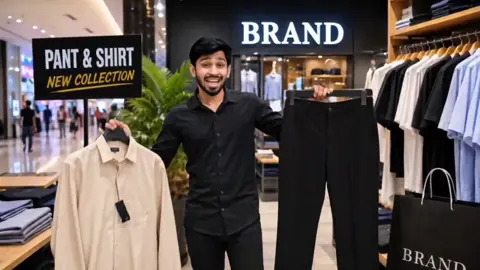
Local influencer video works because it feels like a recommendation from someone who lives nearby, shops in the same places, and understands the same daily frustrations. That sense of proximity changes how viewers process a message. A polished national ad can build awareness, but a familiar local creator often moves people from passive scrolling to a saved post, a direct message, or a store visit. The challenge is turning that trust into a repeatable cross-platform system rather than a series of one-off collaborations.
This guide outlines a practical workflow for planning, producing, distributing, and measuring local influencer video across short-form, long-form, and live formats. It treats AI as a production assistant that improves consistency and speed while keeping the creator's voice and local knowledge at the center. The goal is not to automate authenticity. The goal is to remove friction so authentic content can appear more often, in more formats, without losing the details that make it credible.
Why Local Influencer Video Works Differently
Local creators operate inside a tighter feedback loop. Their audience may recognize the street in the background, the café on the corner, or the way a product fits into a weekend routine. Those details function as proof. They reduce the mental distance between a viewer and a purchase decision. When a creator says a service was easy to book, viewers can check whether the location is convenient. When a creator demonstrates a product in a small apartment, the demonstration feels more applicable than a staged studio shot.
National campaigns usually optimize for broad reach. Local campaigns can optimize for relevance. A video with twenty thousand views from a defined region may produce more useful outcomes than a viral clip with scattered geography. This is why local influencer programs should be judged on fit, completion, saves, replies, and real-world actions rather than reach alone. The content also tends to perform better when it includes specific, non-generic observations: parking is easy after six, the weekend queue moves quickly, the medium size fits a small fridge, or the staff explains the return policy clearly.
Short-form platforms reward this specificity because their recommendation systems test content against narrow interest signals. A video that speaks directly to a local problem can travel farther within that community than a generic brand message. Long-form video adds room for demonstration and context, while live formats create immediate question-and-answer value. A coordinated program uses each format for a different job: short video earns attention, long video builds consideration, and live video resolves hesitation.
Map the Local Audience Before Choosing Creators
Most weak influencer campaigns begin with a creator list instead of an audience map. Build the map first. Define the geographic area, the languages and dialects in use, the moments when people are most receptive, the platforms they open by habit, and the objections that slow down a purchase. A regional home services company may need to address trust in pricing and punctuality. A local fashion boutique may need to show fit on different body types and explain its return policy. A restaurant may need to communicate portion size, wait times, and dietary options.
Turn those notes into a simple content matrix. One column lists audience questions. Another lists the proof needed to answer each question. A third lists the creator profile best suited to deliver that proof. This prevents the common mistake of asking every creator to say the same thing. It also gives the production team a clear reason for each asset. If a question cannot be linked to a useful video, it probably does not need to be produced.
Include platform behavior in the map. Some audiences discover through short video, check reviews on a map listing, then visit a website. Others discover through a live session and purchase through direct messages. The path is rarely linear. Map the likely handoff points so the video includes the right next step, whether that is a profile link, a pinned comment, a save-worthy checklist, or a simple instruction to call during business hours.
Select Creators on Trust Signals, Not Follower Count
A large following is a distribution asset, not proof of influence. Local campaigns need creators whose audience actually lives in the target area and responds as if the creator is a known neighbor. Review several signals together rather than relying on a single number.
Engagement quality and comment sentiment
Look beyond likes. Are comments asking specific questions? Are people tagging friends who live nearby? Does the creator reply with useful details rather than generic emojis? A smaller account with active conversations often outperforms a larger account with passive applause. Read recent comments for signs of trust, skepticism, and repeat viewership. Also check whether the creator has a habit of disclosing partnerships clearly. Transparent disclosure protects the brand and tends to improve audience response over time.
Niche fit and local credibility
A creator does not need to be a professional reviewer, but they should have a believable reason to use the product. A parent demonstrating a family meal kit, a commuter testing noise-cancelling headphones, and a small-business owner explaining an invoicing tool each bring different proof. Local credibility comes from lived context, not from mentioning a neighborhood once. Watch a few recent videos and ask whether the creator's normal content style can accommodate the product without feeling forced.
Production reliability and brand safety
Assess whether the creator can deliver clear audio, steady framing, and usable footage. Review past sponsored work for missed deadlines or vague deliverables. Agree on disclosure, content boundaries, approval steps, and asset usage before production begins. A creator who is excellent on camera but unreliable with files can slow an entire campaign. A simple test project is often wiser than a long contract with an unknown partner.
Micro-influencers are particularly useful for local trust because their audiences tend to be tighter and more conversational. Mid-tier creators can add reach and production polish. A blended roster usually works best: a few trusted micro-creators for depth, one or two larger voices for awareness, and a handful of customer-creators for authentic follow-up content.
Design a Cross-Platform Video System
The same idea should not be copied mechanically from one platform to another. Build a system in which each format has a clear role and a native rhythm.
Short-form: TikTok, Reels, and Shorts
Short-form video needs a fast, concrete opening. Start with the problem, the visual surprise, or the local detail that makes the viewer pause. Demonstrate the product in use within the first few seconds. Keep captions readable and avoid covering key visuals with interface elements. Plan a loop or a final question that encourages comments. For local campaigns, include a recognizable place or routine without turning the video into a tourism montage. The most useful short videos answer one question well: does this fit, does it work, is it worth the trip, or what should I order?
Long-form: YouTube and owned video pages
Long-form content gives the creator room to test, compare, explain, and show the after-use experience. Structure the video around a real decision. For example, compare two service tiers, show a full setup, or document a week of use. Use chapters, a clear thumbnail concept, and a first minute that states the value. Long-form assets can also be repurposed into short clips, help-center embeds, and sales follow-ups. The mistake is treating long-form as a stretched ad. It should feel like a useful demonstration with a point of view.
Live and responsive formats
Live video works when the audience has questions that benefit from immediate answers. A local bakery could run a short live session on custom orders. A fitness studio could answer questions about beginner classes. A home repair service could review common maintenance issues. Promote the session with short clips, prepare a few demonstration props, and assign a moderator to collect questions. Save the session and cut the best answers into follow-up clips. Responsive content also includes comment-reply videos, duets, and quick corrections when the audience raises a legitimate concern.
Use AI as a Production Partner, Not a Replacement
AI is most useful when it handles repetitive production work and leaves judgment, local knowledge, and on-camera trust to humans. Use it to draft shot lists, generate caption variants, clean audio, create rough cuts, translate subtitles, and repurpose long recordings into short clips. These tasks save time without pretending that a synthetic voice understands the neighborhood.
A sensible AI workflow begins with a human brief. The creator or strategist defines the audience question, the proof to show, the moments that must remain untouched, and the claims that need review. AI can then suggest hooks, organize b-roll, or propose a caption structure. A human editor checks the result for accuracy, tone, and cultural fit. This review step is essential. Local humor, slang, and references can be mangled by generic generation. A sentence that sounds natural in one city may feel forced or confusing in another.
Use AI-generated voice or avatars carefully. They can be useful for internal drafts, accessibility versions, or clearly labeled explainers, but they should not replace a creator's testimonial unless the audience understands exactly what they are watching. Trust is the core asset in local influencer video. Anything that creates doubt about who is speaking or whether the experience is real can damage the campaign. Keep disclosure clear, preserve original recordings, and store final project files so future edits do not depend on a single tool.
Build a Repeatable Workflow from Brief to Delivery
A consistent workflow reduces chaos without making every video look the same. It also helps creators understand what is flexible and what is non-negotiable.
Brief, script, and shot list
Write a one-page brief with the audience question, the single takeaway, mandatory disclosures, product facts, visual proof, and the desired next step. Avoid writing a word-for-word script unless the creator prefers one. Instead, provide talking points and a shot list. For a local retail collaboration, the shot list might include the storefront, the product close-up, a fitting or试用 moment, the checkout counter, and a short reaction. For a service, it might include booking, arrival, the work itself, and the follow-up. Specific shots make editing easier and help the creator deliver usable coverage.
Capture and edit
Record clean audio first. Viewers forgive simple visuals more easily than muddy sound. Capture vertical and horizontal versions when possible, or plan a reframe strategy before the shoot. Shoot extra b-roll of hands, feet, signage, and environment details. These inserts make short videos feel grounded and give editors flexibility. During editing, remove filler, front-load the payoff, and keep on-screen text short. Use consistent caption styling but adapt placement to each platform's interface.
Localization and versioning
Create a versioning plan before editing begins. You may need a 9:16 cut, a 16:9 cut, a square crop, a captioned version, a silent-proof version, and a short teaser. AI tools can help generate subtitles and rough social cuts, but a human should check names, prices, locations, and disclaimers. If the campaign covers multiple neighborhoods, avoid claiming that one local detail applies everywhere. Version the opening and closing details rather than changing the entire story.
Coordinate Distribution and Creator Collaboration
Distribution is part of production. Agree on posting windows, caption requirements, disclosure language, tagging rules, and comment-handling responsibilities. Some creators prefer to publish from their own accounts because native posts preserve trust and platform reach. Others provide raw files for brand channels. Decide this early and document usage rights, paid amplification permissions, and the length of time assets can remain live.
Use a shared calendar that shows shoot dates, edit deadlines, approval windows, post dates, and follow-up cuts. Leave room for comments and questions. If a creator's audience asks about availability, pricing, or delivery, the brand should be ready to respond quickly. Slow replies waste the attention created by the video. A simple response library can help without making replies sound robotic.
Paid amplification can extend strong organic posts, but it should not rescue weak creative. Boost content that already shows saves, shares, or meaningful replies. Use location and interest targeting to keep the message relevant. When multiple creators publish similar content, vary the hooks and proof points so the audience does not see the same ad repeated by different faces. Treat each creator as a distinct voice, not a duplicate billboard.
Measure Outcomes Beyond Views
Views are a starting point, not a verdict. Build a measurement plan around the action the video is supposed to produce. For awareness, track reach, three-second hold rate, completion rate, and brand-search lift. For consideration, track saves, shares, profile visits, comments with questions, and clicks to a booking or menu page. For conversion, use promo codes, dedicated landing pages, direct-message keywords, or call tracking where appropriate. Local businesses can also compare in-store mentions, reservation notes, and foot traffic patterns during the campaign window.
Create a simple dashboard that separates platform metrics from business metrics. Review early signals after the first few posts, but do not overreact to a single video. Look for patterns across creators: which hooks hold attention, which demonstrations answer questions, and which calls to action produce saves or replies. Ask creators for qualitative feedback as well. They often know which comment themes are emerging before the analytics show it.
Incrementality matters. If a campaign runs during a seasonal peak, compare results with a similar period or a nearby area when possible. Use holdout groups for paid amplification when the budget allows. The most useful report explains what changed in audience behavior, not just how many people watched. A short video that generates twenty qualified booking inquiries may be more valuable than a larger clip that generates applause but no next step.
Avoid Common Local Campaign Mistakes
One common mistake is writing national copy and asking local creators to personalize it. That approach usually sounds like an ad read. Another is choosing creators solely by follower count, then discovering that their audience is far outside the target area. A third is overproducing the content. Local video can be polished, but it should not lose the texture that made the creator believable in the first place.
Other frequent problems include stacking too many messages into one video, ignoring comment sections, using the same edit on every platform, and failing to secure usage rights before boosting a post. Some teams also forget accessibility. Clear captions, readable contrast, and spoken descriptions of key visuals help more people understand the message. Finally, avoid treating a creator as a one-time vendor. Longer-term relationships produce better recognition and more natural integration, provided the partnership remains transparent and the creator retains creative room.
FAQ
How many local creators should a small campaign start with?
Start with three to five creators who reach the same local audience in different ways. This gives you enough variety to learn which hooks and proof points work without creating an unmanageable production schedule. Add creators only after the brief, review, and distribution process feels stable.
Should local influencer videos be scripted?
Use talking points and a shot list rather than a rigid script. The creator needs room to speak naturally, but the brand needs to ensure key facts, disclosures, and demonstrations are included. Review the outline together and allow improvisation within clear boundaries.
How can AI improve local video production without hurting authenticity?
Use AI for repetitive supporting tasks such as transcription, caption variants, rough cuts, clip selection, and subtitle translation. Keep the creator's real voice, local references, and on-camera demonstration at the center. Always review generated claims, names, prices, and cultural details before publishing.
What is the best platform for local influencer marketing?
There is no universal winner. Choose the platform where the target audience already discovers and discusses local options. A visual product may thrive on short-form video, a complex service may need long-form demonstration, and a time-sensitive offer may benefit from live Q&A. A coordinated mix often works better than a single-channel bet.
How long should a local creator partnership last?
A single post can test fit, but repeated collaborations usually build stronger recognition. Consider a short series of three to six posts across several weeks, with a review after each cycle. Longer relationships can work well when the creator genuinely uses the product and the audience continues to show interest.
What should be measured first?
Measure the action closest to the business goal. For a new local business, profile visits, saves, and direction requests may matter most. For a restaurant, reservations and menu clicks may lead. For a service, qualified messages and booked calls are stronger signals than raw views. Pair those metrics with completion and share rates to understand creative quality.

Alexander
More Blogs
Read MoreFrom Text to Short Film: A Practical AI Video Workflow
Learn how to turn a written idea into a polished short film with AI video tools: scripting, model choice, shot consistency, sound design, and editing.
AI Transcription and Seamless Video Editing Workflows
Learn how AI transcription enables text-based editing, faster reviews, accessibility, and reliable post-production workflows from rough cut to final delivery.
Photorealistic AI Video Production: A Practical Workflow Guide
Learn a repeatable workflow for photorealistic AI video: model selection, shot planning, prompt design, continuity, audio, and quality control.