

Why Video SEO Matters More Than Ever
Search engines have changed. They no longer rely solely on titles, descriptions, and tags to understand what a video is about. Modern algorithms analyze visual context, audio narratives, on-screen text, and user engagement signals to decide which videos deserve visibility. For creators and marketers, this shift means that a thoughtful video SEO strategy is no longer optional — it is the foundation of discoverability.
Video content has become the dominant format for storytelling, education, and entertainment. Audiences expect high-quality visuals, clear audio, and relevant information delivered quickly. At the same time, competition for attention is fierce. A video that is not optimized for search may never reach the people who would benefit from it, no matter how well-produced it is.
This guide explains how to build a modern video SEO strategy that aligns with how search engines and platforms actually work today. It covers metadata optimization, AI-assisted production, short-form vertical video, multi-language adaptation, and measurement. You will also find practical workflows, tool-agnostic recommendations, and a troubleshooting section to help you avoid common mistakes.
How Search Engines Understand Video Today
Contextual AI and Visual Understanding
Search engines now use multimodal AI models that process video frames, audio transcripts, and on-screen elements simultaneously. Instead of matching keywords in a description, they infer topics from what actually happens in the video. For example, a clip showing someone assembling a piece of furniture will be categorized as a tutorial even if the description is minimal. This means your visuals and spoken words carry as much SEO weight as your metadata.
To benefit from this, ensure your video content is clear, focused, and well-lit. Avoid cluttered backgrounds that confuse object recognition. If you use text overlays, keep them readable and relevant to the topic. Spoken content should be transcribed accurately, either through automatic captions or manual review. Search engines reward coherence between what viewers see, hear, and read.
Generative Video Technology and Relevance Scoring
Generative AI tools are now used to create and edit video content at scale. They can produce synthetic B-roll, generate voiceovers, and even create entire scenes from text prompts. Search engines have adapted by evaluating the authenticity and originality of AI-generated content. Videos that are clearly templated or repetitive may be ranked lower than those that show genuine creative input.
To stay ahead, use generative tools as assistants rather than replacements for your creative vision. Combine AI-generated elements with original footage, custom animations, or unique commentary. This hybrid approach signals to algorithms that your content offers something new, which improves relevance scoring and viewer retention.
Advanced Metadata Optimization
Metadata remains important, but its role has evolved. Titles should accurately describe the video's core value proposition. Descriptions should expand on the topic, include relevant keywords naturally, and provide timestamps for key sections. Tags help with categorization but are less influential than they once were. Instead, focus on structured data such as schema markup for how-to videos, product reviews, or FAQs.
Chapters and timestamps are especially valuable because they allow search engines to index specific moments within a video. A well-chaptered tutorial can appear in search results for multiple queries, increasing its overall reach. Always add a transcript and closed captions — they improve accessibility and give algorithms more text to analyze.
Building an AI-Assisted Video Production Workflow
From Script to Storyboard
Start with a clear script that addresses a specific audience need. Use AI writing assistants to generate outlines, but refine the language to match your brand voice. Once the script is ready, create a storyboard using text-to-image tools. These tools can visualize scenes quickly, helping you plan camera angles, transitions, and on-screen text before you shoot or animate.
When using generative visuals, maintain consistency by using reference images or style prompts. This is often called keyframe consistency or multi-image fusion. It ensures that characters, products, or environments look the same across different shots, which is critical for professional quality.
Production and Post-Production
If you are filming live-action, use AI-powered editing tools to automatically remove silences, stabilize footage, and color-correct. For animated or fully synthetic videos, use AI video generators to create scenes based on your storyboard. Many tools allow you to adjust camera movement, lighting, and character expressions through simple prompts.
During post-production, add captions and translate them if you are targeting multiple languages. AI translation tools can generate accurate subtitles quickly, but always have a native speaker review them for cultural nuance. Finally, export your video in multiple aspect ratios: horizontal for websites and YouTube, vertical for short-form platforms, and square for social feeds.
Metadata and Publishing
Before publishing, craft a compelling title that includes your primary keyword near the beginning. Write a description that summarizes the video and includes a call to action. Add relevant tags, but do not stuff them. Create chapters with descriptive labels. Upload a custom thumbnail that accurately represents the content and is visually appealing. Finally, set the video to public and share it across your channels to generate initial engagement.
Short-Form Vertical Video: The Discovery Engine
Why Vertical Works
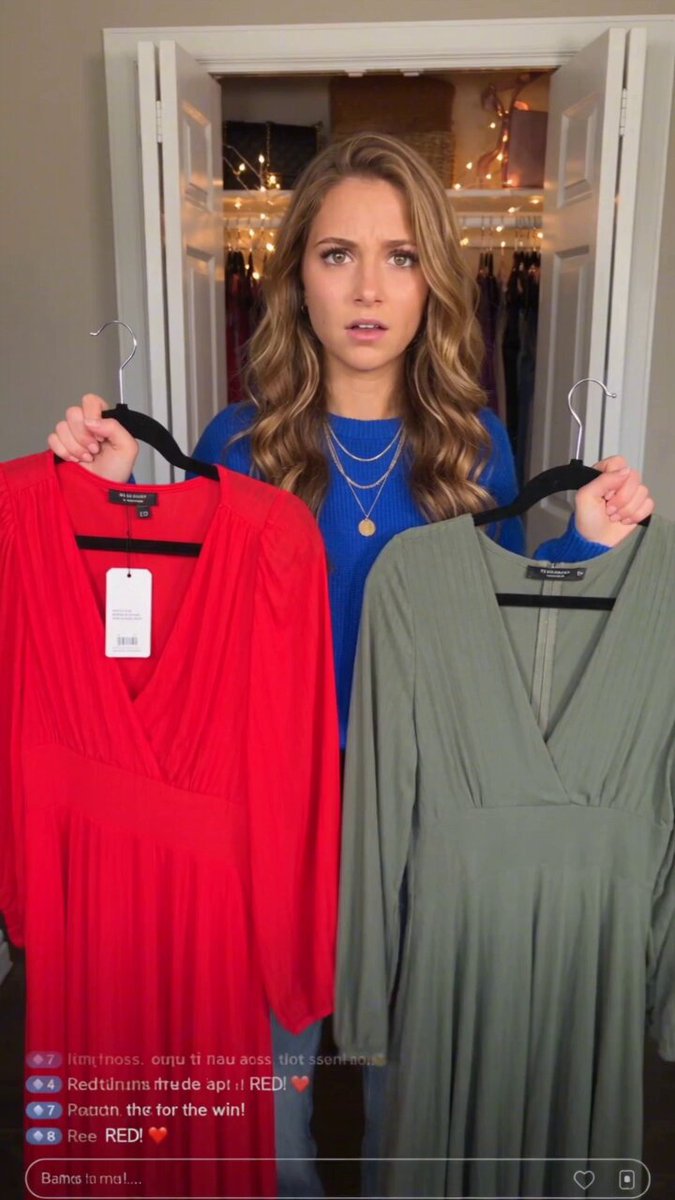
Short-form vertical video dominates mobile feeds. Platforms prioritize this format because it matches how people hold their phones. For SEO, vertical videos are often the first touchpoint for new audiences. They are discoverable through hashtags, sounds, and recommendation algorithms. A single viral short can drive traffic to longer content on your website or channel.
To succeed, focus on the first three seconds. Use a strong hook, such as a surprising fact, a bold statement, or a visually striking image. Keep the video under sixty seconds for maximum completion rates. Add captions because many viewers watch without sound. Use trending audio when relevant, but do not force it if it does not fit your brand.
Repurposing Long-Form Content
You can turn a long tutorial into multiple shorts by extracting key moments. For example, a ten-minute cooking video can yield five short clips: one for each major step, one for the final plated dish, and one for a common mistake. Each short should have its own title, description, and hashtags. This strategy multiplies your reach without requiring entirely new production.
When repurposing, maintain visual consistency. Use the same color grading, fonts, and logo placement. This helps viewers recognize your content across different feeds. It also reinforces your brand identity, which can improve click-through rates on future videos.
Platform-Specific Optimization
Each platform has its own algorithm and audience expectations. On TikTok, trends and sounds matter most. On Instagram Reels, aesthetics and music are key. On YouTube Shorts, searchability and channel authority play a larger role. Tailor your captions, hashtags, and posting times accordingly. Do not simply cross-post the same file with the same description; customize it for each platform.
Optimizing for Local Search and Multi-Language Audiences
Language and Cultural Adaptation
If you target audiences in different regions, you need more than translation. You need localization. This means adapting idioms, examples, and visual references to fit local culture. For instance, a video about breakfast recipes might feature local ingredients and portion sizes. Search engines use location signals and language preferences to rank videos, so localized content often outperforms generic global content.
Add subtitles in the target language and include a localized title and description. If possible, record a separate voiceover in the local language. Even a slight accent can build trust with viewers. Use local keywords in your metadata, but avoid direct translation of English keywords; instead, research what people actually search for in that language.
Regional Trends and Timing
Pay attention to local holidays, events, and trends. A video about back-to-school tips will perform better in regions where the school year starts in September than in regions where it starts in January. Schedule your publishing around these moments. Use analytics to identify when your audience is most active and post accordingly.
Building Local Authority
Collaborate with local creators or influencers to boost credibility. When a respected local voice shares your video, it signals to algorithms that your content is relevant to that community. You can also participate in local online forums or communities, sharing your videos as helpful resources rather than pure promotion. This grassroots approach builds lasting visibility.
Measuring Success: Key Metrics and Tools
Core Metrics to Track
Views are only the beginning. Track watch time, average view duration, and completion rate to understand engagement. Click-through rate (CTR) from search results indicates how compelling your title and thumbnail are. For short-form videos, track shares, saves, and comments. For longer videos, track subscriber growth and website referrals.
Use platform-native analytics as your primary source, but supplement with third-party tools that aggregate data across platforms. This gives you a holistic view of which content resonates and where your audience comes from.
A/B Testing Thumbnails and Titles
Small changes can have a big impact. Test different thumbnails, titles, and descriptions to see what drives more clicks and views. Change only one variable at a time to isolate what works. Run tests for at least a week to gather enough data. Once you find a winning combination, apply it to future videos.
Iterative Improvement
Video SEO is not a one-time task. Regularly review your analytics and update older videos with better metadata, new chapters, or improved captions. You can also re-upload a video with a new thumbnail if it underperformed. Search engines reward freshness, so even minor updates can boost visibility.
Common Video SEO Mistakes and How to Fix Them
Ignoring Mobile Optimization
Most video views happen on mobile devices. If your video is not optimized for vertical or square viewing, you are losing potential viewers. Fix this by exporting multiple aspect ratios and using responsive video players on your website. Ensure your text overlays are large enough to read on small screens.
Poor Audio Quality
Search engines transcribe audio to understand content. If your audio is muffled or has background noise, the transcript will be inaccurate, hurting SEO. Invest in a good microphone and record in a quiet environment. Use AI noise reduction tools in post-production if needed.
Keyword Stuffing
Adding irrelevant keywords to your title, description, or tags can lead to penalties or lower rankings. Instead, focus on natural language that matches user intent. Research keywords using search suggest tools and competitor analysis, then incorporate them organically.
Neglecting Engagement Signals
Likes, comments, shares, and watch time are strong ranking factors. Encourage viewers to engage by asking questions, creating polls, or including a clear call to action. Respond to comments promptly to foster community and signal to algorithms that your content is valuable.
Forgetting Accessibility
Closed captions and transcripts are not just for accessibility; they are also SEO gold. They provide text for search engines to index. Always add them, and ensure they are accurate. If you use auto-generated captions, review and correct them manually.
Frequently Asked Questions
How long does it take to see results from video SEO?
It varies by platform and competition. Short-form videos can gain traction within hours or days, while long-form videos may take weeks or months to rank. Consistency is key. Publish regularly and monitor analytics to refine your approach.
Do I need a big budget to produce SEO-friendly videos?
No. You can create effective videos with a smartphone, free editing software, and AI tools that offer free tiers. Focus on clear audio, good lighting, and valuable content. Expensive equipment helps, but it is not a prerequisite for success.
How important are backlinks for video SEO?
Backlinks from reputable websites can boost your video's authority, especially for videos embedded on your own site. However, social signals and engagement metrics are often more influential for platform-native videos. Focus on creating shareable content that naturally earns links.
Can I rank the same video on multiple platforms?
Yes, but customize it for each platform. Re-upload the video with platform-specific titles, descriptions, and tags. Do not simply share a link to another platform's video, as that can reduce reach. Native uploads perform better because platforms prioritize their own content.
How often should I update old videos?
Review your video library every quarter. Update metadata, refresh thumbnails, and add new chapters if needed. If a video is outdated, consider creating a new version or adding an update in the description. Regular maintenance keeps your content relevant.
Conclusion: Your Action Plan for Video Visibility
A successful video SEO strategy combines technical optimization, creative storytelling, and consistent measurement. Start by understanding how search engines interpret visual and audio content. Use AI tools to streamline production without sacrificing originality. Prioritize short-form vertical video for discovery, and localize your content for regional audiences. Track the right metrics, test variations, and fix common mistakes. With a systematic approach, you can improve visibility, grow your audience, and achieve your content goals. Begin with one video at a time, and refine your process as you learn what works best for your niche and platform.
