
Affiliazione
Inizia Gratis Ora
AI Anime Voices and Art: A Shoujo Storytelling Workflow
Oct 15, 2026
Why Shoujo Storytelling Suits AI-Assisted Production
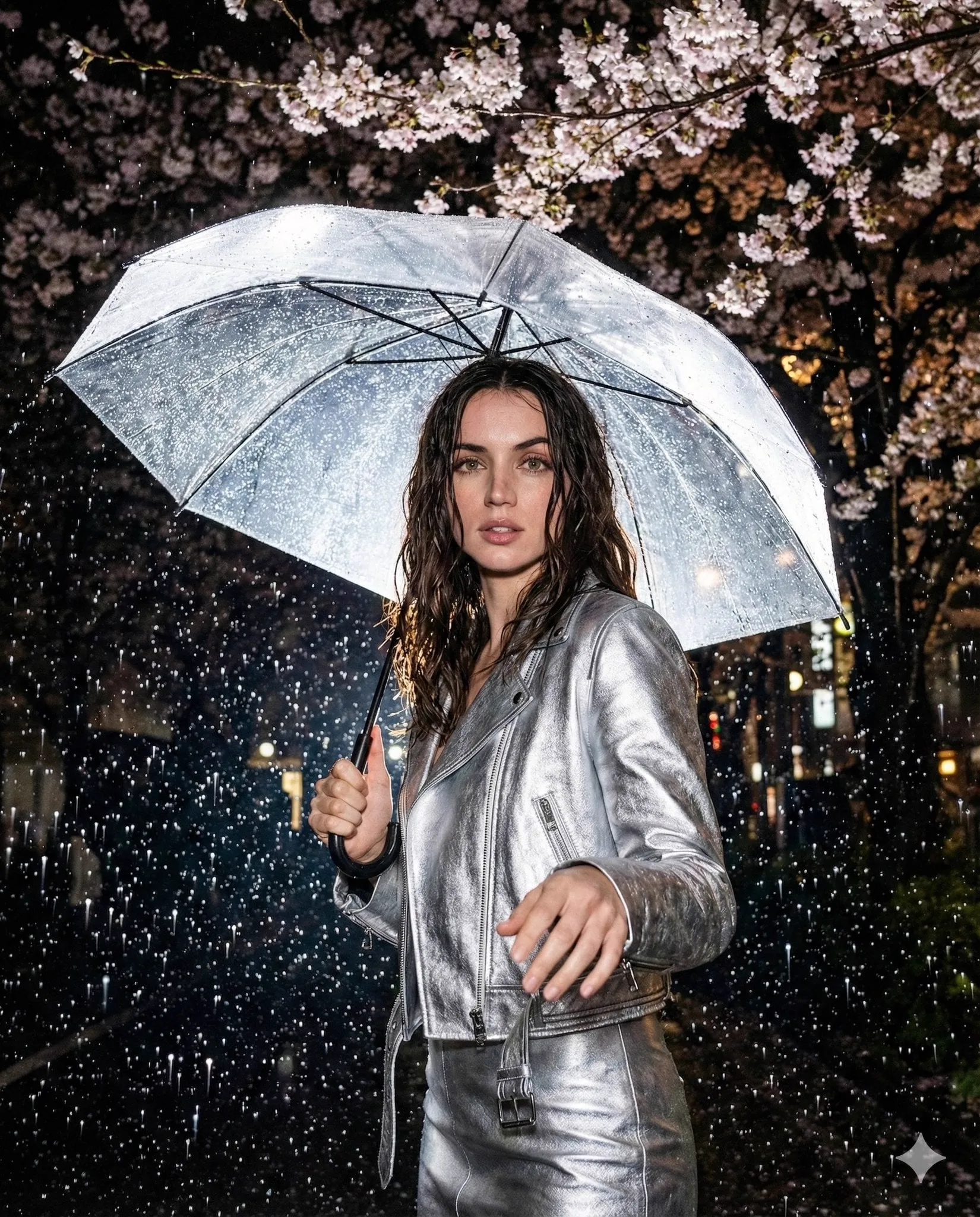
Shoujo anime lives on interiority. The genre built its reputation on held glances, half-finished sentences, and the emotional weight of a single petal falling at exactly the wrong moment. That is precisely why it pairs so well with modern generative tools: the scenes are intimate, the casts are small, and the drama is carried by faces, pauses, and color rather than by hundreds of background extras or complex action choreography.
A three-minute shoujo short might need only two characters, four locations, and a dozen emotional beats. That scale is achievable in a solo or two-person production pipeline. The hard part is not generating a pretty frame. The hard part is generating the same character, with the same voice, feeling the right thing, across forty shots that were produced on different days.
This guide walks through a full practical workflow: art direction, voice casting, character consistency, shot planning, lip sync, editing, and quality control. It is written for creators who want a repeatable process rather than a one-off experiment.
Start With Art Direction, Not With Prompts
Most beginners open a generation tool and start typing. The result is a pile of attractive but incoherent images. Professional-looking AI anime starts the other way around: you define the visual rules first, then generate.
The visual markers of shoujo style
Shoujo aesthetics are not just "soft colors." They are a specific grammar:
- Large, reflective eyes with multiple highlight layers and a visible iris gradient.
- Line weight variation — thin, delicate contours for faces, slightly heavier lines for hair silhouettes.
- Sparse backgrounds with strong focal detail — a bare classroom rendered with one beautifully drawn window frame.
- Symbolic overlays — sparkles, floating bubbles, screentone florals, soft vignettes that appear during emotional peaks.
- Restrained palettes with one accent hue per character to help viewers track who is feeling what.
Write these down as a style sheet before you generate anything. A useful exercise is to describe your show in five adjectives, then list the visual technique that delivers each one. If "melancholic" is on your list, the technique might be "desaturated mids with a warm rim light."
Building a reference bible
Create a folder with one image per character per angle: front, three-quarter, profile, back, plus three expression sheets (neutral, joy, distress). Add a color swatch file with hex values for hair, skin, eyes, and the character's accent hue. Add a lighting reference board — three images showing your show's daylight, dusk, and interior night looks.
This bible does two things. It keeps your generation consistent, and it lets you hand a collaborator a single package that explains the entire look without a meeting.
Choosing and Shaping AI Anime Voices
Voice is where AI anime projects are usually won or lost. A gorgeous frame with a voice that reads as robotic will break immersion faster than a slightly off-model face.
Voice archetypes for a shoujo cast
Shoujo casts tend to run on recognizable dynamics. Naming them explicitly makes casting decisions faster:
- The guarded lead — low energy, clipped delivery, warmth leaking out in small doses.
- The open-hearted foil — brighter, faster, more breath in the voice.
- The composed observer — even pacing, minimal pitch movement, dry humor.
- The chaotic friend — wide pitch range, quick transitions, unafraid of volume.
Generate or select several candidate voices per archetype. Keep them as reusable presets. When you later need a side character with two lines, you can pull from your existing pool instead of designing from scratch.
Directing performance, not just choosing a timbre
A voice preset is an instrument; you still have to play it. The most common mistake is treating synthesized speech as a finished performance. Instead, break each line into beats:
- Mark the emotional target — what does the character want in this sentence?
- Set the pace — a confession should be slower than a greeting.
- Place the breath — insert a short pause before the emotionally loaded word.
- Check the ending — does the line rise, fall, or flatten? The final syllable usually carries the meaning.
Render two or three takes with different pacing settings for any line that matters. Then choose in context, not in isolation. A take that sounds flat alone can land perfectly under a lingering shot.
Language, accent, and localization
If your story is set in Japan but your audience is international, decide early whether you are producing one language track or two. Voices that handle multiple languages usually carry a subtle shift in rhythm between them, so it is worth testing a sample in each target language before committing to a full script. For projects that will be subtitled, shorter lines with clean pauses translate better than dense, overlapping dialogue.
Character Consistency Across Dozens of Shots
Consistency is the single biggest technical barrier in AI anime production. Faces drift. Hairstyles migrate. Eye color shifts by a shade every third render.
Consistency comes from three practices stacked together:
Locked reference sets. Always generate from the same reference images, not from memory or from a previous output that has already drifted. Use the bible images as your anchor for every scene, even if the lighting differs.
Explicit feature prompts. Write hair length, hair part direction, eye color, uniform details, and any accessories into every prompt. Do not assume the reference image will carry them. Repetition is not redundant when the model reinterprets references on each run.
Multi-image conditioning. Where your tool supports blending two or more reference images, combine a face reference with a pose reference. This gives you the character you designed in the posture you need, instead of a compromise between the two.
Run a drift audit every ten shots. Line up all renders of one character side by side at thumbnail size. Drift is much easier to spot in a grid than in a full-size image.
Wardrobe changes without identity loss
Shoujo series lean on seasonal and uniform changes. When a character switches from winter to summer uniform, regenerate the reference set for that outfit rather than editing an existing render. Identity lives in the face structure and hair, not the clothing, so a fresh reference set with the same facial features will hold together across an arc.
Shot Planning and Storyboarding for Emotional Scenes
AI generation rewards planning. Wandering generation produces beautiful stills that do not cut together.
Build a beat sheet before a shot list
For a three-minute short, list twelve to eighteen emotional beats. Each beat is one sentence: "She notices the empty seat." Then assign each beat a shot type — close-up, medium, wide, insert. A workable distribution for shoujo is roughly 50 percent close-ups and mediums, 30 percent inserts (hands, objects, environmental details), and 20 percent wider establishing shots.
Inserts are your secret weapon. A hand tightening on a strap or a cup going cold carries more emotion than a wide shot, and inserts are cheap to generate.
Reuse backgrounds deliberately
Generate a small set of key backgrounds — classroom, hallway, rooftop, bedroom, train platform — and reuse them with different lighting and camera angles. Reuse reads as intentional visual language, not laziness, as long as the lighting changes to match the emotional temperature of the scene.
Plan transitions in advance
Shoujo transitions often carry meaning: a match cut from a falling petal to a falling tear, a cut from a train window to a classroom window. Note the intended transition for each shot pair while you are still storyboarding. It is far easier to generate two shots that cut together than to fix a mismatch in the edit.
Lip Sync, Timing, and Sound Design
Lip sync in anime is stylized, not photoreal. The goal is believable rhythm, not perfect phoneme matching.
Working with stylized mouth shapes
Anime dialogue typically uses a limited set of mouth shapes — closed, slightly open, open, wide, rounded. Build a small library of each shape per character before you animate. Then sync at the level of syllables, letting the mouth hit the strong beats and relaxing on the filler syllables. Audiences read rhythm, and rhythm is far more forgiving than frame-accurate matching.
Timing the pause
Silence is a shoujo device. A two-second hold on a face before a reply can do more work than the reply itself. When you edit, resist the urge to fill every gap with dialogue. Instead, ask whether the pause is doing emotional labor. If it is, stretch it by twenty frames and watch again.
Layering the audio
A convincing scene usually has four layers: dialogue, room tone, spot effects (footsteps, door, fabric), and music. Room tone is the most commonly skipped layer and the one that most improves perceived quality. Ten seconds of quiet classroom ambience under a conversation instantly makes the scene feel produced rather than assembled.
Music placement matters too. In shoujo, the score often enters after the emotional peak, not before — letting the realization land in silence and then letting the music react to it.
Editing and Finishing the Episode
Once shots exist, the edit decides whether the project feels amateur or professional.
The first assembly
Cut for story logic first, ignoring polish. Get the beats in order and watch it end to end. If the story does not work at this stage, no amount of color grading will save it.
Pacing pass
Go through the assembly and ask one question per cut: does this shot earn its duration? Trim wide shots first — they are usually the slowest. Protect close-ups and inserts.
Color and light continuity
AI-generated shots often differ in white balance and contrast. A single adjustment layer with a slight unified curve across the whole timeline does more for coherence than shot-by-shot grading. Pick one LUT or grade and commit to it early.
Finishing touches
Add a subtle film grain or paper texture across the whole piece to unify mixed renders. Add a title card in your show's typeface. Export at a consistent frame rate and check the audio loudness on a phone speaker — a large share of your audience will watch it that way.
Common Mistakes and How to Fix Them
Drifting faces. Fix: regenerate from the reference bible, never from previous outputs.
Beautiful stills that do not cut. Fix: storyboard beats and shot types before generating anything.
Flat vocal performance. Fix: render multiple takes per important line and choose in context.
Overlong scenes. Fix: cut any shot whose removal does not confuse the story, then watch again.
Inconsistent color. Fix: one unified grade across the entire timeline.
Silent-feeling audio. Fix: add room tone under every dialogue scene.
Too many characters. Fix: shoujo shorts work best with two to four speaking roles. Merge minor characters into existing ones.
Tool Selection Criteria
When evaluating generation and animation tools for a shoujo project, score each option against your actual bottlenecks rather than the length of its feature list.
- Character reference support — can it take multiple reference images and hold features across shots?
- Voice control depth — can you adjust pacing, pitch, and emotion, or only pick a preset?
- Export flexibility — can you get clean frames and separated audio for editing elsewhere?
- Iteration speed — how long does one shot take to regenerate, start to finish?
- Licensing clarity — what are your commercial rights on generated output?
A tool that is mediocre at everything but excellent at character consistency will outperform a broader tool for this specific genre.
A Sample Production Schedule
A realistic three-minute short with two leads breaks down roughly as follows: two days for art direction and the reference bible, one day for voice casting and line tests, two days for storyboarding and shot listing, four days for generation, two days for animation and lip sync, one day for audio, and one day for edit and finish. That is roughly two weeks of focused work, and the schedule scales by adding shots rather than by adding complexity per shot.
The scheduling lesson: front-load the boring work. The reference bible and beat sheet feel slow, but they compress everything downstream.
FAQ
Do I need to draw to make AI anime?
No, but you do need visual literacy. Being able to name why a frame works — composition, color, line weight — is what separates a coherent project from a random collection of images.
How many reference images per character do I need?
Five to eight is a workable baseline: four angles plus three expression sheets. More helps, but consistency in how you use them matters more than quantity.
Can one voice actor preset cover a whole cast?
Technically yes, but it flattens the drama. Two to four distinct vocal textures give scenes contrast, and contrast is what makes emotion legible.
How long should a shoujo short be?
Ninety seconds to four minutes is the sweet spot for a first project. Long enough to establish a relationship, short enough to finish.
What is the biggest quality jump I can make cheaply?
Room tone and a unified color grade. Together they cost an hour and change the perceived production value more than any single visual upgrade.
How do I handle a character who appears in only one scene?
Reuse an existing archetype preset and give them one distinguishing visual detail. Audiences track identity through one strong cue more reliably than through five subtle ones.
Final Takeaway
The technology is no longer the bottleneck. Character consistency, voice direction, and disciplined editing are. Treat your shoujo project like a small film rather than a content experiment: define the look, lock the cast, storyboard the beats, direct the performances, and finish the sound. Do those five things and an AI-assisted anime short can hold its own against work made with far larger teams.

Alexander
More Blogs
Read MoreVidu Q4 Alternatives: 4K AI Video Models Compared (2026)
Vidu Q4 alternatives compared: Kling 4.0, Seedance 2.5, Wan 3.0, and Runway Gen-4 — 4K support, input modes, durations, audio, and what each costs in credits on Domer.
Top 4K AI Image Generators in 2026: 5 Models Compared on Real Costs
The top 4K AI image generators on Domer compared: Flux 3 Klein, Nano Banana 2.1, GPT Image 2.5, GPT Image 2, and Nano Banana Pro — 4K credit costs, reference limits, and speed.
Nano Banana 2.1 vs GPT Image 2.5: Which Image Model Should You Use? (2026)
Nano Banana 2.1 vs GPT Image 2.5 Flare compared: credit costs per resolution, aspect ratios, reference images, text rendering, and which tasks fit each model.