

Affiliazione
Inizia Gratis Ora
AI Video Ads: A Practical Automation Workflow for Brands
Oct 15, 2026
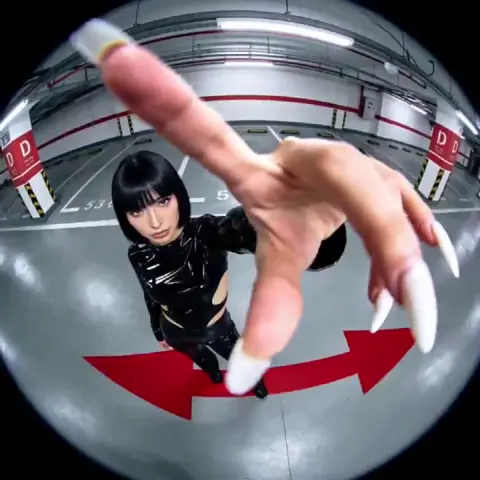


AI-generated video ads have moved from experimental side projects to everyday campaign assets. Marketing teams now use generative tools to write hooks, build storyboards, create presenters, generate b-roll, localize voiceovers, resize creative for every placement, and test dozens of variations before a human editor would have finished the first cut. The promise is not simply cheaper production. The real advantage is a faster learning loop: more concepts reach the market, weak ideas fail earlier, and winning angles get scaled with discipline.
This guide is a neutral workflow playbook for brands, agencies, and in-house creative teams. It covers where AI video ads work best, how to build an end-to-end production pipeline, how to personalize without invading privacy, how to measure performance, and which mistakes make automated ads look and feel generic. The goal is not to remove humans from advertising. The goal is to give human strategists and editors more leverage.
Why AI Video Ads Became a Core Marketing Capability
Traditional video production is linear. A brief goes to an agency, a script is approved, a crew is booked, footage is shot, edits are reviewed, and the final asset is delivered. That process can produce excellent work, but it struggles when a brand needs fifty variations for different audiences, languages, platforms, and offers. Each new version adds cost, time, and coordination overhead.
AI changes the economics of iteration. A team can start with a strong strategic idea, then use generative tools to explore multiple visual treatments, hooks, voice styles, and formats in the same afternoon. The output is not always broadcast-ready, but it does not need to be. Many paid social and performance campaigns need clear, native, fast-moving creative that communicates a benefit in the first two seconds. AI is very good at that job when it is directed well.
The shift also changes team roles. Copywriters become prompt strategists and narrative editors. Designers become visual system builders. Video editors become assemblers and quality controllers. Media buyers become creative test designers. The most effective teams treat AI as a production accelerator, not as an autopilot button.
What AI Video Ads Do Well, and What Still Needs Humans
AI video ads are strongest when the message is modular. Product demos, problem-solution stories, listicles, testimonial-style clips, offer announcements, app walkthroughs, and localized explainers all fit a modular workflow. You can generate a clean hook, a proof point, a demonstration, and a call to action, then combine them in different orders for different audiences.
AI is also useful for visual effects that would otherwise require a large budget: background replacement, scene extension, style transfer, synthetic presenters, animated text, and rapid storyboard visualization. These capabilities let small teams compete with larger studios on volume and speed.
However, humans still win in several areas. Brand strategy, emotional nuance, cultural context, legal review, and taste cannot be fully delegated. A generative model can produce a convincing scene, but it cannot decide whether the scene supports the brand promise or accidentally undermines it. It can write a funny line, but it cannot guarantee the joke lands with a specific community. It can translate a script, but it cannot always preserve tone, idiom, and local relevance.
The practical rule is simple: let AI handle variation, generation, and assembly; keep humans responsible for judgment, meaning, and accountability.
The Essential Components of an AI Video Ad Stack
A reliable AI video workflow is not one tool. It is a stack of tools connected by clear handoffs. The exact vendors matter less than the functions they cover.
Script and Concept Generation
This layer turns research, customer insights, and offer details into hooks, scripts, and shot ideas. A good workflow starts with structured inputs: audience segment, pain point, desired outcome, proof, objection, and call to action. The model should generate options, not final copy. Human editors then select, rewrite, and approve.
Visual Generation and Image-to-Video
Visual generation creates stills, characters, products, environments, and motion clips. Image-to-video tools are especially useful because they let a team approve a consistent key visual before animating it. For product ads, this reduces the risk of warped labels, changing packaging, or inconsistent lighting across scenes.
Voice, Music, and Sound Design
Voice synthesis, music generation, and sound effects make or break perceived quality. A synthetic voice can work well for explainers, but it must match pace, emotion, and pronunciation. Brand names, technical terms, and localized offers need pronunciation checks. Music should support the edit rather than compete with the message. Sound design, including whooshes, clicks, and ambient beds, helps transitions feel intentional.
Editing, Versioning, and Review
Editing software and template systems assemble clips into finished ads. The most important feature is versioning. Teams need to create 9:16, 1:1, 16:9, and 4:5 cuts without rebuilding every scene. Captions, safe zones, and end cards should be controlled by templates so every variation stays on brand.
Analytics and Testing
Analytics tools close the loop. They show which hooks, scenes, voice styles, and offers perform. Without this layer, AI video production becomes random content generation. With it, every batch of ads teaches the team something reusable.
A Practical End-to-End Workflow for AI-Generated Video Ads
The following workflow works for paid social, YouTube pre-roll, connected TV, landing pages, and app campaigns. It assumes a small team with access to generative video tools, an editor, and a media buyer.
Step 1: Define the Campaign Job in One Sentence
Before generating anything, write one sentence that states the audience, the problem, the promised outcome, and the reason to believe. For example: Help busy parents prepare weeknight meals in under twenty minutes with a meal-kit service that pre-portions ingredients. That sentence becomes the filter for every script, scene, and edit.
Step 2: Build a Modular Script
Break the script into four modules: hook, proof, offer, and call to action. The hook earns attention. The proof shows why the claim is believable. The offer gives a reason to act now. The call to action tells the viewer exactly what to do. Write three to five options for each module. AI can generate the first draft, but a human should sharpen the language.
Step 3: Create a Shot List Before Generating Clips
A shot list prevents random generation. For each script module, define the visual: close-up of the product, hands using it, a comparison shot, a reaction shot, an on-screen text card, or an animated diagram. Note the camera angle, motion, lighting, and duration. This step saves time because you generate only what the edit needs.
Step 4: Lock a Visual System
Brand consistency comes from repeatable choices. Choose a color palette, typography, presenter style, camera language, and pacing. If the ad uses a recurring character, create a reference image and keep it consistent across scenes. If it uses product shots, establish the lighting and background rules. A locked visual system makes AI output feel like one campaign instead of a collage of unrelated clips.
Step 5: Generate, Assemble, and Review in Short Cycles
Generate clips in small batches. Review them against the shot list. Reject anything with distorted anatomy, unreadable text, inconsistent product details, or awkward motion. Assemble a rough cut quickly. The first cut should reveal whether the hook works and whether the story flows. Do not spend hours polishing a scene that may be cut.
Step 6: Localize and Adapt by Placement
Once the core ad works, create placement-specific versions. Vertical feeds need a fast hook, large captions, and safe-zone text placement. YouTube pre-roll needs a slightly slower build and an early brand mention. Connected TV needs higher visual quality and clearer sound. Localization adds another layer: translate the script, adapt idioms, check cultural references, and use voice talent or synthetic voices that sound natural in the target language.
Step 7: Test and Iterate with a Learning Agenda
Every test should answer a question. Does a problem-first hook beat a result-first hook? Does a synthetic presenter outperform a product-only demo? Does a limited-time offer beat a free-trial message? Keep a creative testing log. When an ad wins, isolate why. When it loses, document the assumption that failed. Over time, the team builds a playbook of hooks, scenes, and offers that work for its audience.
Personalization at Scale Without Crossing Privacy Lines
Personalization is one of the biggest promises of AI video ads, but it is also one of the easiest ways to damage trust. The safest approach is segment-level personalization, not one-to-one surveillance. Use data that customers expect you to use, such as the product they viewed, the language they prefer, the region they live in, or the device they use. Avoid referencing sensitive information or creating ads that feel like they know too much.
A practical method is the creative matrix. Build variations around three dimensions: audience segment, message angle, and format. For example, a fitness app might have segments for beginners and experienced athletes, angles for convenience and performance, and formats for stories and feed. The matrix produces a manageable number of combinations. Each combination gets a clear hypothesis and a clean naming convention.
Dynamic creative optimization can then rotate the best-performing combinations. The goal is relevance, not novelty. A personalized ad that feels helpful will outperform a generic ad. A personalized ad that feels invasive will damage the brand even if it gets clicks.
Cost, Time, Quality, and Creative Direction
Not every part of video production should be automated. Use decision criteria to choose where AI adds value.
Deciding What to Automate
| Factor | Automate Heavily | Keep Human-Led |
|---|---|---|
| Volume | Dozens of variants | One flagship film |
| Lifespan | Short performance campaigns | Long-term brand assets |
| Brand risk | Low-risk formats | Regulated or sensitive claims |
| Personalization | Segment-level variants | One-to-one messaging |
| Localization | Subtitle and voice adaptation | Culturally complex campaigns |
| Asset availability | Plenty of product images | Complex live-action footage |
| Emotional nuance | Clear functional benefits | Subtle storytelling |
A useful rule is to automate the first draft and the last mile. AI can generate initial concepts, storyboards, clips, captions, and size variations. Humans should handle the strategic brief, final edit, legal review, and performance interpretation. This division keeps speed high without sacrificing accountability.
Where Humans Still Make the Difference
AI can produce a hundred versions of a scene, but it cannot decide which version is right for the brand. Creative direction is the human layer that turns generated assets into a coherent campaign. It includes choosing the hook, shaping the narrative arc, guiding the presenter performance, selecting music, and deciding what to leave out.
The best creative directors use AI to expand their range, not to replace their judgment. They ask the model for unexpected visual metaphors, then refine the strongest ones. They use generated storyboards to pitch ideas faster. They test synthetic presenters in low-risk formats before committing to a larger campaign. They keep a clear point of view, because automated content without direction becomes noise.
Common Mistakes That Hurt AI Video Ad Performance
The first mistake is starting with tools instead of strategy. A beautiful generated clip cannot save a weak offer or an unclear audience. The second is generating too many disconnected scenes. Consistency matters more than novelty. The third is ignoring platform behavior. A vertical ad that works in a feed may fail in a pre-roll placement.
Other common problems include unnatural voiceovers, captions that are out of sync, product details that change between shots, cramped safe zones, and end cards that appear too late. Many teams also forget sound design, which makes even good visuals feel cheap. Finally, some brands over-automate the review process. AI can flag issues, but a human should approve anything that makes a claim, uses a customer likeness, or touches a regulated category.
A Measurement Framework for AI Video Campaigns
Measure AI video ads like any other performance creative, but add creative diagnostics. At the top of the funnel, track hook rate, three-second views, and thumb-stop rate. In the middle, track hold rate, completion rate, and engagement. At the bottom, track click-through rate, conversion rate, cost per acquisition, and return on ad spend.
Creative diagnostics explain why an ad performed. Tag every asset with hook type, message angle, visual style, presenter type, offer, and format. Then compare performance across tags. If problem-first hooks consistently beat product-first hooks, that insight can guide the next batch. If synthetic voices underperform in one market but work in another, the team can adjust localization.
Run tests with enough volume to reach a reliable conclusion. Avoid declaring a winner after a few hundred impressions. Keep a control ad in every test. Refresh creative before fatigue sets in, but do not change too many variables at once. The goal is cumulative learning, not a single viral hit.
Governance, Brand Safety, and Disclosure
AI-generated video ads raise practical governance questions. Does the team have rights to the images, voices, music, and data used in generation? Are synthetic presenters disclosed where required? Are claims accurate and substantiated? Is the ad accessible with captions and readable text? Does it comply with platform policies and local advertising rules?
A lightweight governance process can prevent expensive mistakes. Maintain an approved asset library. Document model usage and source rights. Require legal review for claims, endorsements, and regulated categories. Use brand safety checks before publishing. Add disclosure when the audience could reasonably be misled. Governance is not a brake on creativity; it is what allows a team to move fast without creating risk.
FAQ: AI-Generated Video Ads for Brands
How long does an AI video ad take to produce?
A simple performance ad can be scripted, generated, edited, and reviewed in a day or two. A polished campaign with multiple segments, languages, and formats may take one to two weeks. The timeline depends on review cycles, legal approval, and how much original footage is needed.
Do AI-generated video ads perform as well as traditional ads?
They can perform very well when the message is clear and the creative is native to the platform. AI ads often win on volume and speed, which makes testing more efficient. Traditional production still has an advantage for brand films, emotional storytelling, and complex live-action.
Can AI replace a video production team?
It can replace some repetitive tasks, such as resizing, captioning, rough cuts, and initial concept generation. It does not replace strategy, creative direction, editing judgment, or accountability. The strongest teams combine AI production with human oversight.
How many variations should we create?
Start with a manageable matrix. Three audience segments, three message angles, and two formats produce eighteen combinations. Not every combination needs a fully unique ad. Many can share scenes while changing the hook, voiceover, or offer. Test in batches and scale what works.
How do we keep AI ads on brand?
Lock a visual system before generating at scale. Define colors, typography, pacing, presenter style, and product shot rules. Use templates for captions, logos, and end cards. Review every batch against the same brand checklist.
What should we disclose to viewers?
Follow platform rules and local laws. If a realistic synthetic presenter could be mistaken for a real person, disclose it. If an ad uses AI to alter a real person's likeness or voice, get permission and follow applicable regulations. When in doubt, be transparent.
AI-generated video ads are most valuable as a workflow, not a shortcut. They let brands produce more concepts, test faster, localize efficiently, and personalize at the segment level. The teams that succeed combine generative speed with human strategy, brand discipline, and measurement rigor.
Start with one clear campaign job. Build modular scripts. Create a shot list before generating clips. Lock a visual system. Review in short cycles. Test with a learning agenda. Govern rights, claims, and disclosure. Automate the first draft and the last mile, but keep humans responsible for meaning. Done well, AI video ads do not make advertising feel robotic. They make it more responsive, more relevant, and more measurable.

Alexander
More Blogs
Read MoreVidu Q4 Alternatives: 4K AI Video Models Compared (2026)
Vidu Q4 alternatives compared: Kling 4.0, Seedance 2.5, Wan 3.0, and Runway Gen-4 — 4K support, input modes, durations, audio, and what each costs in credits on Domer.
Top 4K AI Image Generators in 2026: 5 Models Compared on Real Costs
The top 4K AI image generators on Domer compared: Flux 3 Klein, Nano Banana 2.1, GPT Image 2.5, GPT Image 2, and Nano Banana Pro — 4K credit costs, reference limits, and speed.
Nano Banana 2.1 vs GPT Image 2.5: Which Image Model Should You Use? (2026)
Nano Banana 2.1 vs GPT Image 2.5 Flare compared: credit costs per resolution, aspect ratios, reference images, text rendering, and which tasks fit each model.