

Affiliazione
Inizia Gratis Ora
AI Video for Local Reach: Small Business Advertising Guide
Oct 15, 2026

Why Local Video Outperforms Generic Advertising
A hardware store, a dentist, a taqueria, and a dog groomer all compete for the same scarce resource every week: attention inside a two-mile radius. National campaigns buy reach. Local businesses buy relevance. That difference shapes everything about how a video should be written, shot, and placed.
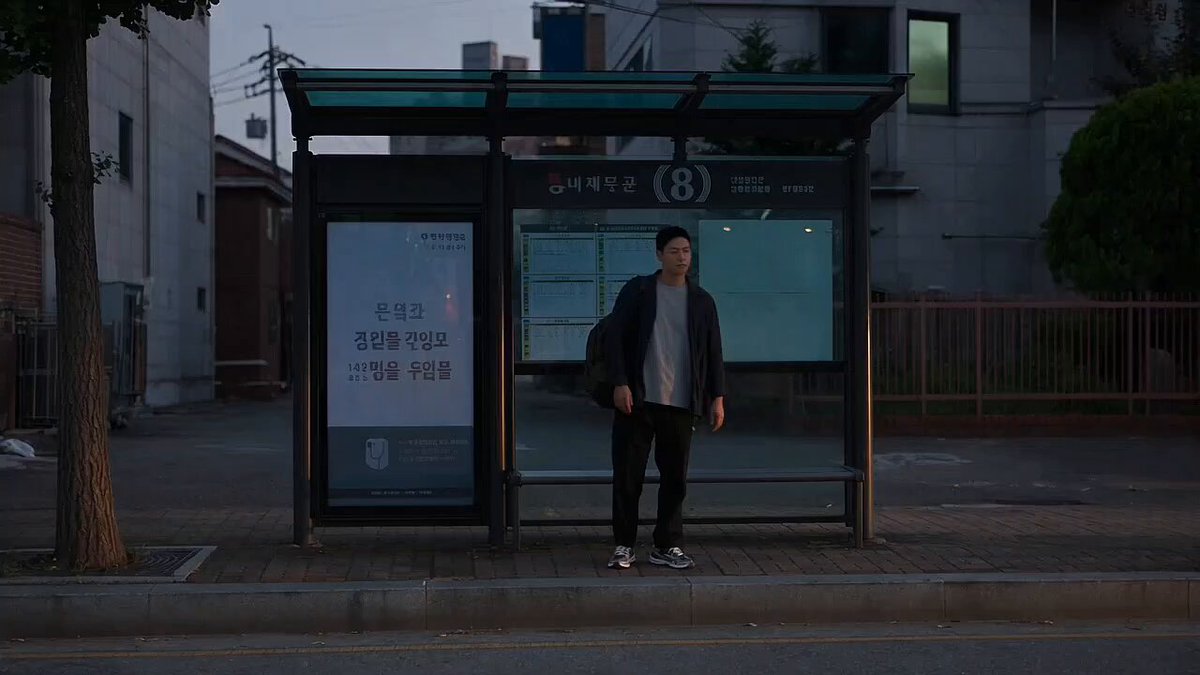
A generic stock-footage ad tells a viewer nothing they could not already guess. A clip that opens on the corner where they buy coffee, names the street they drive down on the way to work, and shows the face behind the counter does something different. It registers as a neighbor speaking, not a brand broadcasting.
Video carries that signal better than any other format. Motion, voice, faces, and ambient detail compress more meaning per second than a static post or a banner. It also travels further, because short vertical video is the default consumption mode on phones, and local feeds reward watch time, rewatches, and comments. A thirty-second clip filmed in a familiar setting can outperform a much larger spend from a distant competitor, simply because it is calibrated to the people who will actually walk through the door.
The obstacle has always been production cost. Hiring a crew costs more than most local marketing budgets can absorb, and doing it all yourself takes hours you do not have. That is where AI video tools changed the math. You can now move from a written idea to a publishable clip in one working session, generate several variants of the same message, and tailor each to a different neighborhood, service, or season without booking a studio. The rest of this guide is the practical version of that workflow.
Map Your Local Audience Before You Write a Script
Most small business owners skip this step and jump straight to filming. Then they wonder why the views do not convert. The map comes first.
Start with a simple spreadsheet or note. Four columns: audience segment, location clue, what they care about, and which offer fits them.
- Commuters passing at 7:45 a.m. — care about speed and parking. Offer: mobile order, quick pickup window.
- Parents after school pickup — care about convenience and kid-friendliness. Offer: family bundle, early dinner hours.
- New movers within six months — care about trust and orientation. Offer: first visit discount, intro service.
- Long-term neighbors — care about loyalty and familiarity. Offer: referral thank-you, seasonal special.
Once those segments exist on paper, they dictate your hooks. A commuter hook is a clock. A parent hook is a small chaos moment. A new-mover hook is a question. A neighbor hook is a callback to last year.
Add two more columns that people forget: language and accessibility. If a meaningful share of your area speaks another language at home, a subtitled version or a second-language voiceover is not a nice-to-have, it is a second campaign. The same is true for captions. Most short-form video is watched with sound off at least part of the time, and captions increase completion rates for nearly every local audience.
Finally, write down the geography you can realistically serve. A pizza shop with a fifteen-minute delivery radius should not build content aimed at the whole metro. Precision beats volume because wasted impressions dilute the signal your local feeds use to decide who else should see you.
Local Story Angles That Build Trust
The hardest part of local advertising is not production, it is having something worth saying. These four angles cover almost every small business, and each one translates cleanly into a short video.
Neighborhood storytelling
The most reliable local angle is specificity. Name the street. Show the landmark. Reference the weather everyone complains about. A fifteen-second clip that opens with the phrase you know the intersection where the light never turns green creates instant recognition, and recognition is the first stage of trust. Keep the story small: one customer, one problem, one resolution.
Event-driven videos
Farmers markets, charity runs, school fairs, holiday parades, and league finals are free production sets. Shoot a handful of vertical clips while you are there, then post them within forty-eight hours with a two-line caption. Timeliness matters more than polish, and event content consistently earns higher local engagement because the audience was physically present.
Partner spotlights
Cross-promotion is the cheapest local reach available. Find a complementary business that shares your customers but not your category — a florist and a bakery, a gym and a physiotherapist, a bike shop and a coffee bar. Publish a joint clip where each of you speaks for ten seconds. Both audiences see it, both accounts share it, and neither of you pays for production.
Demographic-specific messaging
One message for everyone usually means no message for anyone. Make a version for the lunch crowd and a version for the dinner crowd. Make a version for first-time visitors and a version for regulars. AI video generation makes this cheap: you change the script, the opening frame, and the voiceover, and keep the underlying visual language consistent so the brand still feels like one business.
An AI-Assisted Workflow From Brief to Publish
The following sequence fits into a single afternoon once you have run it twice. The point is not speed for its own sake, it is being able to repeat the process weekly without exhausting yourself.
Step 1: Write a one-paragraph brief
State the audience segment, the single idea, the call to action, and the platform. One paragraph, no more. If you cannot describe the video in a paragraph, you cannot produce it efficiently. Example: For commuters within five blocks. Idea: our pickup window now opens at 6:30. CTA: order ahead on the site. Platform: vertical short-form, plus a square cut for the map listing.
Step 2: Draft the script and the first three seconds
The first three seconds decide whether anything else gets watched. Write the hook as a spoken line and as on-screen text, because many viewers process both at once. Then write the body in four to six short beats and end with a single, concrete action.
Step 3: Generate or assemble visuals
You have two paths. Path one is generative: describe the scene, the subject, the lighting, and the camera movement, then generate clips and keep the two or three that feel right. Path two is hybrid: film real footage on a phone and use generated footage for the parts you cannot capture, such as an opening drone-style establishing shot or a stylized product sequence. Hybrid almost always converts better for local businesses because real faces and real interiors are the trust signal.
Step 4: Add voice, music, and captions
Synthetic voiceover is acceptable for informational content and for second-language versions. Real voice is better for anything emotional. Either way, normalize the audio so speech sits clearly above the music bed, and burn in captions rather than relying on auto-generated platform captions alone.
Step 5: Produce variants on purpose
Make three versions of every idea: one with a different hook, one with a different call to action, one with a different length. Fifteen seconds for feeds, thirty for a fuller story, six for a bumper in front of paid placements. Variants give you data; a single version just gives you an opinion.
Step 6: Publish with a consistent naming habit
Name files and captions with a date, audience code, and platform code. It feels fussy for the first month and saves you hours later, especially when you start repurposing assets across seasons.
Choosing Tools Without Overspending
There is no single best stack. There is a best stack for your volume. Score tools against four criteria:
| Criterion | What to check |
|---|---|
| Output speed | Can you go from script to a usable clip in under an hour? |
| Visual control | Can you keep a consistent look across your weekly posts? |
| Editing depth | Does it handle captions, trimming, resizing, and audio without a second app? |
| Licensing clarity | Do you have commercial rights to everything you publish? |
For most small businesses, a sensible setup is one AI video generator for scenes and voiceover, one phone for real footage, and one lightweight editor for captions and vertical crops. Resist the urge to subscribe to five platforms. Two tools you use weekly beat five you open twice.
Also decide who operates the stack. If the owner is the only person who can produce video, production stops the moment the week gets busy. Train one employee, or a reliable freelancer, to run the pipeline from brief to export. Document the process in a shared note with example prompts and hooks. That single document is worth more than any tool upgrade.
Distribution That Actually Reaches Your Zip Code
Production is half the job. Placement is the other half, and local placement is a different discipline from general social posting.
Local search and map listings
Your business profile on maps and search is a video surface, not just a directory entry. Add a short clip that shows the storefront, the interior, and one thing you are known for. Keep it under thirty seconds and re-record it seasonally so the page never looks abandoned.
Social platforms and local feeds
Post consistently rather than perfectly. Two to three short videos a week sustains momentum. Add location tags, mention the neighborhood in the caption and in the spoken script, and reply to every comment with a human sentence. Local reach is partly an algorithmic outcome and partly a social one.
Email and SMS lists
Your existing customers are the highest-converting local audience you have and the one most businesses underuse. Embed a vertical video in your newsletter, or send a text with a direct link when you have a genuinely time-sensitive offer. Do not send video to a list that has not heard from you in a year.
Paid promotion and geo-targeting
Paid reach works best as an amplifier, not a starting point. Take the organic clips that already performed reasonably well, then put modest budget behind the best one with a tight radius, a short flight, and one clear call to action. Test radius sizes against each other — a one-mile ring versus a three-mile ring — and compare cost per action rather than cost per view. Views are cheap everywhere; visits are not.
Turning One Video Into a Month of Content
A single filming or generation session should feed four weeks of posts. The trick is to think in components rather than finished videos.
From one thirty-second clip you can extract: a six-second hook for a paid bumper, a still frame for a post or flyer, a ten-second clip for the map listing, the audio track for a story post, and a rewritten script for a second-language version. From one customer interview you can extract three separate posts, each built around a different sentence the customer said.
Maintain a small asset library with folders for interiors, exteriors, staff, products, events, and customer moments. When a slow week arrives, you assemble a post in ten minutes instead of starting from nothing.
Metrics and Testing Rituals
Vanity metrics are tempting because they are easy to read. Local businesses need a shorter list.
- Three-second hold rate — are your hooks working?
- Completion rate — is the content short enough and interesting enough?
- Profile or map actions — calls, directions, saves, website taps.
- Redemptions or mentions — the phrase I saw your video said at the counter.
- Cost per visit on paid placements, not cost per impression.
Run a simple monthly ritual. Pick one variable to change: hook style, length, time of day, or radius. Change only that variable across the month. Compare against the previous month and write one sentence about what you learned. Twelve of those sentences a year will teach you more about your market than any dashboard.
Mistakes, Compliance, and Quality Control
A few recurring errors damage local credibility faster than bad lighting ever could.
- Faking the local angle. Borrowed landmarks and stock neighborhoods are obvious to residents and erase trust instantly.
- Overpromising. If the offer cannot survive a busy Saturday, do not put it in a video.
- Ignoring permissions. Get consent before featuring employees, customers, or minors, and keep a note of where that consent lives.
- Forgetting disclosure. If a partner or customer was compensated, say so.
- Publishing inconsistent branding. Vary the message, not the identity. Rotate the same colors, type treatment, and tone across every clip.
- Letting AI voice flatten everything. Read the script aloud before generating. Sentences that are awkward to speak will sound worse when synthesized.
Quality control is a two-minute checklist: is the audio clear, is the text readable on a small screen, is the call to action stated once and clearly, and does the first frame work as a thumbnail? If any answer is no, fix it before publishing.
FAQ
How often should a small business post local video?
Two to three short videos a week is a sustainable baseline. Consistency matters more than volume, and a steady cadence keeps your profiles warm between promotions.
Do AI-generated visuals look fake enough to hurt a local business?
Only if they replace the parts that build trust. Use generated footage for transitions, establishing shots, and abstract sequences, and keep real faces, real interiors, and real customers in the frame.
What length works best for local ads?
Six to fifteen seconds for paid bumpers, fifteen to thirty seconds for organic posts that tell a small story, and up to sixty seconds when you are explaining a service or introducing a person.
Should I run the same video everywhere?
No. Crop and caption for each surface. A vertical clip works on short-form feeds, a square cut suits map listings and profile sections, and a horizontal version may be needed for a website header.
How do I know a campaign actually brought people in?
Ask at the point of sale, use a single trackable offer code, and watch map and call actions alongside view metrics. Reported attribution at the counter is imperfect but far more useful than impressions alone.
What is the smallest viable budget?
One phone, one AI video tool, one editor, and a small test budget for geo-targeted promotion. Start there, measure cost per visit, and only add spend once a specific clip has proven it can convert.
How much time does the workflow take each week?
Once the process is documented, roughly two to three hours covers planning, production, captions, and scheduling for the week. The first two weeks take longer while you build your asset library and prompt templates.

Alexander
More Blogs
Read MoreVidu Q4 Alternatives: 4K AI Video Models Compared (2026)
Vidu Q4 alternatives compared: Kling 4.0, Seedance 2.5, Wan 3.0, and Runway Gen-4 — 4K support, input modes, durations, audio, and what each costs in credits on Domer.
Top 4K AI Image Generators in 2026: 5 Models Compared on Real Costs
The top 4K AI image generators on Domer compared: Flux 3 Klein, Nano Banana 2.1, GPT Image 2.5, GPT Image 2, and Nano Banana Pro — 4K credit costs, reference limits, and speed.
Nano Banana 2.1 vs GPT Image 2.5: Which Image Model Should You Use? (2026)
Nano Banana 2.1 vs GPT Image 2.5 Flare compared: credit costs per resolution, aspect ratios, reference images, text rendering, and which tasks fit each model.