
Affiliazione
Inizia Gratis Ora
Beyond Sora & Pika: Next-Gen AI Video with Consistent Characters in 2025
Aug 3, 2026
The Problem Sora and Pika Didn't Solve
OpenAI's Sora shocked the world with its photorealism. Pika brought AI video to the masses. But both share a fundamental limitation: character consistency across multiple scenes.
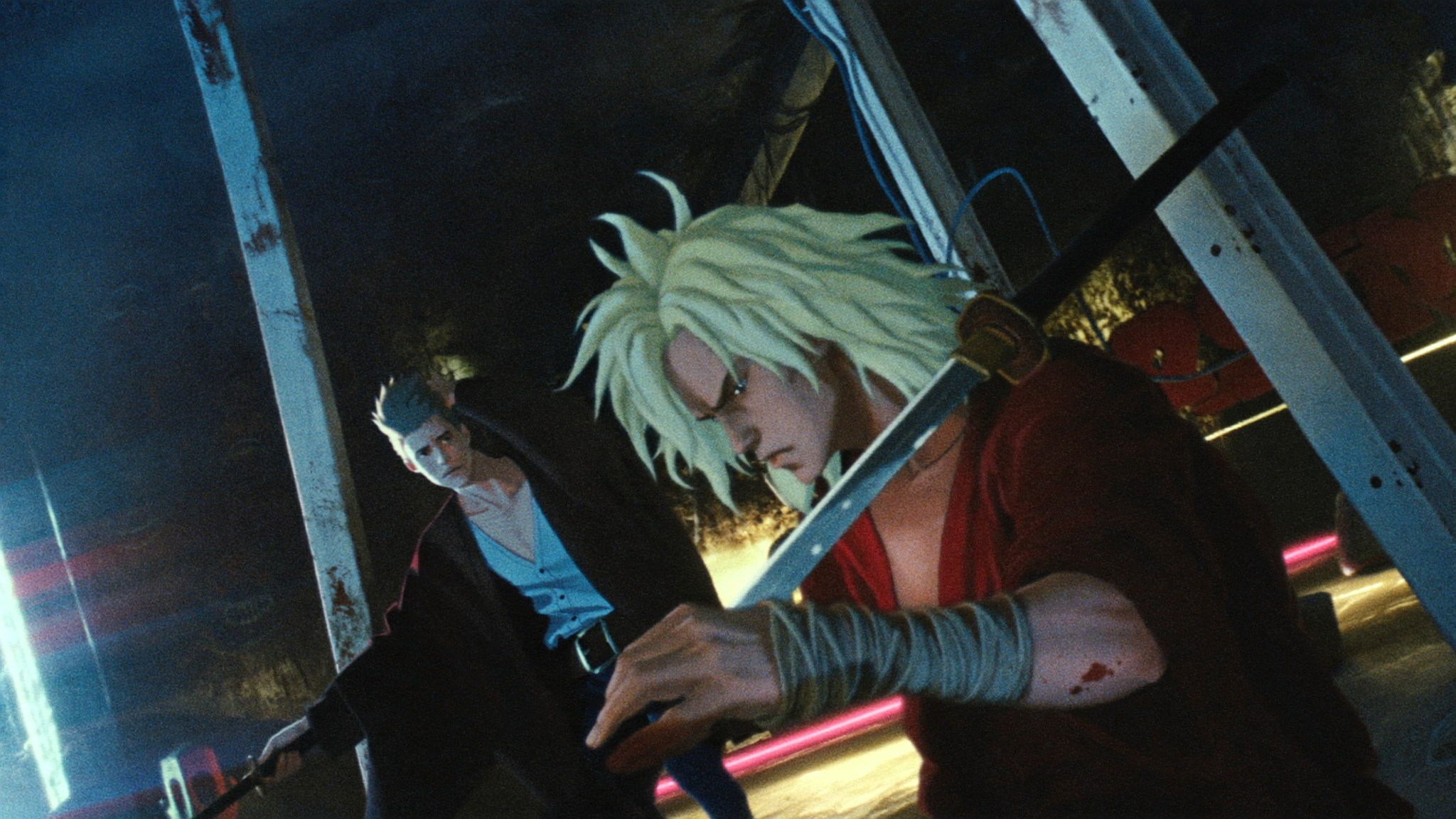
You've seen it. Scene 1: protagonist has brown hair. Scene 2: same character, suddenly blonde. Scene 3: face structure slightly different. It breaks immersion and screams "AI generated" to your audience.
In 2025, next-gen platforms have moved beyond this limitation. Here's how.
Why Character Consistency Matters Now More Than Ever
The short-form content boom means creators are producing serialized content—multi-episode stories, recurring brand characters, ongoing tutorial series. Each episode needs the same protagonist looking exactly the same.
Without consistency:
- Brand recognition suffers
- Viewer trust erodes
- Content feels disposable rather than franchise-worthy
With consistency:
- Viewers form attachment to characters
- Brand mascots become recognizable assets
- Series content compounds in value over time
How Multi-Image Fusion Works
The technology solving this is called Multi-Image Fusion. Instead of generating each scene from scratch, the system:
- Analyzes reference images of your character from multiple angles
- Extracts identity features: facial geometry, proportions, clothing textures, unique markers
- Injects these as constraints into every subsequent generation—regardless of which AI model renders the scene
The result: your character looks identical whether rendered by a photorealistic model, an anime model, or anything in between.
The Model-Switching Advantage
Traditional single-model workflows force you into one aesthetic. Next-gen platforms like Domer let you switch models mid-project:
- Scene 1 (establishing): photorealistic model for maximum impact
- Scene 2 (action): high-motion model for fluid movement
- Scene 3 (dialogue): narrative-optimized model for expression
The character stays consistent across all three, despite using three different AI engines.
Real Numbers on Consistency Impact
Data from creators using multi-image fusion shows:
- 68% completion rate vs 45% for inconsistent videos (+23 percentage points)
- 40% higher share rate on social platforms
- 2x follower growth for serialized content with consistent characters
These aren't minor improvements—they're the difference between content that dies in the feed and content that builds an audience.
Getting Started
- Create reference images: Use Domer AI Image Generator to generate 3-5 character reference shots
- Set up your project: Upload references to Domer AI Video Generator
- Generate scenes: Write prompts for each scene, always referencing the same character set
- Validate consistency: Review all outputs side by side—face, clothing, proportions should match
- Build your series: With consistency solved, you can plan multi-episode content confidently
The Bottom Line
Sora and Pika opened the door. But professional content creation demands more than one-off generation—it requires consistency, control, and the flexibility to use different models for different needs.
Domer represents this next generation: unified access to multiple AI models with the consistency layer that makes serialized content production viable. The tools have caught up to the ambition.

Alexander
More Blogs
Read MoreVidu Q4 Alternatives: 4K AI Video Models Compared (2026)
Vidu Q4 alternatives compared: Kling 4.0, Seedance 2.5, Wan 3.0, and Runway Gen-4 — 4K support, input modes, durations, audio, and what each costs in credits on Domer.
Top 4K AI Image Generators in 2026: 5 Models Compared on Real Costs
The top 4K AI image generators on Domer compared: Flux 3 Klein, Nano Banana 2.1, GPT Image 2.5, GPT Image 2, and Nano Banana Pro — 4K credit costs, reference limits, and speed.
Nano Banana 2.1 vs GPT Image 2.5: Which Image Model Should You Use? (2026)
Nano Banana 2.1 vs GPT Image 2.5 Flare compared: credit costs per resolution, aspect ratios, reference images, text rendering, and which tasks fit each model.