

Affiliazione
Inizia Gratis Ora
How to Create Unforgettable ASMR Videos with AI Tools
Oct 15, 2026

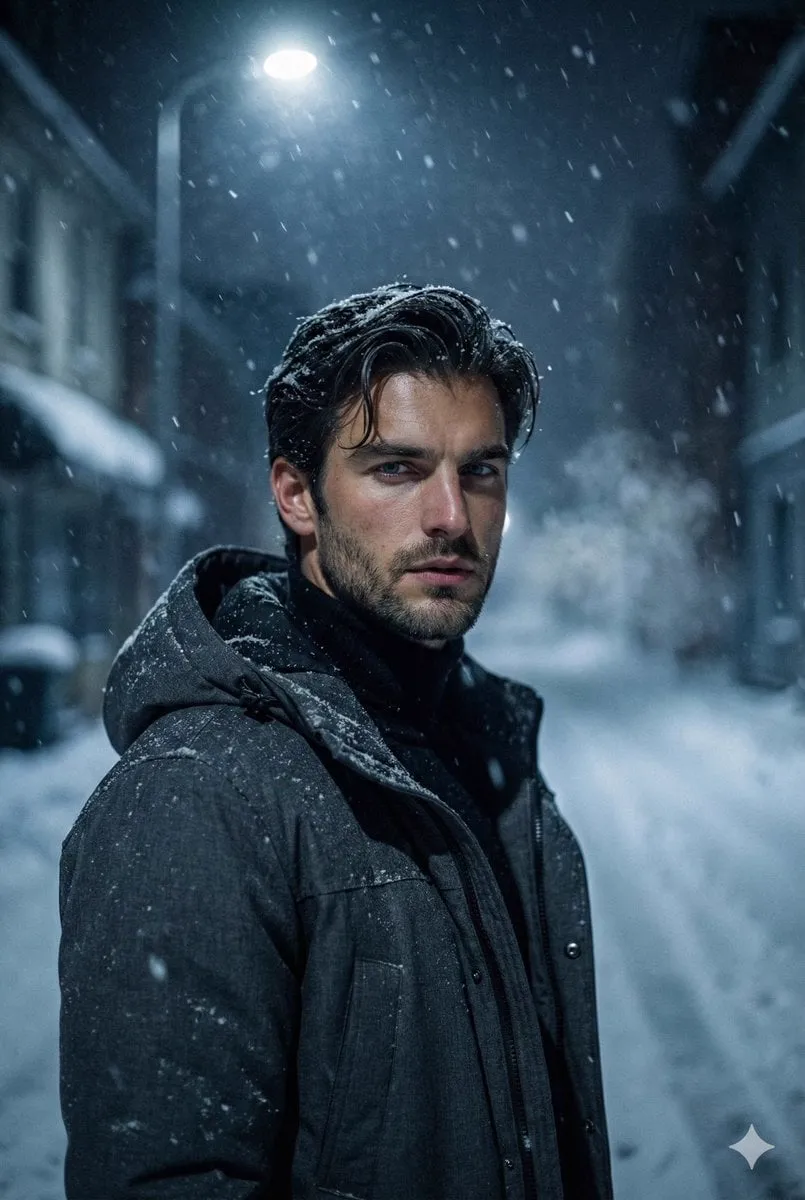
What separates a memorable ASMR video from a forgettable one
ASMR is one of the few genres where the audience is not watching for story. They are listening for texture. A viewer presses play because they want a predictable, low-stakes, close-up sensory experience that helps them sleep, study, or decompress. That single fact reshapes every production decision. Camera angles exist to serve sound. Lighting exists to make surfaces legible. Editing exists to protect rhythm rather than to create surprise.
Three properties do most of the heavy lifting in ASMR content:
- Tactile clarity. The viewer must be able to identify what is making the sound within a second or two. A tapping sound that could be a fingernail, a pencil, or a plastic cup creates cognitive noise, and cognitive noise breaks the trance.
- Proximity. ASMR lives in the near field. Wide shots, room reverb, and distant mics all push the listener away. Framing and microphone distance have to agree with each other.
- Recurrence. Attention in ASMR is fragile. A trigger that appears once and disappears reads as an accident. A trigger that returns every thirty to forty seconds in the opening two minutes reads as a promise.
Where does AI fit into this? Not in replacing the sensory core, but in removing the friction around it. AI video generation is genuinely excellent at producing the non-hero material that used to eat entire shooting days: background plates, establishing shots, atmospheric filler between trigger segments, alternate angles of a set you only built once, and short loops that keep the frame alive during a long audio passage. Used that way, it compresses a two-day shoot into an afternoon and lets you spend your energy on the part viewers actually notice, which is the sound.
The four reliable ASMR video archetypes (and how to choose one)
Almost every successful channel sits inside one of four formats. Picking the wrong one for your setup is the most common reason a first video flops.
| Archetype | What it needs | Best when |
|---|---|---|
| Personal attention / roleplay | A performer on camera, script discipline, soft-spoken delivery | You are comfortable on camera and want series continuity |
| Object-focused tactile | A quiet room, a good mic, a rotating prop library | You want maximum trigger density with minimal setup |
| Ambience / environment | Long-form audio beds, minimal performance | You want passive, sleep-length listening |
| Hybrid narrative | Voiceover, generated visuals, light story framing | You want to produce without appearing on camera |
Decision criteria, in order of importance:
- Can you appear on camera comfortably? If not, eliminate roleplay and hybrid formats are your friend.
- How much setup time can you realistically repeat weekly? Object-focused content requires re-decorating a scene every episode. Ambience does not.
- Do you want a returning character? Series continuity raises subscriber retention but multiplies consistency work, and that is exactly where AI reference-image workflows earn their keep.
- What is your trigger authenticity tolerance? If your audience is sensitive to synthetic audio, keep the primary triggers recorded and use AI for the bed.
A good instinct for a first channel is to run object-focused tactile episodes for a month, then layer in ambience episodes as a second weekly slot. You learn trigger pacing fast, you build a prop library, and you avoid the trap of over-investing in a persona before you know the audience exists.
Design the trigger plan before you generate a single frame
A trigger plan is a one-page document that maps the entire episode before production starts. It prevents the two classic failure modes: a video that opens strong and then wanders, and a video with five triggers that all sound the same.
A trigger plan for a twelve-minute episode might look like this:
- 0:00–0:40 — Single clear trigger, no talking, tight close-up. Establish the room.
- 0:40–2:30 — Slow escalation: brush, then tapping, then a dry texture like sand or rice.
- 2:30–5:00 — First spoken segment, soft and purposefully quiet.
- 5:00–8:00 — Peak trigger density: layered sounds, two objects at once, close framing.
- 8:00–10:30 — De-escalation back to a single repeated trigger.
- 10:30–12:00 — Ambient tail, near-silence, slow fade.
Notice that the plan describes intensity, not just content. That is deliberate. ASMR viewers respond to a curve. A flat twelve minutes of identical tapping loses people at around the two-minute mark, which is precisely where retention analytics will show the cliff.
Write the plan as a table with columns for timestamp, trigger, microphone, visual, and delivery style. When you get to the visual column, ask the question that decides your AI usage: does this shot need to be real, or does it only need to be believable? A hand interacting with a microphone is real. A window with rain behind it is not.
Building the visual layer with AI video generation
Start from stills, not from prompts
The most reliable way to get controlled, non-gimmicky visuals is to generate or photograph still frames first, then animate them. Text-to-video alone tends to invent camera moves and micro-motions you did not ask for, which reads as distracting in a genre built on stillness. Image-to-video keeps the composition locked and only adds the motion you specify: a slow push in, drifting dust, curtain movement, or a subtle breathing motion.
Use image-to-video for tactile close-ups
Close-up texture shots are the highest-value AI visuals in ASMR because they are cheap to fake and expensive to shoot. Think of a soap bar slowly shattering, grains of salt falling through light, steam curling off a cup, or a brush moving across fabric. Generate a sharp still of the texture, then animate it with a short, looping motion. Keep clips between three and six seconds. Longer clips accumulate artifacts, and artifacts are fatal in close-up.
Preserve characters and sets across scenes
If your episode has a returning character or a recurring location, consistency becomes the whole ballgame. Two approaches work well:
- Reference-image conditioning. Provide several angles of the same face or room and let the model treat them as the anchor for new shots. The more angles you supply, the less the face drifts.
- Asset-first building. Create a small library of approved stills for each character, prop, and set, then treat those as source material for every future episode. Naming them consistently (for example,
host-a-front,host-a-left,room-window-close) saves hours later.
Expect to review every generated frame at full size before animating. Face drift, extra fingers, and melting object edges are much easier to catch in a still than in motion.
Choose models by task, not by reputation
Different generation models are good at different things, and the difference is very visible in ASMR work:
- Subtle motion and camera control: prioritize models that accept motion strength or camera direction parameters.
- Texture realism: prioritize models with strong photographic detail and low compression smearing.
- Face and character consistency: prioritize models that support multiple reference images.
- Fast iteration: prioritize speed, because you will discard a lot of takes.
Rule of thumb: if a clip looks impressive but moves too much, it is wrong for ASMR. Restraint is the aesthetic.
Generate filler loops that stay invisible
Long audio passages need something on screen, but the visual should never compete with the sound. Generate short, low-contrast loops: a ceiling fan, rain on glass, dust in a sunbeam, a curtain edge. Then slow them down in the edit and lay them under the audio at low opacity. Viewers will not remember these shots, and that is the point. They keep the frame from freezing without pulling attention away from the trigger.
The audio pipeline: where most AI-assisted ASMR fails
AI video has improved dramatically. AI audio, especially for primary triggers, still struggles. Generated brush sounds often come out metallic, tapping sounds lose their attack, and layered effects can phase against each other in a way that feels physically wrong even to listeners who cannot explain why.
So keep the structure simple:
- Base ambience (AI is fine here). Room tone, distant rain, a low hum. This layer should sit far below everything else.
- Primary trigger (record it yourself). Brushing, tapping, whispering, crinkling. A mid-range microphone placed close and slightly off-axis will beat any generated substitute.
- Incidental detail (mix). Page turns, fabric shifts, a cup being set down. Small sounds carry a lot of realism.
- Room tone (always). Never deliver a track with digital silence between segments. Absolute silence makes the noise floor jump out when sound returns.
Recording foley in ten minutes
The fastest genuine-sounding ASMR audio comes from a phone-sized recording session. Put a mic on a stand, close a door, and record thirty seconds of each trigger you need, one at a time, with two seconds of quiet before and after. Do not aim for performance. Aim for clean, isolated takes.
Mixing targets that keep listeners comfortable
- Keep overall loudness moderate and consistent across the episode; abrupt level jumps wake people up.
- Roll off low frequencies below roughly 80 Hz to remove rumble.
- Avoid hard noise gates. Gentle downward expansion preserves the texture of quiet passages.
- Pan sparingly. Stereo width is pleasant in ambience and disorienting in close-up personal attention.
- Check the mix on phone speakers, earbuds, and a laptop before publishing. Most of your audience will hear it on one of those three.
Keeping a series visually consistent
Consistency is what turns an episode into a habit. Four practices make it manageable:
- Lock a palette. Pick three or four colors and reuse them across sets, wardrobe, and graphics. Consistency is perceived before it is noticed.
- Maintain a prop list. Track which objects appeared in which episode so you do not accidentally repeat a trigger from two weeks ago in the same framing.
- Store approved stills. Every generated visual that worked becomes a reference for the next episode.
- Standardize your shot grammar. For example: an establishing wide, then two close-ups, then a hand-level detail. Repeating your grammar makes new episodes feel instantly familiar.
A shared asset folder with clear names does more for consistency than any single prompt technique. It also makes collaboration possible, whether that is an editor, a thumbnail designer, or a second channel.
Editing rhythm: the pacing rules that hold attention
ASMR editing is counterintuitive. Most video advice tells you to cut faster. Here, faster cuts usually hurt.
- Cut on sound, not on beat. A cut that lands a fraction before a trigger begins feels seamless.
- Never cut in the middle of a sustained trigger. It breaks the illusion of a continuous physical action.
- Protect the first fifteen seconds. No intro music, no logo animation, no talking. One clear trigger, tight framing.
- Give each movement room. If your episode has three movements, each needs at least two minutes to settle.
- Cut long before you cut short. When in doubt, remove a whole segment rather than trimming everywhere.
A practical test: watch your edit with the screen off. If the audio alone feels complete and calm, the visuals are supporting it properly. If the audio feels like a set of disconnected clips, no amount of visual polish will fix it.
Packaging, publishing, and iteration
Even a calm genre needs a deliberate packaging strategy, because discovery happens in feeds that are anything but calm.
- Titles should name the trigger and the mood, not the technique. Viewers search for sensations, not workflows.
- Thumbnails should be a single readable subject with high texture and low visual clutter. Faces work when you have a returning persona; objects work when you do not.
- Chapters help long ambience videos enormously. Timestamps convert passive listeners into repeat viewers.
- Cadence matters more than production value. A steady weekly upload outperforms sporadic high-effort releases.
- Measure the right moments. Check retention at thirty seconds, three minutes, and the final quarter. The thirty-second number tells you about your hook. The three-minute number tells you about trigger pacing. The final quarter tells you whether your de-escalation works.
When a video underperforms, change one variable at a time: hook trigger, thumbnail subject, or episode length. Changing three things at once teaches you nothing.
Troubleshooting the most common AI ASMR problems
The footage looks warped or melty. Reduce motion strength, shorten clips, and avoid animating objects with thin structures like wire or hair. Generate at a higher resolution and downscale.
The same character looks different in every shot. Build a reference set of at least five angles, generate stills first, and reject any frame where the jawline or eye spacing shifts.
The audio sounds hollow or metallic. Kill the reverb, re-record the primary trigger closer to the microphone, and check for two layered copies of the same sound out of phase.
Everything feels uncanny. Slow the visuals down, lower the contrast, and remove any generated motion on faces. Stillness reads as calm; slight unnatural motion reads as wrong.
Renders are eating the schedule. Pre-render a library of reusable ambience loops and texture clips once, then reuse them across episodes. Most series only need about twenty reusable clips.
It looks like generic AI output. Add one real element to every scene: a photographed prop, a recorded sound, a real shadow. A single authentic anchor makes the surrounding generated material far more convincing.
A two-week production cadence that actually holds
- Days one to two: write the trigger plan, choose the archetype, list the visuals.
- Days three to four: record foley in one session. Clean and label the files immediately.
- Days five to seven: generate or photograph stills, then animate only the ones you approved.
- Days eight to ten: assemble the audio mix, set loudness, and check on multiple devices.
- Days eleven to twelve: edit video to the audio, add ambient loops, apply a consistent color treatment.
- Day thirteen: package, write chapters, prepare two thumbnail options.
- Day fourteen: publish, note the retention checkpoints, and log what to change next week.
This schedule assumes you are producing one episode weekly and reusing your loop and prop libraries. If your first episode runs long, that is normal. The second one takes half the time because the libraries already exist.
Frequently asked questions
Can AI generate the ASMR sounds as well as the visuals?
For ambient beds, yes, and it works well. For primary triggers, recorded audio still wins on realism, and it costs you about ten minutes per episode.
Do I need an expensive microphone?
No. A decent mid-range mic placed close, in a quiet room with soft furnishings, outperforms an expensive mic in a reflective space.
How long should an ASMR video be?
Object-focused episodes work between ten and twenty minutes. Ambience and sleep content can run thirty minutes to two hours. Match length to intent, not to a platform default.
Will viewers reject AI-generated visuals?
They reject visuals that call attention to themselves. Slow, low-motion, texture-forward generated shots pass without comment because they behave like real footage.
What frame rate and resolution should I use?
Standard HD at 24 or 30 frames per second is fine. High frame rates make subtle motion look artificial.
How many triggers belong in one video?
Three to five distinct triggers for a twelve-minute episode, each returning at least twice. More than that turns the experience into a sampler instead of a session.
Where should I start if I have never made one?
Record a two-minute object-focused clip: one trigger, one close-up, one microphone. Publish it, read the retention graph, and build the next episode around what held.
The genre rewards patience over spectacle. AI tools let you produce calm, consistent, texture-rich video at a pace that would have been impractical a few years ago, but the taste decisions are still yours: what sounds good, what feels close, and what deserves to be repeated. Get those three right, and the technology quietly disappears behind the experience, which is exactly where it belongs.

Alexander
More Blogs
Read MoreVidu Q4 Alternatives: 4K AI Video Models Compared (2026)
Vidu Q4 alternatives compared: Kling 4.0, Seedance 2.5, Wan 3.0, and Runway Gen-4 — 4K support, input modes, durations, audio, and what each costs in credits on Domer.
Top 4K AI Image Generators in 2026: 5 Models Compared on Real Costs
The top 4K AI image generators on Domer compared: Flux 3 Klein, Nano Banana 2.1, GPT Image 2.5, GPT Image 2, and Nano Banana Pro — 4K credit costs, reference limits, and speed.
Nano Banana 2.1 vs GPT Image 2.5: Which Image Model Should You Use? (2026)
Nano Banana 2.1 vs GPT Image 2.5 Flare compared: credit costs per resolution, aspect ratios, reference images, text rendering, and which tasks fit each model.