

Affiliazione
Inizia Gratis Ora
Visual Storytelling for Nonprofits: A Video Workflow Guide
Oct 15, 2026
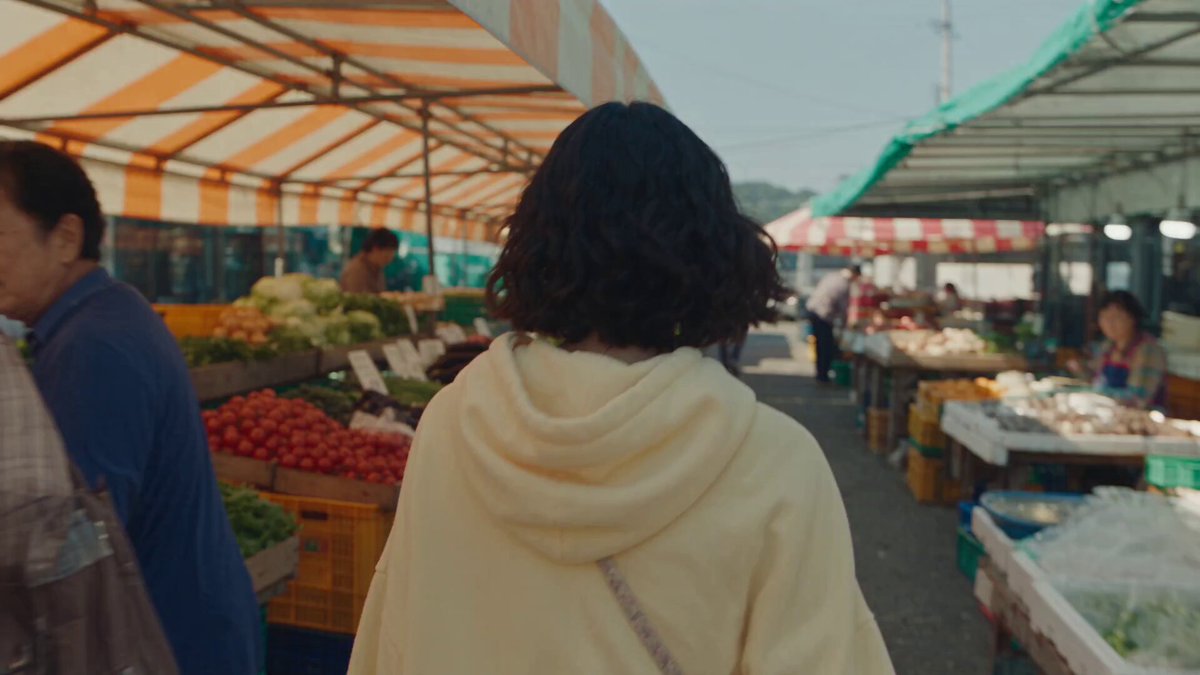

Why video is still the highest-leverage format for cause-driven work
Most nonprofit teams are not short on conviction. They are short on time, budget, and the ability to turn a complicated mission into something a stranger will care about in ninety seconds. Video solves that translation problem better than almost any other format, because it carries three things at once: a face, a voice, and a place. A written appeal can describe a water project. A video can show a child walking past the old well and then standing at the new one. The difference in emotional compression is enormous.
The practical case is just as strong. Video travels further than any other asset a small communications team produces. A single well-made three-minute film can be cut into vertical clips, embedded in an email, played at a live event, and reused in grant reporting for years. That reuse curve is what makes video worth the upfront effort even when production feels intimidating.
This guide walks through a complete workflow: how to choose a story, how to structure it, how to produce it lean, where AI tools genuinely help, how to distribute it across channels, and how to measure whether it did anything at all. It is written for teams of one to ten people, working with real constraints.
Start with a story brief, not a script
A script written before the story is understood produces footage that looks fine and says nothing. The brief is the cheapest place to fix that.
The four questions every brief must answer
- Whose story is this? Name the person, community, or team at the center. If you cannot name someone, you are writing an institutional summary, not a story.
- What changed? A story requires movement. Something was broken, blocked, or absent, and now something is different.
- What did the organization actually do? Be precise and humble. Overclaiming is the fastest way to lose a skeptical donor.
- What should the viewer do next? One action. Donate, sign, volunteer, share, or attend. More than one dilutes all of them.
Write these four answers on a single page and circulate them for sign-off before anyone picks up a camera. This single habit prevents the most common and most expensive nonprofit video failure: a shoot that produces beautiful material which nobody can edit into a clear argument.
Choosing the right protagonist
There is a real ethical divide between telling someone's story and using someone's story. The safest working rule is that the person at the center should be able to explain, in their own words, why they want this told and what they expect to happen afterward. If a subject cannot articulate that, they are not ready to be filmed, regardless of how compelling their situation is.
Prefer protagonists who have agency in the story. A person rebuilding a business after displacement is a stronger long-term subject than a person shown only in distress, because the audience meets someone who is acting, not only receiving. That framing also gives you a natural ending that is not dependent on the viewer's pity.
Narrative structures that hold attention without exploiting anyone
The four-beat arc
Most effective cause-driven videos follow a loose four-beat structure:
- Ordinary world. Establish the person and the texture of daily life in twenty to thirty seconds. Detail matters more than exposition. A specific detail — a school bag, a bus route, a half-finished roof — does more work than a narration line about hardship.
- Rupture. Something interrupts or constrains that life. Keep this honest and specific rather than sweeping. Avoid dramatic music paired with generic suffering footage; audiences recognize that pattern and distance themselves from it.
- Agency and intervention. Show what the person did and what the organization contributed. The order matters. Support should appear as a lever, not a rescue.
- Resolution and invitation. Show the new normal, then hand the viewer a concrete next step.
The ethics checkpoint
Before locking an edit, run three checks. First, would the subject recognize themselves and feel fairly represented? Second, does the video describe a problem without reducing a community to that problem? Third, is any statistic used to create shock rather than understanding? A video that fails these checks may still raise money once, but it damages the trust that sustained giving depends on.
Consent is a process, not a form. Explain where the video will appear, how long it will stay online, and how to request changes or removal later. Keep that promise. It is also worth deciding up front whether you will cover the travel or time costs of anyone you film; if you cannot, say so clearly before filming starts.
Build a lean production pipeline
Pre-production
Spend at least as long planning as filming. A practical checklist for a small team:
- A one-page brief with the four answers above
- A shot list of twelve to twenty required shots, ordered by location rather than story sequence
- Interview questions written as open prompts, not yes-or-no questions
- Signed permissions for adults and guardians, plus releases for any identifiable minors
- A schedule that includes buffer time, because community shoots rarely run to plan
- A named decision-maker for the final cut
That last item is underrated. Videos die in committee. One person should own the final version, with others consulted earlier.
Production
Modern phone cameras are genuinely sufficient for interviews and b-roll if you respect three limits: light, sound, and stability. Shoot interviews near a window or bring one soft light. Put a lavalier mic on the subject and record a backup track on a second device. Use a tripod or gimbal rather than relying on handheld footage.
Interview craft matters more than gear. Ask subjects to answer in full sentences, then stay quiet after they finish a thought. The pause after an answer is where the best material usually lives. Shoot plenty of environment b-roll: hands, streets, tools, weather, walking. These shots give the editor breathing room and let the audience feel place.
Post-production
Edit for clarity before elegance. A useful sequence:
- Build a radio edit — audio only, no visuals. If the story works with sound alone, the visuals will elevate it. If it does not work, no amount of drone footage will fix it.
- Lay in interview selects before b-roll.
- Trim ruthlessly. Aim for a hero film of two to three minutes; longer cuts belong in grant reports or event screenings.
- Add subtitles as burned-in text for social edits, since most viewers watch muted.
- Mix audio last, and check the final mix on a phone speaker, not studio headphones.
On-screen acknowledgements, permissions to use music, and captions in the languages your audience actually speaks are not optional extras. They are part of the finished product.
Where AI tools genuinely help — and where they do not
AI has changed the cost structure of nonprofit video, but the useful dividing line is between preparation work and testimony.
Tasks worth automating
- Transcription and interview logging. Automatic transcription turns two hours of footage into a searchable document in minutes. This is the single biggest time saver in the pipeline and the least controversial.
- First-pass rough cuts. Tools that assemble selects by topic can produce a rough assembly you then rewrite. Treat the output as a draft, never as the final edit.
- Subtitling and translation. Machine subtitles, cleaned up by a human speaker, extend reach into multilingual audiences cheaply.
- Storyboard and moodboard generation. Generating visual references before a shoot helps align a small team and communicate with partners.
- Stock replacement for abstract concepts. When you need a shot of supply chains or climate systems that you cannot film, synthetic or library footage can carry transitional beats.
Tasks that should stay human
Do not generate a synthetic voice to read a survivor's testimony, and do not generate images of real places or people you did not film and present them as documentary footage. The reputational cost of a discovered fabrication is far higher than a slightly rougher honest shot. If you use generated imagery, label it — audiences tolerate stylised illustration and reject deception.
Keep a written policy: what you will and will not create artificially, who approves it, and how it is labelled. A short internal policy prevents a well-meaning volunteer from crossing a line the organization would never endorse.
Repurpose one story across every channel
A single two-to-three-minute hero film should yield six to ten additional assets. Plan that cut-down map before distribution, not after.
A typical set for one story:
- Hero film (2–3 minutes) for the website, events, and partner sharing
- Three vertical clips (20–45 seconds) each built around a single line of testimony or a single turn in the story
- A 60-second version for mid-roll placement in a newsletter
- A silent-loopable 15-second version for out-of-home screens or social feeds
- A quote card set using two or three verbatim lines
- A still-image sequence for grant reports and slide decks
Each cut should stand alone. A vertical clip that opens with a title card explaining context loses most viewers before the story starts. Open with the strongest human moment instead.
Distribution: reaching beyond your existing supporters
Your current list is not a channel; it is an audience you have already converted. Growth comes from three places: partner amplification, creator collaboration, and search-friendly evergreen pages.
Partner amplification is the cheapest. Offer a ready-made 60-second cut and suggested copy to peer organizations, local businesses, and community groups. Make it effortless for them to publish.
Creator collaboration works when a creator genuinely has a connection to the issue. Brief them on your accuracy constraints, then let them use their own voice. A stiff scripted endorsement performs worse than an imperfect authentic one.
Evergreen pages matter because most of your video views will arrive months after launch, from search. Give each film a real landing page with a transcript, context paragraphs, and a clear action. Publish the transcript for accessibility and for discovery.
Measure what actually matters
Three layers of metrics
- Output: number of assets produced, languages subtitled, channels covered.
- Engagement: watch-through rate at 25/50/75 percent for the hero film, vertical clip completion rate, landing-page scroll depth.
- Outcome: actions attributed to video touchpoints — donations, sign-ups, volunteer enquiries, event attendance.
Attribution is imperfect; be honest about that rather than pretending precision. A simple approach is to tag every video link with a campaign parameter and compare conversion rates for visitors who watched versus those who did not.
A reporting rhythm that survives busy months
Review numbers monthly at the campaign level, not per video. Quarterly, retire the two worst-performing formats and double down on the best. Keep a one-page summary of what you learned about your audience — which moments they rewatch, which calls to action they respond to — because that knowledge compounds across every future production.
Common mistakes and how to avoid them
Leading with the organization. The first thirty seconds should be about a person or a place, not about institutional history. Your name earns its place once the viewer cares.
Overloading the call to action. One primary action per video. Secondary options belong below the fold on the landing page.
Ignoring sound. Poor audio is the fastest way to lose an audience. Budget for a microphone before you budget for a better camera.
Skipping accessibility. Subtitles, transcripts, adequate contrast, and descriptive text alternatives for visuals make your work usable by more people and better indexed by search engines.
Filming once and never returning. The strongest films often come from a second or third visit, when people are comfortable and the initial performance drops away. Plan stories as long-term relationships rather than one-off shoots.
A practical starting point for a small team
If you have one person and one week, do this: pick a single protagonist, write the four-answer brief, film one interview and a dozen b-roll shots on a phone, build a radio edit, then cut a ninety-second version and a thirty-second vertical. Publish both with subtitles and a transcript. Measure completion rate and clicks. Repeat the format that worked.
Momentum in cause-driven communication comes from rhythm, not from a single perfect launch film. A team that ships four honest, well-structured videos a year will outperform a team that spends the same time chasing one cinematic production. The story is the strategy; the camera is just the tool.
FAQ
How long should a nonprofit video be?
Two to three minutes for a hero film, twenty to forty-five seconds for social cuts, and up to eight minutes only for event screenings or grant documentation where the audience has opted in. Front-load the human moment in every version.
Do we need professional equipment?
No. Prioritise a good microphone, steady support, and decent light. A phone with clean audio and stable framing beats an expensive camera with shaky footage and room echo.
Is it acceptable to use AI-generated visuals?
For abstract concepts, transitions, and stylised illustration, yes — if it is labelled. Never present generated images or voices as documentary record of real people or events, and never replace a subject's own testimony with a synthetic voice.
How do we handle consent for vulnerable subjects?
Explain exactly where the video will appear, how long it will remain online, and how someone can request removal later. Get written consent, involve guardians for minors, and be willing to cut material even when it is powerful if the subject later asks you to.
What if we only have footage from one shoot?
Build the story around what you have and be transparent in the edit. Add context through transcripts, stills from the same day, or a follow-up interview recorded remotely. A tighter, honest cut outperforms one padded with unrelated library footage.
How do we prove video is worth the investment?
Track engagement and outcome metrics together, and compare conversion rates for viewers versus non-viewers of the same campaign. Report the results in plain language, then reuse the top-performing format deliberately rather than starting from scratch each time.

Alexander
More Blogs
Read MoreVidu Q4 Alternatives: 4K AI Video Models Compared (2026)
Vidu Q4 alternatives compared: Kling 4.0, Seedance 2.5, Wan 3.0, and Runway Gen-4 — 4K support, input modes, durations, audio, and what each costs in credits on Domer.
Top 4K AI Image Generators in 2026: 5 Models Compared on Real Costs
The top 4K AI image generators on Domer compared: Flux 3 Klein, Nano Banana 2.1, GPT Image 2.5, GPT Image 2, and Nano Banana Pro — 4K credit costs, reference limits, and speed.
Nano Banana 2.1 vs GPT Image 2.5: Which Image Model Should You Use? (2026)
Nano Banana 2.1 vs GPT Image 2.5 Flare compared: credit costs per resolution, aspect ratios, reference images, text rendering, and which tasks fit each model.