
AI Video Generators in Advertising: A Practical Workflow
Oct 15, 2026

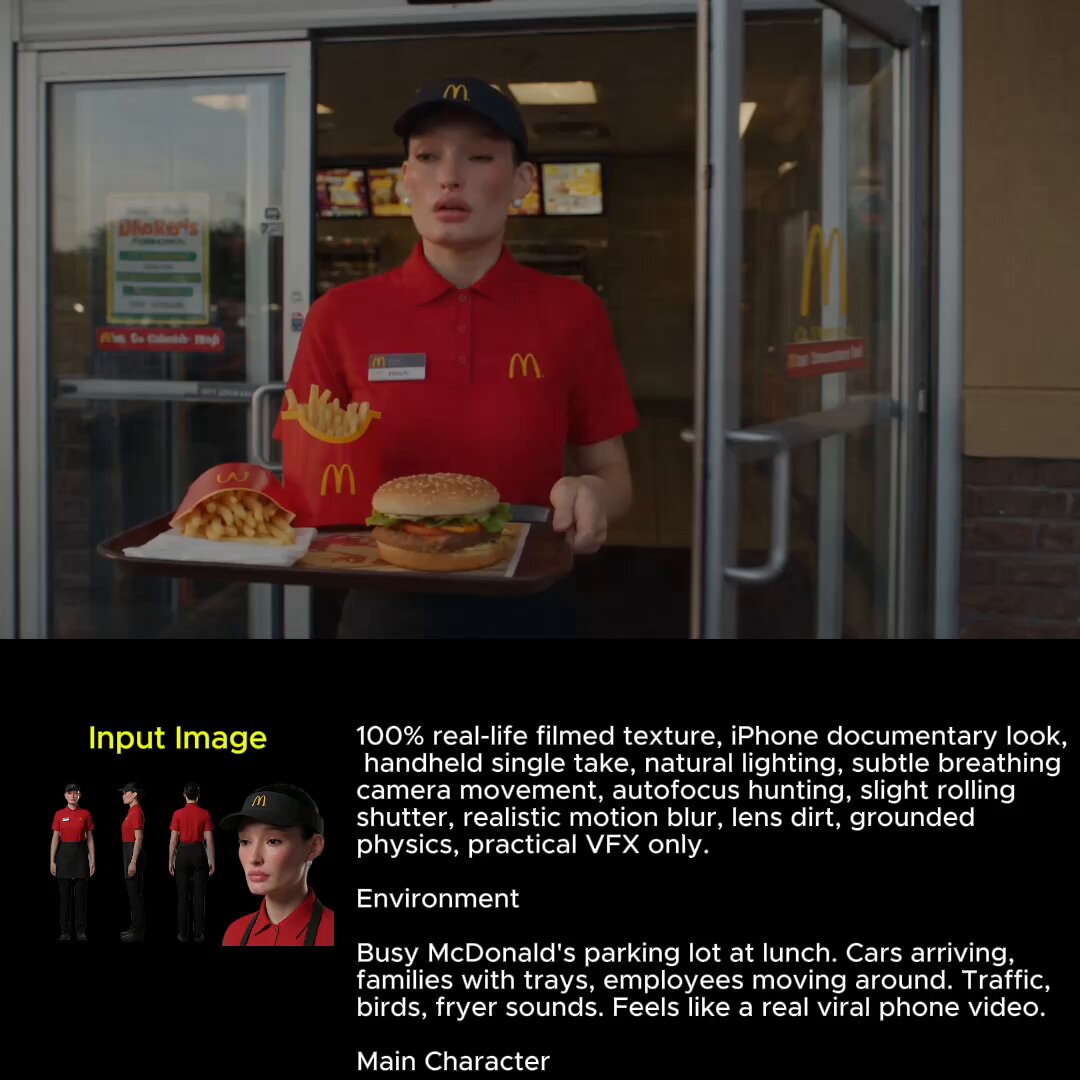
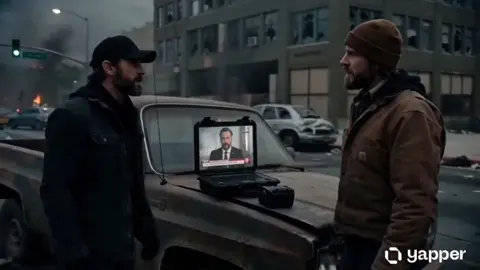
Advertising has always rewarded three things: speed, relevance, and volume. Traditional video production makes all three expensive, which is why most campaigns still ship one hero film plus a few cutdowns. Generative video tooling changes that arithmetic. It does not replace creative judgment — it makes variation cheap enough to treat as a default rather than a luxury.
Why AI Video Changed the Economics of Advertising
For decades the cost of a video ad was dominated by fixed expenses: location scouting, permits, crew, talent, wardrobe, equipment rental, edit suites, color, sound, and revision cycles that always ran longer than planned. Those costs scale badly downward. A brand that wants ten variations pays for ten productions, because version nine still needs the studio, the actors, and the editors.
Generative tools break the link between asset count and production budget. Once a team has an approved visual language — palette, framing rules, product angles, logo placement, tone of voice — the marginal cost of the eleventh cut approaches zero. The expensive part moves upstream to preparation: getting the brand system, message hierarchy, and review process coherent enough that a generator has something meaningful to work from.
The strategic consequence matters more than the savings. When variants are cheap, planning changes shape. Instead of defending a single concept for a quarter, teams ship families of related concepts and let audience response pick the winner. That is a different discipline. It demands clean briefs, naming conventions, a measurement plan, and the willingness to kill work that tests poorly.
What does not change is taste. Generators produce options; humans decide what belongs. Teams that struggle usually mistake generation for strategy and end up with volume but no point of view.
Where the Traditional Production Pipeline Breaks
Fixed costs that refuse to shrink
A polished commercial can consume a substantial budget before anyone edits a frame. The spend is front-loaded and largely irreversible: once the shoot day is booked, you are paying whether or not the concept works. Small brands and regional teams feel this most, because they need the same volume of content as larger competitors without the same budget.
Turnarounds measured in weeks
Script approval, casting, scheduling, shooting, editing, feedback, color, legal review — each stage adds days. Seasonal moments, trend windows, and news-driven opportunities usually expire well before the pipeline delivers. By the time a campaign ships, the insight that inspired it may already be stale.
One message for many audiences
Broad messaging is a compromise. It avoids alienating anyone but rarely moves anyone either. Modern audiences encounter hundreds of ads a day and have learned to skip anything that does not feel aimed at them. A single message cannot be genuinely relevant to a first-time buyer, a lapsed customer, and a power user at the same time.
Format fragmentation
A single campaign now needs vertical, square, horizontal, and long-form versions, each with different safe zones, caption behavior, and pacing expectations. Reshooting per placement is impractical, so teams crop and hope. Cropping loses composition, kills text legibility, and makes product shots look accidental.
A Practical AI Ad Workflow, Step by Step
The workflow below is tool-agnostic. Swap in whatever generator your team prefers; the structure is what protects quality.
Step 1 — Write the brief as a decision document
Include the audience segment, the single promise, the proof point, the desired action, the mandatory brand elements, and the things that are forbidden. If you cannot state the promise in one sentence, the video will not fix that.
Step 2 — Script for the edit, not for the page
Write in beats: hook, context, proof, payoff, call to action. Give each beat a target duration. Six to ten seconds per beat is a workable rhythm for short placements, and much of the value of AI assistance is that it forces this kind of modular thinking.
Step 3 — Build an asset bank before generating
Collect approved product photography, logo files with clear-space rules, brand typefaces, reference frames you like, and reference frames you dislike with reasons attached. Models are pattern matchers; a curated reference set is the fastest way to keep output consistent across many generations.
Step 4 — Generate shots, not stories
Ask for individual shots with explicit camera language: product rotating on a matte surface, hands opening packaging, wide street scene at dusk, slow push-in on a face. Shot-level generation is easier to review, easier to regenerate, and easier to recombine than trying to get one long coherent sequence in a single pass.
Step 5 — Assemble and sound-design
Cut generated shots against your beat sheet. Add music, voice, and on-screen text. Sound is where AI-assisted ads most often feel cheap, so budget real attention here: a licensed track and a clean voice read lift perceived production value more than another round of visual tweaks.
Step 6 — Prepare variants deliberately
Change one variable at a time: hook, opening frame, offer phrasing, spokesperson, or ending card. Ten random variations teach you nothing; five controlled pairs teach you something you can reuse.
Step 7 — Review against a checklist before publishing
Check brand elements, legal claims, text legibility on small screens, caption accuracy, safe zones, and aspect ratios. Approval checklists exist because the failure modes repeat: a misplaced logo or an unverified claim can undo an otherwise strong ad.
Personalization at Scale Without Losing the Brand
Personalization fails in two directions. Too generic and nobody cares; too tailored and the brand fragments into unrecognizable pieces.
The workable middle ground is segment-level personalization with a fixed creative spine. Keep the visual system, the promise, and the closing frame identical everywhere. Vary the opening hook, the example shown, the language, and the proof point. A fitness brand can keep one identity while showing a beginner first week to new audiences and a plateau-breaking routine to experienced users.
Practical guardrails:
- Define three to six audience segments, not thirty.
- Lock a brand DNA document: palette, type, tone, pacing, camera preferences, banned tropes.
- Require every variant to pass the same checklist, regardless of who generated it.
- Keep a shared library of approved shots so variants draw from one visual source of truth.
- Version-name everything with date, segment, platform, and variable, so analysis does not collapse into guesswork.
Choosing Tools: What Actually Matters
Feature lists are long and rarely decisive. These criteria separate tools that survive contact with a real campaign from tools that impress in a demo.
- Consistency across generations. Can it hold a character, product, or location steady across many shots? Consistency is harder than spectacle.
- Control surface. Do you get camera moves, duration, aspect ratio, seed reuse, and reference images? Control is what makes review cycles short.
- Iteration speed. Fast, cheap regeneration changes behavior. If each attempt costs minutes, teams stop experimenting.
- Editing integration. Export formats, resolution, frame rate, alpha channels, and whether output survives a professional edit.
- Rights and commercial terms. Confirm what you may use commercially, how training data is handled, and what happens to your uploads.
- Team workflow. Shared projects, comments, versioning, and approval states matter more than a long model list once more than two people are involved.
- Localization. Subtitle handling, lip-sync quality, and whether voices sound natural in each target market.
A useful test: give the tool a real brief with a real deadline and see how long it takes to reach an approving stakeholder. That number predicts your production capacity better than any benchmark.
Platform Cutdowns: One Concept, Every Placement
Design for the smallest frame first. Vertical 9:16 is now the constraint that shapes composition, because anything that works vertically can usually be letterboxed or expanded, while the reverse is rarely true.
Practical rules: keep the subject centered with generous headroom, avoid critical text near the edges, plan captions as burned-in or platform-native, and design a three-second hook that works with sound off. When you generate shots, render them at the largest size you need and crop inward rather than regenerating per platform. Regenerating means visual drift, and drift across placements makes a campaign look inconsistent.
For longer placements, reuse the same generated shots but slow the pacing and add context beats rather than inventing new footage. The goal is one coherent story told at several lengths, not several unrelated stories.
Testing, Measurement, and Iteration
Decide what better means before you publish. Common primary metrics span hook retention, completion rate, click-through, cost per acquisition, and branded search lift. Pick one primary metric per test and treat the rest as diagnostics.
Then run honest tests. Hold audience, placement, and budget constant while varying a single creative element. Give each variant enough delivery to escape noise. Read the retention curve, not just the average: a drop at two seconds points to the hook, a drop at the midpoint points to pacing, and a drop at the end points to a weak call to action.
Feed findings back into your asset bank. A hook that outperforms becomes a template. A visual style that underperforms gets retired. Over a few cycles you accumulate a library of proven components, which is a genuine competitive advantage.
Brand Safety, Rights, and Disclosure
AI-assisted advertising raises questions that pre-production checklists did not have to answer.
- Likeness and voice. Do not generate recognizable people or voices without documented permission.
- Claims. Generated visuals can imply results a product does not deliver. Review imagery as carefully as copy.
- Training and licensing. Know your tool commercial terms, including whether outputs can be used in paid media.
- Disclosure. Follow local requirements and platform policies for synthetic media, especially in political, health, and financial contexts.
- Bias and representation. Audit output across segments; generators reproduce the patterns in their references.
- Data hygiene. Do not paste confidential campaign plans or unreleased product details into tools you have not vetted.
Common Mistakes That Waste Budget
- Generating before briefing. Output is only as coherent as the input, and vague prompts produce beautiful but useless footage.
- Chasing spectacle over clarity. Impressive camera moves do not compensate for an unclear promise.
- Skipping sound. Weak music and robotic voice work undo strong visuals instantly.
- Changing many variables at once. You learn nothing and burn the test window.
- Ignoring the smaller frame. A spot that only works in widescreen loses most of its potential distribution.
- No naming convention. Without disciplined file naming, analysis becomes archaeology.
- Publishing without a checklist. Logo, claim, caption, and safe-zone errors are the most common and most preventable failures.
- Treating generation as a one-time project. The payoff comes from an accumulating library, not a single sprint.
FAQ: AI Video in Advertising
How long does an AI-assisted ad take?
A single short placement can move from brief to approved cut in a day or two once the asset bank and review process already exist. New brand systems take longer, because the first few generations establish the visual language everything else inherits.
Does this replace agencies or editors?
It changes what they spend time on. Strategy, art direction, sound design, and editing judgment matter more when raw footage is abundant. The work shifts from producing material to choosing and shaping it.
Will audiences notice?
Sometimes, and often because of small details: unnatural hands, drifting backgrounds, or flat voice delivery. Careful shot selection, real sound design, and human review remove most of the tell.
Can I keep a consistent character or product across shots?
Yes, with reference images and consistent prompting, though consistency requires discipline. Locking a small set of approved shots and reusing them across variants is often more effective than regenerating a character repeatedly.
What about legal risk?
The main risks are likeness, unlicensed music, misleading claims, and unclear commercial terms for generated output. Document permissions, use licensed assets, and keep a review step for claims.
Do I still need a script?
More than ever. The script is what keeps a large volume of generated footage from turning into noise.
How should a small team start?
Pick one product, one audience, and one placement. Build the asset bank, generate a dozen shots, cut three variants, and test them for a week. Most of the learning comes from the second cycle, not the first.
The teams getting the most from AI video treat it as production capacity rather than as a creative oracle. They write sharper briefs, build asset libraries, test one variable at a time, and keep humans on the decisions that carry brand weight. Cheap variation plus disciplined judgment is what actually changes advertising outcomes.

Alexander
More Blogs
Read MoreVidu Q4 Alternatives: 4K AI Video Models Compared (2026)
Vidu Q4 alternatives compared: Kling 4.0, Seedance 2.5, Wan 3.0, and Runway Gen-4 — 4K support, input modes, durations, audio, and what each costs in credits on Domer.
Top 4K AI Image Generators in 2026: 5 Models Compared on Real Costs
The top 4K AI image generators on Domer compared: Flux 3 Klein, Nano Banana 2.1, GPT Image 2.5, GPT Image 2, and Nano Banana Pro — 4K credit costs, reference limits, and speed.
Nano Banana 2.1 vs GPT Image 2.5: Which Image Model Should You Use? (2026)
Nano Banana 2.1 vs GPT Image 2.5 Flare compared: credit costs per resolution, aspect ratios, reference images, text rendering, and which tasks fit each model.