

Script to Animation Video: A Practical AI Workflow Guide
Oct 13, 2026
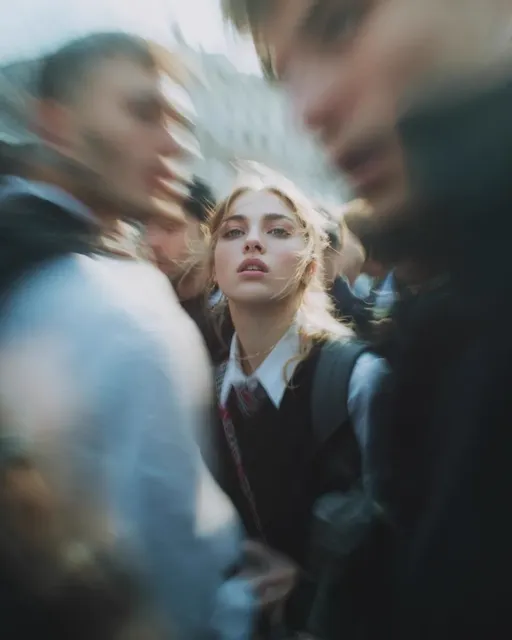

Why Script-to-Animation Is a Different Discipline Than Text-to-Video
Most AI video demos stop at a single clip: one prompt, a few seconds of movement, a share. Turning a finished script into an animated sequence is a different kind of work. A script carries structure — acts, scenes, beats, dialogue, pacing — and the finished video has to preserve that structure across dozens or hundreds of shots generated at different moments, often by different tools with different settings.
That mismatch is where most projects fall apart. Teams treat each shot as an isolated task, then discover in the edit that faces change between cuts, lighting drifts, voices shift register, and the emotional arc disappears because nobody planned the transitions. The single biggest upgrade available to anyone working here is to stop thinking in prompts and start thinking in pipelines.
This guide covers the whole chain: how script-driven animation pipelines work, how to choose tooling without getting locked in, how to write scripts machines can follow, how to hold visual consistency across a long runtime, and what to verify before export. It is written for teams who want repeatable results rather than one-off experiments.
The Six Stages of a Workable Pipeline
Every workable pipeline contains the same six stages, whether you build it yourself or assemble it from commercial tools.
Script ingest and normalization
Convert the raw script into a machine-readable structure: scene numbers, locations, time of day, characters present, dialogue, action lines. Formatting matters more than people expect. A script with consistent scene headings parses cleanly; flowing prose produces chaotic breakdowns.
Shot breakdown
Divide each scene into shots — the smallest unit of continuous action from one camera setup. A three-page dialogue scene might become twelve shots. This is where you decide coverage: wide establishing, medium two-shot, close-up on the listener, insert of the object under discussion.
Visual development
Before generating anything, lock the look. Character sheets, color palettes, environment references, and a lighting rule set. Skip this and every shot becomes a fresh creative decision; the film ends up looking like an anthology rather than a story.
Generation
Build prompts per shot from the breakdown plus the visual development assets. Depending on your toolchain this may mean text-to-image for keyframes, image-to-video for motion, and separate passes for camera moves.
Assembly and continuity
Cut the shots together, adjust timing, catch continuity errors. Pacing lives here. A beautiful shot that runs two seconds long can wreck a scene.
Sound and finish
Dialogue, ambience, music, color. Animated video without considered sound design reads as a technical demo rather than a finished piece.
Skipping stages four through six is the most common cause of disappointing output. Generation is the flashy part, but it is roughly a quarter of the work.
Choosing a Toolchain: Decision Criteria That Actually Matter
Output length per generation
Some tools produce four to eight seconds of usable motion. Others stretch past twenty with degrading coherence. If your script has long continuous takes, you need either a tool that handles longer clips or a deliberate plan to stitch with cuts on action.
Control over camera and motion
Prompt-driven motion is unpredictable. Tools that expose camera parameters — dolly, pan, crane, focal length hints — give you a fighting chance of matching a shot to the intent in the script.
Character consistency mechanisms
Look for reference-image conditioning, character embeddings, or dedicated character-lock features. Without one of these, keeping a lead recognizable across forty shots becomes a manual retouching job.
Style range and art direction
If the project needs a specific look — flat 2D, painterly 3D, stop-motion texture — test whether the tool holds that style across prompts or drifts toward its own house aesthetic.
Export and integration
Frame rates, resolutions, alpha channels, and access to intermediate assets matter more than demo reels suggest. A pipeline that traps your shots inside a web player is not a pipeline.
Iteration cost
How fast can you regenerate a single shot? Projects live or die on iteration speed. If a fix takes an hour you will accept bad shots; if it takes ninety seconds you will fix them.
Rights and commercial use
Confirm what you may do with output and whether generated assets can go into commercial distribution. Settle this in writing before production starts, not after.
Writing Scripts That Machines Can Follow
A script written for humans is full of implication. She realizes what he means is beautiful direction for an actor and a nightmare for a generator. Rewriting for machine interpretation does not mean dumbing down the story; it means externalizing what was implicit.
Make action visible. Replace internal states with observable behavior. Instead of he grows suspicious, write he stops eating, sets down his fork, and watches her hands. Now the shot has something to render.
Keep one dominant action per shot. Multi-action lines produce muddled output. Split them.
Name locations consistently. Apartment, the flat, and living room appearing across three scenes will be read as three different places.
Specify time of day and light. Generators lean heavily on lighting cues to build mood. If you do not specify, you get default daylight.
Write dialogue in short beats. Long speeches are hard to stage and hard to sync. Two-line exchanges animate better.
Include a style bible. One document describing palette, character silhouettes, era, texture, and lens language. Paste relevant fragments into prompts rather than writing new descriptions every time.
A practical trick: write the script twice. First as a story. Then as a shot list with a style column. The second pass is the one that goes into production.
Prompt Architecture for Shot Generation
Treat prompts as structured data rather than sentences. A reliable pattern covers five slots, in order: subject, action, environment, camera, style.
- Subject: who or what, with identifying traits — age, wardrobe, silhouette, distinguishing features.
- Action: the single dominant verb phrase, present tense.
- Environment: location, time of day, weather, background activity.
- Camera: shot size, angle, movement, lens feel.
- Style: medium, palette, reference era, texture, lighting quality.
Keeping the order stable makes debugging possible. When a shot comes out wrong you can identify which slot is failing instead of rewriting everything.
An example for a mid-film beat might read: a teenage girl in a faded green raincoat stepping backward into a doorway, on a narrow city street at dusk during heavy rain with blurred pedestrians passing, medium shot, slight handheld drift, 35mm feel, muted teal palette, soft practical lighting.
Build a negative library as well: artifacts you consistently do not want, such as warped hands, extra limbs, text overlays, watermarks, or unintended lens flare. Reusing the same negative list across a project reduces random variation.
Finally, version your prompts. Save every prompt that produced an approved shot next to the shot itself. When you need a pick-up shot three weeks later, matching the original is trivial instead of archaeological.
Holding Visual Consistency Across a Long Runtime
Consistency is the hardest problem in script-driven animation, and it is solved with process more than with any single feature.
Lock references first. Approve one hero image per character and per key location before generating anything else. Everything downstream conditions on those references.
Use a shot ledger. A spreadsheet with columns for scene, shot, characters present, wardrobe state, time of day, and approved take. Continuity errors drop sharply once that information lives in one place.
Change one variable at a time. If a shot fails, adjust the action or the camera, not both. Random regeneration in hope of improvement wastes hours.
Batch by location. Generate all shots in a location during one session with the same references loaded. Small environmental drifts are less noticeable when adjacent shots were made together.
Accept controlled imperfection. Perfect consistency is not achievable yet. Slight stylistic variation between scenes can read as intentional if the color grade unifies the film.
Protect the silhouette. A character outline carries more identity across varied lighting than facial detail does. If faces drift, lean on shape, wardrobe, and color to keep the audience oriented.
Common Mistakes and How to Avoid Them
Generating before designing. The most expensive mistake. Character sheets and a palette take an afternoon and save weeks.
Overprompting. Very long prompts dilute attention. Five clear slots beat five hundred words of prose.
Ignoring sound. Dialogue, footsteps, room tone, and music carry more perceived quality than most creators assume. Budget real time for audio.
Editing in generation order. Cut for rhythm and emotion, not for the sequence in which shots were produced.
No pick-up plan. Every project needs replacement shots. Keep prompts and assets organized so reshoots take minutes rather than days.
Switching tools mid-production. Changing generation engines halfway through usually costs more in consistency than it gains in quality.
Chasing length over clarity. Filling a runtime with slow, unmotivated shots is the fastest way to lose an audience. Cut ruthlessly.
Quality Control Before Export
Run a structured pass rather than an intuitive one.
- Watch with the sound off. Does the visual story read? If the plot only works with dialogue, the staging is weak.
- Watch at double speed. Pacing problems and dead air become obvious.
- Check the first five seconds. Retention depends on the opening. If the first shot is a slow establishing pan, consider cutting it.
- Scan frame by frame at cut points. Transitions hide artifacts.
- Verify continuity. Wardrobe, props, time of day, character positions.
- Test dialogue intelligibility on phone speakers. Most viewers watch on small screens.
- Confirm export settings. Resolution, frame rate, bitrate, color space, captions.
A checklist run consistently improves perceived quality more than a marginal upgrade in generation fidelity.
Where This Workflow Pays Off
Script-to-animation pipelines suit particular kinds of projects: explainer and training content where recurring characters guide viewers through concepts; short narrative films and pilot pitches where live-action costs are prohibitive; previsualization for larger productions, where an animated cut communicates intent faster than storyboards; marketing spots that need a distinctive illustrated look; and localization work where swapping dialogue is far cheaper than reshooting.
They suit fewer projects where photorealistic human performance is the entire point, where extremely long continuous takes are required, or where the creative team needs frame-level authorial control over every pixel. Knowing which category you are in saves months of misdirected effort.
A useful test: if the story would still work as an animated sequence with simplified character detail, the pipeline is a good fit. If the value lies in an actor subtle facial performance, it is not.
FAQ
How long does a short animated piece take? A two- to three-minute piece with a dedicated operator typically takes one to three weeks, dominated by iteration and sound rather than raw generation.
Do I need animation experience? Not traditional animation skills, but you do need editing instincts, a sense of pacing, and the discipline to maintain a style bible.
Can one tool run the whole pipeline? Sometimes, but most teams combine a keyframe tool, a motion tool, an editor, and an audio tool. The pipeline matters more than the logo on the interface.
How do you handle dialogue? Generate clean plates without mouth movement where possible, then animate or mask mouths in post. This is more reliable than attempting perfect lip-sync in one pass.
What about on-screen text? Generate without text and add typography in the edit. In-image text is almost always warped.
How many takes per shot? Budget four to eight, and expect one or two shots per scene to need ten or more.
Does this replace animators? It changes the job. Demand for people who can direct, edit, and hold a visual system together is rising faster than demand for manual in-betweening is falling.
How do I keep a series consistent across episodes? Freeze the style bible, the character references, and the prompt template between episodes. Treat them as production assets, not notes.
Getting Started This Week
Pick one scene from an existing script. Build a one-page style bible for it. Generate one hero image per character and the primary location. Write five prompts using the five-slot structure. Generate four takes of each. Edit them into thirty seconds with sound.
That single loop teaches you more about your toolchain than a month of watching demos, and it reveals exactly where your pipeline breaks before you commit a full production to it.

Alexander
More Blogs
Read MoreMontaggio video rapido: transizioni e software per l'AI
Guida pratica al montaggio video rapido con AI: transizioni fluide, software, workflow, coerenza visiva, errori da evitare e FAQ operative.
Building an AI Video Production Workflow From Concept to Cut
A practical guide to planning, generating, editing, and finishing AI-assisted videos with consistent characters, clear shot lists, and reliable review loops.
A Repeatable Post-Production Workflow for Polished AI Video
Build a repeatable AI video post-production pipeline: organize assets, cut story-first, design transitions, refine audio, and review versions calmly.