
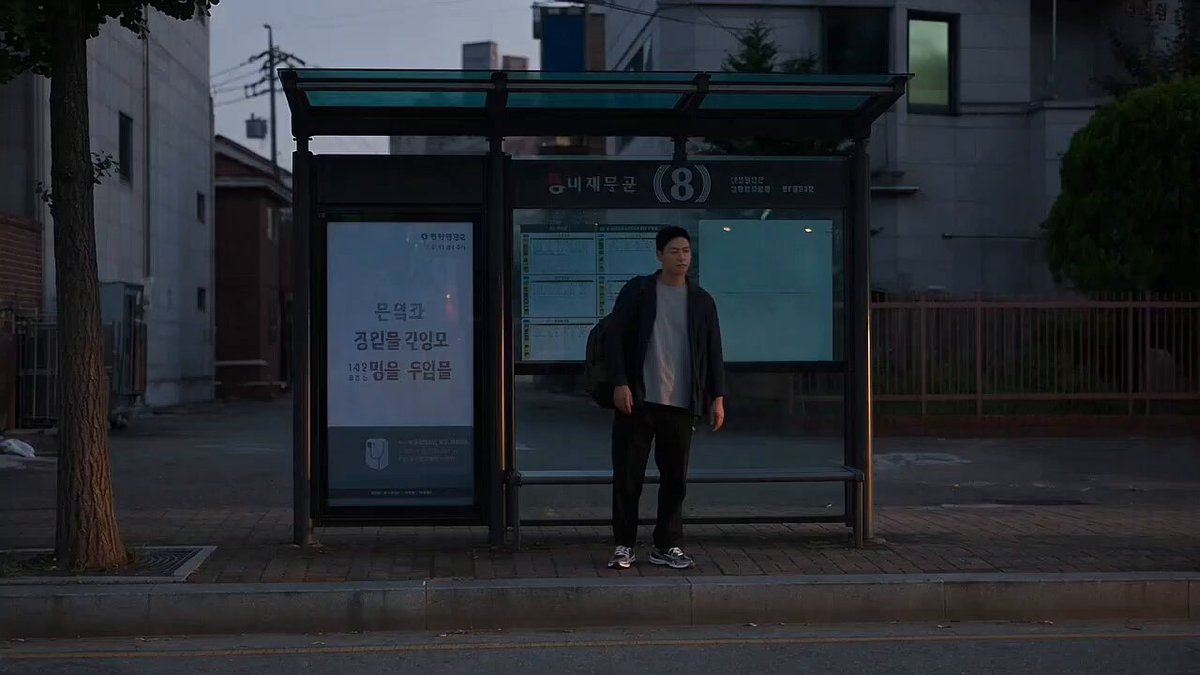
Pre-production is where most independent video projects quietly stall. You have an idea, maybe a rough script, and then you hit the wall of turning words into shots: which angles, which framings, which camera moves, what order. Deciding all of that well is what separates a professional-looking result from a home movie, but it is also slow, technical work that many creators avoid until it is too late.
AI director agents are changing that step. Instead of making you plan every shot manually, an agent reads your script, understands the story and emotion behind each scene, and produces a shot list, framing suggestions, and camera directions that a human director can accept, adjust, or reject. It is not a replacement for creative judgment; it is a way to compress the slow parts of planning so the fast pace of digital production becomes sustainable.
This guide explains what director agents actually do, where they help, where they fall short, and how to build a realistic workflow around them for your next video project.
What an AI Director Agent Actually Does
A director agent sits between your rough idea and the final video, taking on the interpretive work that used to require a storyboard artist and a DP. Its core job is to translate story into shot language.
The first task is script analysis. The agent reads the screenplay or outline and identifies the emotional beats, conflicts, and subtext in each scene, not just the literal dialogue. It notices that a string of short lines is building tension, so it can suggest rapid cuts, or that a quiet moment needs a long, held shot to breathe.
The second task is shot planning. From the analyzed scene it proposes concrete shots: wide establishing, medium two-shot, isolated close-up, over-the-shoulder. It assigns a camera position and movement to each, such as a slow push-in for intimacy or a whip pan for a reveal. This becomes a shot list that sequences the scene.
The third task is direction hints. For each shot it may add lighting and mood guidance, or a note on pacing, so the people and tools downstream know the intent. The human director stays in charge of taste; the agent handles the volume of tactical decisions.
Where Director Agents Save the Most Time
Time savings are not spread equally. The biggest wins come in the planning stage, where manual storyboarding is slow and easy to skip. An agent can generate a credible first-pass shot list in minutes, giving you something concrete to react to instead of a blank page.
This matters most under deadline pressure. When you need multiple videos a week for social formats, you cannot amortize a full day of planning per clip. A director agent turns planning into a quick, repeatable step that you can run in a batch, letting you produce more without cheapening the craft.
It also helps non-experts. Creators who know their story but have weak instinct for framing get a useful starting point they can refine, contracting the gap between their idea and a professional-looking plan. The agent becomes a coach that shows "here is a way to shoot this," even before the human decides whether it is the right way.
The Limits: Judgment Is Still Human
Director agents compress planning, but they do not and should not remove judgment. A machine-written shot list can feel competent yet generic, because it defaults to conventional coverage rather than the surprising choice that makes a scene memorable.
The human director contributes taste. You know the reference, the tone, the audience, and the moment that matters. When the agent proposes a standard coverage pattern, you decide whether to follow it, invert it, or throw it out for a single bold take. That editorial function is not automatable, and the best workflows keep it firmly in human hands.
There is also a reliability caveat. Agents occasionally misread intent or cut a moment that should linger. Treat the output as a strong draft, not a delivery. Budget a short review pass on every shot list to catch tone and logic errors before you invest in generation.
From Script to a Usable Shot List
The steady workflow for using a director agent begins before the agent sees anything, with the write-up. Rewrite your scene as a plain, clear description of what a camera would see and what the audience should feel. The agent translates this cleaner than it does vague creative prose.
Next, feed the scene to the agent and generate the proposed shot list. Review each row for three things: does it serve the story, does it specify framing and movement clearly, and does it leave room for the emotion of the moment. Edit the list before you move on.
Then translate the confirmed shot list into your generation tool of choice. Each shot becomes a prompt: describe the framing, the action, the lighting, and any camera move. If you kept character references and a consistent grade phrase, the scene will feel like one film instead of a set of unrelated gifs.
Finally, assemble and evaluate. Watch the rough sequence against the shot list and the original scene intent. This loop, plan, review, generate, evaluate, is the entire discipline of directing with an agent, and it is reliably effective.
Building a Scene with Camera Language
A good shot list speaks camera language, and knowing a few terms goes a long way even for beginners. An establishing shot sets location. A close-up isolates emotion. A cutaway hides the risk of a jump and adds coverage. A dolly or push-in increases intimacy; a pull-back reveals scale; a handheld look adds documentary energy.
The director agent will use this vocabulary, and your ability to review it depends on understanding what each term implies. You do not need to be a DP, but you should be able to look at a proposed shot and say "that will feel too slow," or "this needs to be wider," and know why.
Deepening your shot vocabulary has a compounding effect. The more precise your directives, the better the agent and the generation tool perform, and the more you can push the result toward a specific mood rather than accepting generic coverage.
Directing Multiple Scenes Coherently
An individual scene plan is only half the job; the harder half is keeping a full video coherent across scenes. Director agents help by sequencing and by enforcing continuity, but you still own the throughline.
Before generating, define the emotional arc of the whole piece: where it starts, how it escalates, and where it lands. Each scene's shot list should echo that arc. A rising-tension structure might shift from wide, steady shots to tight, destabilized ones as the climax approaches. Consistency in color grade and character references then ties the scenes together visually.
Use character references throughout so identity survives scene changes, exactly as you would for any multi-scene production. Reuse a single palette phrase so the grade does not wander. Between scenes, keep the shot style controlled rather than letting every scene invent a new look.
Practical Pre-Production Workflow
Set up a repeatable pre-production routine so directing does not feel like starting from scratch each time. Keep a small repository of reusable assets: character references, the house grade phrase, and a set of shot-type definitions you trust.
At the start of a project, write your scene descriptions plainly and lock the emotional arc. Generate first-pass shot lists with the agent, then edit them into a confirmed board. Translate each shot into the generation tool, enforcing character and grade consistency. Assemble, watch, and refine.
Reserve a little time for the iterative pass. The first full cut rarely lands; the second usually does. Expecting that and planning for it turns the process from a stressful race into a dependable cadence.
Choosing the Right Balance of Automation
Directing agents differ in how much they automate, and picking the right balance for your project matters as much as picking the tool. Some workflows lean toward full autonomy, generating a complete first pass with little human input. Others keep the human in the loop at every stage, suggesting options rather than committing them.
For polished, high-stakes work, favor the human-in-the-loop style. The agent proposes a shot list, you edit it, then generation proceeds from your confirmed plan. This costs more of your time on planning but surfaces errors early, before they are baked into expensive generation runs.
For high-volume social content, a more automated pipeline is defensible. Let the agent draft multiple scene plans in a batch, keep a fast review pass, and ship the results without over-polishing. The goal there is speed and consistency, not perfection. As a rule, the lower the bar for exclusivity of the output, the more automation you can tolerate.
Revisit the balance as models improve. A capability that needed careful human steering last quarter may be reliable enough to automate now. The healthy habit is to keep evaluating what genuinely needs your judgment versus what has become safe to delegate, and to adjust rather than pick a setting once.
Working in Multi-Platform and Repurposing
An AI director agent really shows its worth when you need to repurpose one story across many formats. A single planned scene can be rendered as a vertical short, a horizontal cut, or a still sequence for a static post, because the underlying shot logic is shared even though the framing differs.
Plan with reuse in mind. Write your scenes so they contain one strong central image or beat that can be extracted for a thumbnail, a caption line, or a teaser clip. Specify your shot list to include a good establishing wide and a clean close-up, so your material supports both a hero post and supporting shorter cuts.
When you repurpose, hold the grade and character references constant across every format. The audience should recognize the same piece of work whether they meet it on a feed or a longer platform. An agent that keeps shot intent coherent makes this multiplatform production almost automatic, freeing you to focus on which formats deserve the most attention this week.
A Checklist Before You Generate
Before you feed a scene to the generator, run it through a short checklist to save rework. Confirm the shot list is edited, not auto-accepted, and that it reflects the emotional arc of the whole piece. Confirm each shot specifies framing, action, lighting, and one camera move rather than a vague intent.
Confirm your character references and grade phrase are loaded and reused, not reinvented for this scene. Confirm the scene has a clear central beat that will survive repurposing into a thumbnail or short cut. And confirm you know what success looks like for this scene so you can judge the output honestly.
A disciplined pre-generation pass takes minutes and saves hours. The most common wasted generation runs come not from bad prompts but from skipping this brief alignment step. Treat it as part of the workflow, not optional polish.
Frequently Asked Questions
Will a director agent replace filmmakers? No. It relieves the tactical load of planning so human judgment can concentrate on taste, tone, and story, which remain firmly in the director's hands.
Do I need to be an expert in framing to use one? You need a working vocabulary of shot types, but the agent suggests shots and your job is to accept or improve them, which is a far lower bar than starting from scratch.
Can it handle an entire feature-length script? It can propose coverage at scale, but quality degrades as complexity grows. Work scene by scene and review each stage rather than relying on a single bulk pass.
How do I stop scenes from looking disconnected? Enforce a fixed grade, reuse character references, and hold a clear emotional arc across the whole piece.
Is the shot list the final word? No. It is a strong draft. Your editorial pass is what makes it something a real audience will remember.
Final Thoughts
AI director agents are best understood as an accelerator for the thinking part of filmmaking, not a shortcut past it. They take the mechanical weight out of turning words into shots, giving you the drafts you need to make faster, more confident creative decisions.
Build the habit of planning before generating. Lock your arc, generate and edit the shot list, translate it faithfully, and hold consistency across scenes. The tools will evolve, but a director's real job, deciding what matters and making sure the camera honors it, stays yours. Let the agent handle the volume; spend your own attention on the taste.
