

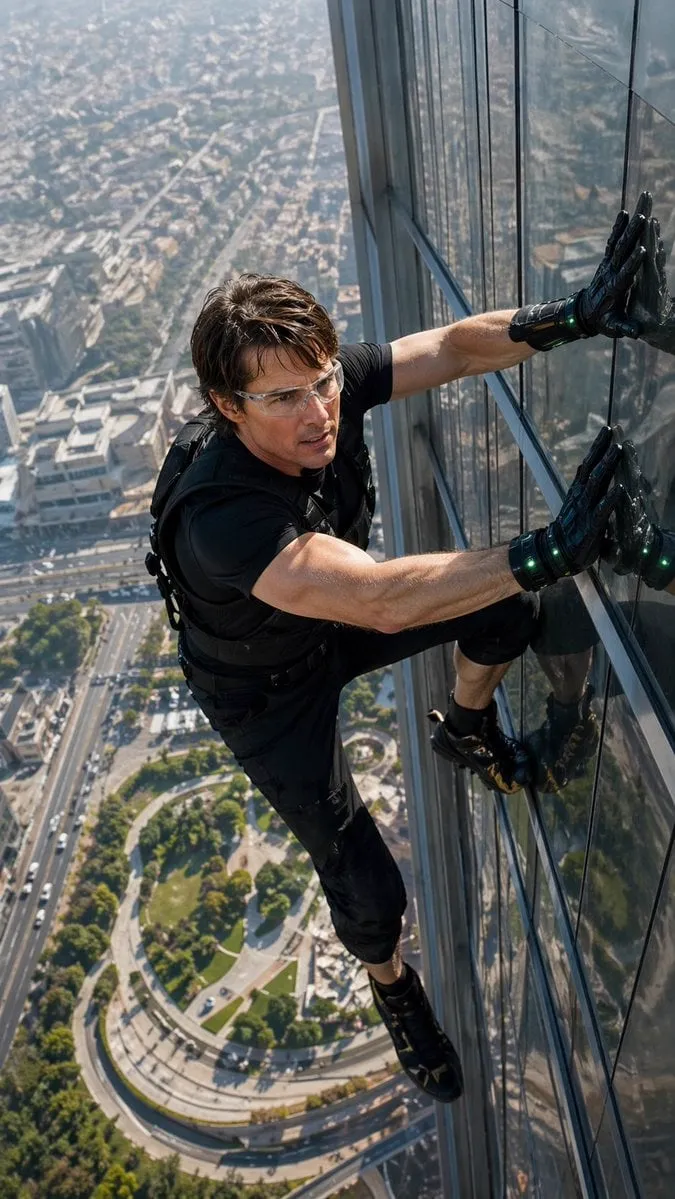
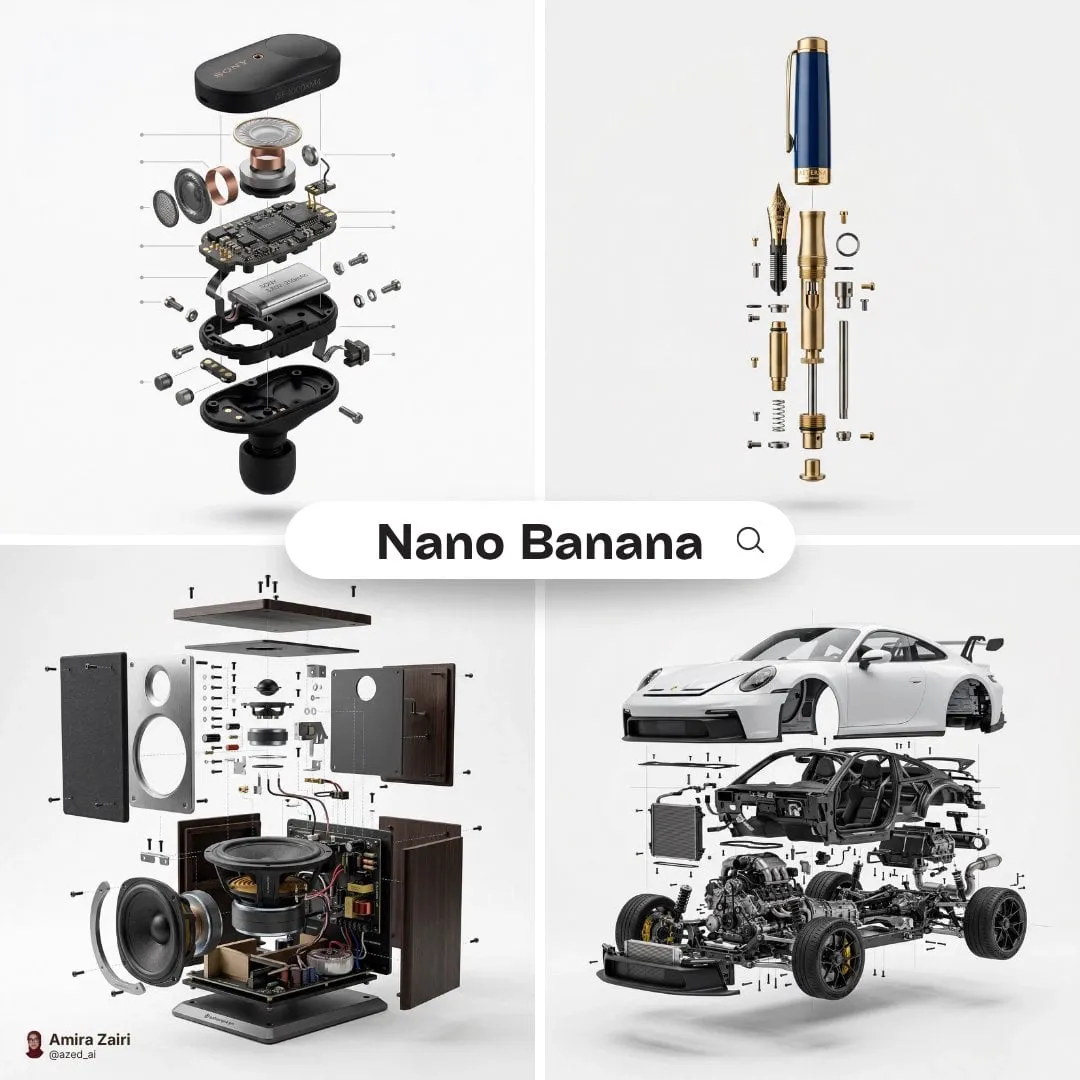
For years, high-quality video has been the engine of digital marketing, but it has also been the most punishing part of a content budget. Studios, cameras, crew, editing time—the traditional path to a polished brand film is slow and expensive. That constraint is exactly why the ability to turn a single AI-generated image into a professional, animated video has become so attractive to marketing teams. Rather than scheduling a shoot or animating from scratch, you can start with striking stills you already have and bring them to life.
This guide walks through the practical side of that workflow: how to convert AI images into marketing-ready motion assets, what technical obstacles tend to appear, and how to keep the output consistent and on-brand. Whether you are producing a product teaser, a social short, or an ad creative, the same principles apply.
Why moving images matter more than ever
Video content now dominates consumer attention. Static images can communicate a product, but motion conveys emotion, context, and credibility in ways a still frame cannot. The challenge is that attention spans continue to shrink, which raises the bar for every frame. A dynamic, well-paced video keeps viewers engaged longer and drives meaningfully better click-through and conversion metrics than a static banner.
For marketing teams, this creates a tension: the demand for motion is growing, yet the cost and time of traditional production remain high. AI image-to-video conversion cuts through that tension. It lets a designer turn existing visual assets into short animated sequences quickly, iterate on style, and produce variations without locking down expensive calendar time.
The market is catching up fast. Generative AI video content is forecast to grow into a multi-billion-dollar space, and businesses that adopt these tools early gain a real speed advantage over competitors still waiting for a production schedule.
Turning static AI imagery into dynamic marketing assets
The first decision is about what you already have. Many campaigns begin with AI-generated stills—product visualizations, brand ambassador portraits, or stylized concept art. Those stills are strategic assets in their own right. The goal of image-to-video conversion is to preserve what makes them strong (composition, lighting, brand palette) while adding motion that tells a story.
A common approach is to treat each key image as a scene. You decide how each scene should move: a slow push-in on a product, a gentle pan across a landscape, or a subtle camera drift to suggest depth. The model then generates the frames that realize that motion, effectively turning a static composition into a living shot.
The practical payoff is direct. An image that once had one job—say, appearing in a feed post—can now power a video intro, a short ad, or an Instagram Reel. One strong visual, injected with motion, becomes multiple formats of campaign content.
Selecting which images to animate
Not every still should become a video. The images that animate best share a few traits:
- Clear subject separation, so motion reads as intentional rather than jittery
- Strong contrast and directional composition, which give the camera somewhere to move
- A single focal point, so viewers know where to look as the shot develops
- Enough resolution to crop for multiple aspect ratios without losing quality
It is worth building a shortlist of candidate images and testing motion on the strongest two or three before commissioning a full batch.
Maintaining consistency and character across shots
One of the hardest problems in AI video is consistency. If your campaign features a recurring character or a fixed brand style, you cannot afford to have that character change appearance between scenes. Once viewers notice the shift, the illusion breaks and the content feels cheap.
The reliable solution is to anchor each generation to reference imagery. When a model is given the same set of reference images for the character, palette, and styling, the output stays aligned across separate scenes. This is the same logic behind "multi-image fusion"—you merge your visual anchor points so the model has something concrete to stay true to.
In practice, this means:
- Keep a master folder of approved character and style references.
- Use the same references for every scene in a campaign.
- Document the settings that worked so future batches reproduce them.
The result is a library of shots that feel like they came from one continuous production, which is exactly what a professional brand film requires.
Building a reusable style reference set
A good style reference set includes a character sheet (front and key angles), a palette reference, and one or two approved texture or lighting examples. Store them with clear names so a designer or the AI can reach them consistently. Over time this set becomes a small brand bible for AI-generated content.
The role of dynamic prompting and model choice
The same base image can yield very different videos depending on how you prompt the motion and which model you choose. This is where the craft lives. A generic instruction like "make it move" will produce generic results; a specific instruction like "slow push-in toward the product while the background softens" gives the model something concrete to aim for.
Different models have different strengths. Some excel at realistic camera movement and temporal stability; others lean toward vivid, stylized motion. For marketing work, matching the model to the shot type pays off:
- Product close-ups: favor models with strong detail retention
- Lifestyle or environmental shots: favor models with smooth, natural motion
- Abstract or stylized content: favor models that support creative movement
Testing two or three models on the same image is a small investment that prevents a large re-work. Keep a note of which model produced the best temporal stability for each category of shot.
Prompting for cinematic motion
Think like a director when you write motion prompts. Specify the camera behavior, the pace, and the mood: "gentle dolly move toward the subject," "side pan as the light shifts," "subtle parallax in the foreground." Concrete camera language gives the model a mental model of the shot and reliably improves output quality.
Applying professional filmmaking standards
Once motion is generated, the filmmaking half of the job begins. Professional standards apply just as they would to footage shot on a camera: pacing, cuts, color, and sound together determine whether the result feels premium or slapped together.
Edit with intention. A marketing video usually benefits from a clear arc—introduce the subject, build interest, and end on a strong visual or message. Cutting on motion, respecting the rhythm of any music, and staying consistent with brand colors during grading all contribute to a polished final piece.
Don't overlook audio. Even a simple licensed soundtrack, ducked slightly under whatever voiceover or narration you use, transforms a silent animation into a finished piece. Many viewers watch without sound at first, so strong on-screen motion and subtitles matter as much as the audio mix.
A lightweight editing checklist
- Trim empty frames at the head and tail.
- Match the first frame to the thumbnail promise.
- Grade for consistent warmth and contrast across scenes.
- Add clean title text and any required captions.
- Troubleshoot any shot that looks unstable before exporting.
Overcoming the main technical hurdles
Image-to-video conversion still has known weaknesses, and knowing how to mitigate them saves time.
Visual inconsistency across frames
Occasionally a model will shift details between frames—a logo flickers, a color drifts, a character's face subtly changes. The fix is prevention: anchor to strong references, keep motion modest, and generate at a higher resolution when stability matters. Where drifting persists, a few frames of manual cleanup in an editor are cheaper than restarting the whole shot.
Temporal stability and flicker
Motion that is too aggressive can introduce flicker or warping, especially on busy textures. Slowing the movement and giving the model clear subject separation usually restores stability. If a busy background is the culprit, test whether a shallower depth-of-field prompt reduces the problem.
Keeping the sequence editable
Always keep source images and generation settings. They are the raw material for revisions, and they let you recreate a shot with a different model later without starting over. Treat AI generations as footage, not as final files.
Measuring and refining your conversion workflow
Like any marketing asset, AI-produced video should be measured and iterated on. Define what success looks like before you publish—click-through rate for ads, views and watch time for organic content, or a conversion goal for landing pages.
Then run small experiments. Try two versions of the same shot with different motion or pacing and see which performs. Use the winning style to inform the next batch. Because generation is fast, you can test more ideas in a week than a traditional pipeline could in a month. That speed, combined with a documented workflow, turns image-to-video conversion into a compounding advantage for your content program.
Tracking a simple scorecard
Track three numbers per batch: average completion rate of generated shots, edit time per finished video, and engagement lift versus static imagery. These three tell you whether the pipeline is healthy and where to improve next.
Frequently asked questions
Can I use the AI-generated videos for paid advertising?
Yes, in most cases, provided you hold the appropriate license for the tool and any music you overlay. Check the platform's commercial-use terms, then use the output as you would any in-house creative.
Do I need the same tool for every scene to keep consistency?
No. Consistent results come from consistent references and settings, not from a single tool. If you share the same style anchors, different tools can still produce a cohesive set.
How do I prevent a recurring character from changing between shots?
Feed the same reference images for that character into every generation, and keep the style parameters identical. Consistency is a matter of anchoring, not luck.
Is a still image enough to make a professional-looking video?
Yes, if the image is high quality and the motion is chosen deliberately. Slow, purposeful camera moves on a strong composition read as professional far more often than aggressive or random motion.
Matching the motion to the platform
The same animated scene can serve very different platforms, but only if you adapt it. A seven-second vertical loop works for a social story, while a fifteen-second horizontal cut suits an ad unit or a landing page hero. Before you generate, decide where each version will appear and storyboard accordingly.
For short and vertical formats, favor a single clear subject and a simple, legible motion—too many moving parts read as noise on a small screen. For longer formats, give the shot room to develop: a slow push-in, a reveal, a moment for the viewer to absorb the message. Planning the aspect ratio and duration up front also saves editing time, because you crop and cut on purpose instead of retrofitting a square or landscape clip into the wrong frame.
It also helps to think about the "first split second." On most social feeds, a video autoplays without sound, and the first frame competes for a thumb that is about to scroll. Make that opening frame crisp, on-brand, and self-explanatory so it stops the scroll even before the motion begins.
Budgeting time and resources realistically
AI video is fast, but it is not instant, and over-promising speed leads to rushed, inconsistent output. Build a realistic plan for each batch: time to review references, time to generate drafts, time to edit and sound-score, and time for at least one revision pass. Account for re-generating the occasional unstable shot.
Define a clear acceptance bar before you start. A scene is "done" when it holds stable frames, matches the style references, and reads clearly at the intended size. Anything below that bar goes back for another pass. Working to an explicit standard makes the pipeline predictable and keeps quality consistent, so the team knows exactly when a batch is ready to ship instead of debating it endlessly.
The payoff for this discipline is compounding. A documented pipeline means the next campaign starts from a proven set of references, prompts, and settings rather than from scratch—and that is where the time savings become structural rather than incidental.
Building a repeatable AI video pipeline
The businesses that get the most from AI video are not the ones with the flashiest single video; they are the ones with a repeatable pipeline. That pipeline looks like this: curate strong reference assets, prompt motion like a director, choose models per shot type, edit to filmmaking standards, and measure every output.
Start small with one campaign and two or three shots. Document what worked, build your style reference library, and refine from there. Within a few batches you will have a workflow that turns a single well-made image into a steady stream of professional, on-brand marketing video—without the budget or the wait of a traditional production.
