
The New Era of Music Video Production
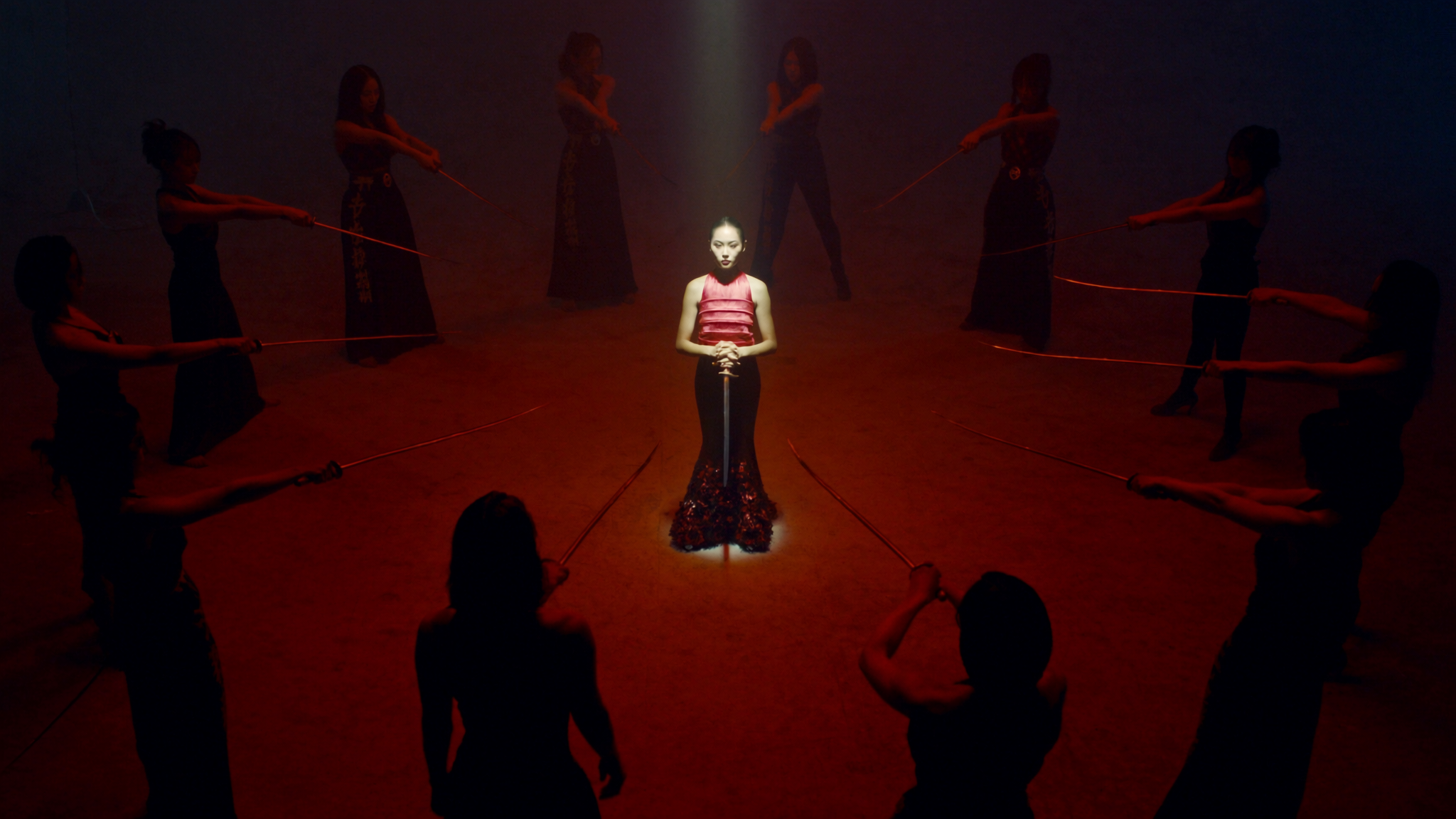
Creating professional music videos used to require expensive gear, locations, and crews. AI has fundamentally changed this equation. Today, independent artists can produce cinematic-quality visuals from their laptops.
This guide covers two critical aspects: generating visual backgrounds and designing sound, both powered by AI.
AI-Generated Visual Backgrounds
Why AI for Music Videos
Music videos need to hold attention for 3-4 minutes. Repetitive footage kills engagement. AI lets you generate an infinite variety of scenes that evolve with the music.
Types of Visuals You Can Create
- Abstract visualizations that pulse with the beat
- Surreal landscapes impossible to film in reality
- Animated environments that match the song's mood
- Character-driven narratives with consistent visual identity
Use an AI image generator to create key scenes, then stitch them together with an AI video generator.
Mood Matching
Different songs demand different visual treatments:
- Upbeat pop: Bright colors, fast cuts, energetic motion
- Ballad/R&B: Slow pans, warm tones, intimate close-ups
- Electronic/EDM: Neon aesthetics, geometric patterns, rhythmic sync
- Hip-hop: Urban textures, bold contrast, dynamic camera moves
AI-Powered Sound Design
Beyond the Music
A great music video isn't just the song. Sound design adds depth:
- Ambient room tones that match each scene's location
- Foley effects (footsteps, doors, nature sounds)
- Transition sounds between sequences
- Atmospheric pads underneath quiet moments
Automated Mixing
AI tools can automatically balance:
- Music track vs. dialogue
- Sound effects that don't clash with vocals
- Consistent loudness across the entire video
Production Workflow
- Storyboard with AI: Generate key frame concepts
- Create assets: Use image and video generation for each scene
- Layer audio: Add ambient sounds and effects
- Sync to music: Align visual transitions to musical beats
- Final polish: Adjust color grading and timing
For cinematic results, advanced models like Seedance 2.0 deliver professional-grade video with fluid motion and consistent quality.
Tips for Indie Artists
- Start with a clear creative direction before generating anything
- Generate 3x more footage than you think you need
- Use crossfades and speed ramps to smooth transitions
- Keep your artist's visual brand consistent across videos
AI doesn't replace creativity — it amplifies it. Use these tools to execute the vision in your head without budget constraints holding you back.
