
Short-form video has quietly become the most demanding creative format on the internet, and one minute is the sweet spot where attention actually holds. A sixty-second story has to open fast, keep a consistent visual style, deliver a payoff, and still feel effortless to the viewer. Doing all of that reliably by hand is exhausting. The good news is that generative AI has matured to the point where a solo creator can produce a polished one-minute Reel in a fraction of the time it used to take, without a deep editing background.
This guide walks through a complete workflow for building one-minute Instagram Reels with AI tools. We will cover how to generate and validate ideas, write prompts that actually hold up in a video model, keep characters and color consistent across shots, layer in sound and captions, and finish with practical publishing habits. The focus is on reusable process rather than a single tool, so the approach survives whatever the software landscape looks like next month.
Why One Minute Is the Right Unit of Attention
Instagram's algorithm rewards videos that keep people watching to the end, and sixty seconds is long enough to tell a small story yet short enough that the final frame stays in reach. Thirty-second clips often feel truncated; ninety seconds drift. One minute forces a tight structure: a hook in the first two seconds, a premise established by the ten-second mark, a problem or journey in the middle, and a resolution that lands before the loop restarts.
Equally important, the one-minute length gives AI video models enough room to shine. Most text-to-video engines produce clips measured in a handful of seconds. Stringing together five or six five-to-eight-second segments gives you a natural timeline to arrange into a 60-second cut. That modular approach fits neatly with how the current generation of AI video tools actually works.
From a marketing standpoint, one-minute Reels also age well across platforms. The same base cut can be reformatted for a vertical story, trimmed to a fifteen-second teaser, or reused as a supporting section of a longer YouTube Short or TikTok post. Short assets that are cut from a well-structured minute tend to travel further than content designed for a single surface.
Understanding the Current Short-Form Video Landscape
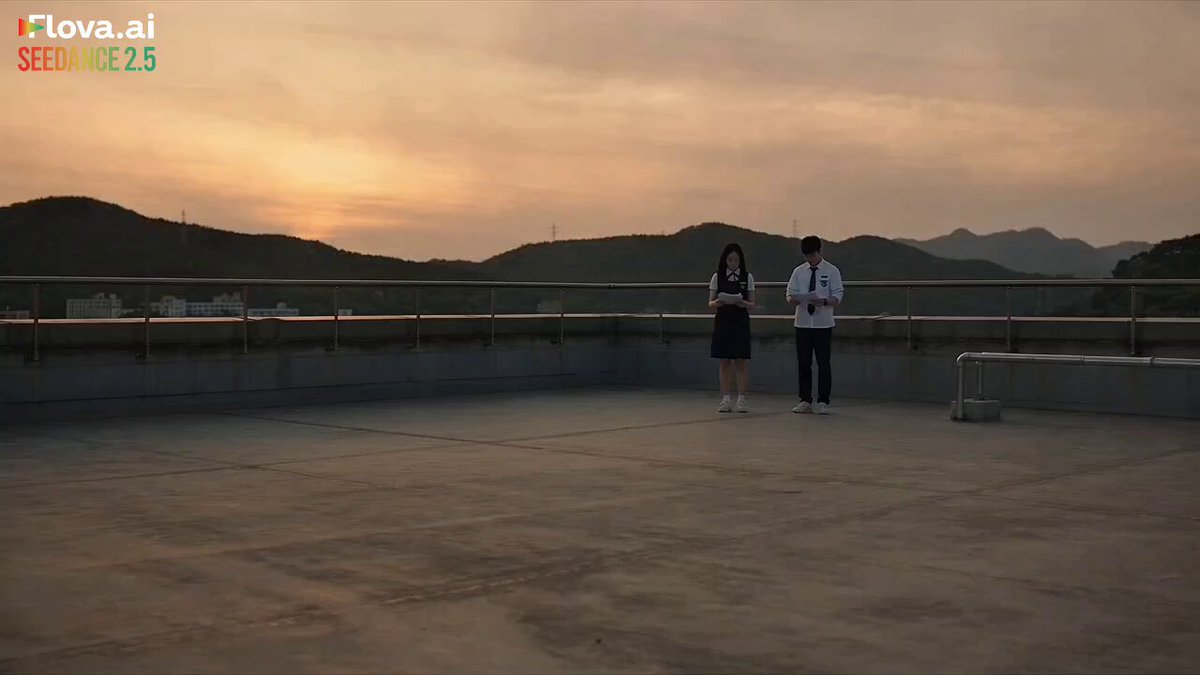
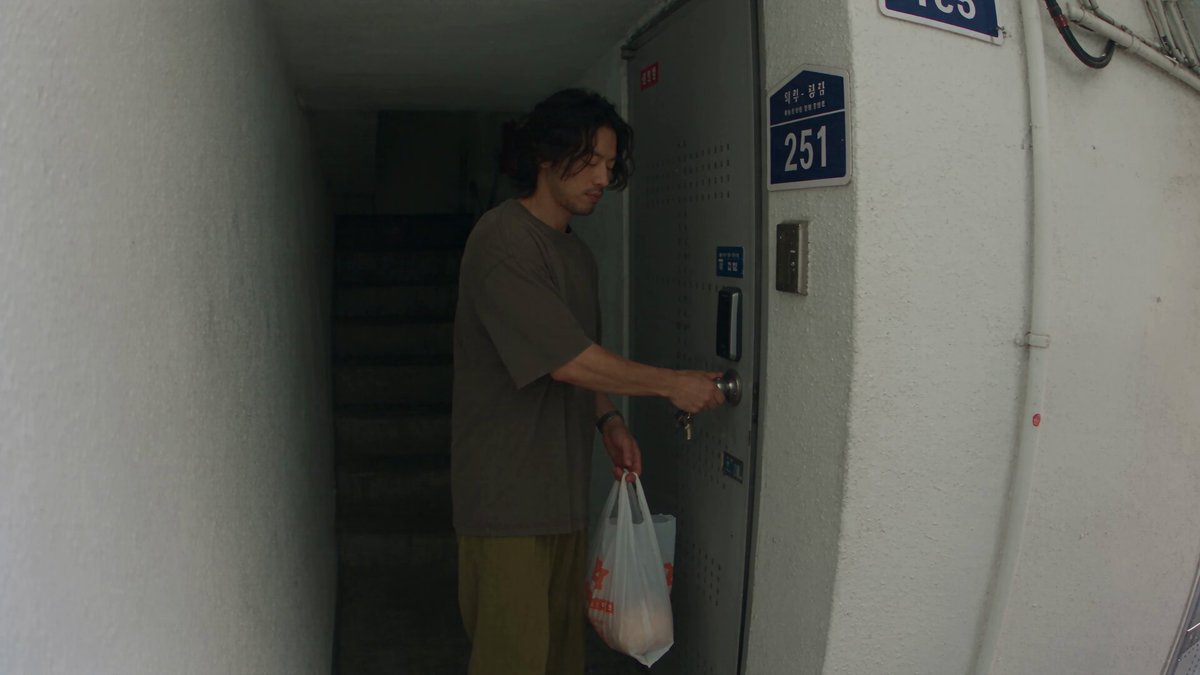
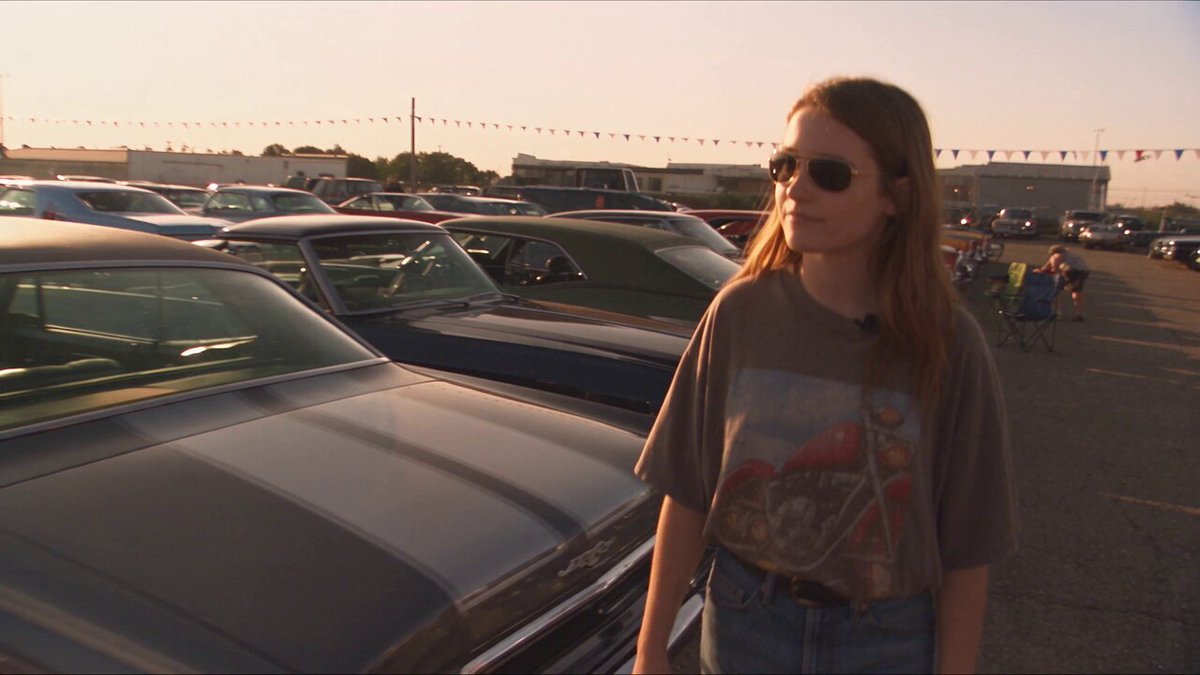
The short-form space in 2025 is crowded, but it is crowded in a specific way. Raw single-shot quality has risen dramatically because tools such as Flux, Runway, Kling, Sora, and Luma can produce convincing b-roll and even narrative footage on demand. When every individual shot looks "good enough," the differentiator stops being the shot itself and becomes the assembly: pacing, continuity, sound, and the emotional shape of the sequence.
That shift is helpful for creators because it moves the craft from expensive hardware toward editorial skill. You no longer need a cinema camera and a studio to make something that reads as professional. You need clarity about what the video is for, a coherent visual language, and the discipline to cut ruthlessly.
It also means the market rewards consistency. A video where the subject's face changes from scene to scene, or where the lighting shifts wildly, feels amateur even if each frame is beautiful. Modern AI video pipelines give you reference-image tools and character locks that solve exactly this problem, and you should treat visual continuity as a non-negotiable checkpoint rather than a nice-to-have.
Planning the Idea Before Opening a Generator
The cheapest error in AI video work is generating fifty shots with no plan and hoping one works. Planning is where a sixty-second concept becomes shootable. Start with a single sentence that captures what the viewer will feel or learn. Then sketch a rough timeline of six to eight beats, each mapped to a short segment:
- Beat one: the hook, a striking visual or a provocative line.
- Beat two: the premise and the subject.
- Beats three to five: the journey, which is where most of your b-roll lives.
- Beat six: the payoff or twist.
- Beat seven: the close with a light call to action.
For each beat, write down the shot you actually need, the aspect ratio (9:16 for Instagram), and the camera feel you want, such as slow push-in, handheld, aerial, or macro. That beat sheet becomes your prompt skeleton and your editing checklist, and it prevents the "twenty shots that don't fit together" problem.
Finding Trending Angles Without Chasing Noise
Trend-following is a trap when done reactively. Instead of copying whatever is peaking today, look at the overlap between your niche and recurring audience questions. A fitness creator can mix "do this exercise at home" with "a minute of my training routine." A travel channel can do "how I plan a trip" as much as "places to avoid." The most durable Reels repeat proven job-to-be-done templates rather than chasing a single viral sound.
When you do chase a trend, have a reason that ties it to your theme. Reusing an audio trend with your own visual story is different from pasting the trend on top of unrelated footage. The former builds association; the latter reads as noise.
Writing Prompts That Hold Up in a Video Model
A good text-to-video prompt describes the image, the motion, and the temporal structure. Describe the subject, the environment, the lighting, and what the camera does, then add a clear one-sentence action. For example:
"A weathered wooden desk in a sunlit loft, a barista pouring latte art, the camera slowly orbits the cup, steam curling against warm golden light, smooth realistic motion."
That prompt gives the model an anchor (desk and cup), a tone (golden, warm), and motion (slow orbit). It is specific without being a string of disconnected adjectives. Vague prompts produce drifting, generic footage; over-specific prompts produce literal, stilted results. Aim for a level of detail like a good location note for a cinematographer.
For a sequence that must match across shots, share descriptors across prompts: keep the same subject description, same location phrase, and same light keyword in every segment. Many pipelines let you attach reference images, which is the stronger method. You generate or source one reference still and reuse it so the subject and palette stay locked.
Turning Ideas Into a Prompt Library
As you generate, save the prompts that worked in a small library grouped by purpose: b-roll, text-on-screen interstitials, portrait footage, and atmospheric transitions. Over time this library becomes faster than any in-app template system and gives your channel a recognizable, consistent look. Note the seed or fix parameters alongside each saved prompt so you can reproduce a result later.
Generating the Shots You Actually Need
Resist the urge to generate a single long clip. Plan five to eight segments, each targeting one beat from your timeline. This is more efficient because the model only needs to stay coherent for a few seconds per segment, and you can iterate on the segment that is weak instead of re-rolling a whole timeline.
Begin with the hook. The first two seconds are the entire ad for the video, so generate several variants of the opening visual and pick the strongest. Then produce the middle beats in order, and only touch the payoff after the journey feels right. Reorder segments in your editor afterward; generation order does not need to match final order.
For realism-driven beats, prefer photorealistic and physical-motion-aware models, which handle gravity, reflections, and lighting more believably. For stylized or narrative beats, you can use more expressive or animated models. Mixing engines per segment is normal and often ideal; the seams only show if you neglect continuity in the prompts.
Keeping Faces, Wardrobe, and Palette Consistent
The quickest way to break a Reel is a protagonist who changes identity between shots. Lock the face and outfit once, using a reference image if your pipeline supports it, and reuse that reference across all segments that include the subject. Keep the wardrobe identical, note the color grade you want in each prompt, and avoid changing time-of-day between consecutive shots unless the script requires it.
If you do not have a single character, enforce environmental consistency instead: one color palette, one lighting family (all warm golden hours, or all cool shadow), and repeated props that orient the viewer. Consistency is the feeling of craft, even when the viewer cannot name the cause.
Sound, Captions, and the Audio Layer
Video models generate pictures, not a finished audience experience. The audio layer is where you add meaning. Dub or narrate over the visuals to unify segmented clips into a coherent story, and synch key actions to the music. A voiceover can carry story beats that the visuals leave implicit, and it reduces the number of times you need text overlays.
Captions have become table stakes for short-form because so many people watch with sound off. Never rely on automatically burned-in captions from a generator; place your own timing-aware captions with clean contrast and short readable lines. Keep captions to a phrase or two per screen so they read at a glance and never block the focal subject.
For scoring, use music that matches the emotional arc of the minute rather than a single loop. A track that builds into the payoff or switches energy for the close makes the edit feel intentional. If the platform's library has a suitable track, use it; if not, ensure your audio license covers the content.
Assembling the Sixty-Second Cut
Open your editor with the final beat order in mind. Put the hook first and the close last, then fill the middle. Watch for pacing: no single segment should overstay, and dead time between beats should be cut. A one-minute Reel is ten to twelve cuts at most; tighter is usually better.
Check the rhythm a few frames before and after each cut. A transition that is jarring, a caption that appears before the audio leads the phrase, or a color jump between shots will pull the viewer out. If a segment feels weak and regeneration is not an option, trim it or replace it with a strong b-roll beat from your generated library.
The Consistency Checkpoint
Before export, review every shot for: the subject looks like the same person; the palette and lighting hold across the minute; captions stay readable and correct; audio is loud enough but not peaking; and the total length is close to sixty seconds. This two-minute review catches the majority of the gaps that turn technically strong clips into a weak video.
Publishing Habits That Help a Reel Perform
The work does not stop at export. Post at a time your audience is active, and let the first two seconds of the thumbnail-or-preview frame do the hiring. On the caption, lead with the hook of the idea rather than a long essay, and include a light question or call to action that fits the content. Use three to five relevant hashtags plus any niche tags you already rank for.
Watch the early retention curve after publishing. If viewers drop within the first few seconds, the hook is the problem. If they hold on until the payoff but engagement is flat, the call to action or the headline value is weak. Treat each Reel as a small experiment and carry the learning into the next one.
Common Mistakes and How to Avoid Them
Several mistakes account for most weak AI short-form videos. Generating sixty shots with no beat plan wastes time and produces incoherent footage. Ignoring reference-image continuity turns every scene into a different video. Relying on generator-burned captions can misfire on word timing and illegibility. Cutting to zero audio for silent scrolling loses the significant share of viewers who watch with sound. And exporting a different aspect ratio than the platform expects wastes resolution.
None of these are hard to fix, but they compound. Build the habit of planning, continuity, audio, and a quick consistency pass, and the quality improvement is immediate and repeatable.
Frequently Asked Questions
How many shots do I need for a one-minute Reel? Five to eight short segments are usually enough. Plan one segment per story beat and avoid filling time with unnecessary cuts.
Can I use a single model for the whole video? Yes, but mixing engines per segment often gives better results per beat, for example photorealistic models for realism-heavy scenes and stylized models for expressive moments. Keep continuity in the shared prompt descriptors.
Do I need powerful hardware for this workflow? No. The generation happens in the cloud through the tool you choose; your computer only needs to run an editor for assembly and captions.
How do I keep the same character throughout? Use a reference image with consistent wardrobe and face, and repeat the same subject and palette descriptors in every segment's prompt.
Is one minute always the best length? It is a strong default for Instagram and short-form reuse. Optimize to the shape your audience rewards, but design for the 60-second core so you can trim or extend it cleanly.
Final Thoughts
The most durable advantage in short-form video is a repeatable process. One-minute Instagram Reels made with AI reward the same skills every marketing craft rewards: a clear idea, disciplined planning, visual continuity, and a clean edit. Generation tools remove the production bottleneck, but they amplify your process instead of replacing it. If you carry a solid beat sheet, prompt library, and consistency habits into every sixty-second project, your output will look increasingly professional with far less guesswork and significantly more room to experiment.
