
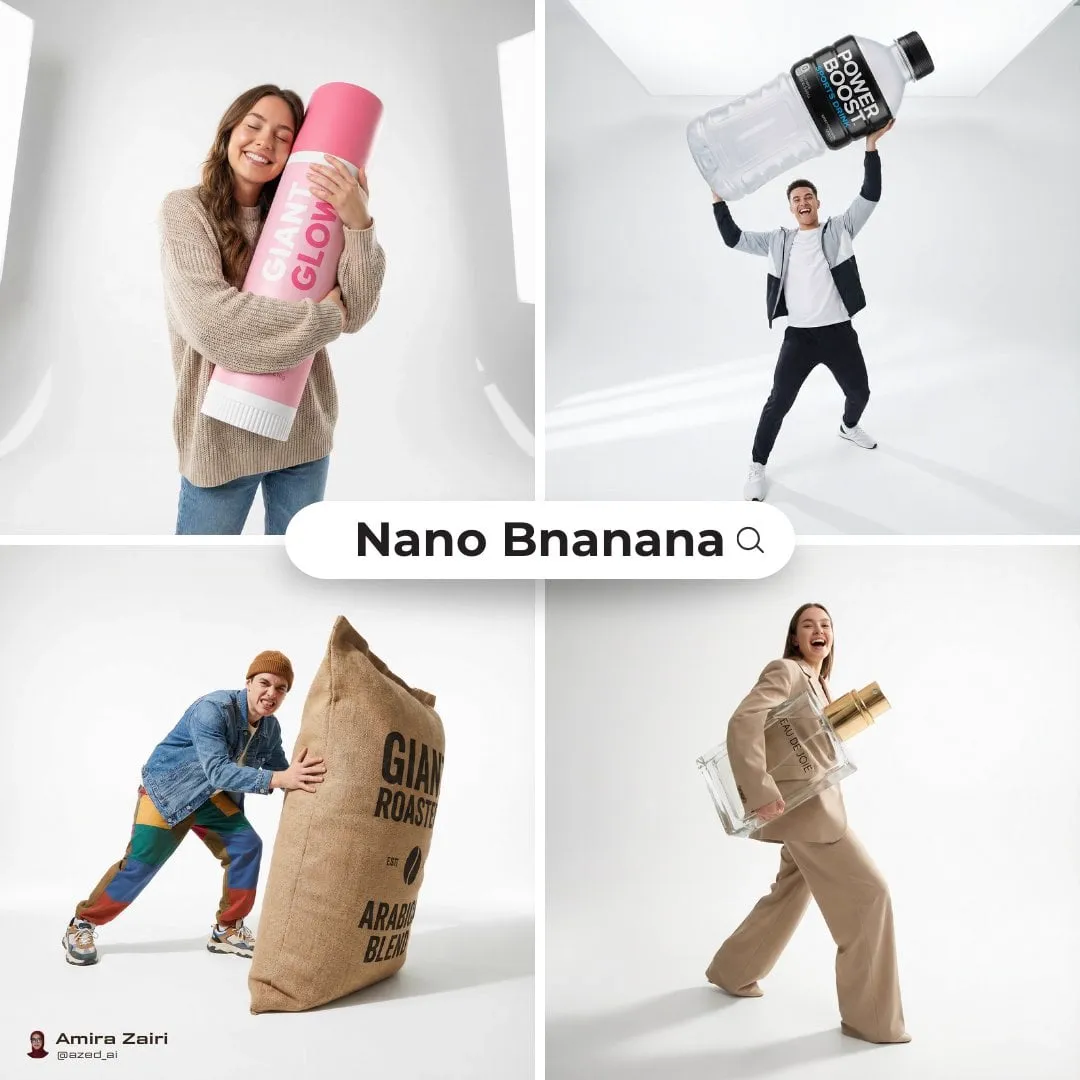

Why Prompt Engineering Defines Video Quality\n\nThe difference between a generic AI-generated clip and a cinematic masterpiece often comes down to a single factor: the prompt. In 2025, as generative video models reach unprecedented levels of visual fidelity, the skill of writing precise, evocative prompts has become the most valuable asset in an AI filmmaker's toolkit.\n\nThis guide breaks down advanced prompt engineering techniques specifically for video generation. Whether you're creating short-form content for social media or building narrative sequences for longer projects, these principles will elevate your output.\n\n## The Anatomy of a Video Prompt\n\nA well-structured video prompt is not a sentence — it's a specification. Here's the framework:\n\n### 1. Subject Definition\n\nBe specific about what occupies the frame. Instead of "a person walking," write "a middle-aged woman in a beige trench coat walking purposefully through a rain-soaked Tokyo alley at night."\n\n### 2. Action and Motion\n\nVideo models need to understand movement. Describe not just what's happening but how it unfolds: "She pauses at a vending machine, glances over her shoulder, then continues walking as neon reflections ripple across wet pavement."\n\n### 3. Environment and Atmosphere\n\nSet the scene with sensory details: "Narrow alley lined with glowing ramen shop signs, steam rising from a street grate, distant traffic sounds, humid summer night."\n\n### 4. Camera Direction\n\nSpecify camera behavior explicitly: "Tracking shot following the woman from behind at shoulder height, slow dolly movement, shallow depth of field keeping the subject sharp against blurred neon backgrounds."\n\n### 5. Style and Quality Settings\n\nAdd technical qualifiers: "Photorealistic, 35mm film grain, Kodak Portra 400 color profile, natural lighting, 24fps motion blur."\n\n## Iterative Refinement: The Feedback Loop\n\nThe first generation is rarely the best. Professional creators use a systematic iteration process:\n\n1. Generate baseline: Run your initial prompt and save the output.\n2. Identify issues: Note specific problems — inconsistent lighting, unnatural motion, missing details.\n3. Adjust keywords: Add or modify terms that address each issue. For example, if motion looks choppy, add "smooth continuous motion, fluid movement, 60fps interpolation."\n4. Regenerate and compare: Run the refined prompt and compare side by side with the baseline.\n5. Repeat: Typically 3-5 iterations produce the best results.\n\nMany creators use AI video generators that support rapid iteration with minimal friction between attempts.\n\n## Style Consistency Across Scenes\n\nBuilding a cohesive visual narrative requires consistent style across multiple shots. Here's how:\n\n- Style anchors: Include the same style descriptors in every prompt — color palette, lighting conditions, film stock references.\n- Reference images: Many advanced models accept image references that lock in visual characteristics. Use the same reference for all scenes in a sequence.\n- Prompt templates: Create a base template with your core style parameters, then customize only the subject and action for each scene.\n\nThis is particularly important for brand content where visual identity must remain recognizable across all videos. Image generation tools can help create consistent reference assets.\n\n## Narrative Structure for AI Video\n\nEven short AI-generated videos benefit from classic narrative structure:\n\n- Opening hook (0-3 seconds): Grab attention with visual surprise, mystery, or beauty.\n- Development (3-15 seconds): Reveal context, introduce conflict or curiosity.\n- Climax (15-25 seconds): The peak moment — transformation, revelation, action.\n- Resolution (25-30 seconds): Satisfying conclusion that may loop back to the beginning.\n\nFor longer pieces, repeat this micro-structure within each scene while maintaining a macro-narrative arc.\n\n## Prompt Libraries and Version Control\n\nAs your prompt collection grows, organization becomes critical:\n\n- Categorize by style: Cinematic, anime, documentary, abstract.\n- Track versions: Note which prompt variation produced the best result and why.\n- Build reusable components: Common environment descriptions, camera movements, and style qualifiers can be composed into new prompts.\n\n## Common Pitfalls\n\n- Over-describing: Too many conflicting details confuse the model. Be precise but concise.\n- Ignoring temporal flow: A prompt that works for a still image may produce jarring motion in video. Always consider how elements move through time.\n- Negativity bias: Saying "no shaky camera" often produces shaky camera. Instead, say "smooth, stabilized camera movement."\n\n## The Future of Video Prompting\n\nAs models become more sophisticated, prompting is evolving from text-only to multimodal. The next generation of tools will accept voice commands, gesture inputs, and real-time video references. But the core skill remains the same: translating creative vision into precise, actionable instructions.\n\nMaster this, and you can direct AI as confidently as any human crew.
Ready to start? Try the Domer AI Video Generator and put these techniques into practice.
