
Advertising runs on attention, and in a crowded feed nothing captures it faster than a striking video. Generative AI has pushed the creation of ad video from expensive studio production down to a prompt and a few iterations. The promise is compelling: describe your product and your message, and a model renders footage that can be assembled into an ad in a fraction of the usual time and budget. The reality is more nuanced. Not all AI video platforms deliver the same quality, and the differences that matter, visual consistency, movement control, detail, cost, and workflow integration, are easy to miss in a side-by-side demo. This guide explains what separates a good AI ad from a bad one, provides a framework for comparing the major platforms, and shares the craft that turns a workable clip into an ad that actually persuades.
What an engaging video ad requires
An effective video ad does more than look pretty. It stops the scroll, communicates a benefit quickly, and leaves the viewer with a feeling that points toward the brand. Three qualities dominate. The first is clarity: the viewer should grasp what is being sold within the first couple of seconds. The second is emotional relevance, tapping into a desire, a pain point, or a moment the viewer recognizes. The third is credibility: the visual must be convincing enough that the audience does not dismiss it as cheap AI slop.
Consistency is quietly the most important technical quality of all. If a product or character changes appearance between shots, the ad feels broken even to viewers who cannot articulate why. A logo that shifts color, a product whose shape mutates, or a spokesperson whose face redraws itself completely undermines trust. For ads, where the viewer is deciding whether your brand is professional, inconsistency is fatal. Any platform comparison must weigh how well each tool holds visual consistency across the shots you need.
Measuring output quality beyond the demo
Marketing reels make every tool look flawless. Real quality shows up under your actual prompts, your product, your lighting, your motion. The practical move is to run an identical test prompt through each candidate platform and compare the raw results before you commit.
Quality is multidimensional: sharpness of fine detail, naturalness of motion, stability of faces and eyes, coherence of lighting and shadows, and the ability to follow explicit camera directions. Photorealistic human faces remain a stress test because any artifact reads instantly as fake. Test each platform on a realistic human in motion, not just on scenic or abstract footage, because that is where weaknesses appear.
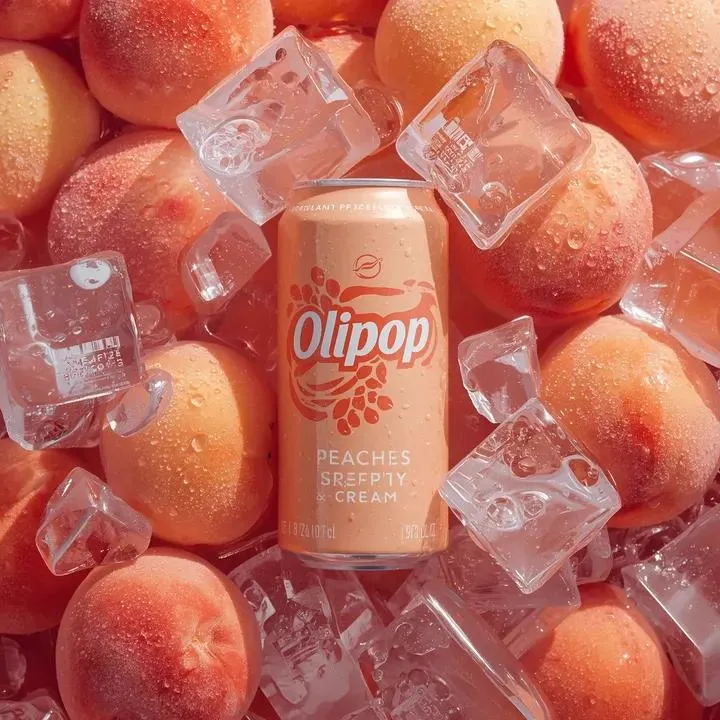
Detail matters more for some products than others. A fashion brand needs fabric texture and skin tone to read as real. A hardware gadget needs crisp logos and accurate materials. A food brand needs appetizing texture and color. Decide which visual details carry trust in your category and test specifically for those, because a platform that excels at landscapes may fumble a product close-up.
Motion control and cinematography
Ads live on movement, but the movement must be legible and controlled. Good ad video directs the eye, a dolly toward the product, a pan that reveals a feature, a push-in that builds urgency. The ability of a tool to follow camera language makes the difference between cinematic storytelling and a sequence of unmoored clips.
When comparing platforms, test explicit camera directions: slow pull back from a close-up, orbit around the product, handheld tracking shot, aerial establishing view. Note whether the platform honors these or ignores them and produces generic motion. Also assess motion speed and stutter. Jerky or wobbly motion reads as amateur no matter how detailed the still frame is. Run the same zoom and tilt directions through each tool to see whose motion feels natural.
Movement also needs to serve the message. An ad that pushes in on the product at the exact moment the benefit is spoken is far more effective than a clip that drifts aimlessly. Choose a platform that gives you enough control to place emphasis where the copy needs it.
The details that break or sell an ad
Fine visual detail is where cheap AI and premium AI diverge. Look at edges, hands, text rendering, and product surfaces. Text is a notorious weak point; platforms often smear or misspell in-image words, which is catastrophic for an ad displaying a brand name or a headline. Test your actual logo and your actual headlines as in-frame text, not just generic scenes, and flag any platform that garbles them.
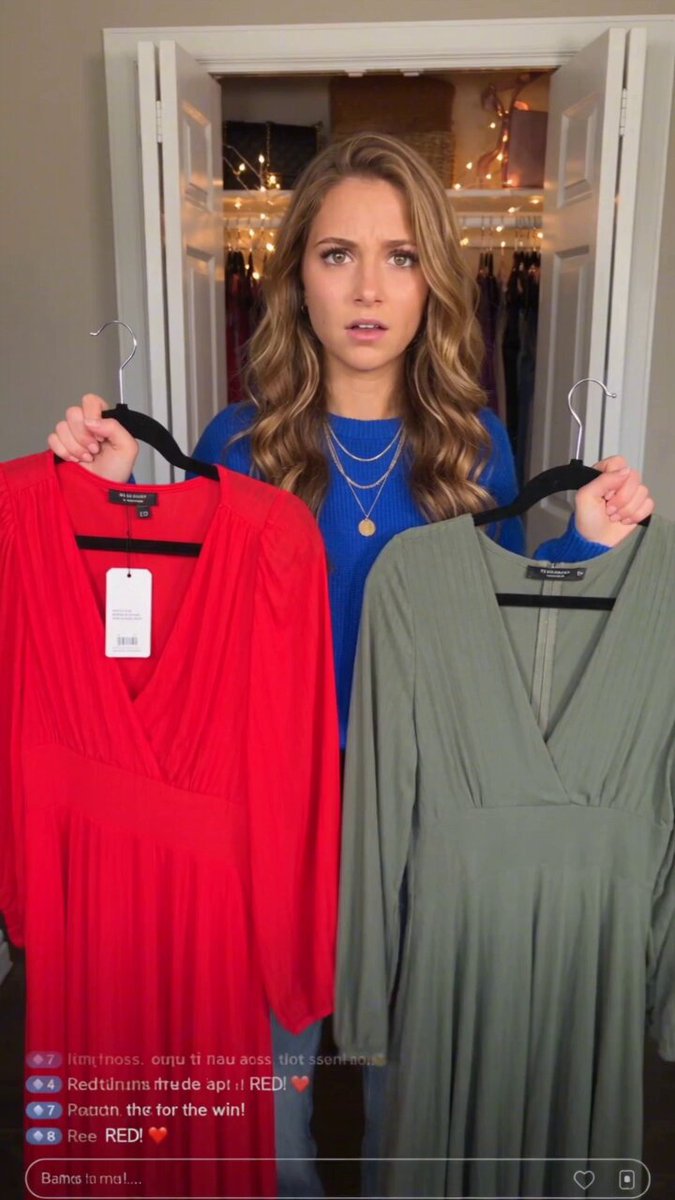
Faces deserve their own test, especially women, men, children, and diverse skin tones, because model biases and weaknesses are uneven. Natural eyes, correct fingers, believable skin, and stable identity across frames are the make-or-break details for lifestyle ads. A product ad without faces is safer; a human-centric ad is where the platform earns or loses its keep.
Consistency across a campaign matters too. If you are building a set of ads from one brand launch, the model should produce the same product, palette, and style every time. Test whether a platform can reuse a seed or reference image to keep the whole campaign unified, because a tangle of divergent styles across your ads weakens the brand.
Comparing on cost and throughput
Every platform operates on a usage allowance or tokens, and the economics vary wildly. Cost is not just the price of one clip; it is the price of the iterations you need to reach something usable. A cheap platform that discards nine of ten generations can be more expensive in real terms than a premium one that nails the shot quickly. Measure cost per acceptable final clip, not cost per raw generation.
Throughput is the other side of the coin. For a fast-moving advertising calendar, how quickly can you generate, review, and revise? Some platforms process in near real time for short clips; others queue jobs and take minutes. Your workflow needs to match your production cadence. If you are producing ads weekly, a moderate queue is fine. If you are iterating on the day of a campaign, speed matters a lot.
Volume pricing changes the calculus too. Power users get better value from plans with generous monthly quotas or bulk allowances, while occasional producers are better off paying per clip rather than carrying a subscription. Model your expected monthly output before choosing, and revisit the math whenever your usage grows.
Workflow and integration with professional tools
An AI video tool does not work in isolation. It needs to fit into your existing pipeline: where ideas become scripts, where scripts become storyboards, how footage reaches your editor, and how final ads get delivered to ad platforms. Compare how each tool handles this before choosing solely on output quality.
Consider whether the tool offers a usable dashboard and API, file-format and resolution flexibility for your editor, versioning for regen rates, and collaboration features if you work in a team. Some platforms now include assistant features that help structure a script, build a shot list, or choose the right model for a scene. These close the loop between the concept stage and the generated footage.
The ideal stack keeps your creative intent intact from prompt to publish. If a powerful generator requires a clunky manual handoff into your editor, the friction may eat the time you saved. Prefer tools that export cleanly and let you iterate without rebuilding from scratch.
The role of an AI director layer
Increasingly, platforms are layering a directing assistant on top of raw generators. Instead of hand-tuning every prompt, you describe the story and the assistant composes a script, breaks it into shots, assigns each shot a suitable model, and sequences the generation. For an ad team without deep prompting skills, this abstraction is genuinely valuable, it turns a wall of tooling into a guided workflow.
The trade-off is a loss of direct control. You are relying on the assistant's judgment about which model fits which scene, and it may not match your creative taste. Treat the assistant as a starting point you can override, not as an oracle. The best workflow is one where the assistant handles the mechanical planning and you keep the final approval on every shot.
A practical comparison process
When you sit down to compare platforms, follow a disciplined routine. Write one realistic test brief in your category. Execute the identical brief on each platform. Run the same human face, the same product, the same camera directions, and the same in-frame headline. Collect the results into a single folder and score each on clarity, consistency, motion quality, detail, and how faithfully it followed your direction. Then compute the real cost per acceptable clip for your expected volume.
Do not let one show-stopper deflect you. If a platform is cheap but garbles text, decide whether your ads ever display text. If it cannot hold a face, decide whether your ads depend on faces. Rank by fit to your actual needs, not by an overall beauty contest, and pick the tool that minimizes your biggest problems.
Building a repeatable ad workflow
Once you choose a platform, build it into a repeatable loop. Start from a clear brief and a locked brand reference (logo, palette, product photography). Generate a single hero shot, validate it against the brief, then scale to the full set of ad variants. Use the platform's reference or seed features to keep the campaign unified, and audit every final clip for the details, faces, hands, text, and consistency, that you know are its weak spots.
Review performance after the campaign runs. Which variants held attention, which converted? Feed those learnings back into the next brief. The tools iterate fast, and your reusable briefs and reference packs will compound into faster, more reliable production each cycle.
Crafting the ad brief that guides generation
A strong ad brief keeps the AI working toward your goal instead of wandering. Start with the single message the ad must land, then the audience, the tone, and the visual world you want. Define the product clearly, including any details that must remain accurate, such as surfaces, shapes, and colors. The brief is the fence that keeps a thousand creative directions from competing inside one twenty-second spot.
Write the brief as if briefing a human director. It should say what the viewer should feel and what the viewer should do, and it should exclude what the ad is not. If you are avoiding a playful tone, say so. The clearer the boundaries, the easier it is to reject generated variations that drift off-brief, and the more reproducible the whole campaign becomes.
Keep the brief in the same folder as your references and your finished spots. When you run the next campaign, you update this file rather than starting blank, and you preserve the knowledge of what your brand will and will not do. That single practice turns AI ad production from a series of one-offs into a repeatable, compounding studio.
Validating outputs against audience expectations
Generation quality is only half of whether an ad works; the other half is whether it fits the audience and the placement. Before you spend on any AI-produced visual, ask whether it matches what your buyers expect to see from a brand like yours. A surreal, experimental image might win a fashion audience and alienate a hospital's. Audit the output against your audience's context, not just against the brief.
Test across the placements you will actually use. A clip that looks good full-screen may crop badly inside a tiny feed card or a story sticker. Verify that headlines remain readable, key product detail survives the crop, and no generation artifact appears in the visible region. Because perception differs by context, validate in the real environment rather than only in a render preview.
Consider running a small split test before a full launch when risk is high. Two generated concepts, one safe and one bold, can be shown to a small audience to learn which resonates. This is the cheapest form of market research, and it keeps your AI budget pointed at what genuinely converts rather than what impresses you in isolation.
Scaling beyond a single ad
A single good ad is a start; a sustainable ad system scales into many. The repeat is the tactic that multiplies an idea: one base message rendered into dozens of variants by changing backgrounds, actors, camera angles, and hooks. Because each variant shares the locked brand reference, the whole set stays recognizably one campaign while covering more audiences and more placements.
Structure your library so scaling is easy. Keep the hero message, the locked references, and the validated hero shot as the anchors, and treat everything else as swappable levers. Measure each variant's performance and let the winners define the pattern for the next wave. Over time you will discover which creative axes move your audience, more motion, closer product shots, different voices, and you can push those levers deliberately.
Watch for fatigue. Once variants stop moving performance, the message or the visual language has worn out rather than the tooling. Refresh the references and the brief, not just the software. A good ad system is not a treadmill of endless variants; it is a loop that sharpens as it turns, and it retires what stops working as readily as it spins up what succeeds.
Conclusion
AI has made video ad creation accessible, but the discipline of a great ad has not changed: clarity, emotional pull, and credibility. When you compare platforms, judge them on the details that actually carry trust, visual consistency, believable motion, sharp fine detail, legible in-frame text, and honest cost per usable clip, not on demo gloss. Pick a tool that fits your real workflow and your real product, and build a repeatable process around it. The brands that win with AI ads are not the ones with the fanciest model; they are the ones with a clear message, a locked style, and a disciplined system for turning a prompt into a polished, on-brand spot again and again.
