
Short film production has always been an equation of resources versus ambition. A compelling idea could be undone by the cost of a set, the availability of a crew, or the hours of post-production required to make two minutes look intentional. Generative video has rearranged that equation: the barrier is no longer access to expensive equipment but the ability to direct an idea clearly and iterate on it quickly. This guide explains how AI video generation is reshaping short films, what the technology actually does well today, and how independent filmmakers can build a workflow around it without losing the authorship that makes their work feel human.
Understand this shift as a democratization of a craft that was previously gated by capital. The directorial choices, the story, and the taste still belong to the filmmaker. What has changed is that the execution that used to consume a budget can now be explored, tested, and refined at a pace that few studios could match a decade ago.
What generative video genuinely unlocks for short films
The most accurate way to think about the current generation of video models is as a high-speed pre-visualization and iteration engine. Where tradition would require building a set or hiring an animator to test a sequence, a director can now explore composition, camera movement, and timing in minutes. This is enormous for early development, because it lets the story find its visual voice before money is spent on any irreversible production step.
It also changes the economics of portfolio work. Emerging directors can demonstrate range, handle action beats, and realize stylized worlds that would previously have been out of reach. The result is that the gatekeepers of the industry no longer hold a monopoly on high production value, which is quietly shifting the bar from what you can afford to what you can imagine and direct.
The current limits you need to respect
It is equally important to be honest about what the tools cannot yet do reliably. Long-form coherence, subtle performance, and consistent identities across many shots remain the hardest problems, and anyone who tells you otherwise is overselling. The failures tend to cluster in three places: characters drifting across shots, physics breaking during complex interactions, and narrative meaning getting lost when a scene lasts longer than a few seconds.
The practical response is to design around these limits rather than fight them. Build scenes that favor the medium's strengths, such as short takes, controlled compositions, and single-subject moments. Weave multiple short coherent clips together into an edit rather than trying to generate an entire continuous scene as one block. Understanding where the model is reliable lets you extract the most value at the least risk.
Building a short-film workflow around the technology
A repeatable workflow matters more than any single tool. The structure that works for most independent productions looks like this: commit to the written story first, then design the visual language, then generate shot by shot, and finally assemble and refine in the edit. Keep each phase separated and disciplined, because jump ahead and you will generate thousands of images for a story that later turns out to be the wrong one.
Within that structure, treat generation as an iterative loop. Every shot goes through a cycle of prompt, review, adjust, and confirm. The iterations are cheap, so resist the urge to accept the first render. Keep reviewing against the story's purpose and the established style, and only lock a shot once it agrees with the direction you wrote.
Designing a visual language before you generate
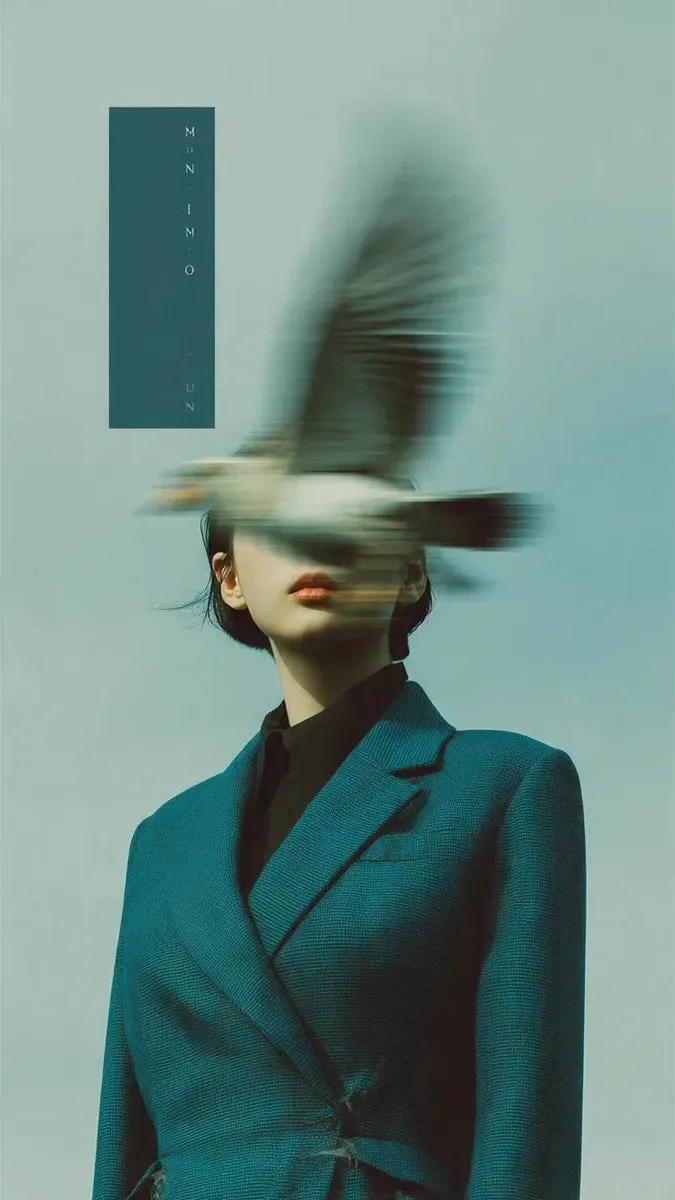
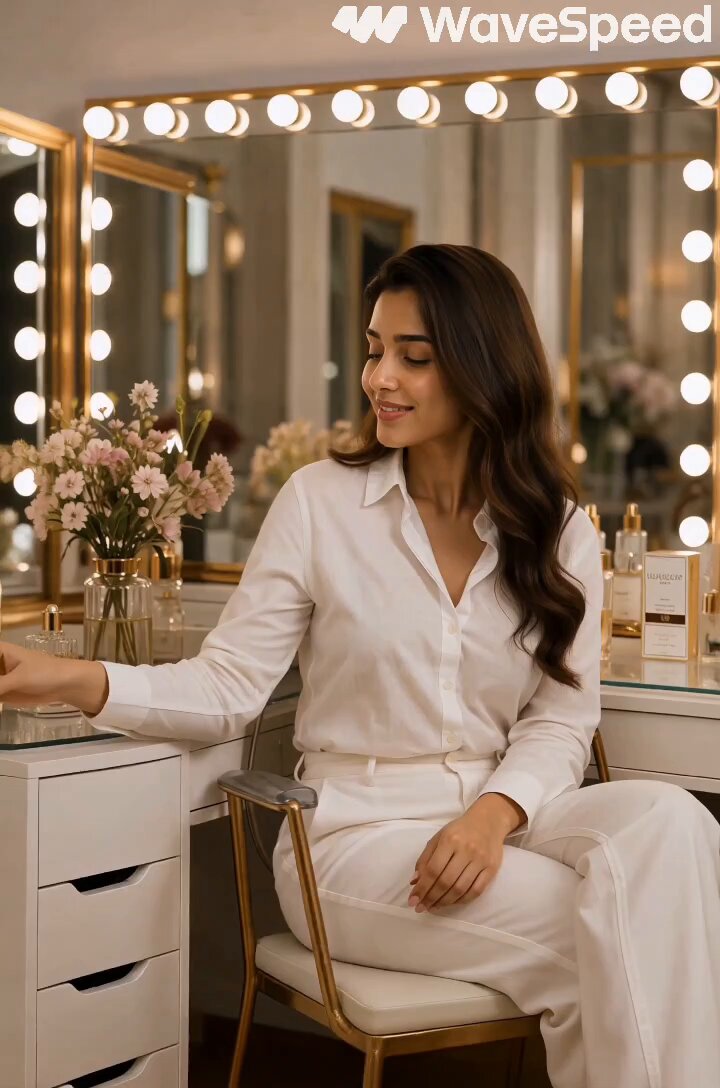
Short films succeed or fail on visual coherence, so settle your visual language before generating any images. Decide the palette, the light-to-shadow ratio, the level of realism, and the cine-photography feel you are chasing. Write this visual language down as a short reference document, and keep consulting it every time you review a generation.
The visual language does more than make the film pretty; it communicates mood and meaning. A desaturated palette with hard shadows supports a tense, austere story. A warm palette with soft light supports introspection. When you define these choices upfront, the individual shots have a clear template to aim for, and the final edit reads as one deliberate piece rather than a pile of lucky frames.
Directing for consistency across shots
Consistency is the skill that separates convincing generative films from experiments. The single most effective habit is to maintain a reference package for everything that repeats: your principal characters, your key locations, and your signature props. For each character, assemble reference images from multiple angles and under different lighting, and pair them with short textual anchors that describe their defining features.
When you direct a new shot, always restate the character's identity anchors rather than relying on the engine's memory. Consistency is something you maintain through disciplined reference handling, not something the machine guarantees on its own. The filmmakers who achieve believable continuity are the ones who treat identity as a specification to be re-supplied, not a hope.
Budgeting generation as a real production line
Because generation is cheap per unit but expensive when you multiply it, treat it with the same rigor as a camera budget. Plan a shot list before you start generating, so you spend compute only on shots you actually intend to use. Assign a tier to each shot, with the hero images getting premium, careful passes and the transition and background material getting faster, cheaper defaults. At the end of every session, review what you produced against the plan and retire anything that does not serve the sequence. A disciplined, tiered budget converts wasted generations into more finished minutes per hour.
Making the edit work harder than the generation
A good edit can rescue generations that individually are merely passable, and a lazy edit can flatten footage that is individually excellent. Because generative clips are often short and self-contained, editing is where your short film becomes a narrative. The pacing, the rhythm of cuts, the layering of sound, and the emotional logic of the sequence all live in the edit, not in the individual generated frames.
Sound design is especially potent here. A short film's emotional texture is carried more by sound than most beginners realize, and generative visuals give you a very flexible canvas on which sound can do decisive storytelling work. Spend real effort on audio; it will make modest visuals feel expensive and unify shots that would otherwise feel disconnected.
Monetizing short-form generative work as a modern practice
The democratization of production value has also opened newer paths to income for independent creators. Platforms that reward short-form video give you a direct channel to audiences that the old distribution model made inaccessible. Creators can build a following on a distinctive visual signature, license their short pieces, take commercial commissions, or productize their style as templates others can use.
The discipline that makes any of these viable is consistency and volume of output with a recognizable point of view. Production quality is now table stakes; audiences can smell generic AI content instantly. What they cannot reproduce is a specific, repeated, authored visual identity, so invest in one and defend it across every piece you release.
Protecting authorship in an age of shared engines
Because so many people now have access to the same model families, the raw tool no longer distinguishes you. What distinguishes you is direction: the stories you choose, the visual language you impose, the editing rhythm you prefer, and the themes you keep returning to. These authorial fingerprints are harder to copy than any prompt.
So do not treat the technology as a replacement for your point of view. Treat it as the most responsive production team you will ever have, one that executes your direction at machine speed. The more deliberate you are, the more the output carries your signature, and the more defensible your work becomes in a crowded and increasingly homogenous field.
A practical starting point for your first generative short
If you are ready to make your first piece, resist the urge to start with a sprawling epic. Pick a small, contained story with one location, one or two characters, and a single emotional beat. The smaller the surface area, the more control you can actually exercise over consistency and craft, and the more likely you are to finish, which is the rarest achievement of all.
Write the story as a single short document, define the visual language, gather the reference package for the characters, and then generate in disciplined shots. Review everything against your direction, assemble the best material in the edit, and let sound carry the emotion. When you finish a small, coherent, authored piece, you will have learned more about the craft than from a dozen sprawling experiments, and you will have a finished film that is unmistakably yours.
Questions independent filmmakers ask most
How long can a single generated clip reasonably be?
Strongly coherent clips are usually short, often a handful of seconds, and longer outputs are where drift becomes obvious. The winning strategy is to generate many short, controllable pieces and weave them together in the edit, rather than to chase one very long flawless generation.
Do I still need to learn traditional filmmaking?
The craft transfers almost entirely. Composition, pacing, lighting intent, sound design, and emotional staging are all still yours to supply, and they are what separate authored work from a pile of pretty clips. Understanding direction makes you better at generating, and editing remains a filmmaking skill.
Is generative short film only worth it for stylized work?
Not at all. Photorealistic pieces benefit just as much from reference discipline and direction; they simply demand more careful consistency work. The medium rewards whoever respects its limits, regardless of whether the look is painterly or photo-real.
What is the single best habit I can adopt today?
Keep every prompt grounded in a written direction rather than improvising. When a shot misses, revise the written intent before regenerating. That single habit reduces wasted generations more than any tool setting.
How do I stand out when everyone has the same models?
Rely on your point of view, your recurring themes, your chosen visual language, and your editing rhythm. None of those can be reproduced by someone copying your prompt. Defend them in every piece and they become your signature in a crowded field.
The future of short film is not the automatic output of machines. It is the one thing machines still cannot supply: a human with a point of view, directing intent effortlessly realized. That is your advantage, and the technology is simply the instrument.
A field checklist to run before you lock each shot
Before you accept any generated shot into your edit, run it through this short list. Does the subject match the reference set for face, costume, and signature detail? Does the framing follow the written camera direction, or has it drifted? Is the lighting consistent with the scene's planned time of day and mood? Is the palette still inside the bounds of your visual language? Would the pacing of this shot serve the intended feeling when placed in the sequence? If any check fails, revise the direction and regenerate rather than carrying an off-target shot forward. That one discipline is what keeps an entire generated film reading coherently instead of drifting episode by episode.
Building a reusable direction template
A short template saves you from re-deciding the same things for every shot and keeps your output consistent across an entire project and across projects. Start with the scene location and time of day, then the subjects and their identity anchors drawn from your reference set, then the primary subject motion stated as one clear verb or action, then the camera language you want, and finally the emotional intent the shot must serve. Store that template in a place you actually consult, and fill it out fresh for each new shot instead of copying an old prompt verbatim. Reusing the frame but re-deciding the content keeps your work recognizable without falling into mechanical repetition.
