
What Makes a Great AI Video Prompt
Every AI video generation starts the same way: with a prompt. Yet the difference
between a generic clip and a scene that looks deliberate, cinematic, and
on-brand almost always comes down to how that prompt is written. The models
that turn text into moving images are literal-minded and enormously capable,
but they do not guess. They interpret, and they take your words at face value.
A good video prompt does four things well. It tells the model what is in the
frame. It tells the model how the frame is lit and colored. It tells the model
how the camera moves. And it tells the model what happens over time. The last
point is the one people most often forget. Image prompts describe a frozen
moment; video prompts describe a duration. If you only describe a scene but not
the motion, you leave the most important creative decision to chance.
Think of the prompt as a brief you would hand to a director of photography. A
director does not say "make it pretty"; they say "wide tracking shot, soft
morning light, shallow depth of field, the subject walks from left to right and
turns to camera." The more concretely you specify framing, light, movement, and
timing, the more the model has to work with and the closer the result will be to
what you pictured.
Begin by writing a single sentence that captures the essence of the scene: the
subject, the setting, and the predominant feeling. Everything else in the prompt
should support that sentence. If you cannot say what the scene is about in one
line, the model almost certainly cannot either, and no amount of extra detail
will rescue an unfocused core idea.
Building a Repeatable Prompt Workflow
Consistency does not come from a single great prompt. It comes from a process
that lets you iterate quickly and keep the parts that work. The most effective
workflows treat prompt writing as an experimental loop rather than a one-shot
attempt.
Start with a template that holds the stable parts of almost every prompt you
write. A useful default might be: subject, environment, camera movement,
lighting, mood, and duration. Fill in each slot once and generate a first
version. Then change one variable at a time. When you alter the camera angle,
keep the lighting and subject identical so you can see exactly what the change
produced. This controlled comparison is how you learn what each word actually
does in the model you are using.
Keep a record of prompts that worked and the output they produced. A small
library of successful prompts becomes the fastest possible starting point for
new projects, because you are not rediscovering the same phrasing each time.
Over time you will notice patterns: certain adjectives reliably change the
color grade, certain verbs change the speed of motion, and certain framing
words change the apparent lens. Write those patterns down.
It also pays to version your prompts in the same way you would version source
code. When a client approves a look, you want to be able to reproduce it nine
months later. A prompt with no recorded history is hard to reproduce; a prompt
with a version log is trivial. This discipline separates hobbyist output from
production work.
Lighting, Atmosphere, and the Feeling of a Scene
Lighting is the fastest way to set a mood, and it is the detail most prompts
neglect. The words you choose for light do more heavy lifting than almost any
other part of the prompt because light determines how the audience reads the
scene emotionally.
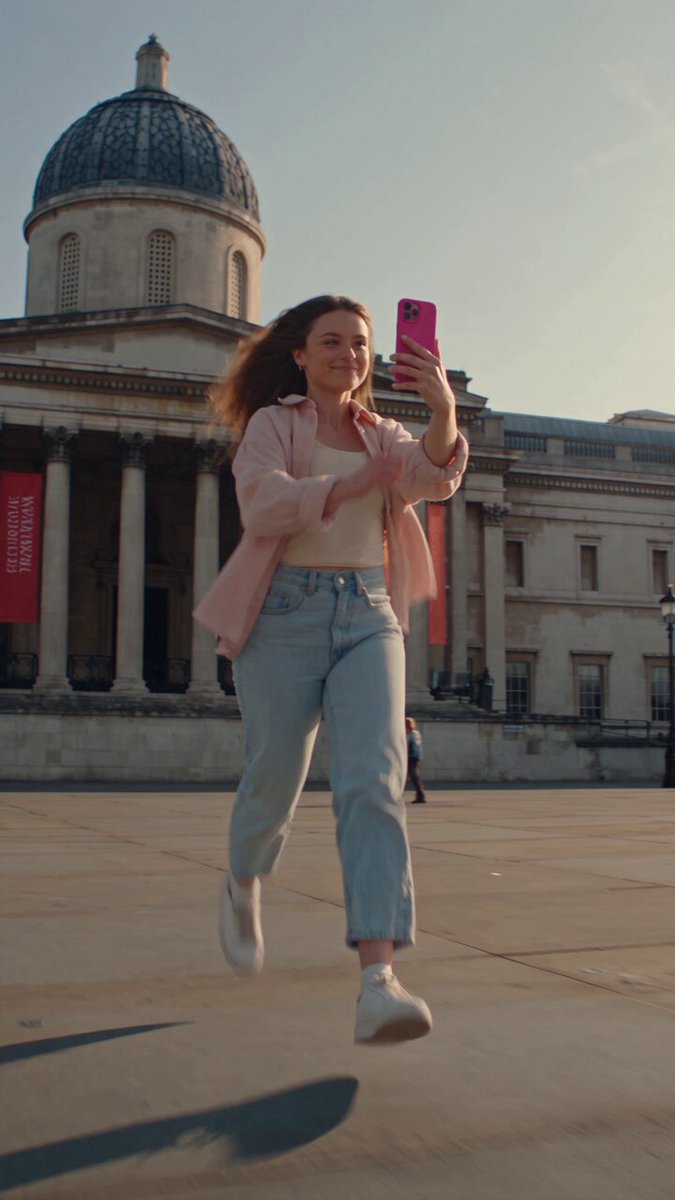
Ambient lighting creates calm, softness, and warmth. Golden hour, which is the
low warm light just after sunrise or before sunset, reads as nostalgic and
beautiful. Soft diffused light on an overcast day reads as gentle and
melancholy. Hard directional light with long shadows, by contrast, creates
drama, tension, and a noir feel. A single word can flip a scene from comfortable
to menacing, so choose it deliberately.
Color temperature is another quick lever. Warm light leans orange and feels
inviting; cool light leans blue and feels clinical or lonely. Mixed lighting,
where a warm source and a cool source coexist, produces a stylized look favored
by modern cinema. If you want a scene to feel expensive and controlled, mention
the color grade explicitly, for example a teal and orange grade or muted,
desaturated tones.
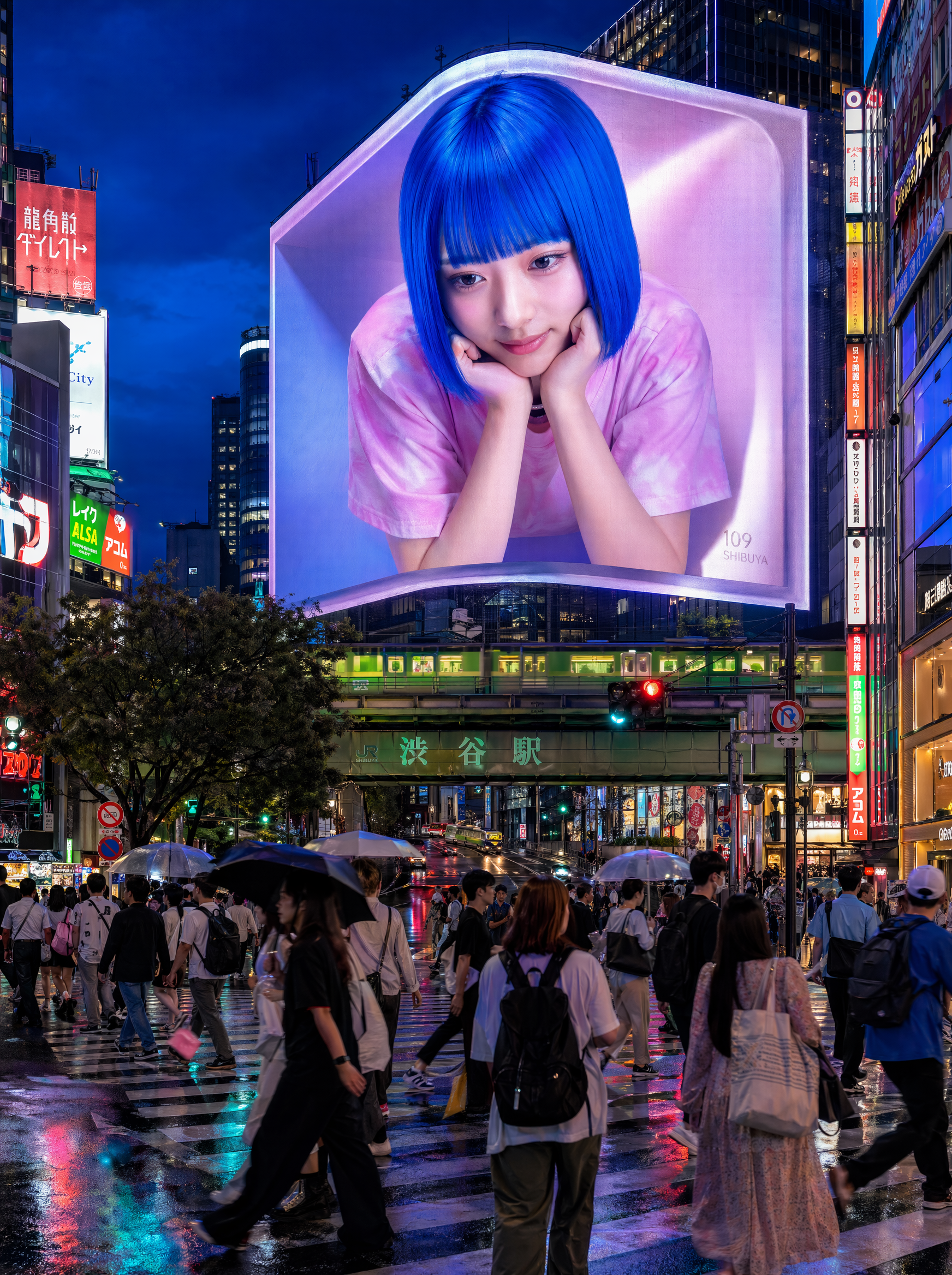
Atmosphere extends beyond light into the air itself. Fog, mist, haze, rain,
snow, and dust all change the geometry of a scene and add depth. A little haze
between the camera and the subject softens edges and creates cinematic depth.
Smoke catching a shaft of light is one of the most reliably beautiful effects in
video production, and it is a single word in a prompt.
The lesson is to treat lighting and atmosphere as characters in their own right.
Give them at least one descriptive clause in every prompt. A scene with defined
lighting reads as intentional; a scene without it reads as default and flat.
Directing the Camera
Camera work is the element that most clearly separates video thinking from
image thinking. The camera is an invisible narrator, and its behavior tells the
audience how to feel about what it sees.
A static locked-off shot feels observational and calm. A slow push-in, where
the camera slowly moves toward the subject, builds intimacy and tension. A
tracking shot that glides alongside a moving subject creates dynamism and
energy. A handheld shot feels immediate, documentary, and slightly unstable.
Aerial and crane shots give scale and grandeur. Each of these is easy to
communicate in a prompt if you name the move.
Do not stop at naming the move; describe the framing that goes with it. Wide
shots establish environment, medium shots connect subject to place, close-ups
emphasize emotion and detail, and extreme close-ups read as intense and intimate.
Combining a move with a frame, such as "slow push-in to a close-up," gives the
model a precise instruction that produces deliberately composed results.
Movement can also live in the scene independent of the camera. Flowing hair,
rising steam, drifting clouds, fluttering fabric, falling leaves: these small
motions make a generated scene feel alive rather than frozen. If you want motion
in your result, say so, and say what is moving. A scene described purely in
static terms will often come back static, because you asked for nothing to move.
Keeping Characters Consistent
One of the hardest problems in generative video is keeping a character looking
like the same person across multiple shots. A face that drifts between scenes
instantly shatters the illusion and marks the work as generated. Consistency is
therefore both a creative and a practical concern.
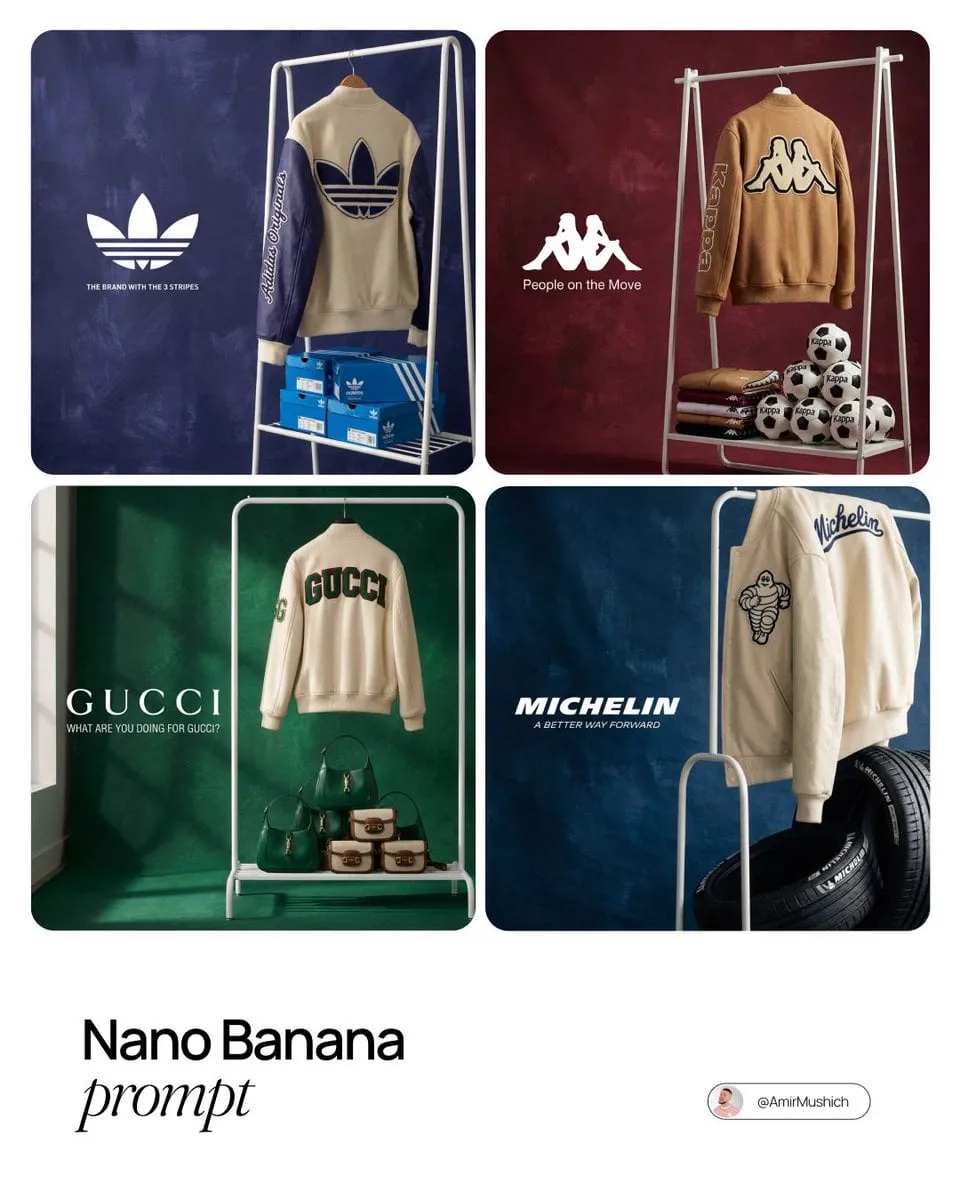
The most reliable approach is to fix the character's description and repeat it
verbatim in every prompt that features them. Pick a few stable attributes:
hair color and length, eye color, height and build, style of clothing, and any
distinguishing features like freckles or scars. Use exactly the same wording
each time. Paraphrasing invites the model to reimagine the character; literal
repetition anchors it.
Supporting reference material helps enormously. Many pipelines let you provide
a source image that the model should treat as the character's appearance. When
that option exists, use it, and combine it with a written description that
reinforces the same features. Written and visual references working together
are far more robust than either alone.
Settle the costume and setting once and reuse them. If a character wears a red
jacket in scene one, they should wear the red jacket in every later scene set on
the same day. Changing small details across prompts is an invitation for the
model to drift. The tighter your constraints, the tighter your consistency.
Stylistic Persistence Across a Sequence
Beyond characters, the whole look of a video needs to stay stable from shot to
shot. Consecutive scenes that feel like different films are as damaging as an
inconsistent character face.
The trick is to establish a style vocabulary and repeat it. If your project uses
a painterly, hand-rendered aesthetic, that phrase should appear in every scene
prompt. If it uses photorealistic documentary realism, say so every time. If
you rely on a particular palette, name those colors. Style words are cheap to
repeat and enormously stabilizing.
Think about continuity like a production supervisor would. The time of day, the
weather, the season, the geographical setting, the clothing, and the general
mood all need to match across cuts. Decide these facts once and paste them into
each prompt. The more context you carry forward, the less room the model has to
invent something inconsistent.
Reference frames also help bridge transitions. When a new scene must match the
end of a previous one, anchor the new prompt to the look of the old. Describing
the continuation, for example that the light and palette stay the same while the
camera pulls back, tells the model the scene is continuous rather than brand
new.
Using Style References for a Signature Look
Style references are one of the most reliable ways to pin down an aesthetic that
goes beyond language. When you can supply an image that represents the feeling
you want, the model can study its palette, texture, and composition and match
them across your whole project. This is especially useful for brand identity,
where the look must stay recognizable regardless of the scene.
A strong reference does not have to be a perfect example of your final output.
A mood board made of several images, each contributing one quality, often beats
a single image that is trying to do too much. One image might establish the
color palette, a second the way light falls on faces, and a third the overall
level of realism. Combined with your written prompt, this gives the model
multiple, independent clues about what you want.
Be careful, however, that the reference does not overshadow your written
instructions. The model is balancing everything you give it, and a striking
reference can dominate a weak prompt. Write the prompt as if the reference were
the backup rather than the source of truth. Keep the two in agreement; a
reference that contradicts the words will produce a muddled result.
Negative Constraints and Guardrails
Equally important as what you want is what you explicitly do not want. Most
generation tools honor negative prompts, telling the model which features to
avoid. Building a short, reusable negative list saves an enormous amount of
time on rework.
Common negatives for video work include extra limbs or fingers, distorted text
and watermarks, blurry frames, warped faces, flickering light, and unintended
visitors in the background. Because these issues recur across many projects,
memorize the ones that matter to you and keep them ready to paste in.
There is a balance to strike. A negative prompt that is too long can start
suppressing desirable content and reduce overall quality. Keep the list focused
on the failures you actually see from the model you use, and prune anything
that does not measurably help. Guardrails are a maintenance task, not a set-
and-forget list.
Common Mistakes and How to Fix Them
Even experienced prompt writers make predictable errors. Recognizing them is
the first step to avoiding them.
Overloading the prompt is the most common failure. A paragraph that crams
dozens of unrelated details forces the model to compromise, and the result
prioritizes none of them. Trim to the elements that matter and recompose.
Vague qualifiers are another classic problem. Words like "nice," "good,"
"beautiful," and "amazing" carry almost no information. Replace them with
specific, sensory language the model can act on.
Forgetting motion produces static, lifeless output. Re-read your prompt and
confirm you have described what changes over time, whether that is camera
movement, subject movement, or ambient motion.
Inconsistent characters, as discussed, come from paraphrasing or from changing
details between shots. Standardize your descriptors and stick to them.
Ignoring the platform's capabilities leads to disappointment. Different models
handle different concepts with different skill, and some do not honor certain
types of instructions at all. Learn what your chosen tool does well and design
prompts around its strengths rather than against them.
Frequently Asked Questions
How long should a video prompt be?
Long enough to be specific and short enough to stay focused. A few dense
sentences usually outperform a paragraph, because every sentence earns its
place. Aim for clarity over volume.
How many takes do I need before a scene looks right?
Plan on several. The first generation establishes a baseline; refinement
happens in the second and third passes as you adjust single variables. A scene
that is rejected three or four times is normal, not a sign of failure.
Can I reuse the same prompt across projects?
The craft carries over, but the phrasing should be adapted. Certain model
families respond well to particular language, so a prompt tuned for one tool
may underperform on another. Keep a library and test before reuse.
Should I mention camera lenses and settings?
It can help when you know what you want. Terms like wide-angle, telephoto,
shallow depth of field, and low f-stop give the model concrete photographic
signals. Only include them if you understand the visual result you are asking
for.
Is prompt writing a skill worth building?
More than ever. As generation becomes cheaper and faster, the creative
differentiator is the quality of the instruction. The people who can articulate
a vision precisely will consistently outproduce those who type a loose idea and
hope.
