
AI Video Synthesis: The Cutting Edge of 2025 Video Generation Technology
Aug 4, 2026

The State of AI Video Synthesis in 2025
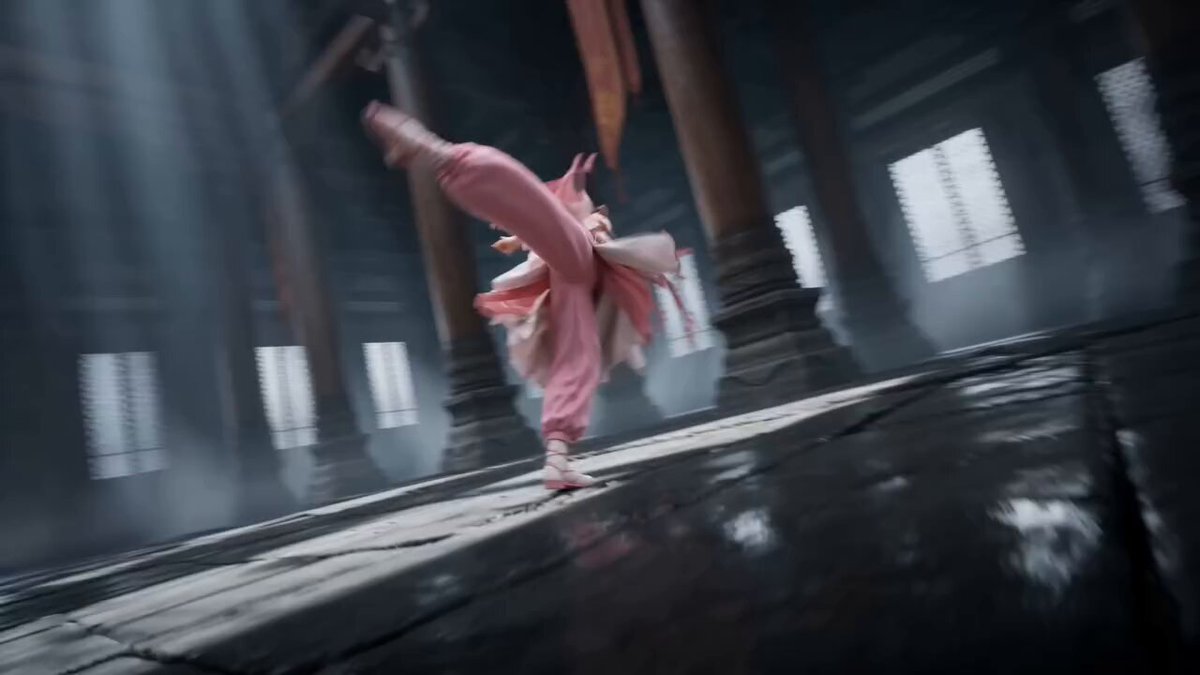
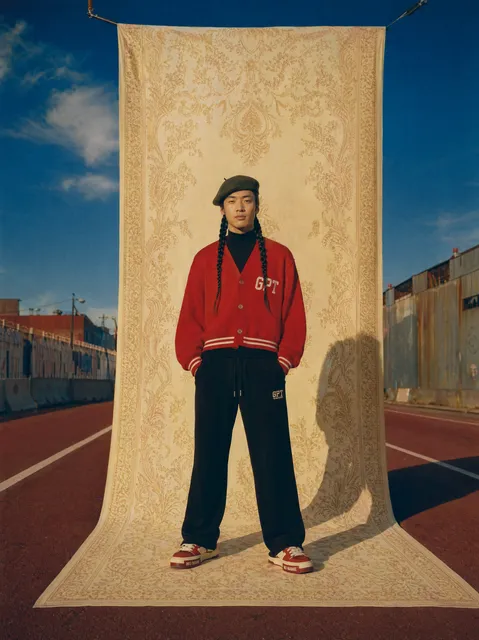
AI video synthesis has undergone a remarkable transformation. What was experimental technology just two years ago is now producing broadcast-quality content. The market for AI-generated video has surged past major milestones, with adoption rates climbing across entertainment, marketing, education, and social media.
The key driver? A convergence of faster GPUs, more efficient neural architectures, and vastly improved training datasets. The result is video synthesis that can handle complex scenes, maintain temporal consistency, and deliver cinematic quality — all from text prompts or reference images.
Breakthrough Technologies Shaping Video Synthesis
Neural Radiance Fields and 3D Understanding
Modern video synthesis models increasingly incorporate 3D spatial understanding. Rather than treating video as a flat sequence of 2D frames, advanced systems build implicit 3D representations of scenes. This enables realistic camera movements, consistent lighting across perspective changes, and physically plausible object interactions.
Temporal Consistency Mechanisms
The holy grail of AI video — maintaining perfect consistency across frames — is closer than ever. New attention mechanisms and temporal conditioning techniques ensure that objects don't flicker, characters maintain their appearance, and motion follows natural physics. For creators who need professional output, AI video generators now offer these capabilities out of the box.
Diffusion Models for Video
Diffusion models, which dominated image generation, have been successfully extended to video. By operating in a spatio-temporal latent space, these models generate coherent motion while preserving the visual quality that made diffusion famous. The latest iterations can produce minutes of consistent footage.
Real-Time Generation Is Coming
One of the most exciting frontiers is real-time video synthesis. While current high-quality generation still requires significant compute time, optimized models and dedicated hardware are bringing us closer to interactive speeds. Imagine typing a description and watching the video materialize as you refine your prompt. This capability will transform live streaming, gaming, and interactive storytelling.
Practical Applications Across Industries
Marketing and Advertising
Brands can now produce dozens of video variations for A/B testing in the time it used to take to create one. Personalized video ads — where each viewer sees a version tailored to their interests — are becoming practical at scale.
Education and Training
Complex concepts come alive through AI-generated visualizations. Training videos can be localized into dozens of languages with consistent visual quality, dramatically reducing production costs.
Entertainment and Storytelling
Independent creators now have access to tools that rival studio production values. Short films, music videos, and narrative content can be produced by small teams — or even solo creators.
For creators building assets for video projects, AI image generators provide the perfect starting point for creating storyboards and reference frames.
Choosing the Right Tools for Your Project
Not all video synthesis tools are created equal. When evaluating options, consider:
- Output quality: Photorealism vs. stylized aesthetics
- Generation speed: Batch processing vs. interactive feedback
- Control granularity: How much influence do you have over camera movement, lighting, and character consistency?
- Integration: Does the tool fit into your existing workflow?
For projects demanding the highest fidelity, next-generation models like Seedance 2.0 push the boundaries of what's possible in AI video synthesis.
The Road Ahead
AI video synthesis is on a trajectory toward full creative democratization. As models become more efficient and accessible, the distinction between "AI-generated" and "professionally produced" will continue to blur. The creators who thrive will be those who master the art of directing AI — combining technical knowledge with creative vision.
Stay updated on the latest in AI video technology at the Domer blog.

Alexander
More Blogs
Read MoreVidu Q4 Alternatives: 4K AI Video Models Compared (2026)
Vidu Q4 alternatives compared: Kling 4.0, Seedance 2.5, Wan 3.0, and Runway Gen-4 — 4K support, input modes, durations, audio, and what each costs in credits on Domer.
Top 4K AI Image Generators in 2026: 5 Models Compared on Real Costs
The top 4K AI image generators on Domer compared: Flux 3 Klein, Nano Banana 2.1, GPT Image 2.5, GPT Image 2, and Nano Banana Pro — 4K credit costs, reference limits, and speed.
Nano Banana 2.1 vs GPT Image 2.5: Which Image Model Should You Use? (2026)
Nano Banana 2.1 vs GPT Image 2.5 Flare compared: credit costs per resolution, aspect ratios, reference images, text rendering, and which tasks fit each model.