
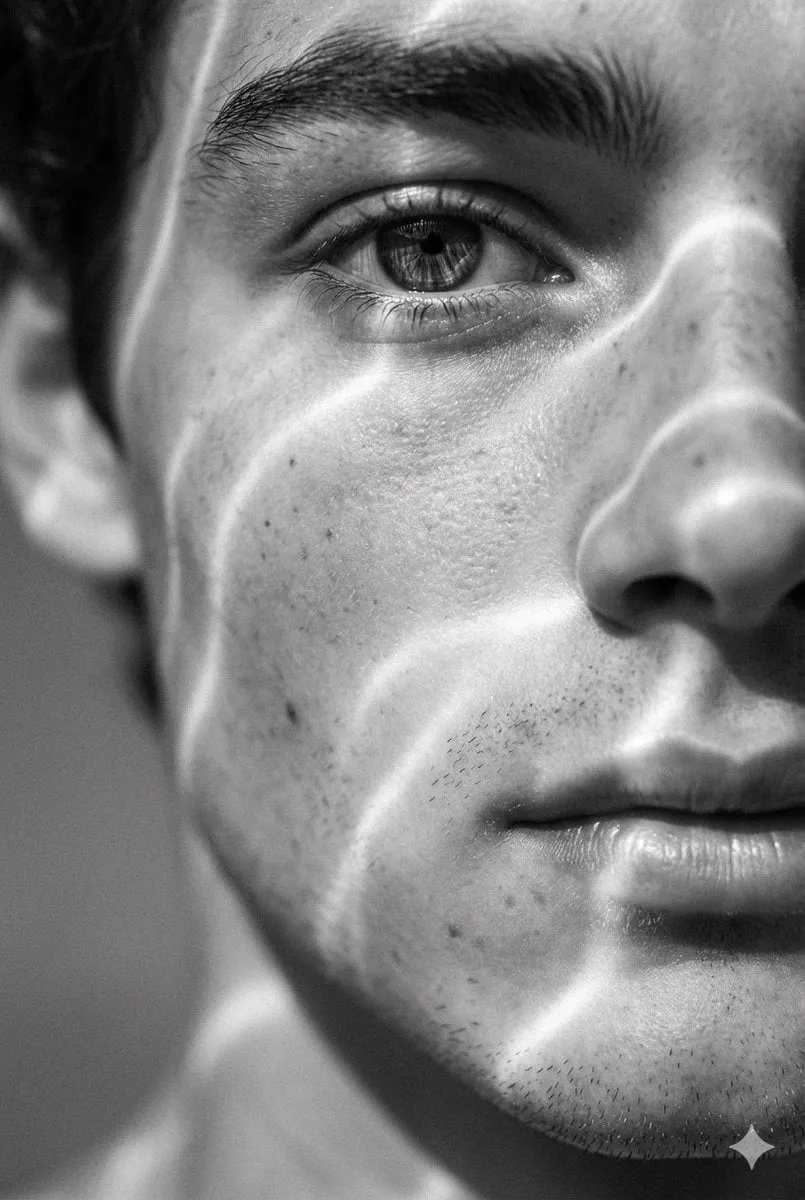

Almost anyone can generate a moving image these days. Type a prompt, wait a few seconds, and a clip appears that looks surprisingly "real." The hard problem is no longer generating a video at all — it is generating a video that behaves like a story, carries a single mood, and keeps the same character recognizable from the first frame to the last.
That is where the idea of a cinematic style director comes in. Think of it as a guardrail for the whole creative pipeline: it holds the style, the tone, and the narrative thread steady while individual scenes are being generated. Without that steadying hand, a five-scene piece can easily drift into four different visual worlds and one very confused audience.
This article walks through what a style director actually does, why character and scene continuity matter so much, how to pick the right model for the job, and how sound and editing reinforce the cinematic feeling. By the end, you will have a practical playbook you can use on your next AI video project.
The job of a style officer is to say no to drift
The most common failure in AI video is styling drift. Scene one is moody and blue; scene two is bright and warm; scene three looks like a completely different production. Each clip on its own is fine, but stitched together the piece feels broken.
A style director exists to prevent exactly that. Instead of approving every pretty frame in isolation, this role checks every output against a shared visual bible: the same palette, the same lighting direction, the same lens language, the same character. It is a deliberate, full-time focus on consistency rather than individual beauty.
Consistency beats cleverness
When teams start working with generative video, they tend to celebrate the single most impressive clip and ignore the boring continuity work. That is backwards. A cohesive series of competent clips will always outperform one brilliant clip surrounded by visual chaos.
The practical implication: keep a style reference card handy. Note the color grade, the shot scale, the camera movement, the character wardrobe. Reuse the exact same reference entries across every scene so the model is being reminded of the same constraints again and again.
Building characters and scenes that stay the same person
Character continuity is the hardest part of AI storytelling, and it is also the part most worth getting right. Audiences forgive a lot of technical wobble, but they do not forgive a protagonist who changes face halfway through the film.
The trick used by serious workflows is reference anchoring. You generate a set of key frames for the character once, lock down the facial structure, the hair, the outfit, and the general proportions, then reuse those reference frames every time the character appears in a new scene.
Why reference frames work better than text alone
Text descriptions are fuzzy. Write "the same young woman in a red coat" and the model will interpret the face, the coat cut, and the lighting a little differently on every pass. A reference image pins those ambiguous details down.
The same logic applies to settings. Establish each important location with an anchor frame so that the coffee shop you see in scene two is recognizably the coffee shop from scene one. You are, in effect, giving the production a memory.
Handling a cast of characters
When you have more than one character, do not try to hold everything in your head. Build a reference sheet — one image per character, plus a short note about the relationship between them and the shared environment. Use it consistently and you will avoid the classic problem of two characters swapping features by accident.
Choosing a model is a creative decision, not just a technical one
Different video models have genuinely different personalities. Some are superb at realistic human motion, others at stylized animation, others at wide cinematic compositions. The style director's role extends to choosing which model deserves which scene.
A few useful rules of thumb:
- For photorealistic human performance, lean on models known for strong anatomy and facial fidelity.
- For stylized or illustrative looks, newer generations with broader artistic ranges often win.
- For sweeping establishing shots, models that understand depth and composition are usually better than ones tuned purely for close-ups.
Don't fall in love with one tool
It is tempting to use a single model for everything because it is familiar. But variety often pays off. Consider generating a scene with two or three different engines and picking the best result for each moment, as long as the reference frames keep everything unified.
Sound is half the cinema
Many creators pour all their effort into the visuals and then slap on any generic music track. That is a mistake. Sound design carries much of the emotional weight of a film, especially for short-form pieces where the first second of audio determines whether someone stops scrolling.
A cinematic style director pays attention to:
- ambient room tone and gentle foley, which make empty scenes feel alive;
- musical tempo and key that match the emotional beat of the visual cut;
- quiet moments — sometimes the best way to make a scene feel cinematic is to let the sound drop out;
- vocal clarity and pacing if there is narration or dialogue.
Syncing audio to the cut rhythm
Let your audio cut shape your visual rhythm, or let your video rhythm shape your audio. Either way, they need to move together. A common beginner mistake is generating a dramatic score, then cutting the video without ever checking the beat map, producing an odd floating feeling. Map your key visual moments to audio peaks and you will instantly get a more "produced" result.
Automating the repetitive director work
Consistency is, frankly, a lot of repetitive decisions. The good news is that much of it can be scripted so you can focus on the creative judgment instead of the drudgery.
When building an automated pipeline, consider these steps:
- template your prompts so core style constraints are always present;
- keep character and location reference frames in a shared folder the whole pipeline reads;
- generate several takes per scene and have a simple triage step select the best by continuity score;
- keep a version log so you can blame — and fix — a specific decision when a scene drifts.
Roles that make the process feel human
Even inside automation, it helps to think in human director terms. Someone logs the hero shot. Someone guards the color. Someone reviews the cut for continuity errors. You can implement these as simple checklists and automated checks without needing a large crew.
Writing prompts that behave like a production bible
Because a style director works through prompts, the quality of those prompts carries most of the creative weight. In practice, cinematic writing follows the same layers every time: subject, place and time, lighting, shot scale, camera intent, and mood. Repeating that structure keeps the model calm and consistent.
A practical tip is to write a single master template for your production and change only the "episode" variables between scenes. The subject changes, the location changes, but the lighting language, the palette, and the camera philosophy stay locked. This is the difference between a writer who reinvents a tone every scene and one who deliberately guards a tone across an entire piece.
The value of a visual bible as a living document
A style guide should be a living document, not a one-time file. As you discover what works — a particular palette, a camera move that landed, a texture the model handles well — add it to the reference. Over a few productions, you build a personal library of proven constraints that speeds up every future project.
Reusing beats across projects
Once you have a stable voice, you can apply it to entirely different subjects. The technical discipline stays the same: decide your constraints, log them, and check every frame against them. That is why style directors matter beyond any single film — they represent a repeatable method, not a temporary mood.
Working with limited reference material
You will not always have clean reference frames. When starting from scratch, generate a single hero still first: one strong image of your protagonist in the location, lit the way you want the whole scene to feel. Approve that image before producing anything else, then treat it as your anchor.
For locations you cannot pre-visualize, describe the architecture and lighting clearly and generate an establishing shot early. Locking it down fast avoids ambiguous "feelings" later. The earlier you fix the geographic and lighting ground rules, the less drift you will fight during the bulk of production.
When drift still sneaks in
Despite every safeguard, a scene will occasionally wander. The fastest correction is rarely to delete and regrow the whole thing. Instead, isolate what drifted — the face, the light, the costume — regenerate just that layer against the anchor, and composite. Small surgical fixes keep the production moving.
Common pitfalls and how to dodge them
A few recurring traps are worth naming so you can stay out of them:
- judging each clip in a vacuum instead of against the reference card;
- changing the character description halfway through because a new idea feels good in isolation;
- ignoring the color grade until the final cut, then discovering the scenes cannot be matched;
- overcomplicating the pipeline until the only person who understands it can no longer be reached.
The antidote to all of these is the same: decide your constraints early, write them down, and check every scene against them before you call it done.
Frequently asked questions
Do I need a big team to use a style director approach?
No. A single person with a reference card, a checklist, and a little discipline can keep a short AI film consistent. The role is a mindset as much as a job title.
What if my story needs a deliberate shift in mood between acts?
Plan the shifts deliberately. Define a palette and lighting approach for Act One and a clearly different one for Act Two, then enforce each consistently within its act. Intentional change reads as structure; accidental change reads as carelessness.
Is it better to generate everything then edit, or generate scene by scene?
Generate scene by scene against the reference card, then assemble. Editing after everything is generated is much riskier because drift has already piled up and there is no easy way to unwind it.
How many reference frames do I actually need?
A focused project can get by with one image per main character and one per key location. More is fine, but only if you actually use them consistently.
Can the same character survive heavy style changes between scenes?
Only if the identity anchor is strong and the style change is applied to the whole film in a controlled way. The safer route is to keep the style stable and use color and music to create variety.
How do I know when a reference frame is good enough?
Test it early. Generate the same character in three different scenes against the same anchor. If the face, outfit, and proportions stay recognizable in all three, the anchor is doing its job. If not, refine the reference image before you commit to the full production.
What is the best order for a first short film?
Lock the concept and mood first, then the protagonist anchor, then the key locations, then the palette and lighting language. Only after those are fixed start generating full scenes. Skipping ahead usually means redoing work because an early decision (usually color or location) has to be revisited.
Do I need to generate everything myself, or can I reuse work from earlier projects?
Reuse freely. Locations, palettes, camera moves, and even whole styles often survive between projects with minor tweaks. Keeping a personal library of proven constraints is exactly what makes each new film faster than the last.
Bringing it together
The difference between random AI clips and a real short film is rarely resolution or model quality. It is coherence. A cinematic style director gives the work a spine: consistent characters, controlled moods, unified sound, and a clear sequence of choices.
You do not need a fancy title to take the job on. Start small. Write down your character's identity, lock one palette, decide your camera language, and then generate every scene against that single reference. The result might not be flashy in any single frame, but watch it from beginning to end and you will feel the difference — that is what cinema is really about.
