
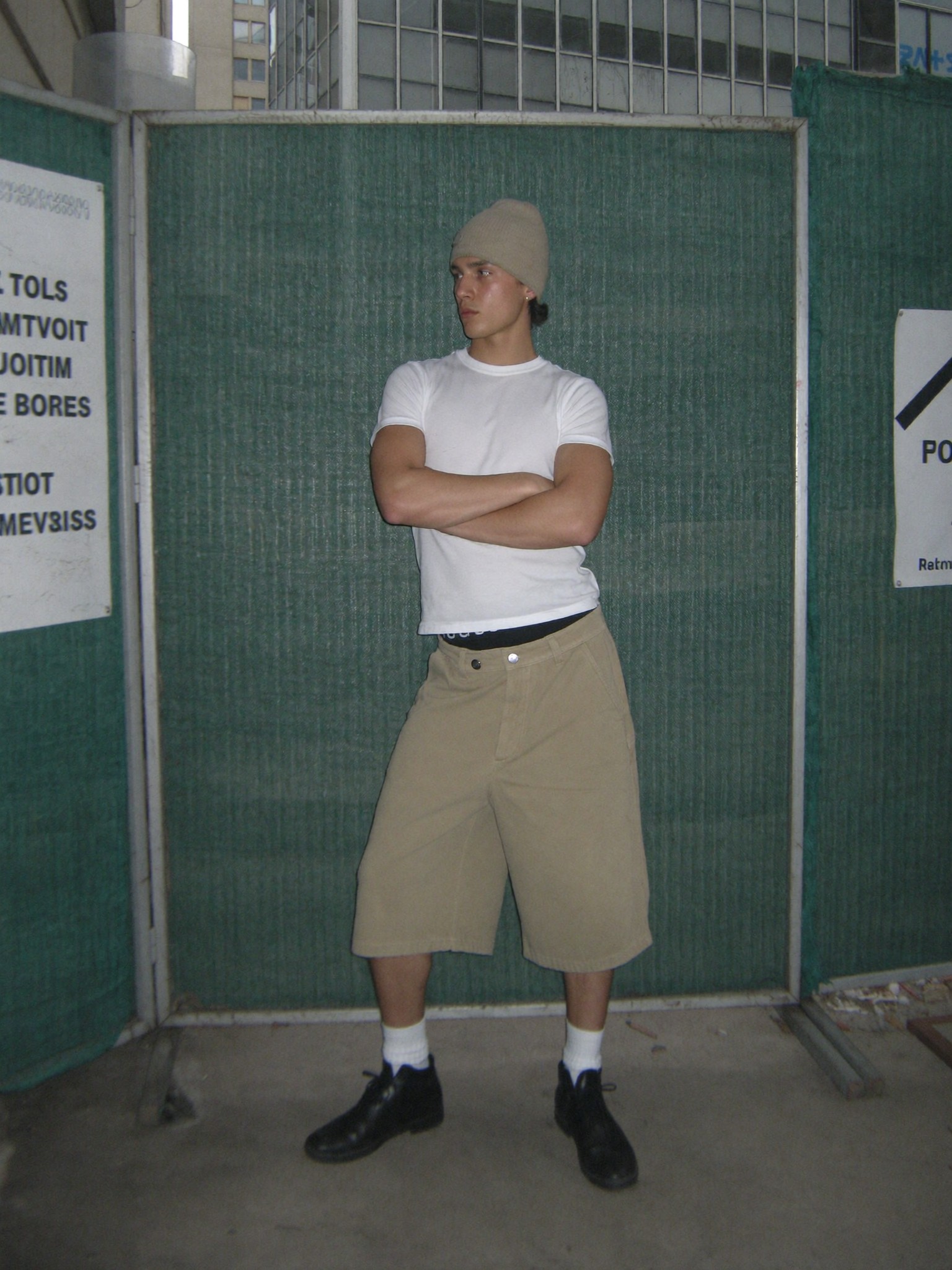
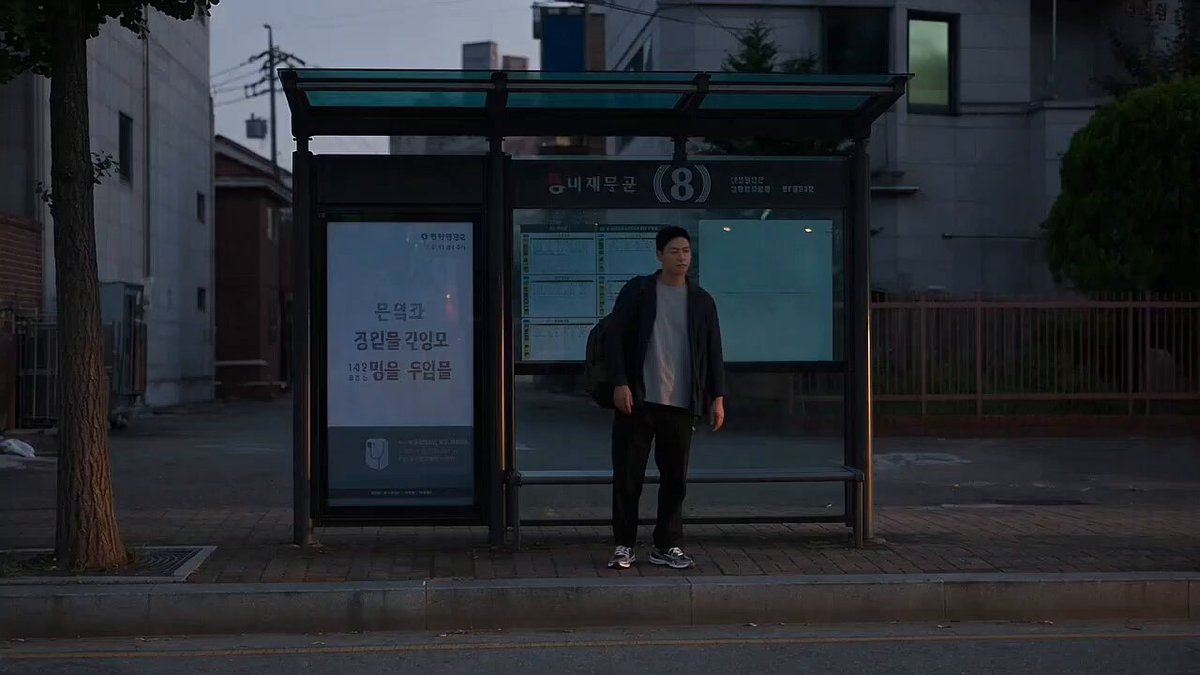
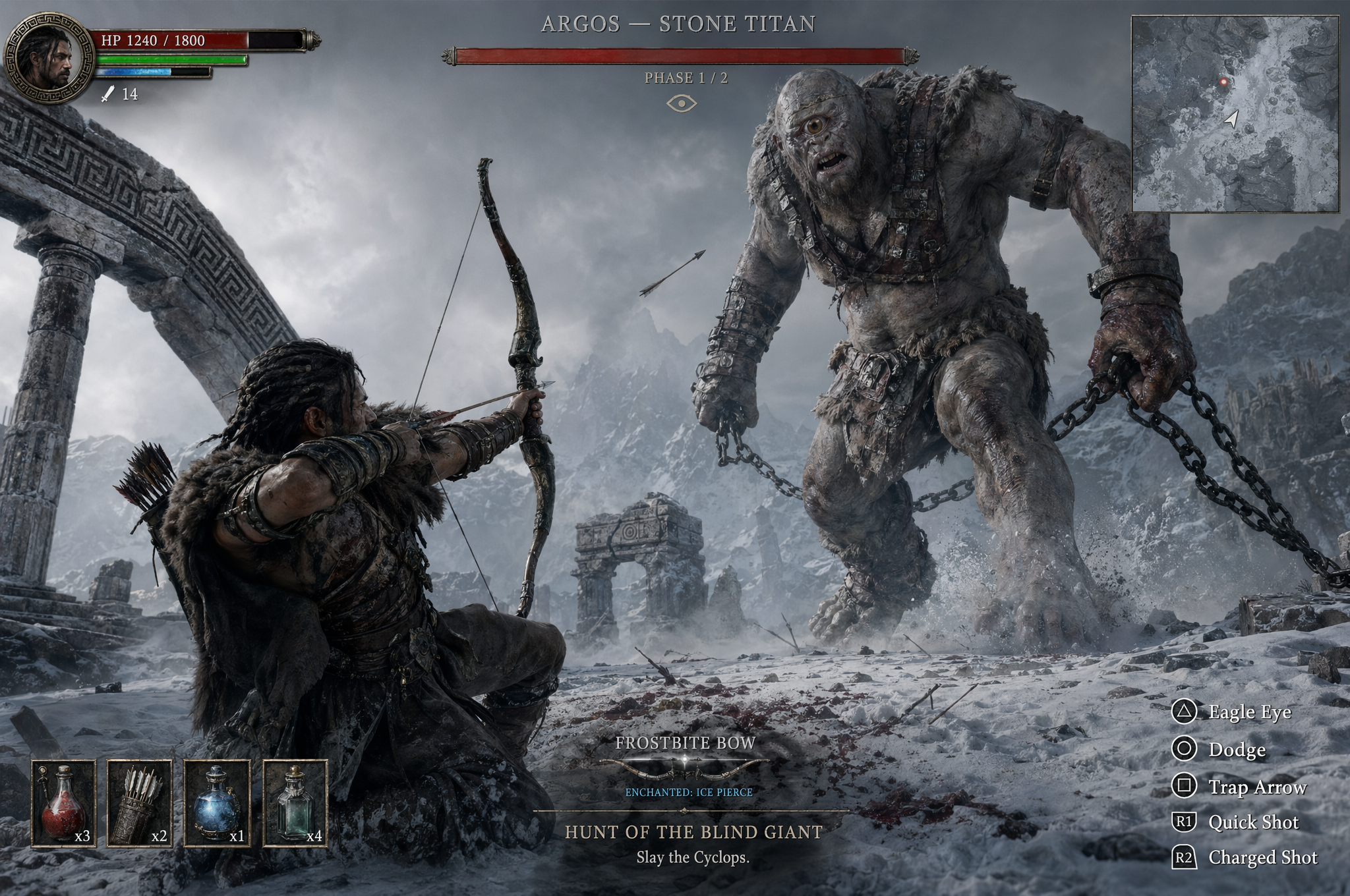
Making a film used to be a deeply sequential, resource-heavy process. First came a script, then a storyboard, then a shoot with cameras and a crew, then weeks of post-production. Each stage required specialist tools and skills, and the pipeline was far too slow and expensive for anyone making content quickly or experimenting frequently. Generative AI is collapsing those stages into a single continuous flow where one person can move from a raw idea to a finished video without spinning up a production company.
This guide treats AI video as a narrative pipeline rather than a single tool. It walks the full journey from idea to finished film: developing the concept, turning a script into a shot structure, getting the scenes generated, and assembling everything into a coherent piece of visual storytelling.
Why the Traditional Pipeline Was a Bottleneck
The classic filmmaking process was sequential and rigid. Writing a script was its own discipline. Breaking it into storyboards and shot lists required visualizing scenes before anything was shot — a skill that took years to develop. The actual production demanded cameras, lighting, actors, locations, and a crew. Post-production added editing, color, sound, and visual effects, each with its own expensive software and specialized expertise.
For individual creators and small businesses, this pipeline was effectively out of reach for anything beyond the simplest content. The fixed costs were high, every iteration was expensive, and mistakes were costly to re-shoot. As a result, video production was reserved for only the most important content, and experimentation was rare.
Generative AI changes the economics of every stage. Pre-visualization can be explored cheaply. Script breakdown can be assisted by planning software. Scenes can be generated and regenerated without calling the crew back. The same pipeline that used to span weeks can now be compressed into a days-long or even hours-long workflow. What used to be a barrier is now a creative opportunity: the falling cost of iteration means you can explore far more directions and converge on something genuinely good.
The Idea: Turning a Concept Into a Story
Every film, however short, starts with an idea. With the cost of production lowered, the quality of the idea matters more relative to the budget, because the differentiator between videos is no longer who could afford to shoot them but who had something worth saying.
Begin with a premise that is specific enough to guide decisions. A vague premise like "a video about coffee" gives you nothing to direct toward. A specific premise like "a tired night-shift barista discovers a machine that brews memories of better mornings" gives you a location, a protagonist, a conflict, and a mood in one sentence. Specificity is what makes both writing and generation coherent.
Then define the emotional arc. Even a fifteen-second clip can carry a small one: a state changes, a realization happens, a tension resolves. Writing the arc down — "starts tired, finds hope, shares it" — gives you a spine that every scene and every shot can be tested against. If a scene does not advance the arc, it likely does not belong.
Keep the scope realistic for your first projects. A tight three-beat idea executed well beats a sprawling epic that collapses under its own complexity. As you grow confident with the workflow, you can scale ambition.
Turning a Script Into a Shot Architecture
Once the story is clear, the next step is translating it from prose into a structure the generation stage can act on. This is where the planning craft pays off, because generating video is much more reliable when you have a defined shot list rather than a paragraph-long request.
Start by extracting the beats of your script. For each beat, decide the shot type that best carries its emotional information. An establishing wide shot sets the world; a medium shot shows action; a close-up isolates emotion or a detail; an insert draws the eye to something specific. Assigning a shot type to each beat forces you to think visually about your story.
For each shot, write a tight visual description. Include the content of the frame, the action or motion, the mood, and the camera language. The more concrete this description, the more predictable the generated output. Describing the lighting and color temperature of each shot in advance also pays off, because consistent lighting across shots is what makes a sequence feel like one film.
Assemble these into a shot list ordered to serve the emotional logic of your story — not necessarily shot type by shot type, but in the order that builds and releases tension. This architecture is your production blueprint; every generation step below is simply executing it.
Beyond Keywords: Letting an AI Agent Draft and Direct
Among the most useful recent developments is the availability of agent-like layers that behave as assistant directors. Instead of breaking your script into shots yourself, you can provide a brief and let the layer propose a shot architecture, complete with scene descriptions and direction.
This is valuable for a few reasons. It removes the procedural friction of decomposition, especially useful when you are new to thinking in shots. It also tends to produce a varied and well-paced structure, because it has absorbed many examples of how good visual stories are assembled.
Use this assistance critically. The proposed shot list is a draft, not a decree. Adjust pacing, tighten shots that feel redundant, add close-ups where a payoff feels flat, and always confirm that the structure serves your one-line premise and emotional arc. The output of an AI director layer is a strong starting point that demands your editorial judgment to become a coherent film.
The same assistance extends to the visual execution. Agent-guided tools can carry your approved reference images into each shot generation, reinforcing character and setting consistency across the entire sequence without you re-specifying reference anchors every time.
Generating Scenes: From Text and Images to Motion
With the shot architecture agreed, you move into generation itself. Two modes matter, and using both well gives you the most control.
Text-to-video is the flexible, open mode. Give a detailed scene description, pick a model style, and get a fresh shot. Use it for establishing shots, landscapes, abstract sequences, or anything where you want the model to invent freely from your direction.
Image-to-video is the controlled, anchored mode. Feed an approved still — a character, a setting, a product — and generate motion from it. This is the mode that protects consistency across a narrative, because every shot inherits the stable identity of the image. For a story with a recurring protagonist or a brand asset that must stay faithful, this is your primary tool.
Generate scene by scene in the order of your shot list, reviewing each output before moving on. Save shots that work immediately; regenerate and refine the ones that do not. Because cheap fast models make iteration nearly free, you can afford to explore several takes per shot before committing. The disciplined rhythm — specific prompt, anchored reference, early review — is what separates a reliable pipeline from a slot-machine feeling workflow.
Refine with negative or modifier cues where the tool supports them: removing unwanted artifacts, controlling aspect ratio, and tightening motion. Small refinements compound into a noticeably more polished result across a full sequence.
Two-Tier Production: Explore Cheap, Finish Premium
An efficient narrative pipeline does not apply the same rendering budget to every shot. Think in tiers.
The exploration phase — thumbnails, blocking frames, rough takes through your story beats — should run on fast, cost-efficient models. The goal here is speed and coverage: validate that your idea looks right, find the shots that work, and discard weak directions without guilt. Cheap iteration makes your film better because it lets you kill mediocre ideas early.
The finishing phase applies premium models to the shot. Use high-quality generation only for the shots that matter most to the audience — hero sequences, emotional peaks, brand-critical moments — plus any final render that must hold up under close scrutiny. This keeps total cost and time manageable while preserving cinematic quality where it counts.
This tiering is the pragmatic heart of production with AI. It directly echoes how real film sets spend money — reserve the luxury resources for the shots the audience will remember, and stay efficient everywhere else.
Assembling the Film: Editing, Sound, and Rhythm
With your final generated shots in hand, the edit is where they become a film. Editing is not cleanup; it is the moment the story's rhythm is actually composed.
Cut with purpose. Start by laying the shots in the order of your architecture, then refine based on how each transition feels. Align cuts with points of interest or musical beats. In a short piece, every shot must earn its seconds — trim anything that does not advance the emotion or the information.
Build the sound design in parallel. A score establishes and carries the emotional temperature. Ambient sound sells the physical space you generated visually. Voiceover or dialogue, ideally natural-sounding generated audio, delivers any necessary narrative. Layer these so the audio supports the same arc the visuals build, with pacing that matches your cuts.
Add minimal finishing touches — a subtle grade if the generation left it flat, captioning if the platform or audience needs it, a brief title treatment if it helps set the scene. Avoid over-processing; the cleanliness of well-directed generated footage is part of its appeal.
Reviewing for Continuity and Polish
Before you call the film done, do a disciplined review pass, ideally wearing a fresh pair of eyes after a short break.
Watch for continuity breaks: a character whose appearance drifts between scenes, lighting that abandons the palette you set, a product whose details change. These are the artifacts that make AI video read as fake, and they are exactly what reference anchoring and consistent direction are meant to prevent. Fix any offender by regenerating that shot with the correct anchors.
Listen for audio mismatches: narration that is too fast for the pacing, a score that fights the mood, missing ambience in a scene that clearly needs it. Patch the mix so the sound serves the image.
Finally, confirm the film serves the premise. Revisit your one-line idea and emotional arc, and ask whether the assembled piece delivers them. Edit ruthlessly toward that goal; a shorter film that lands its idea beats a longer one that meanders.
Common Mistakes and How to Avoid Them
- Generating before planning. Jumping straight to prompts without a shot architecture produces random-feeling footage. Structure first.
- Relying on text alone. Drift is the enemy of narrative. Anchor recurring characters and settings to reference images.
- Giving every shot the same budget. Uniform spending is inefficient and slow. Explore with fast models, finish with premium ones.
- Neglecting sound. Visuals without purposeful audio read as unfinished. Pair our visuals with a true score, ambience, and voice where needed.
- Tweaking a weak idea. Perfectionism on a mediocre premise wastes time. When an idea is not landing, change the idea rather than trying to polish a dead end.
Frequently Asked Questions
How long does the whole pipeline take for a short film?
For a handful of shots, a focused solo creator can often move from idea to finished cut in a day or two. Larger pieces scale with the number of shots and the amount of direction and refinement they need.
Can I create a character who appears in many scenes consistently?
Yes, if you anchor the character to a single approved reference image and reuse that anchor across image-to-video shots. Consistency comes from stable reference identity, not from luck.
Do I need acting or film training to use this workflow?
Not to start. The workflow covers the essential planning in a systematic way. Film literacy — how shots communicate emotion — will make you better over time, and it is a skill you can build through practice.
Is the generated footage usable for commercial projects?
Generally yes, but check the terms of your tools and any platform requirements for labeling AI content. For brand work, anchor logos and packaging carefully to protect fidelity.
How do I decide between free and paid generation?
Learn the craft and validate concepts on free tiers. Upgrade to premium when a specific shot or a brand deliverable requires the higher consistency and resolution the free tier cannot provide.
Final Thoughts
Generative AI has turned filmmaking into a pipeline almost anyone can run, but the craft has not disappeared — it has moved up the chain. What matters now is not camera access but conceptual clarity and direction: a specific premise, an emotional arc, a disciplined shot architecture, consistent reference identity, and deliberate editing and sound.
The workflow is repeatable and learnable. Start with a small, tight idea. Build a one-screen premise into a shot list, explore it cheaply, finish the hero shots at premium quality, and assemble with sound that matches the story. Then publish and read the response to inform your next film.
The barrier between "having an idea" and "watching it on screen" has never been lower. The next film you make can begin right now — on a blank page and a single, well-directed prompt.
