
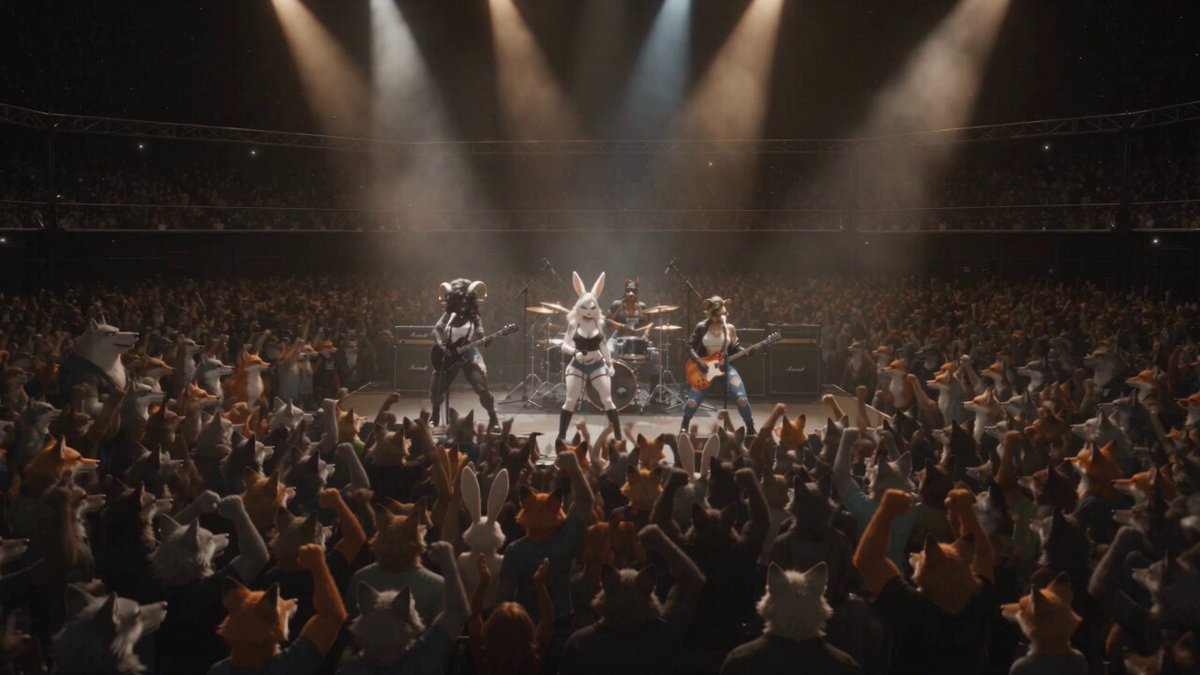
Why AI Music Videos for Instagram Are Worth Your Time
Short-form video has become the backbone of social engagement, and on Instagram specifically, music-synced clips drive some of the highest watch and re-watch rates on the platform. When a video is rhythmically matched to its soundtrack, viewers are far more likely to watch it to the end, play it again, and share it. The algorithm notices this behaviour and promotes the content, which creates a virtuous cycle for creators who get the formula right.
The catch used to be cost. Building a proper music video by hand demanded editing skills, time, and usually a budget for footage. That barrier has fallen thanks to AI tools that can generate consistent visual sequences and align them to the beat of a track. A creator can now take an image, a song, and a concept, and turn them into a polished reel within a single working session.
This guide walks through the complete process: understanding how music and visuals sync, preparing your project, generating consistent images, refining the audio and mix, and publishing for the best possible performance on Instagram. No editing degree is required, only a willingness to follow a structured workflow and iterate.
How Music-Synced Video Performs on Social Platforms
Before diving into the technical steps, it helps to understand why synchronization matters so much. Social feeds are built around momentum. When the visuals change in time with the audio, it creates a continuous sense of forward motion that holds attention naturally. Mismatched timing, by contrast, is the fastest way to lose a viewer, because the disconnect feels wrong even if they cannot explain why.
There are two distinct things to align. The first is rhythm: cutting or transforming the image on the beats of the track. The second is rhythm's bigger cousin, narrative pacing: matching the emotional arc of the song with a visual arc, so that a build in the music corresponds to a build in the imagery. Creators who manage both produce reels that feel intentional rather than random.
AI tools now assist with both levels. You can analyse a track's structure to find its tempo and peaks, then use that information to time your visual transformations. Combined with careful manual review, this turns a significant portion of the creative work into a predictable process.
Reading the Music Before You Touch an Editor
Every profession has its preparation rituals, and for music video work the ritual is studying the track. Before generating a single image, listen to the song on repeat and map its architecture: the tempo, the beats per minute, the intro, the verses, the build, the drop or peak, and the outro.
You want to identify the moments that demand emphasis. A sudden percussion hit, a vocal pause, a key change, or a crescendo are all natural places for visual impact. Mark these moments on a simple timeline. Later, when you generate and assemble shots, you will place the strongest transforms exactly where the music calls for them.
This preparation is what separates a good AI music video from a forgettable one. The tool can generate aligned visuals only if you have told it what to emphasise and where. A detailed map of the track becomes your creative brief for everything that follows.
Setting Up Your Project and Choosing the Right Approach
Once you understand the music, set up the project. Decide the overall concept of the video: is it a visualiser that reacts to the beat, a story told through a sequence of stills, or a character-driven performance with a consistent lead figure across scenes? Each choice leads to a different production path.
For most Instagram reels, a short runtime in the range of fifteen to thirty seconds is a practical target. It is long enough to establish a mood and reward repeat views, but short enough to keep production scope manageable. Within that window, plan a limited number of distinct scenes so each one gets the attention it deserves rather than a rushed look.
Choose the generation model based on the style you need for the reel. Photorealistic footage suits lifestyle and music-performance concepts. Stylised models suit artistic and animated looks. If you are uncertain, generate a small test image from each of the top candidates and pick the one whose texture and mood best match your track and subject.
Generating Consistent Visuals That Stay on Theme
Consistency is the single most important craft detail in AI-generated reels. A reel is a sequence of many frames and transitional shots, and if the main figure or the environment changes identity between scenes, the whole piece collapses into an uncanny mess.
The answer is reference images. Define your subject once with a clear reference: the character's face, clothing, and posture, or the product and its setting. Keep the same references loaded for every scene that includes them. Add a consistent written description of the lighting and colour palette to every prompt so the mood does not drift between generations.
When you are building a sequence that needs to flow, generate shots in order and compare each new result against the previous one. Small variations are fine, but any change in core identity should be fixed before you move on, by regenerating with a more explicit prompt or a tighter reference.
The Step-by-Step Production Flow
Working in clear stages keeps a music video project under control. Start with the raw material: generate the visual scenes that carry your concept, one at a time, and bring each one to an acceptable quality before moving to the next.
Next, assemble the sequence in your editing timeline and lay the scenes over the music. Focus first on rhythm: adjust the timing of each visual change so it lands on a beat or a musical emphasis. Do not fine-tune visual details yet; the priority at this stage is making the sync feel right.
Once the rhythm is locked, refine the execution. Replace any weak shot with a regenerated version, check that transitions between scenes are clean, and confirm the pacing matches the emotion of the song at each point. Finally, handle the audio: ensure the music is present and clean, add sound effects or emphasis sounds where they sharpen the impact, and run a gentle mix so nothing feels abrupt.
Sound and Mixing Tips for a Polished Result
The audio side is often underestimated. Instagram viewers scroll silently by default, which means your reel must work with the sound turned off, through captions, visual storytelling, and the on-screen rhythm. But when they turn the sound on, the audio should hold up.
Keep the track clean and loud enough to feel confident without clipping. Add subtle reinforcement where the music needs a push, such as a soft whoosh or impact on a beat if it improves the hit. If the song includes a strong vocal, keep it in the foreground and mix the visuals and any extra sounds around it rather than over it.
Always export at the platform-friendly settings: correct aspect ratio for reels, a resolution that stays sharp on a phone, and a frame rate that avoids stutter on social playback.
Publishing for Maximum Reach on Instagram
Publishing is where the technical work finally meets the audience, and a few choices here materially change performance. Write a caption that teases the value of the reel without spoiling it, so there is a reason to watch and a reason to stay. Add a simple, relevant call to action that feels natural rather than salesy.
Use the right number of hashtags and choose them based on the niche and mood of the video rather than generic volume. Post at a time when your audience is active, and consider resharing the reel to stories to give it a second chance at reach. Most importantly, respond to comments early, because engagement signals help the platform decide who sees the content.
Common Mistakes to Avoid With AI Music Videos
Several recurring problems sink AI music reels, and they are all avoidable with a little discipline.
The first is ignoring rhythm and treating the video as a collection of images stapled together. The sync is the whole point; always cut to the music.
The second is neglecting consistency, letting a character or product drift between scenes. Lock references early and reuse them.
The third is overloading the reel with too many styles or too many scenes, which fragments attention. A single coherent mood beats a messy patchwork.
A fourth is exporting in the wrong format or leaving the audio under-mixed, which makes an otherwise good idea feel amateur. Spend the last ten minutes on delivery quality.
Frequently Asked Questions
Do I need to be able to edit video to make an AI music reel? No. Basic cutting to a timeline is enough. The tools handle generation and help with syncing; the editing is mostly about placing scenes in order and timing the cuts.
What is the ideal length for an Instagram reel? Short and focused wins. Fifteen to thirty seconds is a strong target because it sustains rhythm and rewards repeat views without dragging.
How do I keep the same subject across different scenes? Create a clear reference image for the subject and reuse it for every scene involving that subject, while keeping your lighting and palette descriptions consistent across prompts.
Can I use copyrighted music in my reels? Use the platform's licensed music library or royalty-free tracks. Sync licensing is a real consideration, and it is safest to draw from sources Instagram has cleared for use.
How many takes should I generate per scene? Generate a handful and pick the best rather than regretting a weak first pass. The overhead is small and the quality win is significant.
Building a Library of Reusable Scenes for Faster Reels
One of the smartest ways to speed up your music video work is to stop treating every reel as a brand-new production. Build a small library of reusable scenes and references that you keep returning to, and each new track becomes a recombination rather than a fresh start.
Keep a folder of character references and environment references that you trust. When a new song arrives, you already have a working subject and a proven style, so the only genuinely new decisions are the concept and the pacing of this specific track. This collapses the time spent on initial experimentation.
The library also gives your account a recognisable identity. When your reels share a consistent look, lighting, and cast of characters, viewers begin to recognise your work in the feed, which builds loyalty and makes repeat views more likely. Consistency is not just a craft detail; it is a brand asset.
Using Reel Analytics to Refine Your Next Video
Your reels produce analytics that tell you exactly what the audience prefers, if you take the time to read them. The most useful signals for a music video are watch time, re-watch rate, and the point where viewers drop off.
Watch the drop-off graph closely. If a large share of viewers leaves at a specific moment, something about the sync, the visual, or the pacing at that point is failing. Return to that moment in your next edit and try a stronger transition, a bigger visual payoff, or a cleaner cut.
Compare your reels against each other, not against an abstract ideal. Which soundtrack genre worked best? Which pacing felt right? Which hook pulled people in? Let these patterns guide the next several pieces so your account improves with each publish rather than guessing every time.
Collaborating and Scaling Your Music Video Production
As your workflow proves itself, you will want to produce more, and there are two healthy ways to scale. The first is collaboration: defining the creative system clearly enough that a teammate or an assistant can handle a step, letting you stay on the parts only you can decide.
The second is batching. Dedicate a session to one concept and produce several reels at once, refining each through the same passes. Because the tools and references are already loaded, the marginal cost of each additional reel is low, and you leave with a small queue ready to publish.
Delegate and batch on purpose, not accidentally. Decide in advance which parts are fixed, which need your judgment, and which can be queued. A calm, repeatable production rhythm protects both the quality of the work and the health of the creator who makes it.
