
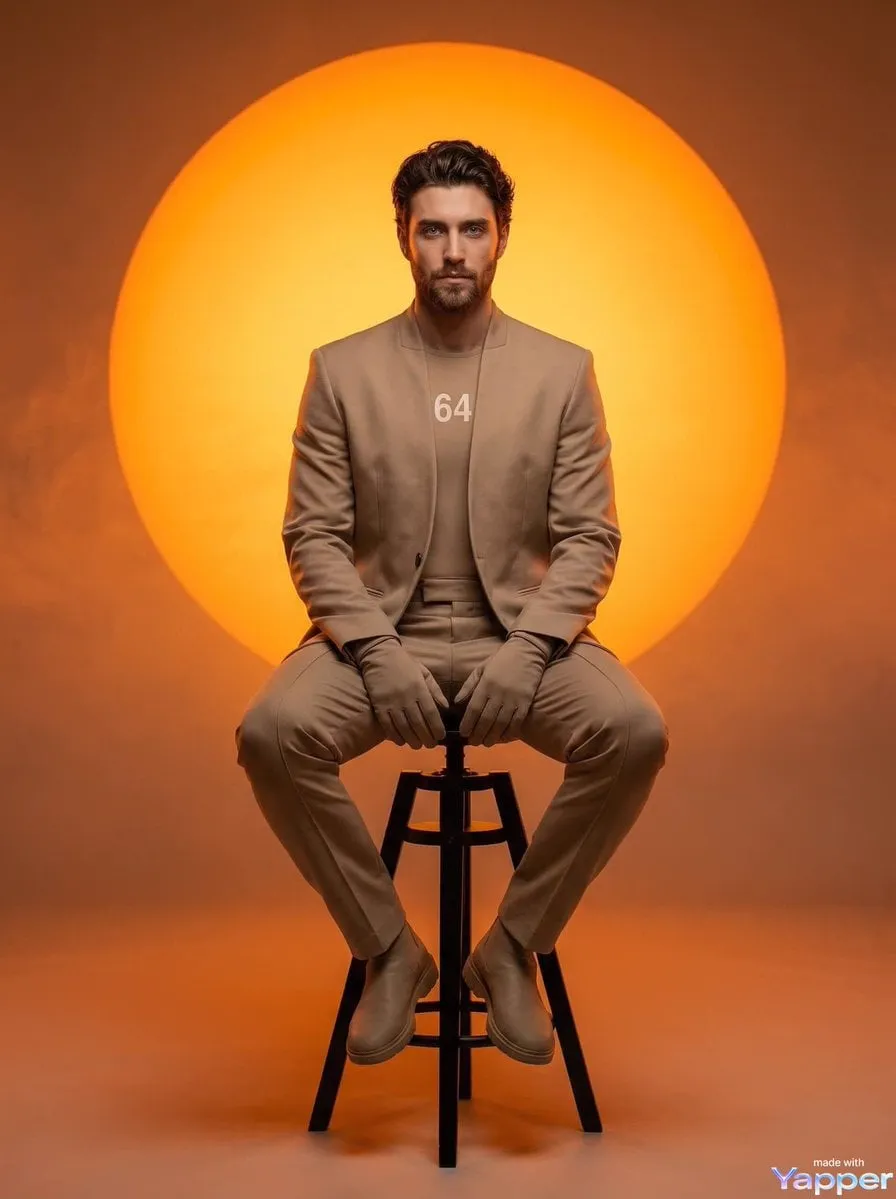
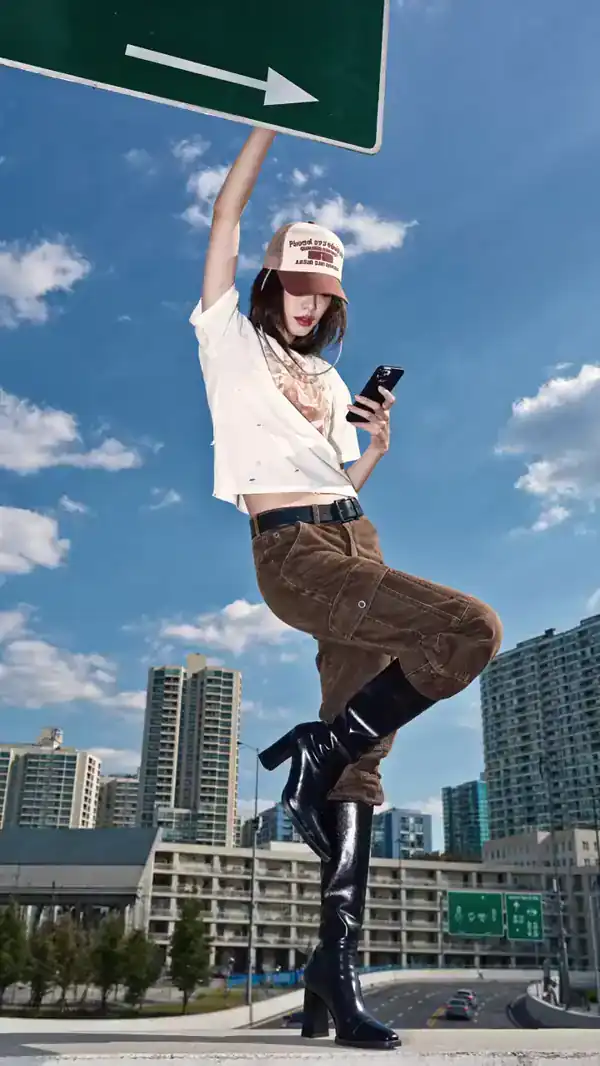
Character consistency is the single most stubborn problem in AI-generated filmmaking. You can write a brilliant prompt, pick the perfect model, and still end up with a protagonist whose face changes every three shots. That is why multi-image fusion has become the most talked-about technique in the AI video community this year: instead of describing a character with words alone, you feed the model a small library of reference images and let it build one shared visual identity that carries across an entire sequence.
This guide explains what multi-image fusion actually is, the technology behind it, and how to wire it into a practical short-film workflow. You will learn the core principles, the models that do it best, how to plan shots around it, and how to keep your protagonist recognizable through style changes, camera angle shifts, and even timeline jumps.
Why Character Consistency Matters More Than Ever
Audiences forgive a lot in AI-generated video, but they rarely forgive a character who forgets who they are. When a hero has brown hair in one shot and blonde in the next, or a jacket that changes color between cuts, the illusion collapses. The technical quality of generated footage is already high enough that viewers judge your work on narrative and visual coherence rather than raw realism.
The problem is structural. Most text-to-video models generate each clip independently. They begin with a textual description and some noise, and they have no memory of what the character looked like in the previous clip. The result is a sequence of beautiful moments that do not feel like one story.
Multi-image fusion attacks this at the input stage. Instead of relying purely on text, you provide several images of the same person from different angles, expressions, and lighting conditions. The model builds a compressed, averaged understanding of that person, what we might call a visual fingerprint, and then references it whenever the character appears. Done well, it eliminates the most jarring inconsistency issues before they reach the timeline.
The Core Principles of Reference-Based Consistency
Understanding how multi-image fusion works under the hood helps you use it better. The technique rests on a few principles that are worth internalizing.
First, reference set design matters more than reference size. A common mistake is dumping ten random screenshots into the model and crossing your fingers. The model does not need volume; it needs signal. A strong reference set contains several clear views of the same face, at least one front-on shot, one three-quarter view, and one profile, lit consistently and shot in similar resolutions. Variation across different angles and expressions teaches the model which features are identity and which are transient.
Second, identity is distilled rather than copied. The model is not performing a paste-and-replace of your source image. It is learning a set of stable features, facial geometry, coloring, hair texture, distinctive marks, and re-synthesizing them through a generated character. That is why the output can still show natural variation in mood and motion. Your job is to give the model a consistent definition of identity and then hold that definition steady across shots.
Third, consistency is probabilistic, not guaranteed. Every model compresses your input with some loss, and extreme conditions, such as dramatic camera angles or heavy occlusion, can degrade the fingerprint. The practical implication is that you should check consistency at the storyboard stage, not after you have rendered fifty clips. If an early shot already loses the character, every later shot built on that assumption inherits the problem.
Choosing the Right Model for the Job
Not every text-to-video model handles multi-image input equally well, and the field is moving fast. As of this writing, the strongest options share a few traits: dedicated character-reference support, strong adherence to the source identity, and good behavior across length and motion.
Runway Gen-4 is frequently cited as a leader in shot and character consistency, particularly for its ability to hold a subject's appearance across multiple generations and camera moves. OpenAI's Sora series brings strong narrative comprehension and cinematic output, and newer releases have improved their reference handling significantly. On the image side, platforms such as Flux and similar diffusion models are popular for producing the actual reference frames that your video model then animates.
The best current advice is to design an experiment before you commit. Generate the same small scene with two or three candidate models using the same reference set, then compare three things: facial fidelity, motion quality, and how quickly the character drifts over consecutive clips. The model that tops all three for your particular art style is the one to standardize on, because the gap between models changes as they release updates.
Building a Reference Library for Your Short Film
Before you generate a single clip, build the asset your whole film will depend on. This is the most important planning step, and it is easy to rush.
Start by choosing a final look. Decide on art style, tone, and consistency level before touching tools. A photorealistic short film has tighter identity requirements than a stylized animated piece, because viewers are more sensitive to subtle differences in realistic faces.
Next, generate a diverse set of standing poses, expressions, and angles for your lead character. Generate at least five to eight images, deliberately including variations in emotion, head turn, and sometimes costume element changes, but keep the core, hair, face, skin, body type, consistent. Reject any image that feels off-model immediately; a single bad reference can pollute the entire fusion.
Finally, keep the library organized by character and scene. Store reference images in a folder per character, with naming that captures the purpose, front, profile, angry, running, costume change. When a scene changes lighting or wardrobe, generate updated references rather than reusing stale ones, and feed the fusion system those scene-specific images alongside the master identity set.
A Practical Shot-by-Shot Workflow
Once your reference library is ready, the workflow becomes a repeatable pipeline. Set one up that you can run for every shot in your film.
Begin each shot by choosing the keyframe storyboard. Rather than prompting for a whole clip, describe the shot you want, the camera angle, the framing, the action, and reference the character. Then generate a single keyframe image first, using your fusion set, to lock the character's appearance and the composition. Treating the keyframe as the contract for the shot dramatically improves the odds that the video model preserves identity and framing.
Second, animate from the keyframe. Use the confirmed still as the seed for the video generation step. When the model has both a fused character identity and a concrete keyframe, it has two anchors pulling toward the same result, which reduces drift and gives you a fallback frame if the motion generation strays.
Third, grade for consistency across cuts. After each clip renders, eyeball it against the reference set and against its neighbors. Check hair direction, clothing, face shape, and color grade. If a clip drifts, regenerate it once rather than accepting a mismatch, because audience attention will settle precisely on the broken character continuity.
Finally, keep notes per shot. Record the exact prompt, model, seed, and reference images used. When you return after a break, or need to replicate a shot for a sequel, those notes let you reproduce the look rather than rediscover it through trial and error.
Using Angles, Expressions, and Poses to Reinforce Identity
Reference images do not just keep faces stable; they help you direct performance. The classic problem in independent AI film is that a character can be consistent in appearance yet emotionally flat, because the model returns a default expression every time.
Solve it by curating expression references deliberately. For an emotional scene, feed the fusion set with references showing the character in that specific emotional register, fear, grief, excitement, and let the model inherit the emotional baseline. For action scenes, include poses that convey energy and physicality.
Camera angle is another lever. A profile reference in your library gives the model the geometry it needs when you cut to a dramatic side angle, so the character does not suddenly look like a different person just because the view rotated. The more of the identity's geometry you have mapped into the fusion, the more freedom you have behind the camera.
Holding Characters Through Style Transitions
Style transitions are where consistency usually breaks. It is easy to keep a character stable when the whole film shares one aesthetic, but many stories deliberately shift, from daylight to night, from real-world to dream sequence, or from clean line art to heavy grain.
The rule is to change only one visual axis at a time. If you shift lighting from warm daylight to cold neon, keep the character's costume, pose, and facial geometry identical to the source set. If you need a wardrobe change, keep the lighting and camera close to the established look. By isolating the variable that changes, you give the fusion model a clear signal about what to preserve and what to transform.
It is also wise to regenerate scene-specific references for major transitions. Rather than expecting one master fusion set to survive a radical aesthetic shift, create a secondary reference set that shows the same character under the new conditions, then fuse those images for the affected scenes. The master set guarantees identity; the scene set guarantees the environment. Both working together keep the audience oriented.
Common Pitfalls and How to Fix Them
Even experienced creators hit the same walls. Here are the recurring problems and the fastest ways around them.
Drifting after a few clips usually means your reference set is too narrow or the model is being asked to do too much. Return to the source set, add a stronger front-on reference, tighten the description of the character, and consider regenerating a few seed keyframes.
Sudden wardrobe or hair changes between scenes typically signal that your prompts are describing appearance inconsistently. Standardize a block of appearance descriptors, hair color, style, outfit, accent, and paste it into every character prompt. Small wording differences can push the model toward a subtly different person.
Inconsistency at extreme camera angles often points to missing profile and three-quarter references. Fill out your library with geometry views so the model has the data it needs when it must synthesize a rear or side angle.
Flat or unpredictable expressions can be fixed with emotion-specific references, as described above. The model reflects the emotional palette of what you feed it.
Pulling It All Together and Next Steps
Character consistency via multi-image fusion is not magic; it is a repeatable discipline. Start with a strong reference library, lock each shot with a confirmed keyframe, choose a model that respects your identity set, and check every clip against its neighbors before moving forward.
If you begin with a short film that has one lead character and a handful of scenes, you can master the loop in a single weekend. Assign the references, run the keyframe experiments, generate the shots, and grade for consistency across the cut. The skills you build will transfer directly to longer projects with multiple characters, where the payoff for good planning is even larger.
The next time you sit down to make an AI short film, do not leave your protagonist's face to chance. Build the framework that keeps them recognizable on purpose, and the story will finally be the only thing the audience remembers.
Frequently Asked Questions
How many reference images do I need for good character consistency?
Five to eight well-chosen images, including front, three-quarter, and profile views, usually outperform a larger pile of inconsistent snapshots. Quality and variety of angle and expression matter far more than raw count.
Can I reuse the same reference set for an entire film?
Yes, as your identity baseline, but update it whenever the scene changes lighting, wardrobe, or era. Scene-specific references combined with your master set produce the best results across style transitions.
Why does my character drift even when I use references?
Usually because the model is compressing too much from a narrow set, the prompt describes appearance inconsistently, or the generation runs too long. Tighten the set, standardize appearance text, and lock keyframes before animating.
Which model is best for character consistency?
It depends on your art style. Models with explicit character-reference support such as Runway Gen-4 and the Sora series are strong contenders, but run your own side-by-side test with your reference set before committing.
Is character consistency easier for stylized or photorealistic work?
Generally easier for stylized work, because realistic faces are judged against real faces and viewers notice tiny deviations. Either way, the same planning workflow applies, but photorealistic projects demand stricter reference discipline.
