
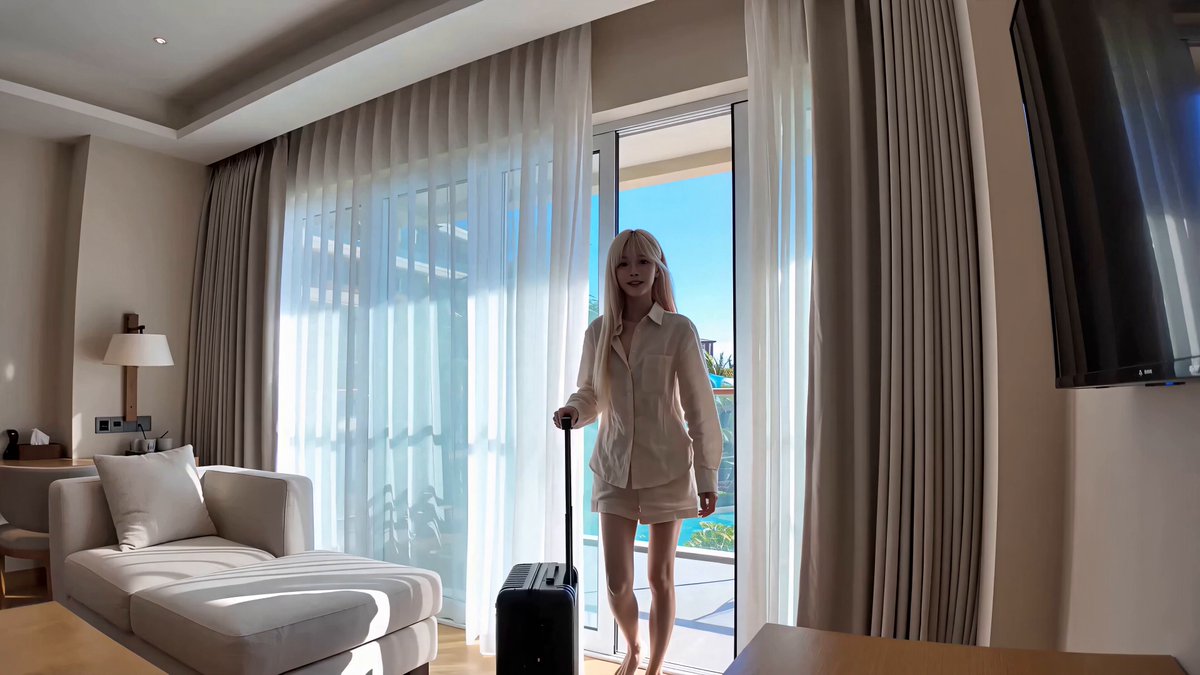
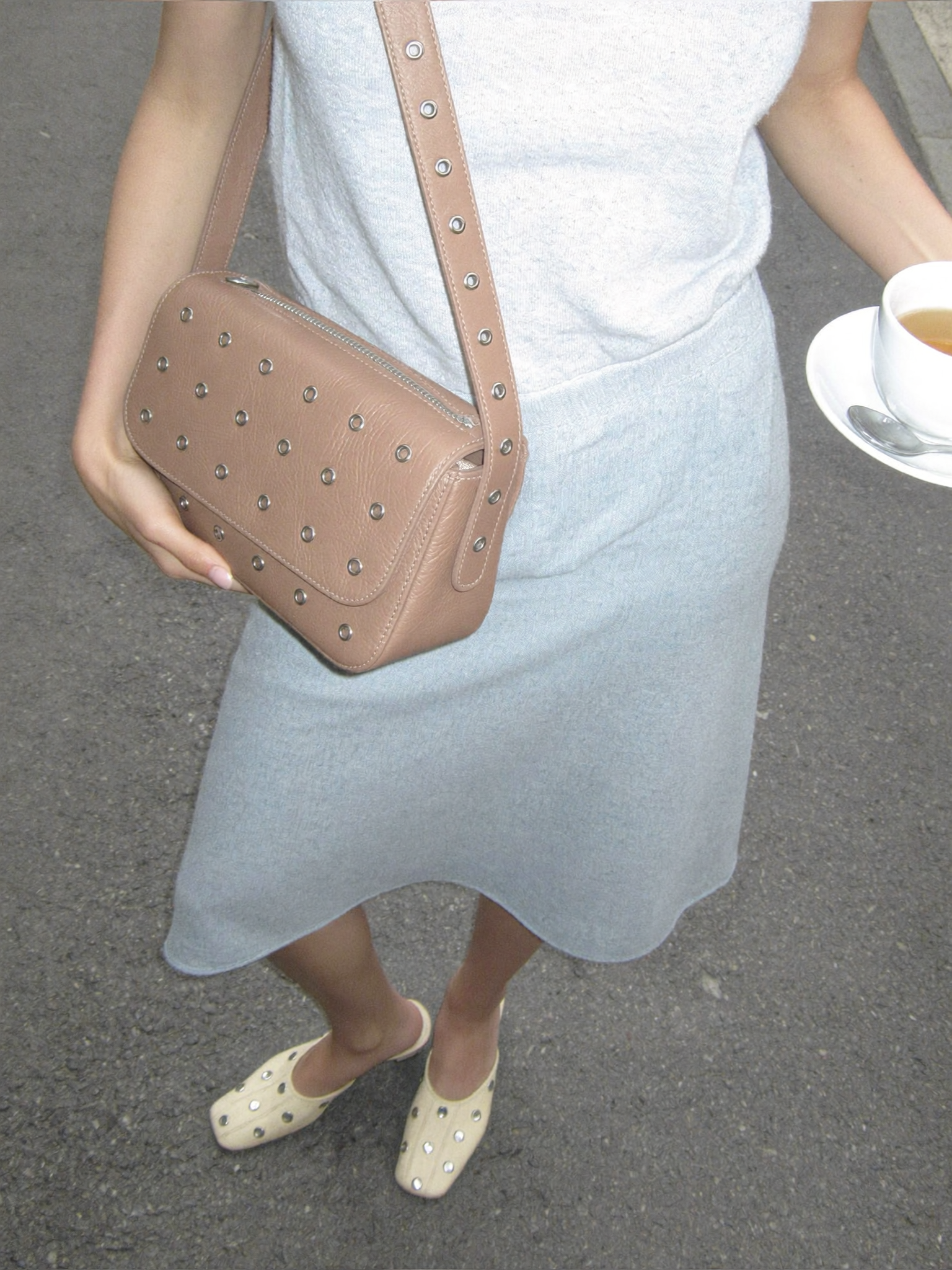
The Magic of Turning Photos Into Motion
A single photograph captures a moment frozen in time. AI image-to-video technology breaks that freeze, inferring motion, depth, and narrative from a static frame. What once required teams of animators, rotoscoping artists, and weeks of post-production now happens in minutes on a creator's desktop.
The numbers tell the story: the image-to-video segment is projected to grow from roughly $800 million in 2024 to over $5 billion by 2027. This isn't a niche tool for VFX studios — it's becoming a core utility for marketers, educators, independent filmmakers, and social media creators.
How AI Infers Motion from a Single Frame
The Diffusion Model Revolution
Modern image-to-video systems are built on diffusion models extended into the temporal dimension. Unlike earlier approaches that simply interpolated between frames (creating that uncanny morphing effect), current models understand spatial relationships and can generate physically plausible motion: leaves rustling in wind, water rippling, hair moving naturally, camera parallax as the viewpoint shifts.
The key breakthrough is spatio-temporal attention: the model processes visual information across both space (within each frame) and time (across the sequence), ensuring that a character's face looks the same in frame 1 as it does in frame 60.
Explore Text-to-Video capabilities on Domer to understand the underlying generation pipeline.
Temporal Coherence: The Consistency Challenge
The hardest problem in image-to-video is temporal coherence — making sure objects don't flicker, morph, or drift from frame to frame. 2025 models address this through:
- 3D-aware attention mechanisms that understand depth relationships
- Advanced noise scheduling tuned to preserve high-frequency details from the source image
- Motion conditioning inputs that let you control the degree and direction of movement
Multi-Image Reference for Character Lock
For the best results, don't rely on a single image. Feed the model 3-10 reference images of your subject from different angles, and it builds a robust internal representation. This "multi-image fusion" approach virtually eliminates character drift — your protagonist looks the same whether the camera is doing a close-up, a wide shot, or a tracking movement.
Choosing the Right Model for Your Project
Photorealism vs. Stylization
Different models serve different creative visions. If you're animating a product photo for an e-commerce listing, you need photorealistic rendering with accurate material properties and lighting. If you're creating an artistic short film, a stylized model might serve your vision better.
The best platforms give you access to multiple specialized models rather than a single one-size-fits-all generator. This lets you match the tool to the task rather than compromising your creative intent.
The Speed-Quality Spectrum
Every model sits somewhere on the speed-quality spectrum:
- Fast models: Generate clips in seconds, perfect for iteration and concept testing
- Quality models: Take longer but deliver cinematic-grade output with superior texture detail and motion smoothness
- Specialized models: Optimized for specific tasks like anime, product visualization, or architectural walkthroughs
Smart creators use fast models for rough cuts and quality models for final render. This tiered workflow maximizes creative throughput while controlling costs.
The Rise of AI Directorial Assistance
Perhaps the most significant 2025 development isn't better image quality — it's the emergence of AI agents that help you direct. These systems analyze your input image and prompt, then suggest camera movements, pacing, and composition choices based on established cinematic grammar.
Think of it as having a virtual cinematographer who:
- Identifies the compositional strengths of your source image (rule of thirds, leading lines, negative space)
- Proposes camera movements that enhance rather than fight those strengths
- Suggests clip durations based on narrative pacing principles
- Ensures generated motion serves a narrative purpose, not just visual novelty
This bridges the gap between "I have a cool photo" and "I have a compelling video" — a gap that previously required years of filmmaking experience to cross.
Practical Applications
Product Visualization
Take a product photo on a white background and generate a cinematic reveal: camera orbits the product, light glints off surfaces, the environment materializes around it. Perfect for e-commerce, crowdfunding campaigns, and social media ads.
Portrait Animation
Bring family photos, historical images, or professional headshots to life with subtle, natural motion: a slight turn of the head, a blink, a gentle smile spreading. The emotional impact is remarkable — and the technology now avoids the "uncanny valley" that plagued earlier attempts.
Architectural Walkthroughs
A single render of a building interior becomes a smooth tracking shot through the space. Real estate agents and architects can create immersive previews without expensive 3D rendering pipelines.
Content Recycling
That blog header image? Turn it into a 15-second Instagram Reel. That event photo? Animate it into a TikTok highlight. Image-to-video makes every static asset in your library a potential video asset.
Domos AI Image Generator is the natural starting point — generate your base image, then animate it with image-to-video tools.
Prompt Engineering for Motion
Your prompt determines not just what appears in the video, but how it moves. Key techniques:
- Specify camera behavior: "Slow dolly-in over 5 seconds," "Gentle pan left to right," "Static shot with subject movement only"
- Describe motion quality: "Fluid, floating motion," "Sharp, kinetic energy," "Dreamy slow-motion"
- Control the environment: "Wind moves through hair and fabric," "Water ripples outward from center," "Dust particles float in sunbeams"
- Use negative prompts: "No jitter, no morphing artifacts, no unnatural limb movement"
The Future: Full Narrative Generation
We're moving from "animate this photo" to "tell this story starting from this photo." The next generation of image-to-video tools will understand narrative structure — generating not just motion, but scenes with dramatic arcs, emotional beats, and satisfying conclusions, all initiated from a single keyframe image.
For creators, this means the gap between having an idea and having a finished film continues to shrink. The bottleneck is shifting from production capability to creative imagination. For more tools and models, check out Domer's full platform.
