
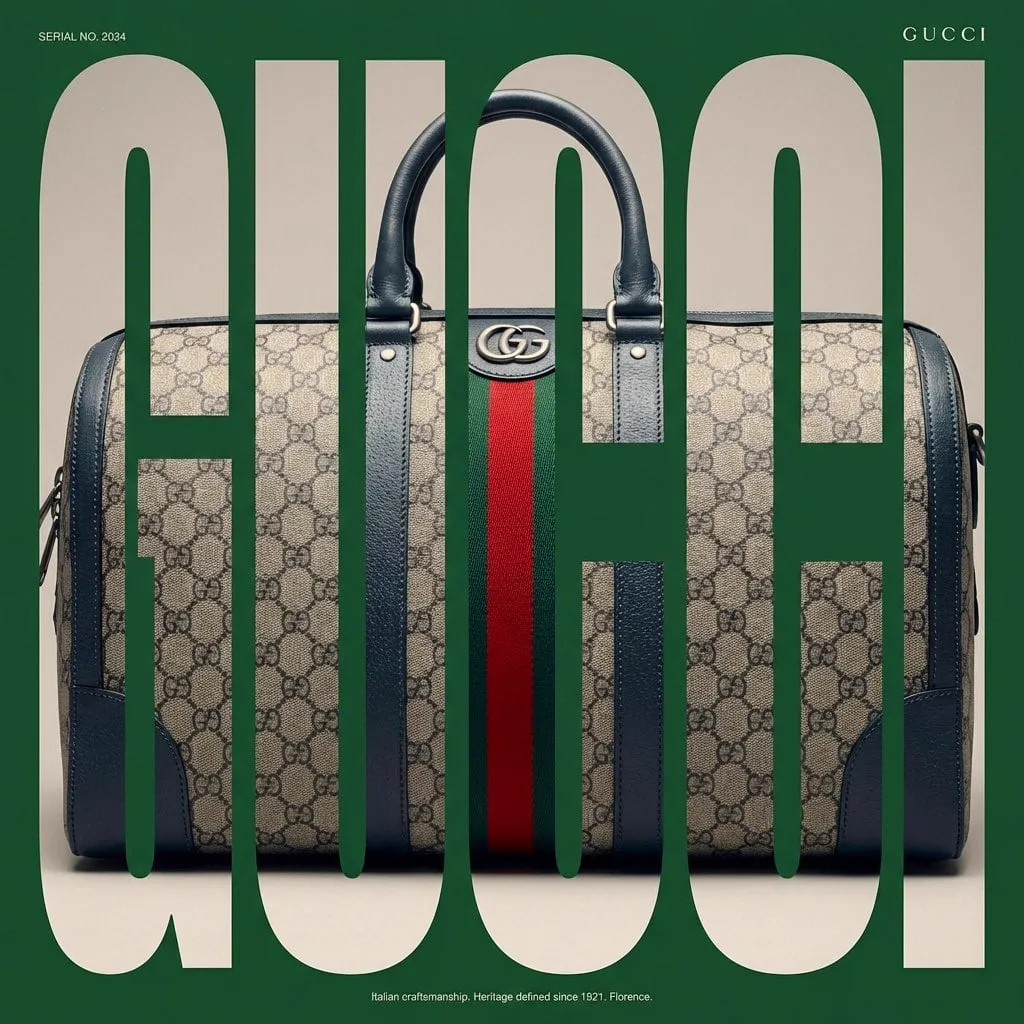


Consumers are tired of static images and simple animations. What they actually want is to see how a product will look and behave in the real world: a coffee maker on a busy counter, a jacket in motion, a piece of furniture in a styled living space. Photorealistic product visualization delivers exactly that, and the arrival of capable AI tools has made it dramatically more accessible for marketing teams of every size.
This guide explains how photorealistic visualization now fits into product marketing, what to watch in the technical workflow, and how to produce convincing, on-brand results without an enormous budget.
Why photorealistic visualization matters in marketing now
Marketing used to rely on expensive studio photography, 3D modeling specialists, and long post-production cycles. Those methods still have their place, but they are slow and costly. Generative AI has created a middle path: teams can produce realistic product renders and short product videos from prompts and reference material, iterate quickly, and test multiple concepts before committing real money.
The strategic consequence is that product content is no longer a one-off deliverable. It becomes something you can generate, test, and refine continuously across campaigns, storefronts, social channels, and ads.
The technical foundations of a photorealistic look
Achieving a convincing photorealistic result depends on more than picking the newest tool. It rests on several capabilities working together.
Quality of the base model
The resolution, lighting, and material handling of the base model set the ceiling on realism. A model that renders fabric, glass, metal, and skin accurately will make a product feel tangible, while a weaker model will betray itself with plastic-like textures. Choose your rendering model carefully for hero shots.
Camera and film language
Photorealism is not just about pixels; it is about the language of cinema. Applying a lens, a camera move, a depth of field, and believable framing makes a render feel like a real product shot rather than a digital image. Products benefit from the same shot discipline used in filmmaking: a slow push-in for a hero reveal, a top-down shot for details, or a tracking move around the object.
Strong product references
Because AI generation is statistical, providing stable reference images of the product is essential. Establish a consistent set of references showing the product from multiple angles and in its expected context. These references anchor the generation and keep the product identifiable across different scenes and campaigns.
Building a consistent brand identity across product shots
A single stunning render is easy; a consistent product line is hard. Customers recognize a brand by a consistent look, so your visualization must stay on-brand even when the scenes change.
Lock your brand palette and apply it to lighting, backgrounds, and props. Decide whether your brand is bright and minimal, warm and textured, or high-contrast and dramatic, and keep it consistent.
Write a style sheet: a short paragraph describing camera, lighting, materials, and grade, appended to every generation. This is the most reliable tool for keeping a coherent brand feel.
Standardize the product presentation: fixed angles, consistent scale, and uniform props make a catalog or product line feel cohesive even when scenes differ.
Unify the grade in post: a shared color-correction step across all product shots covers small inconsistencies in the generated footage.
Practical workflow for a product campaign
Let us walk through building a realistic product visualization from concept to finished content.
Define the message: decide what feeling and benefit this campaign should communicate about the product, and to which audience.
Gather references: collect real photos of the product, any 3D assets you have, and mood images for the target environment.
Write the prompts: describe the scene, camera, lighting, and mood; attach the product reference and your style sheet.
Generate concept stills first: validate the look and composition on a few key images before moving to video.
Lock the hero scene: refine the best concept, adjust lighting and material, and render a high-quality still for the primary placement.
Extend to video: turn the approved still into a short animated shot with a camera move, and repeat for secondary scenes.
Integrate audio and motion: add realistic ambient sound or a score that matches the brand, and export for each channel.
Review and correct: check the product for distorted details, verify the brand palette, and fix issues at the source rather than masking them.
This approach keeps every step deliberate and prevents wasted time on scenes that will not be used.
Sound and music: completing the sensory experience
A product video's realism depends heavily on its audio track. Viewers experience a product through sound as much as through image: the click of a mechanism, the hum of an appliance, a satisfying material sound. Generate or source believable foley that matches the visual, and keep the music in line with the brand's emotional register.
Silence is risky; a product moving without sound feels dead. Build the audio in the same pass as the visual concept so the two stay aligned.
Multi-model fusion and choosing the right tool
No single tool does everything well, and the best product visualization pipelines combine strengths. Certain models excel at realistic stills, others at controlled camera movement, others at efficient iteration.
Do not commit your whole workflow to the newest tool on day one. Establish a small benchmark: render the same standard product reference through each candidate and compare realism, speed, and cost.
Many modern workflows let you steer different phases with different models, then glue the results together with consistent grading. This strategic mix is usually cheaper and often better than relying on one all-in-one solution.
Scaling production without straining the budget
A common worry is that AI product visualization costs as much as the traditional route once you pay for renders and iterations. With discipline it can actually be cheaper and much faster.
Iterate on stills first: stills are inexpensive, so validate concepts there before spending on video renders.
Reuse your prompt and reference library: become faster with each campaign because your assets and style sheet are already built.
Set a per-scene cap: decide the maximum number of regeneration attempts in advance to stop perfectionism from draining the budget.
Batch similar scenes together: prompt for a family of shots in one session to keep style consistent and reduce context-switching.
Use efficient models for secondary shots: reserve the most expensive renderer for hero placements and use quicker tools for supporting visuals.
When to keep or redo a render
Not every result deserves another attempt. If the concept is sound but one detail is off, adjust a single parameter and regenerate. If the composition or brand feel is wrong, return to the brief and the references instead. To stay disciplined, set a per-scene regeneration cap before you start; it prevents perfectionism from draining the budget.
Scaling from one product to a full campaign
A single great product shot is a good start, but real value comes when you can scale it across a whole campaign without losing coherence.
Set a product family strategy: decide which products deserve hero visuals and which can rely on efficient secondary renders. Not everything needs the most expensive treatment.
Reuse scene templates: a shop-the-look background, a studio style, or a lifestyle setting can host many products, with the product references swapped between renders. This keeps the campaign unified while reducing work.
Plan variant exports from the start: generate versions sized and framed for web, social, and ads in one pass, rather than re-rendering for each channel later.
Keep a campaign assets folder: store prompts, references, style sheets, and the approved palette together so the next iteration or a team member can continue quickly.
Define a review rhythm: version the renders and get stakeholder feedback at agreed milestones, so you do not redo everything late in the process.
A repeatable, documented pipeline is what turns a one-off render into a systematic capability.
Product visualization beyond marketing
The same photorealistic approach extends beyond launch content.
E-commerce catalogs: consistent product rendering keeps a storefront looking professional and helps shoppers compare items fairly.
Packaging previews: visualize new packaging on shelf or in the customer's hand before production, saving prototyping costs.
Instruction and assembly visuals: clear, realistic product disassembly or usage shots reduce support questions.
Customizable product configurators: letting customers see product variations in a realistic context strengthens the purchase decision.
Architecture and furniture: render furniture or fitted products in realistic rooms to help customers imagine them at home.
In each case, the shared discipline is the same: stable references, a consistent look, and a portable style sheet so every output belongs to the same brand.
Common problems and how to fix them
A few issues recur across product visualization projects.
Distorted product details: broken edges, warped logos, extra components. Prevent this with strong references and a clear negative list, and lower the risk by keeping the product the central focus.
Inconsistent color across scenes: apply a unified grade at the end and lock the palette in the style sheet.
Unnatural materials: plastic-looking surfaces betray an AI render. Prompt explicitly for material qualities and adjust lighting.
Missing product contexts: a product shown in no environment feels fake. Ground it in a plausible scene with believable props and scale.
Sound that does not match: rebuild the audio if it does not line up with the visual motion; mismatched sound ruins the illusion.
Frequently asked questions
Do I still need a photographer or 3D artist?
You may keep them for hero or catalog shots, but AI can produce convincing product visuals for most marketing use cases. The discipline shifts toward directing and refining output rather than manual modeling.
How do I stop AI from distorting my product?
Provide stable, multi-angle product references and describe the materials and proportions clearly. Review stills before generating video, and correct the reference or prompt when you see a pattern.
Is AI product content cheaper than traditional photography?
It can be, especially for iteration and volume, but costs vary with quality and number of renders. Plan a per-project budget and validate concepts cheaply before committing.
Can I keep the same product style across multiple campaigns?
Yes, with a fixed style sheet, stable references, and consistent grading. These make the product line feel cohesive even as the scenes change.
Are the rights clear when I generate product visuals?
Treat generated content like any creative asset: know the usage rights of the tools and models you use, and ensure you have rights to the product and any reference imagery. Check commercial-use terms before publishing.
How do I know which rendering model to use?
Benchmark on your own product: render the same standard reference through a few candidates and compare realism, speed, and cost. Keep those results and re-test when new models appear.
What if my product has fine details like a logo or texture?
Give the model a close-up still of that detail and name it in the prompt. Check fidelity on stills before generating motion, where errors are harder to correct.
How long does it take to build a reusable product workflow?
Once you have references, a style sheet, and a small prompt library ready, a new product campaign becomes much faster. The first project is the steepest; subsequent ones benefit from the assets you have already built.
The new product marketing playbook
Photorealistic product visualization has moved from a specialist craft to a practical capability for any marketing team. The winners will not be those who simply press "generate," but those who pair a strong creative vision with solid references, a consistent brand identity, and a disciplined pipeline.
Start with one hero product. Gather references, write your style sheet, generate and lock a few concept stills, then extend them into short video shots with sound. Each completed project builds the reference library and prompt assets that make the next campaign faster and cheaper. Over time, this turns photorealistic product content from a one-off expense into a durable, repeatable advantage.
