
Supercharge Your Content: Digital Marketing AI Innovations for 2025
Aug 4, 2026

The AI Content Revolution Is Here
2025 marks the year AI evolved from a helpful assistant to an essential content creation engine. Digital marketers who embrace AI aren't just saving time — they're producing content at a scale and quality that was impossible just two years ago. The question is no longer "should I use AI?" but "how do I use it strategically?"
Key AI Marketing Innovations
AI Video at Scale
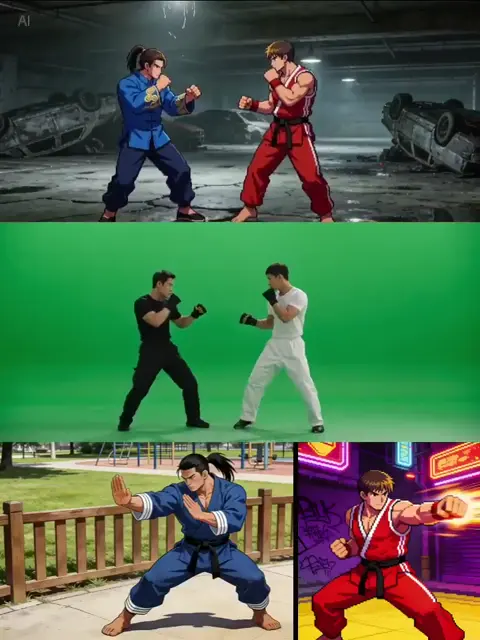
AI video generators now produce broadcast-quality content from text descriptions. A single marketer can create 50 product videos in an afternoon — each optimized for a different platform and audience segment. This isn't about replacing creativity; it's about removing the production bottleneck.
Hyper-Personalization
AI analyzes user behavior to generate personalized video content. Imagine every visitor to your site seeing a product demo tailored to their specific interests. This level of personalization was once science fiction — now it's a competitive necessity.
Content Repurposing
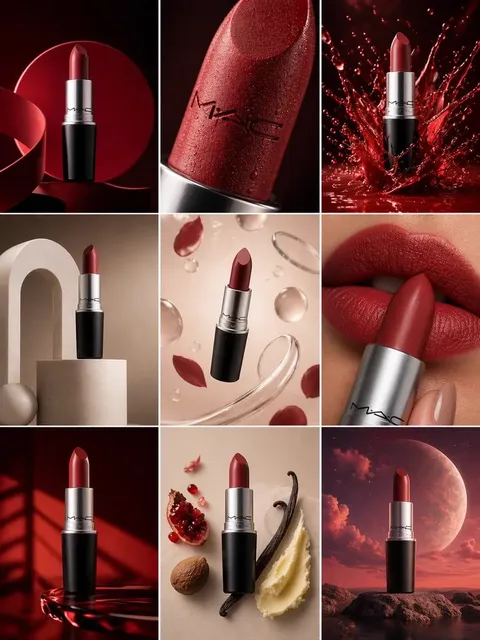
Turn a single blog post into 10 videos, 20 social posts, and a podcast episode — automatically. AI image generators create platform-optimized visuals while text-to-video tools transform written content into engaging video formats.
Getting Started
Pick one channel. Master AI content creation there. Measure results. Expand. The winners in 2025 won't be those with the biggest budgets — they'll be those who integrate AI most effectively into their creative workflow.

Alexander
More Blogs
Read MoreVidu Q4 Alternatives: 4K AI Video Models Compared (2026)
Vidu Q4 alternatives compared: Kling 4.0, Seedance 2.5, Wan 3.0, and Runway Gen-4 — 4K support, input modes, durations, audio, and what each costs in credits on Domer.
Top 4K AI Image Generators in 2026: 5 Models Compared on Real Costs
The top 4K AI image generators on Domer compared: Flux 3 Klein, Nano Banana 2.1, GPT Image 2.5, GPT Image 2, and Nano Banana Pro — 4K credit costs, reference limits, and speed.
Nano Banana 2.1 vs GPT Image 2.5: Which Image Model Should You Use? (2026)
Nano Banana 2.1 vs GPT Image 2.5 Flare compared: credit costs per resolution, aspect ratios, reference images, text rendering, and which tasks fit each model.