

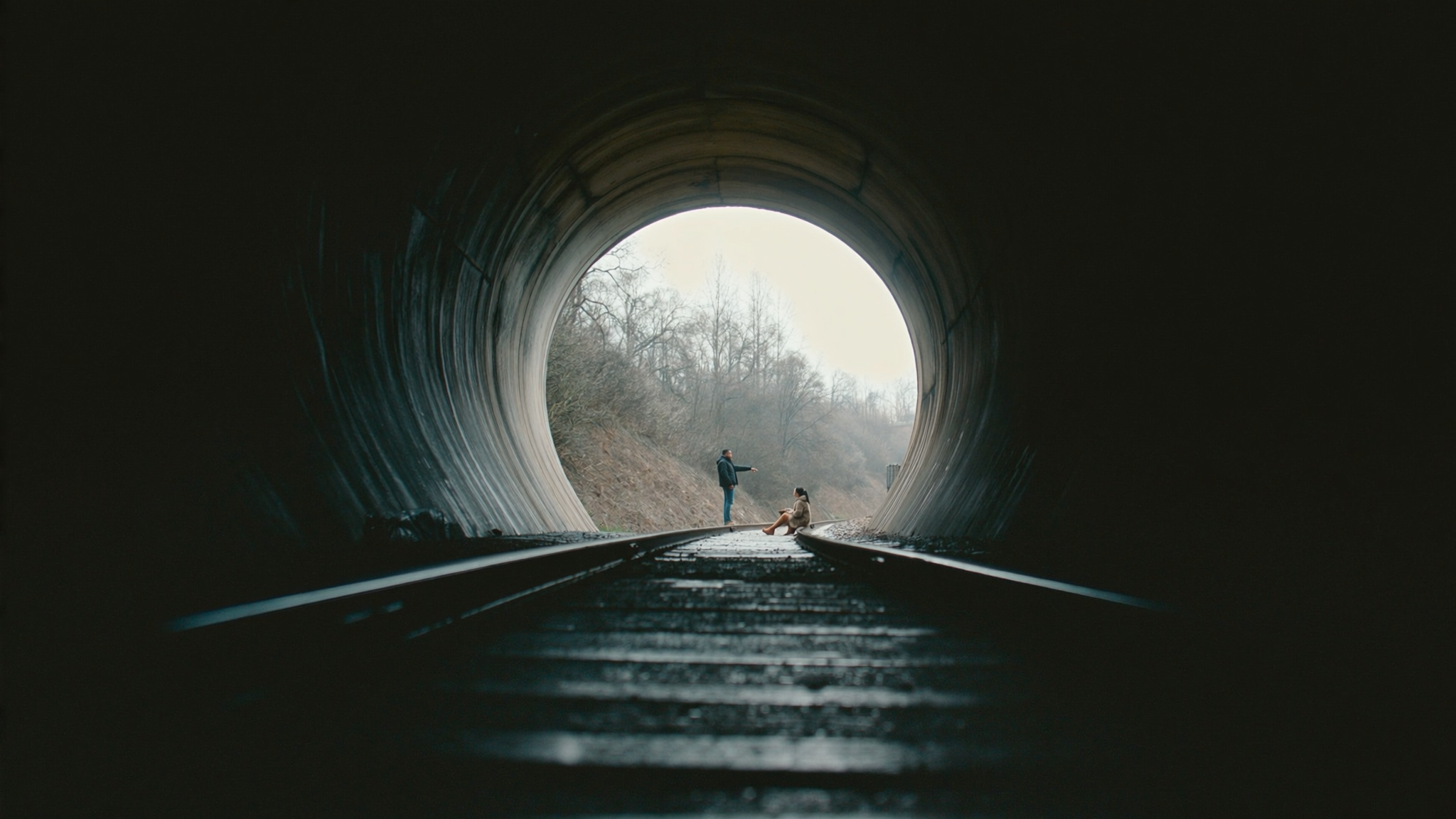
The idea that you can type a sentence and watch a cinematic clip appear is no longer a speculative promise; it is the daily reality of thousands of creators, marketers, and editors. Text-to-video has crossed from novelty into a working practice, and understanding how to use it well is now a practical skill rather than a forward-looking curiosity.
This guide explains how text prompts turn into polished video, what capabilities have actually matured, how to build a reliable workflow, and where the practical limits still sit. Whether you are a social media manager, a small brand, an indie filmmaker, or simply someone who makes things online, the goal here is to help you produce results that look intentional instead of accidental.
What a Text Prompt Really Does in Modern Generators
Modern video generators do not look up clips from a library; they generate frames from learned patterns described by your prompt. When you describe a scene, the system composes a visual world, applies motion, and renders a sequence that follows your description.
Because the engine builds rather than retrieves, your words carry real weight. The same system produces wildly different results from "a calm lake at dawn" versus "a storm over a harbor at sunset." Precision in language translates directly into precision in image and motion.
That is good news for you: prompt quality is a lever you fully control. No expensive hardware or specialized training is required to get meaningfully better output, just clear, specific, structured writing.
It also means the skill you are building is transferable. Video, image, and even audio generators increasingly share the same underlying prompt language, so the craft you develop for film flows directly into every other kind of generative production.
Why This Matters Right Now
The market for generative video has exploded, and that growth reflects genuine utility rather than hype. Teams that once spent days producing simple social clips can now iterate in hours. Cost barriers have fallen, and variety has gone up: a single production can mix photorealistic shots, stylized animation, and dynamic camera moves that would have required multiple vendors and teams years ago.
The practical consequence is competitive pressure. In crowded feeds, the ability to produce a steady stream of fresh, consistent video is a real advantage. Creators who treat text-to-video as an ongoing production system rather than a one-off trick stay ahead, because they can test ideas cheaply and ship the ones that resonate.
This matters for small teams especially. A single person with disciplined prompting can now maintain what used to require a producer, a director, an editor, and a rendering pipeline. That is not to say the roles vanish, but the cost structure and creative range available to an individual have changed dramatically.
The Core Ingredients of a Working Prompt
A strong text-to-video prompt packs several kinds of information into a compact shape.
- Subject: who or what is in the frame. Be specific enough to be visible.
- Setting: where the action happens and the time of day.
- Style: photoreal, cinematic, illustration, stop-motion, and so on.
- Camera: static, push-in, pan, tracking, overhead.
- Motion: what moves and how it moves.
- Mood or lighting: warm, moody, high-key, silhouette.
Write these as a series of observable statements rather than a vague wish. For example, instead of "cool video of a dancer," write "a silhouette dancer in a smoke-filled warehouse, warm rim light, slow camera push-in, fabric moving in a light breeze." Every phrase narrows the model's choices.
Order also matters. Put the subject early and keep the most important constraint close to the front. Later phrases carry less weight in some systems, so lead with what must not be lost.
Structuring Style for Repeatable Results
Consistency across shots rarely happens by accident. It comes from holding a few important levers steady.
- Keep a style block: a reusable sentence describing your look, pasted into every prompt in a project.
- Preserve a palette: name your dominant colors so scene to scene they stay in period.
- Reuse the same landform, wardrobe, and lighting words so the world reads as continuous.
- Keep a shot grammar: define what a wide shot, a close-up, and a transition mean in your project terms.
Think of this as a house style. The same suite of words in every prompt makes the output coherent enough to cut together into something that feels like one production instead of a collage.
A house style also makes collaboration possible. When a whole team shares one style block and palette, anyone can pick up a shot and stay in the same world. This is what lets a pipeline scale beyond a single author who keeps everything in their head.
Consistency Through Reference and Key Frames
A strong style block handles broad continuity, but you will also need to control specific elements: a face, a mascot, a product, a setting. Two of the most useful controls are reference-based generation and key-frame control.
Reference-based generation lets the model see an existing image and match it. Provide a single approved frame and the next shot can inherit the same character, wardrobe, and environment. For long-form or episodic work, keep a reference library of your important visual anchors.
Key-frame control lets you fix the opening and closing images of a clip and let the model invent the motion between them. This is perfect for transitions, morphs, and looped effects where the endpoints matter and the middle should stay smooth and on-plan.
Establish anchors early. If you know a series will revisit a location or a character, create a canonical reference for it on day one and archive it. Paying that small up-front cost saves countless regeneration cycles later.
Managing Resources and Iteration
Video generation is more expensive than image generation, so treat budget as part of the craft.
- Storyboard on the cheap first. Use fast, light models to lay out your shots and test ideas.
- Reserve expensive renders for hero shots: the openings, the money shot, the close-up you want to linger on.
- Iterate on the prompt before re-rendering. It costs nothing to improve your words, so refine language, then render.
- Centralize your queue. When you render in batches and track what is running, you waste less time waiting and generate less waste.
You are not trying to render everything at full quality; you are deciding where quality actually matters and spending accordingly.
A simple budget trick is to write the shot list with a quality column before you render anything. Marking shots as low, medium, or premium in advance keeps you from overspending on filler and underspending on the moments that carry the piece.
Fusing Multiple Inputs Beyond Text
Text is the obvious interface, but the strongest workflows layer in other media. Image-to-video lets you animate a still, which is ideal for bringing a logo, a photo, or a concept sketch to life. Video-to-video lets you restyle or steer existing footage, turning a boring clip into a stylized one without reshooting.
Mixing inputs gives you control where pure text is weak. If you already have a hero image, animate it instead of describing it. If you have footage, transform it instead of regenerating from scratch. Each additional input lowers the ambiguity the model has to resolve, which improves fidelity and cuts iteration cycles.
Audio can be a third input worth planning around. Even when the generator does not take audio directly, planning the music and sound bed you intend to use lets you brief the visual style toward a matching rhythm, so the two edit together more naturally in post.
A Practical Workflow You Can Start Using Today
Here is a simple, repeatable pipeline that avoids the common trap of aimless generation.
-
- Define the message and audience in one sentence.
-
- Storyboard the beats as text or rough sketches.
-
- Write a shared style block and palette.
-
- Draft prompts shot by shot.
-
- Render low-quality versions and review them as a rough cut.
-
- Select, polish, then render the heroes at full quality.
-
- Edit, grade, and add sound in your editing suite.
The same loop works for a fifteen-second social clip or a longer piece. What changes is the number of shots and the budget, not the logic.
Troubleshooting Common Failures
When output misses the mark, diagnose before you re-prompt.
- Wrong subject: remove ambiguity, name the subject early in the prompt.
- Drifting characters: introduce reference images and lock wardrobe details.
- Forced motion: reduce simultaneous actions; animate one focal thing at a time.
- Disconnected shots: return to the style block and palette.
- Too slow or low quality: downgrade expectations for filler, upgrade for heroes.
Change one variable per iteration. You will converge faster and learn what actually drives your system.
Building a Team-Ready Pipeline
Text-to-video stops being a solo trick and becomes a production asset when it works beyond one person. A shared pipeline has a few simple rules.
- One source of truth: keep the style block, palette, and reference library in one shared location a team can all reach.
- Clear handoffs: define who writes prompts, who reviews drafts, and who is responsible for the final render.
- Consistent naming: tag every clip with project, shot, model, and version so anyone can audit the history.
- A review ritual: schedule a short pass where a second pair of eyes checks style consistency and emotional intent before the premium render.
With these in place, a small team behaves like a studio rather than a chain of individual experiments. The same assets stop being personal notebooks and become institutional knowledge that pays off on every new project.
A Quick Ground Truth Workout for Your First Week
If you want to move from theory to a working feel quickly, try this five-day routine.
- Day one: pick one message and write a style block plus a palette.
- Day two: storyboard a four-short-shot clip on paper.
- Day three: generate a rough cut on a fast model and learn to read what is wrong.
- Day four: fix the worst problem with reference or key frames and review the change.
- Day five: render a final short clip with sound and grade it.
This micro-project forces every part of the pipeline into practice at once. Completing it gives you a template you can scale to longer and bigger work with far less guesswork than starting each project cold.
Frequently Asked Questions
How much technical skill do I need?
None beyond basic writing and an editing instinct. The craft is in language, planning, and curation.
Can I use this commercially?
Yes, for the output you create, provided you respect the terms of the tools and models you use. Check each provider's usage policy.
How do I make clips that look the same every time?
Lock your style block, palette, references, and shot grammar, and reuse them across every prompt in the project.
Is copyright a concern?
As with any creative production, be careful about depicting real people, brands, or IP you do not own. The tool does not remove your responsibility.
How long does a short clip take from idea to finished video?
A focused creator can move from idea to a polished fifteen-second clip within a few hours once their style and workflow are established.
Should I plan music before or after generating?
Plan the emotional trajectory and rough rhythm before, then refine the exact track in post. Matching visuals to a planned mood beats trying to retrofit mood afterward.
Final Word
Text-to-video is the most accessible visual production tool of its generation, but accessibility alone does not produce quality. The difference between accidental output and intentional work is discipline: clear prompts, consistent style, controlled references, and a sensible budget for renders. Master those fundamentals and a single sentence can become the first frame of a genuinely stunning video. The future is not just arriving; it is already something you can direct.
