
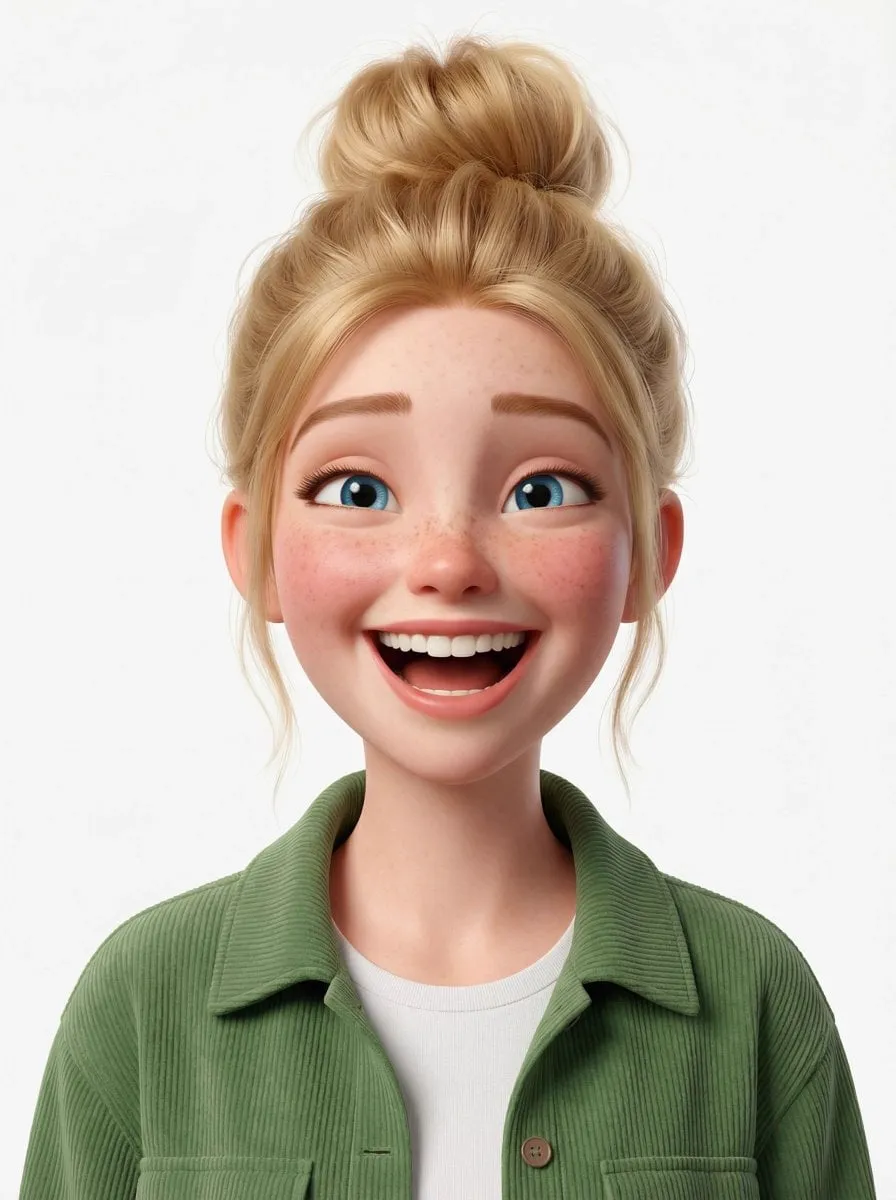
Turning a single, static image into a moving, living scene is one of the most striking tricks modern AI can perform. Where creators used to storyboard in their heads, they can now feed a reference photo into a generator and watch it come to life with realistic motion, subtle lighting shifts, and natural physics. This capability has moved from research papers to everyday creative tooling faster than almost any other AI feature, and it is reshaping how video is planned and produced.
The shift matters because attention is the scarcest resource online. Static imagery and text still have their place, but audiences increasingly expect motion. When a creator can produce dynamic content directly from a still, they unlock a pipeline that is both cheap and flexible, ideal for everything from social clips to commercial spots. Understanding how this works, which tools matter, and how to control the outcome is now a practical skill rather than a curiosity.
The market and why it is moving so fast
Projections for the AI video generation market are enormous, with the broader segment expected to capture a significant share of a global market measured in the tens of billions over the next few years. Even discounting the most optimistic numbers, the trajectory is unmistakable: dynamic content generation is becoming the default expectation in digital media. As the tools improve and the costs fall, more professionals and hobbyists will fold these capabilities into their daily work.
Much of the urgency comes from platform algorithms. Social feeds increasingly favor native video and penalize static posts. For brands and creators, the difference between a slow trickle of views and a wave of reach can come down to whether a piece of content moves. Image-to-video generation is a direct response to that pressure, because it lets teams reuse their best stills as the starting point for powerful motion content.
From stills to sequences in minutes
The older workflow demanded either shooting expensive live footage or commissioning animation. Image-to-video compresses that process dramatically. A single well-crafted image becomes a scene; a series of them becomes a sequence. Rather than building every frame from scratch, the generator interprets what motion the still implies and produces the intervening frames. The result is speed and flexibility that traditional pipelines cannot match.
The technology underneath: image-to-motion synthesis
To use these tools well, it helps to understand roughly what is happening under the hood. The generator analyzes the reference image, builds an understanding of the objects, their shapes, textures, and probable behavior, and then synthesizes the frames that would connect the still to the desired motion. This is not simple animation; it is a learned prediction of how the scene should move.
The quality of the output depends heavily on a few architectural ideas in the underlying model. Temporal stability, or how well objects hold their identity across frames, is the hardest problem. A face that flickers or a background that melts between frames ruins the illusion. Modern systems use spatio-temporal attention mechanisms that track features both across the image and across time, which dramatically reduces flicker and distortion.
Consistency between frames matters most
The eye is brutally sensitive to change between adjacent frames, even when individual frames look fine. This is why the most important quality metric for image-to-video is inter-frame consistency, not just per-frame sharpness. The best generators are those that keep textures, edges, and identities stable while still allowing natural motion. When you test a tool, pay less attention to how impressive the first frame looks and far more attention to whether the motion holds together over the full clip.
Scene context and semantic understanding
A generator does not just move pixels; it tries to understand what it is looking at. Give it a photo of a car and it will animate wheels turning and reflections shifting; give it a portrait and it will make hair sway and eyes blink. This semantic understanding, the ability to reason about what the objects are and how they behave, is what separates believable motion from abstract wobble.
This has practical implications for prompt writing. The more clearly the image communicates its content, the better the model can animate it. A well-lit subject standing clear of background clutter gives the generator an easier job than a busy, ambiguous scene. Thoughtful composition in your source stills is therefore not vanity; it is a direct lever on output quality.
Reference, first, and last frame control
Advanced workflows give you control over the starting and ending points of the animation. You can specify that a scene begins with one framing and ends with another, and let the model fill in the motion between them. This "first-to-last frame" control is invaluable for choreographing camera moves, like a slow push-in or a pan across a landscape, because it lets you decide exactly where the clip starts and finishes.
Similarly, "reference-to-video" control grounds the entire clip in a specific image, preserving identity and setting throughout. The combination of a strong reference and deliberate first and last frames gives a creator a level of directorial control that was unheard of in earlier generative video tools.
The ecosystem of tools you will encounter
Names like Kling, Hailuo, Runway Gen-4, and MiniMax come up constantly in this space, and each has strengths worth respecting. Rather than championing any single brand, it is more useful to think about the categories of capabilities they represent. Some tools are best at head-and-shoulder motion and facial performance; others excel at large, sweeping camera movements; still others shine at stylized or animated output.
The more sophisticated platforms bundle multiple models behind a single interface, letting the creator pick the right tool for each shot. Choosing a model based on the desired result, rather than habit, is a core discipline. A dramatic, slow dolly on a landscape needs a different engine than a subtle character expression in a close-up.
Speed, cost, and iteration economy
Generating video is far more expensive than generating a still. This changes how you should work. The creators who succeed are those who iterate cheaply: they validate motion and composition on short, low-cost clips before committing to a long, pricey generation. They also keep generation archives and reuse proven setups, so they are not rediscovering parameters on every project.
As the models improve, speed improves too, but the economics of iteration remain a strategic advantage. A workflow built around cheap test clips and deliberate escalation produces better results, at lower cost, than one that aims for the perfect long clip on the first try.
Building a practical image-to-video workflow
A repeatable process beats luck every time. Here is a workflow that a growing number of creators use, adaptable to any toolset.
Curate strong source stills
Everything flows from the quality of your starting image. Choose or generate stills with clear subjects, good lighting, and clean composition. If you are animating a character, make sure the reference defines identity well, because the video inherits everything the image implies.
Write a motion brief
Before generating, write a short paragraph describing the desired motion, not just the scene. "A slow push-in toward the subject's face as the light shifts from cool to warm" is a vastly better prompt than "animate this photo." The model needs to know what you want to happen, and the more specific you are about intent, the more controllable the result.
Test short, then escalate
Generate a short clip first to confirm the motion direction and character consistency, then refine with control frames or adjusted prompts. Only when the short test satisfies you should you spend the resources on a longer final version. This discipline keeps costs low and quality high.
Curate and reuse
Keep a library of your favorite source stills, prompts, and motion briefs. The combination that worked for one project will often work again, with small tweaks. Building this toolkit across projects turns a one-off capability into an accelerating creative advantage.
Common pitfalls and how to avoid them
Many frustrations with image-to-video come from predictable mistakes. The most common is overloading a complex source image and expecting the model to understand it perfectly. Simplify the scene in your still to give the generator a clear trajectory. Another frequent issue is expecting lengthy output from models designed for short clips; match your expectations to the capability you actually have.
A third pitfall is neglecting the motion brief and treating the prompt like an image prompt. Video generation rewards explicit descriptions of movement and camera behavior. Finally, avoid the temptation to generate everything in one expensive pass. Cheap iteration, deliberate escalation, and reuse of proven setups will serve you better than chasing a perfect result blindly.
Choosing the right tool for the job
Because the ecosystem is crowded, a decision framework helps. Start by naming the primary motion you need: facial performance, full-body action, camera movement, or stylized animation. Then match that to a tool known to excel in the area, rather than picking whatever is trending. Read output examples for real consistency, not just marketing stills, and check how each tool handles your most common type of source image.
Cost and speed are real variables. Some tools are fast and cheap but rough; others deliver cinematic quality at a premium. Build a shortlist of two or three models and learn their quirks thoroughly. Depth beats breadth here: a creator who truly knows two tools produces better work than one who casually touches ten.
Batch generation and team workflows
If you work in a team, image-to-video fits naturally into a shared pipeline. Source images can be produced or approved once, then fed into a queue of generation jobs. Because each job runs independently, a team can review motion briefs and source stills on one side while a library of generated clips accumulates on the other. Lightweight review tooling, where each result gets a simple approve, reject, or rework state, keeps the flow honest and prevents broken clips from slipping into edits.
Accessibility and creative opportunity
The promise of this technology is not just for studios. A solo creator with a modest laptop and access to a cloud tool can produce motion content that would have required a crew a few years ago. This democratization is exactly why the market is growing so fast and why mastering image-to-video is a genuine career and business advantage. The barrier is no longer capital; it is skill at guiding the machine toward the motion you can already see in your head.
Frequently asked questions
Do I need a powerful local machine?
It depends on the tool. Many platforms run generation in the cloud, so your local machine only needs to handle the interface and any editing. Local tools exist but place heavier demands on your hardware.
Can I keep the same character across multiple clips?
Yes, by using strong references and consistent character setup. Generating character sheets or reference images first, then grounding each clip in that reference, produces far more consistent results than prompting from scratch each time.
How long do generated clips typically last?
Most tools produce clips measured in seconds, growing longer as models improve. The sweet spot for iteration is short, and you can sequence many short clips into longer pieces rather than demanding one long generation.
Why is my motion distorted?
Distortion usually comes from an overly complex source image, an ambiguous motion brief, or asking for motion the model and clip length cannot support. Simplify the scene, describe movement clearly, and match your request to the tool's real capabilities.
Where image-to-video fits your content strategy
Image-to-video is not a replacement for every type of production, but it is a remarkably versatile addition to the toolkit. It is ideal for turning test renders into quick animated previews, for breathing life into static concept art, and for generating social-native video from existing brand imagery. It also serves as a fast storyboard, letting you feel a scene's motion before committing to a heavier pipeline.
For agencies and in-house teams alike, the value is speed and reuse. Existing still libraries become raw material for motion content. When a campaign needs fresh video but time and budget are thin, image-to-video bridges the gap between a static asset and a dynamic one with minimal effort.
Final thoughts
Image-to-video generation has crossed the threshold from novelty to production tool. The technology rewards understanding: clear source images, explicit motion briefs, dimensional control over first and last frames, and a disciplined habit of cheap iteration. The models will keep improving, and the market will keep growing, but the principles of good creative control will remain stable.
The creative advantage no longer depends on carrying the most expensive camera or the largest team. It depends on knowing how to guide a machine to turn a single image into the motion you can already picture. Master that, and you gain a skill that scales across every project, every platform, and every budget.
