

Everyone has sat with a blank canvas and a vague idea, staring at an image generator hoping it reads their mind. Sometimes it pays off, and more often it does not, leaving you with something generic that looks like everyone else's output. The demand for visuals that are genuinely original, that carry a point of view, that are not shepherded through the narrow, safe defaults a tool tends to lean on, has become one of the defining creative pressures of the current AI content wave. This guide is about building images the way you intend them to be built, with fewer guardrails silently flattening your ideas, and with the techniques that let a distinctive concept survive the trip from your head to the final file.
The phrase "frameless" or "unfiltered" gets thrown around a lot, but it is worth being precise about what it really means in practice. It is not about trying to generate harmful or deceptive content, which should never be the goal. It is about reclaiming creative freedom that is too often lost by default. It means being able to render a gritty atmosphere, an unexpected subject combination, a cinematic mood, or a technical look that a heavily moderated pipeline would quietly redirect toward something safer and blander. It is the difference between a reply of "here is a generic studio portrait" and actually getting "here is your specific, moody, slightly unsettling scene."
For anyone working on real projects, that difference matters commercially. Originality is what stops a feed from scrolling past. A visual that feels new, that has texture and emotion and intent, drives engagement in ways a polished-but-anonymous image never will. The techniques in this article are aimed at exactly that: producing images that are distinctive, technically strong, and true to your creative direction.
How Modern Image Models Actually Work
To push past default filters and boring output, it helps to understand the machinery under the hood. Most of today's generative image models are diffusion models. They work by starting from pure noise, a field of random static, and progressively denoising it, step by step, guided by the text or image conditions you provide, until a coherent picture emerges.
The behavior of a diffusion model is partly determined by the text encoder, the part that turns your words into mathematical tokens the denoiser can follow. This encoder has real consequences for how you write prompts. Highly specific, concrete nouns and adjectives map cleanly onto learned concepts. Abstract or ambiguous phrasing maps less reliably and lets the model fall back to its statistical defaults, which is exactly where "safe and generic" comes from. Your first line of defense against bland output, then, is precision in language.
Noise scheduling and guidance strength also shape the result. A higher guidance scale forces the model to hew closely to your prompt, which can increase coherence but also introduce oversaturation or artifact-heavy "overcooked" images. A lower scale produces looser, more creative interpretations. Modern tools expose this dial (often as "guidance", "prompt strength", or a slider), and the "unfiltered" workflow uses it deliberately. If your tool is clamping details, you are fighting a guidance ceiling as much as a content filter.
Finally, the sampler matters. Different samplers trade off creativity, fidelity, and speed. Knowing which sampler your tool uses lets you predict whether your output will lean sharp and faithful or diffuse and experimental. A quick way to widen your results is to vary the sampler for the same prompt and watch what changes. This is not mystical; it is reading the tool's behavior and working with it.
Composition, Mood, and Atmosphere: The Real Missing Ingredient
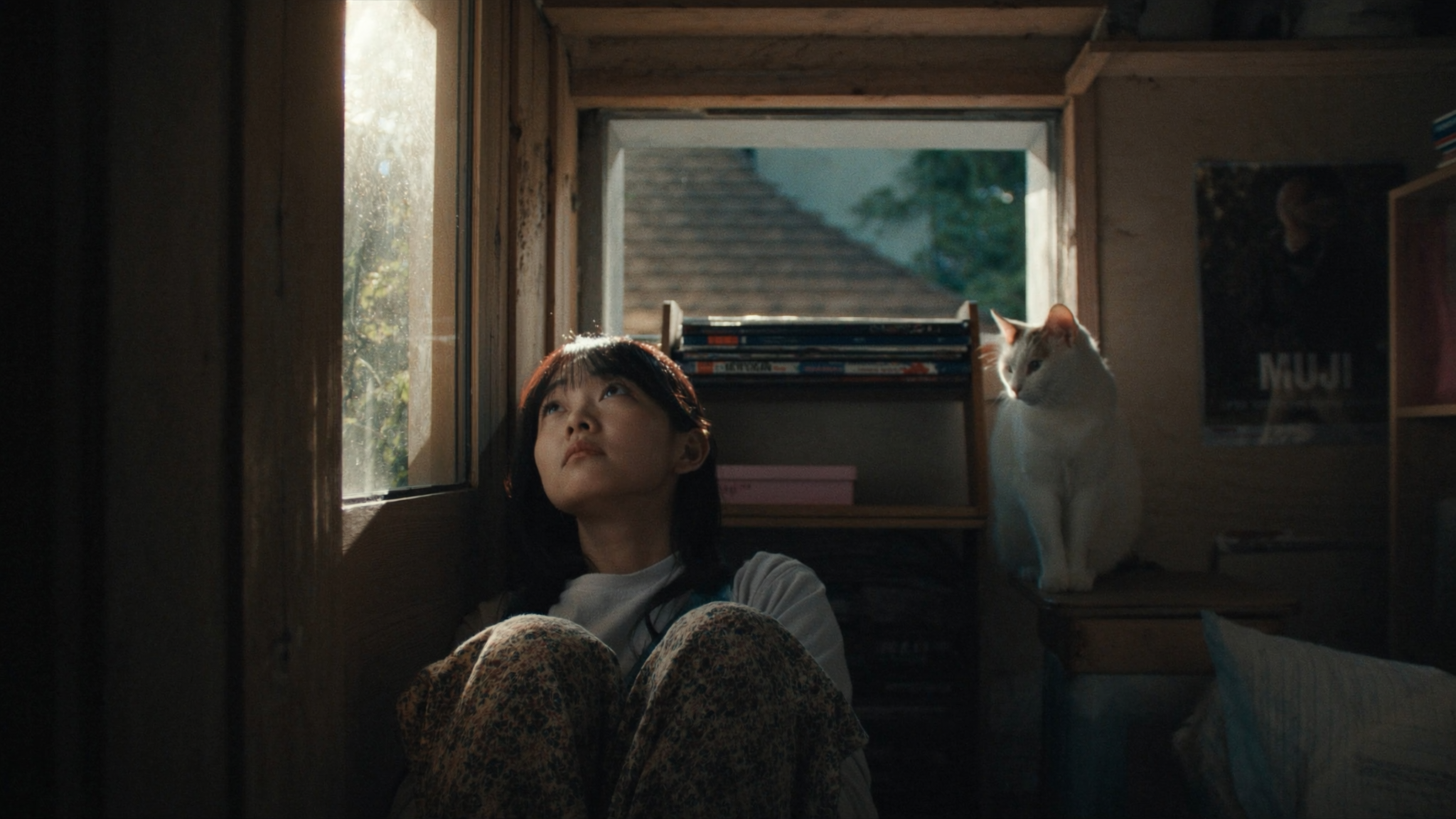
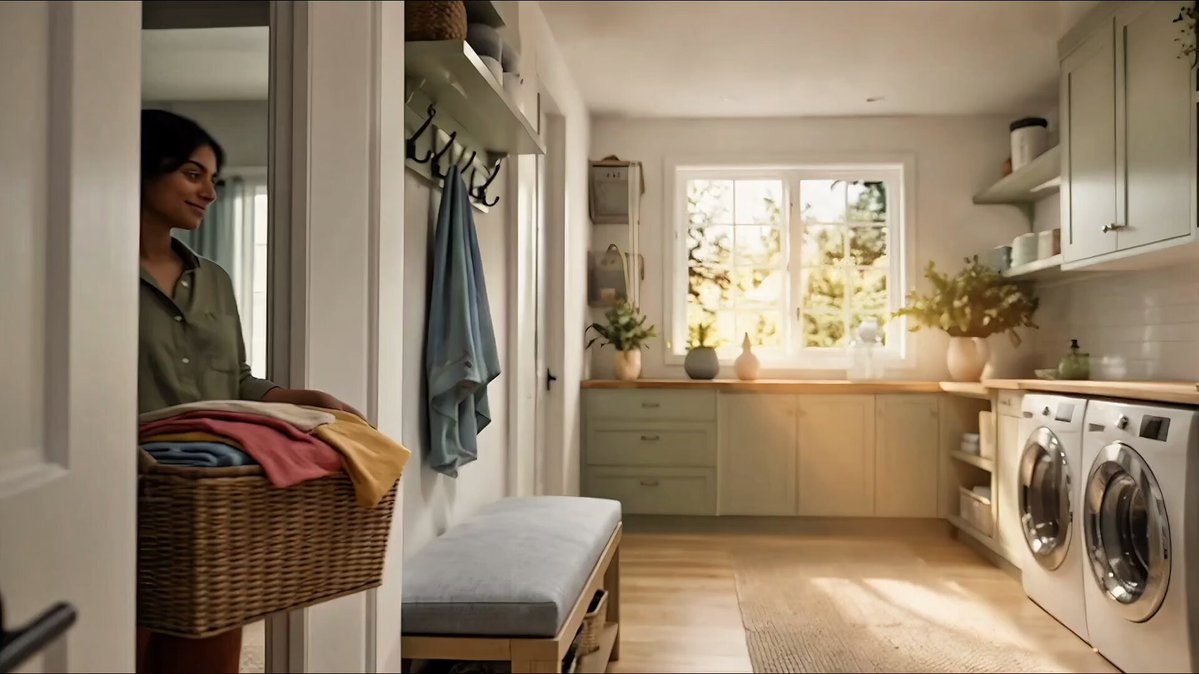
The single most common reason an image feels "filtered" or flat is not censorship, it is weak prompt construction. You described a subject, but never told the model anything about the world the subject lives in, the light, the air, the emotion. A subject without atmosphere is a sticker; a subject inside atmosphere is a photograph.
Describe mood through the vocabulary of light and weather. Instead of "a person in a forest", write "a lone figure in a mist-heavy evergreen forest at dawn, volumetric light shafts breaking through the canopy, cold blue-gray color, wet leaves reflecting faint sky glints." The shift from "in a forest" to "dawn, mist, volumetric light, cold blue-gray, wet reflections" is the entire difference between a placeholder and a mood.
The same upgrade applies to texture and material. Say explicitly that skin has pores and subsurface warmth, that metal has brushed directional scratches, that fabric has a visible weave and weight, that glass has caustics and edge reflections. These micro-specifications are what defeat the model's tendency to smooth everything into a plastic, rendered default.
Emotional direction is powerful and underused. Tell the model who we are watching and how they feel. A "watchful, exhausted face lit by a single practical lamp" generates a materially different image than "a face". Emotion changes composition, posture, and lighting in ways that subject nouns alone cannot. Put the feeling in the prompt and the frame follows.
Controlled Grain, Sharpness, and Texture
Two of the most reliable ways to make generated imagery feel less "clean" and more like a deliberate creative artifact are grain and texture control. Perfectly clean output reads as machine-generated; a small, intentional grain structure reads as film, editorial, or analog. This is a stylistic choice worth making on purpose.
If your tool supports negative prompts, use them to hold the line on texture. Blocking terms like "smooth", "plastic", "airbrushed", "polished", and "default render" can prevent the model from sanding your image down. Pair that with positive calls for film grain, grain structure, paper texture, or halation, depending on the aesthetic you want. Grain is also a wonderful unifier when you are compositing several generated images; a consistent light grain ties disparate renders together.
Sharpness control is about the optics of the image. Decide where the focus lives. A shallow depth of field with a creamy background blur is a classic editorial move that never looks generic. Pulling focus toward a foreground element and leaving the mid-ground sharp but the deep background soft gives the image depth and a crafted feel. If every element renders tack-sharp at once, you get that clinical, depthless look that screams "render". Use focus language ("85mm, f1.8, bokeh", "shallow depth of field", "long lens compression") to define the optic signature.
Writing Prompts That Skip the Defaults
You can build a repeatable formula for distinctive prompts, but the formula should vary with your goal. Here is a working structure that produces strong, off-default results across techniques: subject + action, environment with weather and time of day, lighting with direction and quality, optical signature (lens, depth of field), materials and texture, then emotion or mood, then a short negative list. Concrete details first, mood last.
Iteration is the engine of originality. Generate variations, not just results. Take the strongest frame and re-prompt it with one thing changed, the light direction, the angle, the palette, a different lens. Each pass narrows toward your intent. Keep a running log of which phrasings move the needle and which do nothing; after a few sessions you will have a personal style dictionary that encodes your visual taste.
One technique that produces reliably surprising output is fusion, draping one domain's vocabulary over another. If you are building a sports-themed piece, thread cinematic broadcast language into it, camera angles, slow-motion beats, arena lighting, instead of just naming the sport. Layering a genre's production grammar over an unrelated subject is a shortcut to originality because the model rarely generates that combination by default.
From a Single Frame to Something Bigger
A strong still is a great start, but the real creative leverage comes when your generation technique extends into sequences and larger works. The discipline that makes single frames distinctive carries directly; define the world, fix the light, lock the palette, and let every frame inherit the same brief. This is how freelancers and studios turn a striking one-off into a cohesive campaign, a book, or a filmic sequence.
Motion inference is the natural next step for many image models. You can take a locked, atmospheric still and animate it with a short camera move, a slow push-in, a handheld drift, or a subject motion like hair moving in the wind. Consistent stills make much better starting frames for animation than loose, generic ones, precisely because the starting image is already specific and intentional.
When you are building commercial work, respect the constraints that keep you safe and credible. Stay clear of instructions to generate real people as if they had said or done things, stay away from brand-defaming or misleading content, and keep clear of requests that target a real individual. Original fictional subjects, clear conceptual creations, and abstract or stylistic works sidestep the messy and harmful edges of generation while leaving you enormous creative room.
A Refinement Loop for Professional Results
Even a strong first generation rarely ships untouched. Build a short curation and polish loop. Cull ruthlessly: keep only the frames that express the mood, not the ones that merely satisfy the default. For the keepers, do a cleanup pass on the edges, distractors, and wobbly details, then grade them so they sit in one register.
Consistency of palette and light across a set is what makes a body of work feel intentional rather than like a pile of one-off experiments. Decide on a light quality (hard or soft), a color stance (warm, neutral, cool), and a texture signature (clean and crisp, grainy, editorial) and hold them across every image in the set. That consistency is often the difference between "a collection of images" and "a visual identity."
Your Palette of Creative Controls
By now, the toolkit feels broad, so it helps to compress all of those levers into a single mental palette you can reach for in any session. Think of freedom of expression in AI imagery as a set of independent knobs: language precision, atmosphere, optics, texture, subject fusion, and mood. Each knob moves one variable of how "filtered" or unfiltered a result feels, and learning to turn them independently is what moves you from operator to author.
Language precision controls how faithfully the model follows you. Concrete nouns and specific adjectives pull the result toward your intent; vague phrasing lets the default take over. Atmosphere controls the world around the subject, the light, the weather, the air. Optics controls the lens expression, shallow depth of field, compression, focus pull. Texture controls surface realism, grain, material. Fusion controls how creative the combination of languages is. Mood binds the whole frame to an emotion. When a result feels generic, audit which of these knobs you left at default, and you will usually find the culprit.
A useful discipline is to change exactly one knob per generation. Keep the same subject and world, and shift only the light, or only the focal depth, and watch what moves. This makes the comparison legible and builds your intuition faster than making many changes at once and guessing which caused what. Systematic variation is the shortcut to a confident personal style.
Troubleshooting Common Failures
Some failures are so common they deserve their own playbook. When faces come out plastic or over-smoothed, push texture language into the positive prompt and block the smoothing vocabulary in the negative. When generations keep arriving empty or with the wrong composition, your subject framing is too loose, tighten it and place the subject more deliberately. When images feel cluttered or the model ignores an element entirely, reduce the number of simultaneous demands and give the priority element more descriptive weight.
Annoying repeating artifacts, tiny duplicated fingers, text that garbles, background faces that smear, often improve with a stricter seed discipline and by re-prompting the same frame rather than starting over at random. When colors skew wildly from what you asked, check whether the palette and the lighting request are fighting; state the palette as its own clause. And when nothing you try seems to move the needle, step back and change the negative list, because a lingering default that you never blocked can mute every other instruction at once.
Keeping a small log of which failures you meet and which fix resolved them turns troubleshooting from guesswork into routine. The log becomes a personal reference that lets you walk into any new project already knowing its most likely traps.
Building a Personal Style Dictionary
The most valuable asset you will accumulate is not a single clever prompt but a personal style dictionary, a written record of the phrasings, lighting descriptors, and fusions that reliably produce the look you want. Whenever a generation lands exactly right, write down what you used and why it worked. Whenever one fails, note what to avoid.
Over time, this dictionary replaces experimentation with recall. You no longer wonder "how do I get that desaturated, grainy editorial mood again?" because you wrote down the exact wording that did it. You start to recognize the recurring building blocks of your visual voice, the warm highlights, the long-lens compression, the specific negative of "glossy render polish", and they become your signature.
A style dictionary also survives tool changes. Even if you switch to a different generator or a newer model version, most of the language of light, texture, optics, and mood transfers directly, because it describes the image rather than the tool. Your taste becomes portable, which is exactly what a consistent creative identity is made of.
Sharing and Compounding Your Approach
Frameless, original work has a natural audience among other creators, collaborators, and clients who want a distinctive look. Sharing your process openly, the prompts that worked, the fusions that surprised you, the fixes for common failures, builds community and attracts collaborators and commissions who value exactly the style you have honed.
Creativity does not happen in a vacuum, and refining your toolkit in conversation with other artists accelerates it. Trade prompts, critique each other's directions, and draw on shared technique openly, not to copy final images but to expand the range of moves you can make. Every new technique you learn from someone else adds another knob to the palette you control.
Bringing It All Together
The toolkit for frameless, original AI imagery is not a single secret prompt, it is a set of deliberate moves: understanding how the model encodes language, giving every image a world to live in, controlling grain and focus with intent, fusing unexpected vocabularies, and pushing prompts past where the default would stop. None of these require circumventing safeguards; they simply require refusing to let a tool's lazy default make your creative decisions.
Strong images come from strong direction, and strong direction is learnable. Start with one project, one consistent brief, and run the whole loop, generate, curate, refine, grade. The more you push your specific point of view into the prompt, the less your output will look like everyone else's, and the more it will look like you.
