


Short-form video has become the main way most people consume content, and platforms like TikTok and Instagram Reels decide what millions see each day. The creators who grow on these platforms are rarely the ones who just film and post. They design every element with intent, from the first frame to the rhythm of the cuts. This guide lays out a practical strategy for building short videos that spread fast, covering the hook, the structure, the audio, and how to keep consistent visuals so your work reads as professional.
The economics of a short video
Short videos dominate because they deliver a high return quickly. A ten to sixty second clip can be made in a fraction of the time of a long video, published fast, and tested against a trend within a single day. In a landscape where trends rotate daily, the ability to produce quickly is the whole game. Speed keeps you relevant; quality keeps you watchable.
But speed alone is not enough. The same clip that could reach thousands can also sink with zero traction. The difference is usually a handful of deliberate choices repeated across every upload.
Mastering the first beat
The three seconds after a video starts decide almost everything. In that window the viewer answers one question: is this worth my attention? If the answer is no, nothing else you made matters.
A strong opening hook does three things. It names the subject fast, so the viewer immediately knows whether the video is for them. It signals a benefit, telling them what they will get for staying. And it creates a question or gap that they want closed. Hooks that work do not beg for attention; they make the curiosity or promise impossible to ignore.
Examples that consistently perform include "if you film this, do not skip this step," "this is the mistake everyone makes," and "you can do this in under five minutes." Each one creates a reason to keep watching.
Designing the decisive three seconds
The visual and audio beat of the opening matters as much as the words. Motion in the first frame, a clear subject up close, and a recognizable sound or song all raise the odds of a viewer pausing. Avoid slow fades and logos at the very start; the feed rewards a direct, moving, in-your-face first frame.
A practical test is to watch your own video with the sound initially off. If you cannot tell what it is about within two seconds, the opening is too weak. Then add sound and check that the audio matches the promise.
From viewer to participant
A video that only gets watched is a video that loses potential reach. The real metric is why someone shares, comments, or saves a clip. Interaction is what feeds the algorithm and spreads the video beyond your following.
Give the viewer a reason to engage. Ask a poll-style question. Create a mild controversy worth commenting on. Offer a checklist or tip they are likely to save for later. End slightly before the payoff's natural close so the pull of the unfinished thought nudges them to comment for clarity. Every slight nudge raises the odds of a social action.
Architecture for a short story
Long videos are allowed to wander; short videos rarely are. The ideal short-form structure is tight and single-minded. A reliable shape is promise, process, payoff. State what will happen, show it in a few quick beats, then land the result.
A viral-content timeline usually looks something like this:
- the opening hook runs from zero to roughly two or three seconds;
- setup establishes the subject and stakes by second five;
- the build shows the process or the tension in a handful of rapid shots;
- the payoff lands the result, the reveal, or the takeaway;
- a final micro-beat asks for the action, like commenting or saving.
Keeping each phase teachable as a single idea prevents the classic short-form failure: trying to say too much and losing the thread. One clear idea, delivered with energy, beats three muddled ideas.
Consistency across a series
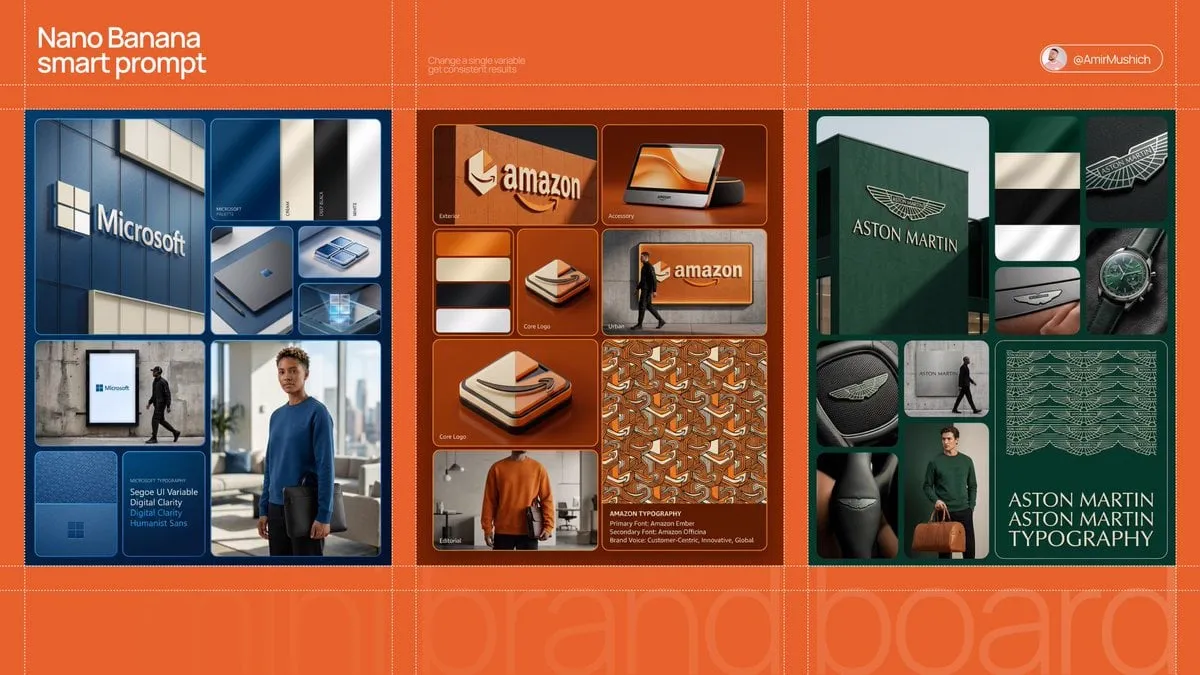
Growth on short-video platforms often comes from series, where viewers return because they recognize the format. Consistency is what turns a single viral clip into a following. Consistent visual identity, recurring openers, and a stable structure make your content recognizable in the feed.
Maintaining a consistent look across many videos becomes much easier with tools that carry a character or style reference. Instead of re-describing your lead on every video, you lock the look once and reuse it. This is especially valuable for animated or generated content, where a drifting character between episodes breaks the trust that a series depends on.
A predictable format is not boring; it is branding. Viewers subscribe to the expectation that your videos will feel the same and deliver the same kind of value.
The role of sound and music
Audio is half of short-form success, and the right track can do more than visuals to drive reach. Trending songs and sounds carry discoverability, because platforms surface clips using them. Using a track early in its trend cycle can ride the surge before it peaks.
Beyond pick-the-trendy-song, think about rhythm. The video should hit marks on the beat so that cuts, reveals, and emphasis align with the music. Sync feels professional and keeps the viewer's attention locked to the flow. An off-beat edit reads as amateur even when the visuals are fine.
For generated or voiceover-heavy content, clarity of speech matters hugely. Keep the narration front and centered, let the music sit underneath it, and avoid burying the message in layers of sound.
Choosing the right tool for each job
Not every piece of short-form content needs the same tool. Different moments call for different strengths. A tool that is great at animating a still photo may not be the best for generating a complex crowd scene, and a tool that excels at moody cinematic shots may be overkill for a quick explainer.
Think of your toolkit as a set of specialists rather than one universal hammer. Reserve the premium, slower, higher quality option for the hero shots that carry the video, and use a faster, lighter option for transitions and filler so you iterate quickly. This division maintains speed without sacrificing the moments that define the piece.
Keeping pace with trends without losing your angle
Trends move fast, and there is real pressure to chase every one. The creators who last are those who filter trends through a personal angle rather than copying them wholesale. A trend is a format or a sound; your angle is what makes it yours.
Decide in advance what you will and will not do. Refuse to chase trends outside your niche just because they are large. When you do ride a trend, add the wrinkle only you would add. That is how a trend builds your brand instead of just borrowing its reach.
A repeatable production loop
To produce consistently, build a simple loop you can run without overthinking:
- spot one idea that fits your angle and is timely;
- write the hook line and the structure on a card;
- lock the character or style reference;
- choose a track and map the beats to the music;
- generate and edit quickly, then review against the opening test;
- publish, track retention, and carry one lesson into the next video.
Running this loop a few times a week compounds much faster than occasional, polished, lengthy productions. Volume, tempered by a consistent format, is the strongest growth lever available.
Measuring what mattered
Watch hourly and daily retention, not just total views. The graph shows exactly where attention dies. If most viewers leave at two seconds, the hook failed. If they leave at the midpoint, the structure lagged. If they leave at the very end, the payoff or close was weak.
Improve one thing per video instead of overhauling everything. Over a month, a series of small fixes compounds into noticeably stronger retention and reach.
Viral success is not luck; it is a repeatable design process. The opening hooks in the first seconds, the structure keeps the promise, and the audio and consistent visuals make it feel worth sharing. Master those layers, keep your output fast and consistent, and the algorithms will start doing much of the work for you.
Reading your platform's signals
Different platforms surface content in subtly different ways, and a small amount of signal literacy goes a long way. On TikTok, discovery leans heavily on how quickly a viewer watches to the end and then watches again or interacts. On Instagram Reels, shares and saves carry particular weight, so content designed to be rewatched or used as a reference tends to travel well.
Rather than memorize every update, build one habit: watch your own retention graphs after each upload and connect them to the choices you made. When a video with a fast cold-open outperforms one with a slow setup, that is a data point you can act on. Over a few weeks of consistent publishing, the platform's preferences for your niche become clear, and you stop guessing and start designing for the behavior you actually see.
The value of a content calendar that plans trends
Trends on short-form platforms rotate faster than most people can react to in the moment, which is exactly why a lightweight calendar helps. Reserve a little time each week to scan what is emerging, note the sounds and formats that are climbing, and block out a few slots for producing timely responses while your other content runs on autopilot.
The goal is not to chase everything; the goal is to be ready for the trends that fit your angle. When you already know your next few ideas and have a workflow to produce them quickly, a sudden trend is an opportunity rather than a panic. A calendar turns a chaotic, reactive process into a calm, repeatable one, and that calm is what lets you make good choices under pressure.
Companion content and cross-posting with intent
Short clips rarely do their best on one platform alone. A single strong idea can be cut or reformatted for TikTok, Reels, and a channel's short section, with slightly different openings or captions to serve each audience. Cross-posting with intent, rather than blind reposting, multiplies the reach of one idea with almost no extra creative cost.
Adapt the hook to each platform and adjust the caption to the audience. A moment that works as a silent visual on one feed may need a caption-first approach on another. When you design one core idea and deliberately reshape it for each surface, you practice the platform literacy that separates occasional posters from creators whose reach compounds.
Avoiding burnout while staying consistent
Consistency is the strongest growth lever, but it only works if you can sustain it, and sustainability depends on a realistic system. Set a volume you can hold for months, not a burst you cannot repeat. Build templates and a reusable workflow so the cost per video drops over time. Allow yourself to batch produce on high-energy days and schedule the output across low-energy ones.
The creators who last are not necessarily the most talented; they are the ones who found a pace they could keep. When the system is gentle enough to repeat, consistency happens almost on its own, and the algorithm rewards exactly that steady, recognizable presence. Volume, disciplined by a sustainable rhythm, is what turns short-term wins into a lasting creative practice.
The final habit worth building
Underneath all the mechanics is a single habit that holds the rest together: shipping regularly and reviewing honestly. The creators who grow are not the ones who nail every upload; they are the ones who keep testing, keep learning from the retention graph, and keep one foot in improvement while the other keeps producing. That loop of make, measure, and adjust is what compounds over months into a visible following.
So keep the toolkit, the structure, and the consistency, but above all hold the rhythm. Decide on a pace you can keep, protect the opening seconds of every video, and treat each upload as one more rep in a practice that is always getting stronger.
