
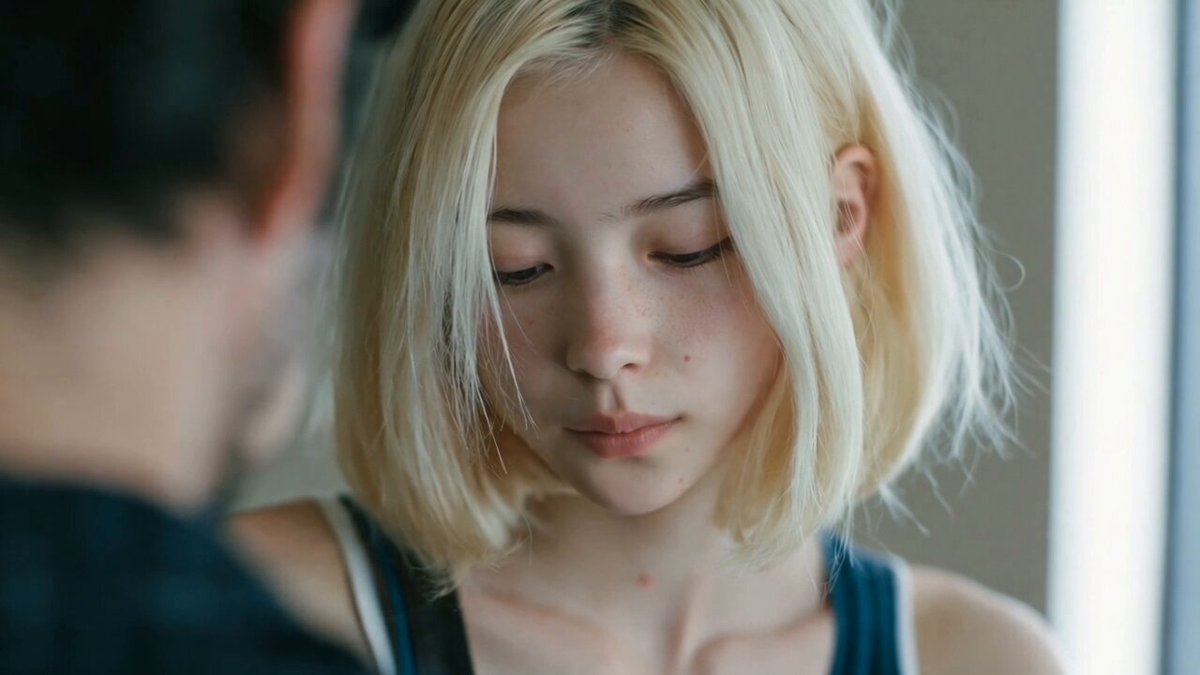
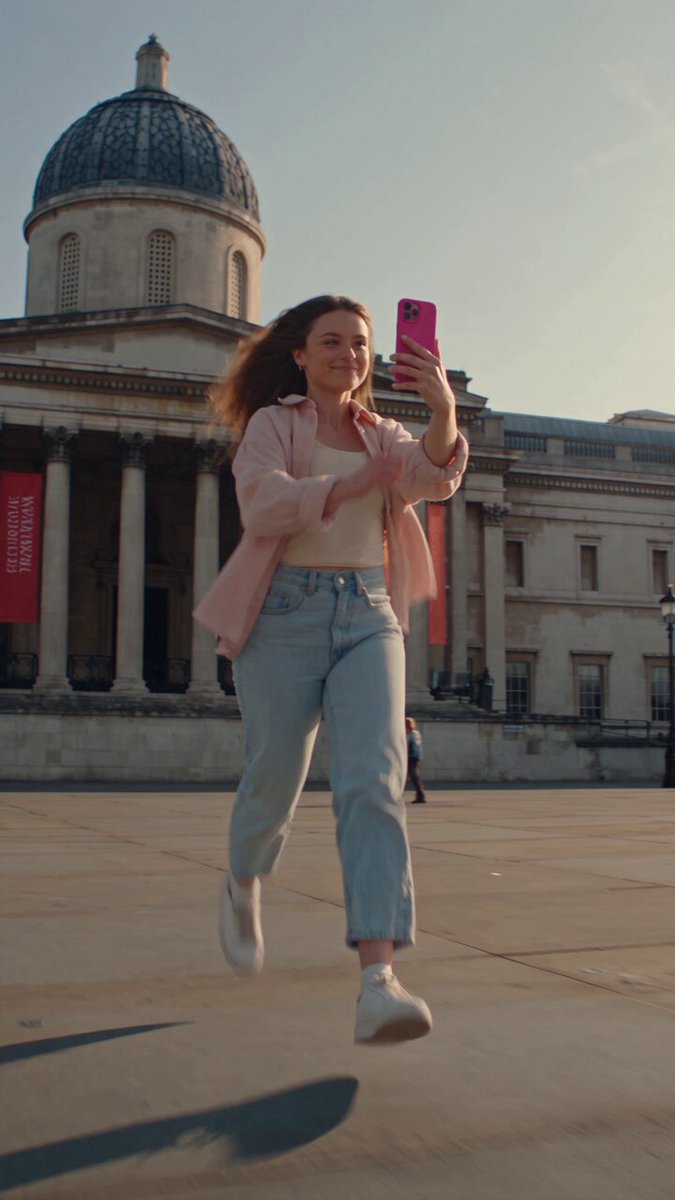
The way we produce moving images has changed faster in the last couple of years than in the previous two decades combined. What used to demand a full camera crew, expensive equipment and weeks of editing can now be started from a single written sentence. AI art-to-video tools have moved from experimental curiosities to serious production instruments, and understanding how they work, what they can do and where their limits lie is becoming a core skill for creators, designers and studios of every size.
The shift from static images to moving pictures
For years, AI image generation was the center of attention. Text-to-image models learned to paint anything you could describe, and suddenly concepts like style, lighting and composition became parameters you could type. But an image captures only a moment. Stories need motion, and motion is where the real emotional weight lives. The next phase of this evolution is AI art-to-video: turning a single image, a set of references or a brief paragraph into a moving sequence that maintains a consistent look across many frames.
This shift matters because it changes the economics of production. A boutique studio can now produce motion assets that previously required a large budget, and an individual creator can experiment with cinematic ideas that would once have been out of reach. The bottleneck is no longer equipment. It is the quality of the prompt, the skill of the editing and the strength of the underlying idea.
What AI art-to-video models actually do
At the heart of these systems are diffusion-based models that learn to generate video by denoising random visual noise into coherent scenes. They are trained on enormous datasets of images and clips, and they learn statistical relationships between concepts, objects, motion and time. When you give them a prompt, they try to assemble a sequence that fits both what you asked for and what they have learned about how the world looks and moves.
The most striking recent progress is in temporal consistency. Older models could produce a convincing still but would quickly lose control of the subject once things started moving, warping faces and morphing objects from frame to frame. Newer approaches maintain context across dozens of frames, which is what makes a character's face, hair and clothing stay stable. This unlocks storytelling: you can build a scene, keep a protagonist recognizable and guide the audience through a narrative rather than just a single mood.
Key capabilities that changed filmmaking
Several capabilities matured at the same time. First, character and scene consistency now allows a subject to persist from shot to shot. Second, camera control gives authors the ability to specify angles, pans, zooms and framing rather than leaving the motion to chance. Third, temporal editing lets you adjust what happens at the start and end of a clip, which is essential for stitching pieces into a coherent timeline.
Prompts have also become richer. Detail such as lighting, lens, film stock, movement qualities and atmosphere all influence the result. The better you can describe what you want, the closer the output gets to your intention. This is why prompt engineering is not a hype phrase; it is a practical craft that separates average results from professional ones.
Introducing Haiper AI and what makes it interesting
Among the models gaining attention, Haiper AI has carved out a niche focused on producing cinematic, character-driven results with strong fidelity to the source material. It is frequently discussed for its ability to start from a reference image and animate it into a scene that keeps the subject recognizable while introducing natural motion. For designers and filmmakers, that bridge between a careful still and a living shot is extremely valuable.
Haiper is not alone. The broader category of art-to-video tools includes everything from short, punchy motion clips to longer, more narrative-friendly generations. What matters is understanding which tool fits which job. A brand that needs a six-second atmospheric transition has different needs from a studio that wants to animate a character across a thirty-second narrative, and the right model is the one that matches the task, the schedule and the budget.
Choosing the right tool for the job
There is no single best AI video model, because there is no single job to do. The practical approach is to build a small set of criteria and test candidates against them. The most important criteria are character consistency, motion quality, resolution, control over the first and last frames, and how easily the tool fits into your existing editing pipeline.
Cost is a real factor too. Generations consume significant compute, and different tools price their output differently. A smart workflow rarely uses one model for everything. It might use a fast, affordable model for brainstorming and rough cuts, and a premium one for the hero shots that go at the center of a campaign. Learning to route different parts of a production to appropriate tools is exactly what separates amateurs from efficient operators.
A practical evaluation workflow
Start by defining the exact shot you need: subject, action, duration, camera movement and mood. Then write a precise prompt with those details. Generate a short test with each candidate and compare the results side by side. Pay attention to small details like hands, reflections and how the subject moves, because those are where models still struggle. Keep a log of which prompts and models produce which results, so you build a reusable reference library instead of starting from scratch every time.
The human role in an automated pipeline
It would be a mistake to imagine that AI video tools remove the need for human judgment. In fact, they make editorial judgment more important, not less. A model can produce a thousand variations of a shot in an afternoon, but only a person with taste and a clear brief can decide which variation serves the story. Direction, timing, pacing and emotional tone all remain human responsibilities.
Art direction also becomes a matter of curation. You are no longer limited by what your hands can paint or your camera can capture; you are limited by what you can imagine and choose. The creator becomes a selector and an editor, working alongside the model rather than being replaced by it. That shift in role is empowering for many people and disorienting for others, but it is the direction the craft is going.
Practical ideas for using art-to-video today
For marketing teams, AI art-to-video is useful for producing product teasers, background b-roll and social clips at a scale that would be too expensive to shoot. Short-form platforms reward volume and variety, and being able to generate several on-brand clips quickly is a genuine advantage. Keep the results on brand by using consistent references and a style guide embedded in your prompts.
For filmmakers and designers, the fastest wins come from concept work. You can explore a visual idea, test a color palette or block out a scene before committing to a full production. Storyboards can be animated to feel more alive, and directors can communicate a feeling to a client more effectively with a moving draft than with static drawings.
For educators and tutorial creators, art-to-video can turn abstract concepts into short, moving illustrations. Things like physical processes, historical reconstructions or hypothetical scenarios become easier to explain when you can show a dynamic version of them. The keyword is support: these tools are great at adding a visual layer, but they still need careful narration and editing to teach well.
How different professionals use these tools
A good way to internalize the possibilities is to look at how specific roles apply them. A brand designer uses them to animate a logo or bring a campaign illustration to life. A social media manager uses them to keep a stream of short clips flowing without a production calendar. A documentary creator uses them to visualize a place that no longer exists or a process that cannot be filmed directly. A game studio uses them to prototype environments and character reveals before committing to full 3D assets.
In every case there is a pattern: the professional defines a clear, bounded task, prepares references, and treats the model as an unhinged but fast collaborator that must be guided, reviewed and heavily edited. The roles differ in what they emphasize, but not in the core workflow of brief, generate, curate and refine. Once you internalize that loop, almost any creative project can adopt some form of generative video assistance.
Where quality still needs attention
Even the best current models have weak spots, and knowing them saves you frustration. Hands remain one of the hardest details for AI to render reliably, so plan shots so that clear hand movements are not a critical requirement. Complex multi-character interactions still trip many models up, as do fast, chaotic motion and anything that requires strict physics. Text rendered inside a scene is another recurring source of errors.
The practical workaround is to design your shots around strengths. If a model struggles with something in particular, either compose around it, use a different model for that part, or fix it in post-production. Treat the model's output as a high-quality starting point rather than a finished master, and leave room in your schedule for cleanup and refinement.
Common mistakes and how to avoid them
The most common mistake is overpromising the result and underplanning the prompt. If you type two vague words and hope for a masterpiece, you will be disappointed. Take time to describe your subject, the action, the mood and the technical look. A thoughtful prompt is worth far more than a hundred rushed attempts.
Another mistake is ignoring consistency. If you animate a character in one video and a completely different version of the same character in the next, your audience will notice and lose trust. Use reference images and keep notes about your character's defining features, clothing and palette. Consistency turns pleasing random clip generation into a coherent brand of work.
A third common trap is production without purpose. Generating dozens of clips because you can is a waste of time and compute. Start from the story and the goal, then route the tools toward that target. Always ask what the clip is for before you spend energy generating it.
Balancing experimentation and reliability
Early adopters get the creative thrill of new capabilities, but they also absorb the instability of tools that are still improving. The mature strategy is to keep a stable, predictable core in your workflow and reserve a separate sandbox for experimentation. Use reliable models for work that must ship on time, and use experimental ones to discover ideas that could become the next signature move for your brand.
Budget for failure. Some percentage of generations will simply not work, and that is not a sign that you are doing something wrong. It is the normal economics of generative media. Build enough iterations into your plan that the occasional miss does not derail the whole project, and keep your best prompts organized so that reproducibility climbs over time.
Frequently asked questions
Can AI art-to-video replace traditional filmmaking? Not entirely. It is excellent for stylized, generative and concept work, but many real-world productions still need actual footage, actors and physical environments. The two approaches complement each other.
How long can generated clips be? It varies by tool and model. Many are best suited to short clips, while some can handle longer and more narrative sequences. Match the tool to the shot you need.
Is my content safe with these tools? Understand the terms of each platform. If you use reference images of real people or owned assets, review the rights and permissions involved before publishing.
Do I need to be a designer to use these tools? A basic sense of composition, lighting and timing helps a lot, but a clear brief and strong prompts can carry you far. Taste improves with practice.
AI art-to-video is firmly in the category of tools that reward preparation and punish laziness. The models have matured to the point where they deserve a serious place in professional workflows, whether you are making marketing clips, concept art, educational animations or experimental short films. Learn what each tool does well, build a rigorous prompt practice, keep consistency at the center of your approach and remember that the human editor still chooses the final frame. That combination is the fastest route from watching these tools from the sidelines to putting them to genuine creative use.
