

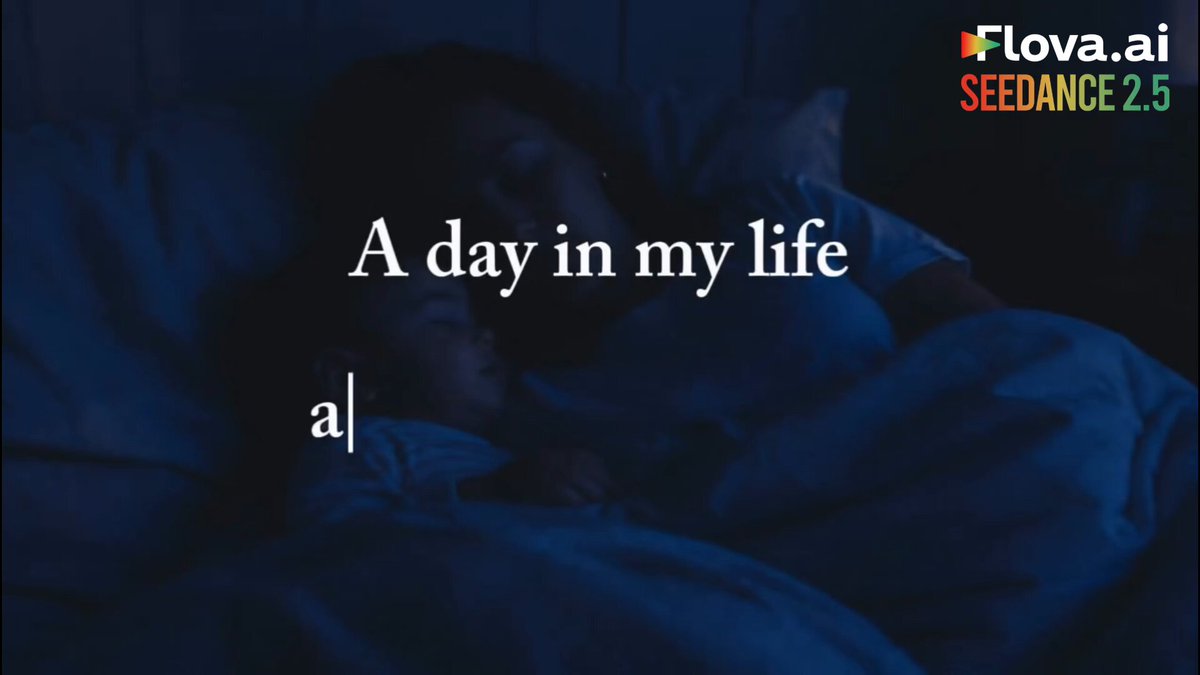
Short-form video has stopped being a nice-to-have. For creators, brands, and small marketing teams, the fifteen-to-sixty-second clip is now the single most efficient way to reach a new audience. The problem is no longer a shortage of ideas but a shortage of sustainable time and a shortage of discipline. Producing one scroll-stopping Reel is a win. Producing one every day, while keeping quality high and burnout low, is a completely different machine.
That is where generative AI has moved from a gimmick to the backbone of modern short-video production. Tools that can turn a sentence into a cinematic sequence, hold a character's face steady across many cuts, and generate consistent scene coverage make virality a repeatable process rather than a lucky accident. This guide walks through the practical playbook: how to plan a viral Reel, which AI workflows carry the most leverage, how to feed the algorithm, and how to build the whole thing without tripping over the usual quality and cost traps.
Why Short Video Is Where Attention Actually Is
Before touching any tool, it helps to be honest about the medium. Platforms like Instagram Reels, YouTube Shorts, and TikTok reward one thing above almost everything else: retained attention in the first three seconds. If a viewer swipes away before the hook, nothing else you produced matters. Everything downstream — likes, shares, saves, follows — only matters if the first frames earn a second and third second of interest.
Long-form content tells a story slowly. Short-form content must compress the opening conflict, the emotional shift, and the payoff into a window shorter than a typical commercial break. AI helps because it removes the friction between the idea and the first draft of the visual. Instead of spending an afternoon animating a concept, you can describe the shot and see a usable version in minutes. That speed lets you test multiple hooks and multiple visual treatments against each other instead of committing to one.
The economics work in the same direction. A team that can ship three tested Reels in the time it used to take to produce one is effectively three teams. For solo creators, AI closes the gap against studios with budgets; for studios, it raises the throughput ceiling. Speed is the competitive advantage, and AI is the speed lever.
Planning a Reel That Earns Its First Three Seconds
Viral short video rarely begins with the render. It begins with a decision about the hook and the payoff. When you plan manually you tend to build the video and then guess at the caption. When you plan for virality, you define the desired emotional reaction first and then engineer every second to produce it.
Start with the payoff. What do you want the viewer to feel or know at the end of the clip? Excitement, surprise, a practical takeaway, a laugh, or a reason to save the post for later. The most shareable Reels deliver a single, unmistakable moment — a transformation, a reveal, a contrast, or an outcome — that a viewer can describe to a friend in one sentence.
From that payoff, design the hook. The best hooks are often promises: "I fixed this in ten seconds," "Nobody talks about this problem," or "Watch what happens when I try this." The hook states the gap between where the viewer is now and where they could be, which creates just enough tension to stop the scroll.
Then sketch the sequence — not a storyboard in the film-school sense, but three or four beats: hook, context, action, payoff. Keeping the skeleton short forces you to eliminate anything that does not move the clip forward. This trim discipline is exactly where AI generation pays off, because you can cheaply iterate on the visual execution of each beat rather than staying locked to a single rigid render.
Turning a Text Idea Into a Cinematic Scene
The core of the AI workflow is text-to-video generation. You write a prompt describing the shot, and a model produces moving images. The skill is in prompting like a cinematographer rather than like a chatbot. Generic prompts produce generic video. Prompts that specify camera, lighting, subject behavior, and pacing produce footage that feels directed.
Build a shot prompt from four ingredients. First, the subject and what they are doing, stated as specific action rather than a mood. Second, the camera: whether it is a slow push-in, a dramatic dutch angle, a handheld follow, or a drone reveal. Third, the environment and lighting: time of day, weather, indoor or outdoor, high-key or moody. Fourth, the style reference: photoreal, film grain, anime, cinematic color grade. Naming the style anchors the model so the output does not drift into a generic default.
Keep the shot list small. A short Reel needs maybe four to eight distinct shots. Each shot gets its own prompt, and the combination of shots is what reads as intentional filmmaking. The same model that impresses on a single prompt will produce flat results if you ask for a thirty-second monotone sequence in one go, so segment the work and treat each clip as a building block.
Keeping Characters and Style Consistent Across Cuts
Consistency is the fastest tell that a video is AI-generated slop — or, done right, the reason an AI series looks professional. When a character's face changes between shots or the color grade shifts wildly, viewers lose trust and scroll away. Consistency is also the hardest technical problem, because a new generation starts fresh each time unless you give the model something to anchor to.
The practical answer is reference-based generation. Instead of generating the character from text every time, you provide the model with reference images of the character or the scene and ask it to preserve those elements. This is often called multi-image fusion: combining a character reference, a style reference, and your text prompt into one stable output. The more reference material you feed the model, the less room it has to invent details on its own.
This matters most for serial content. If you are producing an ongoing character-driven series — a recurring host, an animated mascot, a brand spokesperson — every episode has to look like the same world. A few locked reference images, reused consistently, create the impression of a real production running on schedule. The viewers do not need to know about the technique; they just need to feel that the character is reliable.
For style, keep a short library of reference stills and reuse them across all episodes of a series. Locking the palette and lighting once saves enormous rework later, because you are no longer describing "warm and cozy" differently in every episode and hoping the model agrees with itself.
Audio and Rhythm: The Hidden Half of the Reel
Many new AI creators obsess over visuals and forget that most people watch short video with the sound on but with split attention. Audio carries emotion, comedic timing, and narrative clarity. A clip with a weak soundtrack and flat pacing can bury an otherwise great visual.
Think about music as an editing constraint. The beat structure of a strong track gives you natural edit points. Cut the visual on the beat and the Reel feels fast and intentional even with simple footage. When you are assembling AI clips, choose a track early in the process so you can match shot lengths to musical phrases instead of trying to force music afterward.
Voiceover and dialogue are equally important. AI-generated narration has become remarkably natural, and it lets a small team add a human voice to every clip without booking a studio. For educational and "process" Reels, a clear voice track is often the difference between an entertaining clip and a useful one that viewers save. Pair the narration with on-screen text so the message survives even for viewers watching muted.
Subtitles deserve special attention. Auto-generated captions that sync to speech dramatically lift completion and watch time, and they improve accessibility. Many short-video platforms do their own captioning, but producing accurate captions in your editing pass gives you control over styling, emphasis, and keyword placement.
Feeding the Algorithm Without Chasing Ghosts
Algorithms change, but the underlying signals do not shift as fast as people fear. Platforms reward content that keeps people watching, that earns comments and shares, and that gets saved. Every element of the Reel should nudge at least one of those signals.
Structure for completion. The classic trick is the open loop: present a question or a mystery in the hook and resolve it only at the end, so the viewer stays to close the loop. Hooks that promise a result and deliver it visibly improve completion rates, and completion is the strongest ranking input for short-form distribution.
Earn saves and shares. Saves come from utility — a checklist, a recipe, a before-and-after, a set of steps a viewer wants to return to. Shares come from feeling: humor, relatability, outrage, or triumph. Decide which of these the Reel is designed for and write the caption to reinforce it. A Reel can be optimized for both, but it should clearly be built for one primary reaction.
Captions and metadata matter more than casual creators assume. A specific, searchable caption and a strong title help the platform understand the topic and route it to interested viewers. Including the platform in other communities, responding to early comments quickly, and posting at a time your audience is active all contribute to the initial velocity that decides how widely a clip is promoted.
Keep the cadence realistic. Because platform growth favors consistency, a predictable posting schedule usually outperforms a single brilliant post followed by silence. AI makes consistency achievable, so treat the output quota as part of the strategy rather than an afterthought.
Building a Repeatable Production Loop
The difference between a one-off experiment and an actual content engine is a repeatable loop. Define the loop once and every episode gets cheaper and more predictable.
A reliable short-video loop has five stages. Research picks the topic and the hook. Planning fixes the payoff and the three-four beat skeleton. Generation produces the shots using consistent references. Assembly cuts the clips to music or narration, lays in captions, and exports for the platform. Distribution schedules the post, monitors the early response, and feeds the learnings back into research.
Automation removes the repetitive moves. Batch your prompts: if you are making a series, write all the episode hooks at once, then generate all the visuals in a batch, then assemble them together. Batching compounds the AI speed advantage and keeps you from drifting out of a creative headspace into one-off tool fiddling.
Build a reference library as a team asset. Save the character images, style stills, and track favorites that worked, so the next episode starts from a known good state instead of a blank page. Over a few weeks this library becomes your competitive moat: a consistent look and voice that other people cannot easily copy.
The loop only improves if you measure. Track watch-through, average view duration, saves per impression, and follow-through per impression. Do not chase vanity like raw likes. Identify which hook or structure produced the best retention and make that your next episode's baseline. This feedback loop is what separates a lucky viral moment from a repeatable distribution system.
Common Mistakes and How to Avoid Them
The most common failure is scope creep. A new AI creator starts with grand thirty-second multi-scene ambitions, burns hours on a single clip, and then gives up. The fix is to ship small and iterate. A tight eight-second clip with one clean idea will outperform a sprawling thirty-second clip that never quite lands.
The second failure is inconsistency. Generating every shot from scratch with different prompts produces a patchwork that reads as low quality. Reuse references, lock your style, and treat visual consistency as a non-negotiable rather than a nice-to-have.
The third failure is ignoring audio. A great visual with sloppy pacing or no soundtrack feels unfinished. Budget real time for music selection, voice, and captions, because these are what make a clip feel professional to a regular viewer.
The fourth failure is treating virality as pure luck. Algorithms are not random; they respond to retention and engagement. By designing for completion, saves, and shares, you convert a lottery approach into a deliberate, testable process.
Questions People Ask About AI Short-Form Video
Can AI-generated Reels actually rank and go viral?
Yes, as long as the content is genuinely engaging. Platforms reward retention and engagement regardless of whether a human or an AI rendered the frames. The distribution system does not punish AI output; it punishes boring output.
Do I need expensive hardware or a big budget?
No. Modern AI generation runs in the cloud, which means a decent laptop and a browser are enough for most projects. The main costs are a subscription or per-generation fees and your time. Start with the smallest plan that produces usable drafts.
How do I make a character look the same in every clip?
Use reference-based generation. Provide the model with one or more images of the character or style and reuse them across every shot and episode. The more consistent your references, the more stable the character renders.
Is AI video production suitable for a regular posting schedule?
This is where AI shines. The same pipeline that produces one Reel can produce several on a schedule, especially when you batch prompts and reuse references. Consistency of output is the entire point of building a repeatable loop.
Should I worry about replacing human editors?
AI is better seen as an accelerator for a human creative director than as an outright replacement. The human still decides the payoff, the hook, the style, and the message. AI removes the labor of rendering and assembly so the human can spend more time on ideas and iteration.
The Bottom Line
Virality in short video is not magic, and it is not luck either. It is the intersection of a compelling hook, a fast production loop, consistent visual identity, and platform-aware distribution. AI collapses the production time and cost that used to make daily short-form output impossible for anyone outside a full-time team, which turns a hit-or-miss hobby into a manageable, repeatable system.
Start smaller than feels comfortable. Pick one idea, define the payoff in one sentence, prompt a handful of consistent shots, cut them to a strong track, and publish. Measure how the first three seconds performed and use that data on the next clip. Over a few weeks of deliberate iteration, the difference between the clips that stalled and the clips that traveled becomes obvious — and that learning curve, accelerated by AI, is what turns casual posting into a genuine short-video channel.
