


Turning plain text into motion
The idea that you can type a few sentences and watch them become moving footage still feels like a small miracle. Yet text-to-video is a working reality, and it has dramatically lowered the barrier between a creative impulse and a finished-looking clip. Whether your goal is a product idea, a quick social post, or an experimental art piece, the path from words to pictures is now something anyone can walk.
It is important to be honest about what this craft requires. The tools do a great deal, but the results you see on capable creators' feeds come from deliberate work: clean prompts, careful references, consistent character control, and thoughtful assembly. This guide treats text-to-video as a real skill and gives you the steps to move from a rough idea to a polished, shareable piece.
Think of the text you write as the film script for a tiny production. Everything the model will render depends on how clearly you set the scene, cast the character, and say what happens. Learn to write that text with intention, and the quality of your output rises far faster than buying fancier tools ever will.
Setting a clear goal before you type
Resist the urge to jump straight into typing a prompt. A few quiet minutes of planning save hours of wandering. Decide what the video is for, who will watch it, and what single feeling it should leave them with. Write these down as a one-line goal; it becomes the yardstick against which every result is measured.
Now turn that goal into a brief. The brief names the subject, the action, the setting, and the mood, all in a handful of sentences. Keep it concrete enough to test against. If your brief says »something epic,« push yourself to define what epic looks like here, a sweeping field, a dramatic sky, a lone figure under huge light.
Clarity beats cleverness at every stage. A simple, well-defined idea executed cleanly will outperform a complicated concept that nobody, human or model, can keep straight. If an idea needs three paragraphs to explain, break it into pieces and make the strongest single scene first.
Writing a prompt that respects the model
Most tools accept plain language, but plain language is not always a usable instruction. A strong prompt separates the essential action from the dressing. Begin with the core in the simplest words: who does what, where, and with what feeling. Add the visual setting next, then the light, and finally any style you want. Keep this order logical so the model can follow one idea at a time.
Avoid piling on unrelated requests. A prompt that demands a storm, a chase, a color change, and a dramatic reveal in one sentence tends to produce chaos. Choose the one thing the scene must achieve and protect it from distraction. Small, precise details do more good than ambitious lists.
You can also state what to avoid. Smoothly woven negative notes, such as no text overlay or no extra characters, often tighten results. Test whether your chosen tool honors such clauses, and keep a handful of phrases that work for your usual topics. Reusing reliable phrasing speeds up every future project and keeps a consistent look across your output.
Building a simple, reliable workflow
A dependable workflow keeps you from reinventing the method each time. Sketch it out: plan the brief, write the prompt, generate a rough version, evaluate against the goal, adjust one thing, generate again, then assemble the accepted shots into a final piece. Knowing exactly which step you are on keeps the work calm and productive.
Keep each iteration small. When a result disappoints, change exactly one variable, whether the pose, the lighting, or the phrasing, and test again. This discipline lets you learn precisely what moves the needle for a particular tool. Random large changes rarely teach you anything and often make things worse.
Document what works. A short journal of prompts and outcomes builds a personal playbook over time. When you need a specific mood again, your notes give you a running start instead of a blank page. This small habit turns scattered experiments into a compounding asset that saves you time on every new project.
Holding character and style together
Consistency is the single hardest part of generative video, and it is the difference between amateur attempts and professional results. A character who changes look between shots, drifting hair, shifting clothing, a new palette, quietly destroys a viewer's belief in the piece. Protect identity the way a continuity editor protects a film set.
Bind your visual identity to fixed references. Choose a clear reference for each character and reuse it in every related shot. Repeat the same defining descriptors, such as hair color, build, and outfit, so the model always has stable anchors. The repetition is not redundant; it is what keeps the character recognizable.
Keep environment anchors steady as well. Lock the light direction, color temperature, and lens feel early and carry them across the project. If you deliberately shift the mood, such as toward dusk or into a different room, say so clearly in every relevant prompt. Controlled variables are what convert a stack of generated clips into a single believable scene.
Shaping sound, captions, and the final edit
A video is not finished at the last frame of motion. Sound carries emotion, captions make the message watchable on mute, and the edit sets the pace. Plan these from the start instead of treating them as an add-on. A clean soundtrack and legible captions can lift modest visuals far beyond their raw quality.
Keep scripts short and conversational if you use a voiceover or on-screen text. Review audio carefully with your ears, because synthesized voices can mispronounce or miss nuance. Align captions to a visible timing reference and keep them readable against the background; a warm, legible subtitle set is invisible when done well.
Settle the pacing in the edit. Cut with purpose, let the strongest moment breathe, and end crisply rather than fading into nothing. Watch the finished piece on a couple of devices and check subtitle timing, audio balance, and any awkward transitions. The last careful pass turns a good draft into a confident final product.
Choosing tools without the anxiety of endless options
The market for text-to-video is crowded and fast-moving, which can feel overwhelming. Anchor your choice in your actual use case instead of chasing every announcement. If you need quick social clips, favor speed and ease. If you are making narrative or filmic work, look for stronger consistency controls and higher fidelity rendering.
Think about practical constraints as well. Browser tools lower the barrier to experimenting, while local or higher-end options give more control at the cost of complexity. Beginners usually learn faster on simple interfaces. As your ambitions grow, you can add more capable equipment without discarding the skills you already built.
When comparing options, run the same few prompts across several tools and note how they differ. The same sentence may yield a static close-up in one and a sweeping, emotional scene in another. Knowing your tool's default strengths, realism, style, motion, or speed, shapes the right choice far more than any feature list could.
Troubleshooting without losing patience
The result looks nothing like what I asked for. Strip the prompt back to the core action and add details one at a time. Overstuffed prompts that signal too many things at once are the usual culprit. Rebuild it layer by layer.
My character changes between shots. Reuse the same reference image and repeat identical descriptors of the character, palette, and costume across every related prompt. Keep lighting and camera language consistent for the whole project.
My clips are too short or too simple. Check the real limits of the tool you chose. Many generate brief clips by design, so plan your story in segments and combine them during editing. Longer work may call for a more capable renderer.
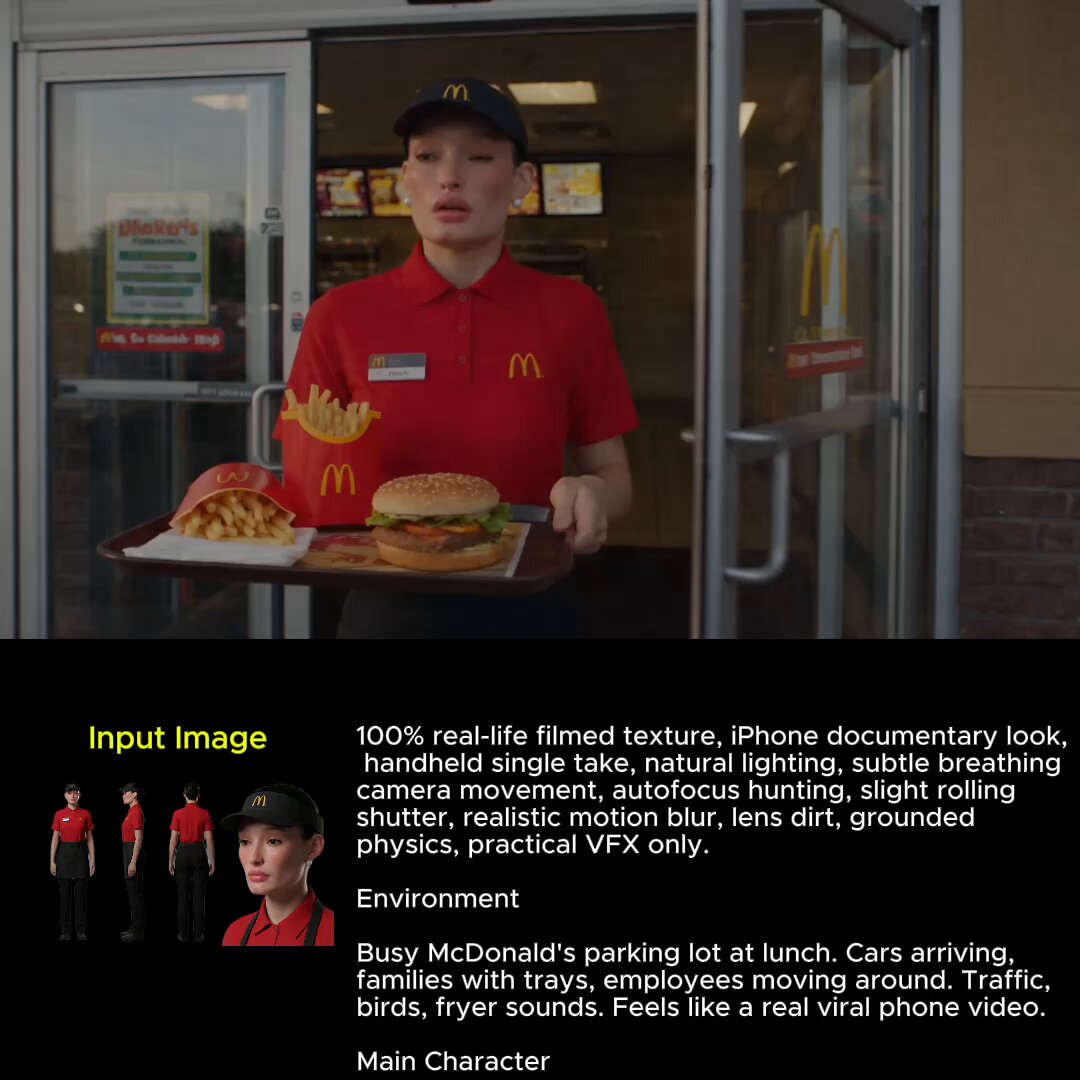
Words cannot quite capture the picture I have in mind. Give the tool a reference image. A clear photo or a rough composition often communicates your intent faster than any sentence, bridging the gap between your idea and the model's understanding.
Responsible creation while having fun
Every impressive technique carries responsibility. When your characters resemble real people, or you build scenes that could be mistaken for reality, be clear and honest about what you made. Labeling rendered content and gaining consent for real faces protects everyone and keeps the creative space enjoyable.
Avoid deceptive uses that could mislead or harm. The same tools that delight an audience can, in careless hands, erode trust. Choose to make content that celebrates creativity, connection, and playful possibility rather than anything that manipulates or confuses. Your standards here define your reputation as much as your output does.
Remember the human reason fans watch: the emotion, the story, the surprise. Keep your storytelling central and let the technology serve it. A technically perfect clip with no feeling is forgettable, while a small, heartfelt moment with modest quality can travel far. Balance craft with heart, and the audience will feel it.
Repurposing your best work
A strong generated sequence can power several deliverables instead of just one. Re-cut the highlight into a short preview for social feeds, produce a vertical variant for stories, and turn the same footage into a longer version with more context. Draft captions once, then adapt them to each platform's tone and length. One finished piece, multiplied across channels, spreads with very little extra effort.
Keep your masters organized and named clearly, and store the prompts and references that produced them. When a clip overperforms, study why: the emotion, the pacing, the hook, all teach you what your audience wants to see next. Repurposing is not busywork; it is how a single good idea keeps paying for itself.
Make a habit of reflecting after each project. Set aside a few minutes before moving on to note what worked, what you would change, and which prompt you would reuse. This small review loop is the engine of lasting improvement. Over time, the difference between a random tinkerer and a disciplined creator becomes visible in the quality and consistency of the work itself.
Finally, allow yourself to play. Not every project must be polished and scheduled; some of the most useful prompts are discovered during open, playful sessions with no deadline. Give yourself the freedom to try a wild idea and let it fail without consequence. These experiments fill your reference library with unexpected options, and the confidence they build carries directly into your serious work.
Final thoughts
Text-to-video has placed an entire small production studio in the hands of anyone with an idea and a willingness to learn. The path from a sentence to a moving story runs through clear goals, disciplined prompts, steady character control, and a thoughtful edit. Master those, and the tools become eager collaborators rather than unpredictable machines.
Start with a single focused idea, run it through the workflow, and accept that the first versions are drafts in service of a better final piece. Document what works, protect consistency, keep sound and captions tidy, and never lose the feeling that makes the story worth telling. Turn your next sentence into motion, and let the craft grow with every clip you finish.
Seek feedback before you publish whenever you can. A few honest eyes, whether a fellow creator or a friend who barely knows the field, catch what enthusiasm within the work you miss. Ask specifically what felt off and what stood out, then use their answers to refine the piece. Constructive feedback is a gift, and weaving it into your process turns every project into both an output and a lesson.
The medium will keep advancing, but the creator who plans, tests, and insists on consistency will always be a step ahead. Make something you are proud of, respect your audience and subjects, and enjoy the quiet magic of watching your own words begin to move.
