
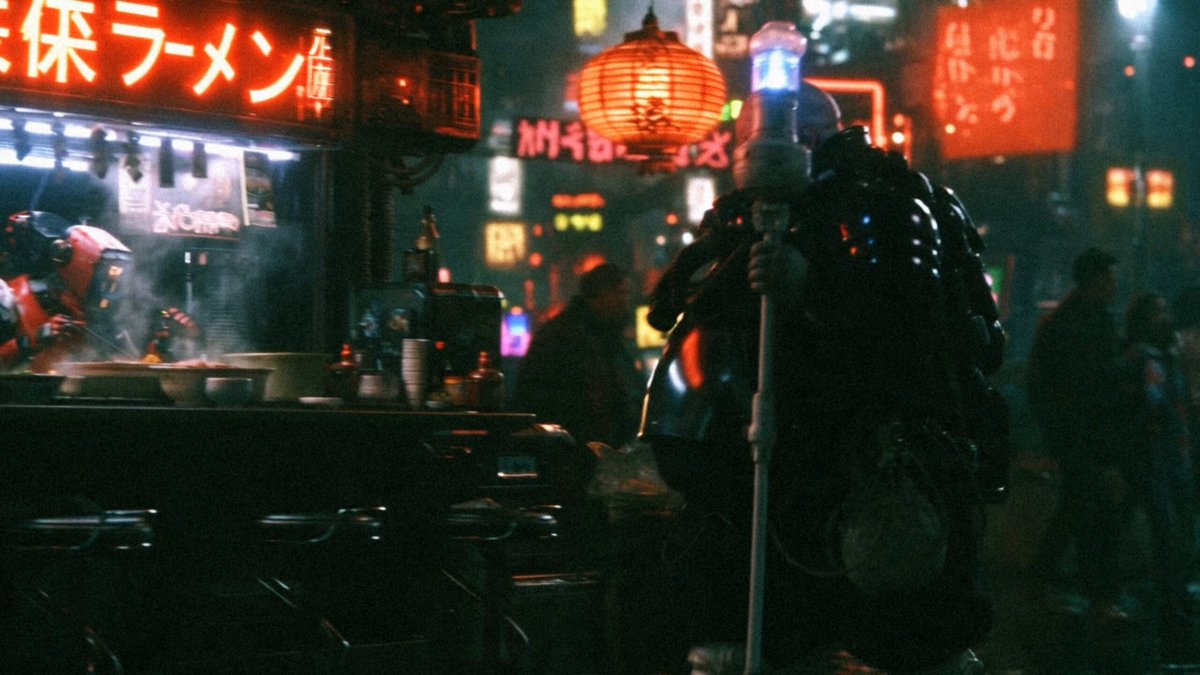
Video creation has moved far beyond the days of importing clips into a timeline and trimming them by hand. Today the most competitive creators, marketers, and small studios lean on AI video editing software to automate the repetitive parts of production so they can spend their energy on story, pacing, and audience. If you have ever stared at dozens of clips knowing you need a finished video by tomorrow, this guide is for you. We will look at what AI video editing really does, how to choose tools and models, how to keep characters and scenes consistent, and how to manage the resources that make the whole pipeline run without grinding to a halt.
What AI video editing software actually does
Before picking a tool, it helps to separate the marketing language from the real capabilities. Modern AI video platforms are not a single magic button. They are a stack of functions that can be switched on and off depending on your project.
Automating the editing timeline
The most obvious win is automatic assembly. Given a script, a set of source clips, or even just a topic, an AI editor can propose a rough cut. It detects the best takes, trims silences, normalizes audio levels, and arranges segments to match a chosen pace. Instead of watching four hours of footage and dragging cuts frame by frame, you review an edit that is already 80 percent of the way there.
Generating footage from text
Text-to-video is the headline feature of the current wave. You describe a scene in plain language and the model produces a short animated shot. This is powerful for projects where you simply do not have the footage: product demos, concept previews, abstract background shots, and transitions between ideas. The key is learning how to write prompts that the model can actually follow, which we will cover in depth below.
Refining what already exists
Not every project starts from nothing. AI tools also repair and enhance existing material. Upscaling low-resolution clips, removing background noise, color grading to a consistent look, and stabilizing shaky handheld footage are all routine tasks that can now be handled automatically. This is where AI editing software pays for itself fastest, because you are improving assets you already own.
Why this matters now
The practical reason for the sudden urgency is volume. Social platforms reward frequent publishing, and short-form video dominates almost every feed. If a creator can produce one video a day instead of one a week, the difference in reach is enormous. AI editing software collapses the production schedule from days to minutes for many common formats.
There is also a quality argument. Consistency is hard to maintain across a large catalog. A single skin tone, a recurring brand color, or a recurring character will drift if every clip is graded and cut by hand. AI automation enforces a uniform style that keeps your channel looking professional even as the volume climbs.
Choosing the right model library
Almost every serious AI video platform routes your work through a library of generation models. Each model has strengths and weaknesses, and the smartest workflow treats model selection as a deliberate decision rather than a default.
Match the model to the shot
Some models are exceptional at photorealistic faces and skin texture. Others specialize in fast, stylized animation that is ideal for explainers and social posts. A slow, high-fidelity model can render a beautiful hero shot but will frustrate you if you need twenty quick takes for a montage. Build a mental map of your library: which models are fast, which are detailed, which handle motion well, and which are best for static or slow-moving subjects.
Keep a shortlist of go-to models
You do not need every model enabled at once. Find two or three that cover your most common needs and become fluent in their prompting quirks. This is faster than constantly switching and gives you a consistent baseline you can compare against when testing new options.
Reroll intelligently
Generative models are stochastic, meaning the same prompt can produce different results. AI platforms usually give you several candidate renders per prompt. Instead of rerolling dozens of times, generate a small batch, pick the strongest, and only refine the ones with real potential. This discipline conserves time and resource budget.
Keeping characters and scenes consistent
The classic weakness of generated video is that a character looks different from shot to shot. Eyes change color, the jacket pattern shifts, the background warps. Solving this is the difference between a professional short film and an obviously AI-generated clip.
Lock a reference image
The most reliable technique is to feed the model a reference image of your character or scene. Multi-image fusion takes one image as the visual anchor and preserves its identity while generating new poses and camera angles. Establish the reference first, then build every shot around it.
Standardize your style description
Consistency also comes from describing style in the same words every time. Write one reusable style block that covers lighting, lens, color palette, and mood, and append it to your prompts. When the model sees the same style language repeatedly, the outputs align far better than when each prompt is written fresh.
Review continuity in sequence
Treat continuity as a separate editing pass. After generating a batch of shots, lay them out in order and check whether the character, wardrobe, and environment match. Fix mismatches before you invest time in the final edit, because small inconsistencies become glaring once the video is cut together.
Managing resources and costs
Automation is wonderful until you realize the bill. Video generation is expensive in compute, and every reroll consumes resources. A little planning goes a long way.
Budget by project value
Not every scene deserves the same investment. Allocate your best, most expensive models to hero moments and let cheaper, faster models carry filler shots. A talking-head segment does not need the same rendering budget as a showpiece product reveal.
Batch your work
Generating in batches is far more efficient than going one at a time. Set up a queue, let it run, and review everything together. This also helps you spot patterns in what the model handles well and where it struggles, so you can refine your approach in bulk rather than one prompt at a time.
Set clear limits
Decide upfront how many rerolls you will allow per shot. Without a limit, "one more try" can spiral into many wasted renders. Give each shot a constrained attempt budget and move on when you hit it. Sometimes the pragmatic choice is to work around a weak shot instead of burning resources fighting it.
A practical step-by-step production workflow
Bringing all of this together, here is a repeatable pipeline that works for most short-form and mid-length video projects.
- Write a tight brief. Start from the goal, not the tool. Define the message, the audience, and the single action you want the viewer to take.
- Build your style kit. Prepare reusable prompt blocks and any reference images for characters or environments.
- Script and storyboard. Outline the shots you need in sequence before generating anything. This prevents wasted renders.
- Generate in batches. Produce candidates for each shot, pick the strongest, and track continuity across the batch.
- Automate the edit. Assemble the clips with an auto-edit pass, then refine pacing, transitions, and music by hand.
- Polish and export. Apply any remaining fixes, normalize audio, add captions, and export in the right format for each platform.
This structure keeps the human in charge of the decisions that matter while letting AI handle the labor. The result is a faster pipeline without sacrificing the creative control that makes your content yours.
Choosing between AI video tools for different jobs
The capabilities of AI editing software are not identical across use cases, and choosing the right kind of tool for your job saves time and money. Understanding the main categories helps you pick deliberately rather than defaulting to the most popular option.
All-in-one platforms
All-in-one platforms bundle text-to-video, image-to-video, editing, and often audio into one interface. These are ideal when speed and convenience matter more than deep control, and when your projects fit a standard format such as social clips or product teasers. The trade-off is that all-in-one services are rarely best-in-class at every single step, but for most creators the convenience outweighs that.
Specialized editors
Dedicated video editors focus on the cutting, trimming, and pacing part of the process. They are the right choice when you already have footage or generated clips and simply need fast, reliable assembly. If your bottleneck is editing rather than generation, a specialized editor gives you the most control over the final result.
Dedicated audio tools
Many projects need a separate pass for voice and music regardless of which video tool you use. Dedicated AI audio tools produce cleaner narration and better-matched background tracks than the bundled options on some platforms. If audio quality is a priority, consider handling it with a dedicated tool and then bringing the finished track back into your video editor.
Post-production enhancers
A final category covers the tools that clean up and polish an almost-final cut: upscaling, noise removal, color correction, and stabilization. These are valuable as a finishing layer on top of whatever editing pipeline you already use. Keep them in your workflow as the last line of defense before export.
How to measure whether AI automation is working
Automation is only worth it if it saves you meaningful time without hurting quality. Set up simple measures so you can tell whether the tools are earning their place in your workflow.
Track time from brief to first draft
Record how long it takes to go from a written brief to a first reviewable draft. This is the number that automation should improve most. If it is not improving after you adopt a tool, either the tool is wrong for your process or your briefs are not specific enough.
Watch your reroll rate
If you are regenerating most shots two or three times, your prompts or model choices are probably not aligned with the task. A persistently high reroll rate signals a fixable inefficiency, usually in prompt specificity or model selection rather than a fault in the tool itself.
Check consistency across a published batch
Review a batch of finished videos for obvious continuity and style breaks. Automation should make consistency better, not worse. If you see drifting characters or clashing looks, add reference-anchoring and reusable style blocks to your routine.
Common mistakes and how to avoid them
Screaming at the model with vague prompts
If a shot comes out wrong, the prompt is usually the problem. Be specific about subject, action, framing, lighting, and duration. Replace "a running dog" with "a golden retriever running toward the camera in a sunny park, low angle, shallow depth of field, three seconds."
Editing before continuity is fixed
Do not assemble the cut until your shots are internally consistent. Fixing a character wardrobe change after the edit is painful. Fixing it before is trivial.
Ignoring audio until the end
Audio is half the video, and it is easy to forget until it becomes a disaster. Plan your music and voiceover timing from the start so the visual edit has something to cut to, rather than retrofitting audio onto finished video.
Letting automation replace judgment
Automation should speed you up, not think for you. The tooling many creators use today is powerful, but the decisions about story, tone, and audience are yours. Treat the AI as a fast assistant and keep editorial control in your own hands.
Frequently asked questions
How much footage do I need before using AI editing software?
That depends on the task. If you are auto-assembling and enhancing, you can bring in whatever source material you have. If you are starting from nothing, text-to-video can generate shots, but you will still write the script and direct the structure.
Do I need to know how to edit video manually first?
A basic understanding of scenes, cuts, and pacing helps enormously, because you still review and approve what the AI produces. But you do not need to be a professional editor to get useful results.
Will my videos look obviously AI-generated?
Good tools plus disciplined prompting and continuity checks produce results that are hard to distinguish from conventionally created footage. The giveaway is almost always inconsistent characters or sloppy motion, both of which you can control.
How much does it cost to run this pipeline?
Costs vary widely by platform and model. The practical answer is to start small, learn which models matter to your niche, and scale up spending only after you see a return on the content.
Getting started today
You do not need to redesign your whole workflow overnight. Pick the single most painful, most repetitive step in your current video process and automate that one first. It might be cutting talking-head silences, generating a repeating background shot, or balancing audio across a batch of clips. Solve that one problem, measure the time saved, and then expand to the next bottleneck. Before long you will have quietly built a production system that turns ideas into finished videos in a fraction of the time it used to take.
The creators who are winning right now are not necessarily the ones with the most expensive tools. They are the ones who have built a repeatable system, learned their models, and reserved their own judgment for the parts that matter. AI video editing software is the lever that makes that possible, and the sooner you start shaping your workflow around it, the sooner the quality and volume of your content will climb together.
