
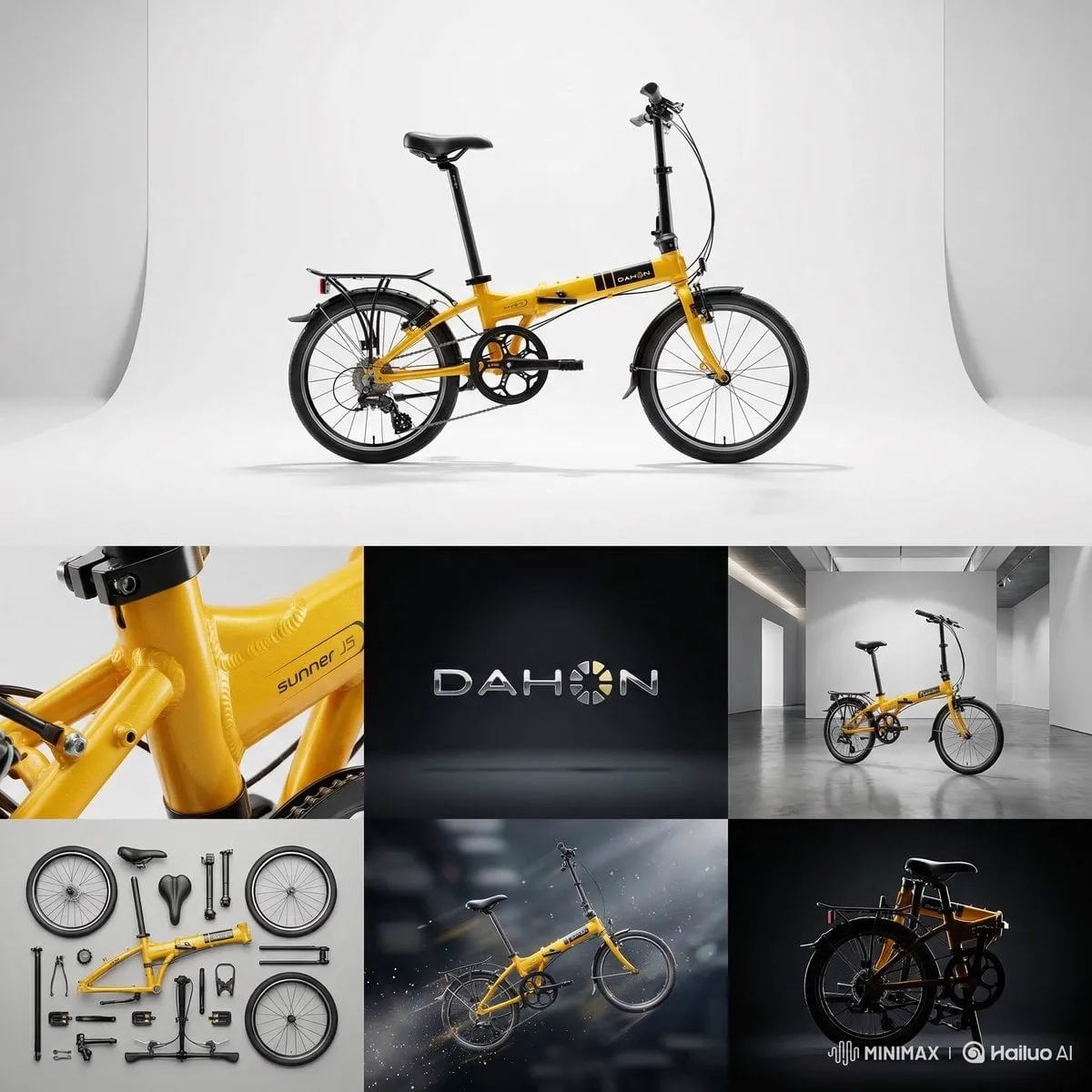
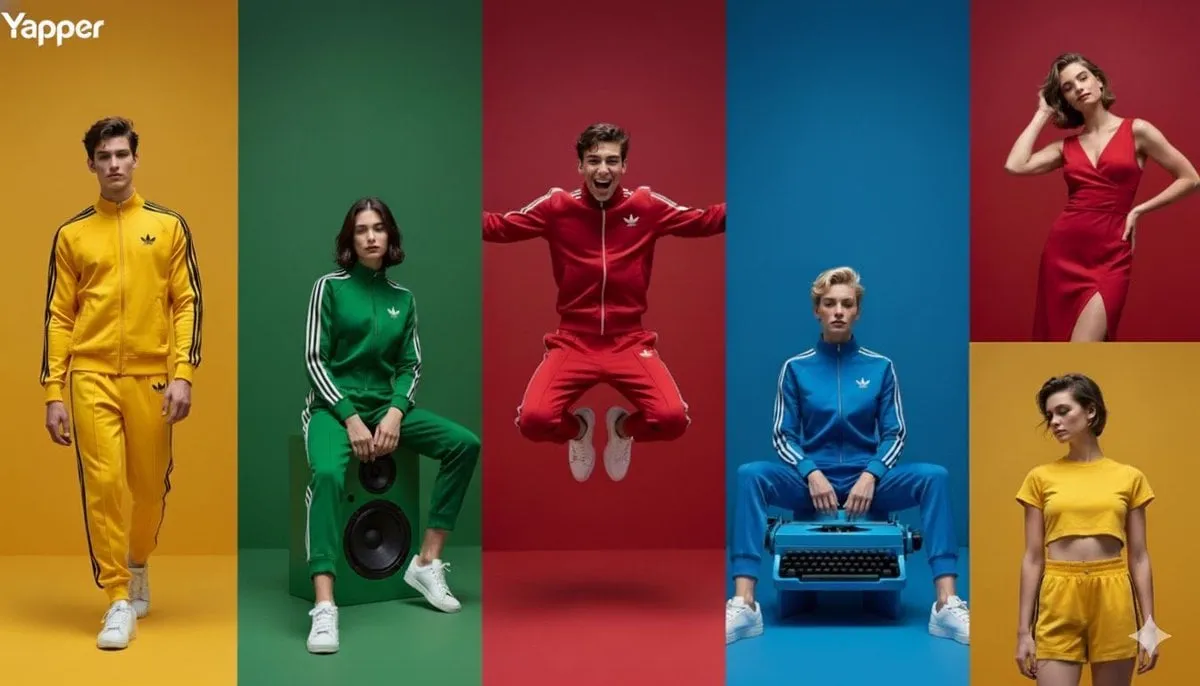

This guide shows you how to use AI to turn raw inspiration into finished videos tuned for YouTube and Instagram. Instead of staring at a blank screen, you learn a repeatable pipeline: surface the topics audiences actually search for, turn a single concept into a short script, keep the same character recognisable across clips, and pick the right generation tool for your budget. By the end you will have a workflow you can reuse for every upload.
The short-form explosion is the reason this matters. Every day, billions of reels, shorts, and vertical clips compete for the same thumbs. The channels that win are rarely the ones with the fanciest cameras; they are the ones that publish consistently with a clear angle. AI compression of that loop means you can idea, write, and preview in hours instead of days.
Think of this guide as a creative assistant rather than a miracle machine. AI will not pick your passion or your voice for you. It will find patterns in trending conversations, propose hooks, draft rough scripts, and keep your visual language from drifting off the rails. You still decide what to say and, more importantly, what not to say.
Why the AI Video Moment Is Here
For a long time, AI video meant novelty clips that looked impressive for two seconds and fell apart on the third. That has changed. Modern models can hold a scene together for longer stretches, respect lighting, and keep a subject roughly consistent from one edit to the next. That shift from 'wow' demos to usable footage is why creators treat these tools as part of the standard kit.
The economics are the quieter story. Shooting, set design, talent, and retakes are expensive. A solo creator can now prototype a concept as a rough animated or cinematic clip, test the reaction, and only invest more if the idea proves itself. This de-risks content strategy: publish cheap experiments, double down on what lands.
Scale goes up along with savings. A team that once produced four polished pieces a month can, with AI assistance, ship a dozen passable ones and then concentrate their best human effort on refining the winners. The bottleneck moves from production labour to taste and consistency.
How Idea Generation Actually Works
Most people start from nothing and ask 'what should I make?' That is the wrong starting point. Begin with demand. AI tools that monitor feeds can surface which topics cluster with high engagement right now, whether in your niche or adjacent to it. These are signals, not commands; you still filter them through your own point of view.
Spotting trending topics
Look for topic clusters rather than single viral posts. A cluster means several creators are covering variations of the same idea and audiences keep responding. That is a healthy sign you can enter the conversation late and still get reach. A single isolated hit, by contrast, is often lightning the next person cannot bottle.
Use AI to expand one seed into many angles. Give the tool a topic like 'morning routines' and ask for ten distinct hooks: a time-lapse behind the scenes, a myth-busting clip, a 'what I wish I knew' list, a comparison of two methods, a one-minute story with a twist. Nine may be forgettable; the tenth can carry you through the week.
Turning an idea into a script
Once you have a hook, the next step is structure. A strong short follows a simple arc: open with a promise or a tension, deliver the substance, end with a takeaway or a call to continue. AI drafts are useful here because they give you options fast, but never publish the first pass. Edit it into your own voice, cut filler, and make every sentence earn its place.
For longer YouTube videos, the same principle scales into segments. Map your video as a sequence of beats, each answering a sub-question from the main title. This keeps viewers from dropping off and gives you a logical place to insert B-roll or examples.
Keeping Your Characters Consistent
Nothing kills immersion faster than a character whose face, wardrobe, or setting changes between scenes. Early AI video struggled here badly. Modern pipelines solve it with multi-image fusion: you establish a reference image of your character, then instruct the model to adhere to that identity across every generation.
The trick is to be explicit. Describe the character once in detail: hair, eye colour, clothing, distinguishing marks, era, mood. Use that same description in every prompt rather than improvising each time. Small deliberate repetitions keep the model anchored.
Consistency as a production habit
Store your character references somewhere you can reuse them. Many creators keep a folder or a saved prompt block they copy into each new project. That small habit pays off across a series, because recognisable characters are what turn one-off clips into a brand audiences follow.
Scene consistency matters too, not just people. If your recurring background is a cafe, a street corner, or a spaceship corridor, keep its lighting and colour palette stable or the viewer will sense something is off without knowing why.
Choosing the Right Generation Tool
Tool choice is a budget and style decision, not a popularity contest. Premium video models such as the Flux series, Runway, and Sora set the benchmark for cinematic realism and complex motion. They suit hero pieces, ads, and anything destined for a big screen or high production polish.
Mixing quality and cost
Not every clip is worth the premium tier. For quick ideation, thumbnail tests, or throwaway transitions, faster and cheaper models such as Pika, Vidu, or Luma's Ray options let you iterate dozens of times for the price of one premium render. Build a two-track strategy: cheap and fast for experimentation, premium for the pieces people will actually remember.
Regional and emerging models
Do not overlook strong tools coming out of different ecosystems, including models like Kling, MiniMax, and Wan. These routinely punch above their weight on specific motion styles, stylisation, and cost, which makes them smart additions to a diverse toolkit rather than one-trick stand-ins.
The honest advice is to avoid marrying yourself to a single vendor. The field moves quickly, and the model that leads this month may fall behind next quarter. Keep your prompts portable and your workflows tool-agnostic so you can swap engines without rebuilding everything.
What to Look For in an Idea Generator
Not every 'AI idea generator' is worth your time. The signal of a good one is not a prettier dashboard; it is whether the suggestions feel grounded in real, searchable intent. The best tools take a broad interest area and narrow it toward questions, phrasings, and formats that audiences actually type into YouTube and search engines.
Search-fuelled suggestions
Tools that borrow from real search data tend to produce ideas with commercial and reach potential baked in, because they are anchored in what people already ask. A suggestion like 'best ways to store sourdough' is far more useful than a generic 'bread video' because it has a predictable audience and a clear promise.
When you evaluate a generator, ask three questions. Does it respect your niche, or does it spray random topics? Can it vary the format so you are not always making listicles? And can you inject your angle, so the ideas feel like yours rather than recycled template thoughts? If the tool scores well on all three, keep it.
Turning weak ideas into strong hooks
A raw idea is a starting stone, not the product. Your job is to sharpen it. Take the topic and force it through a few moves: add a surprise, invert the expectation, narrow the scope, or attach a deadline. 'Meal prep' becomes 'meal prep in twenty minutes with ingredients you already own', which is a far more compelling promise because it is specific, fast, and cheap.
You can run this refinement loop by hand or ask an AI to generate ten hook variants for a single topic. Read them not to copy but to notice the mechanisms: the question, the before-after, the list, the challenge. Once you recognise the patterns, you can generate hooks in your own words rather than leaning on the machine each time.
Scripting for Retention, Not Just Completion
Retention is the metric that tells you whether the story worked. Many creators fixate on views, but a video that is watched all the way through is the one the algorithm and the audience reward repeatedly. Scripting is where you control retention before you ever hit record.
The first ten seconds decide everything
Open with the payoff or the tension, not a greeting. Viewers make an instant judgment, and a slow 'hey guys, welcome back' burns the goodwill you need. State the benefit, raise a question, or show the completed result, then justify how you got there. The rest of the script is effectively evidence supporting the promise your first ten seconds made.
Building a beat sheet
Write a beat sheet before full sentences. Each beat is one idea that moves the viewer one step forward in understanding or emotion. Order them so each beat makes the next one necessary. This is the spine of the video; if the beats are out of order or unrelated, no amount of polished prose will save the structure.
AI is excellent at generating beat sheets quickly because it has absorbed thousands of formats. You then edit the beats to match your topic, audience, and voice. The machine gives you scaffolding; you supply the load-bearing decisions.
Pacing and pauses
Variation in pacing keeps attention alive. A montage of rapid edits, a slower reflective beat, a surprising cut, a deliberate pause before a reveal; these are the texture of good editing. If every second is equally loud or equally dense, the video flattens and viewers tune out. Plan rhythm in the script as an intentional choice.
A Reference Production Pipeline
Here is a concrete sequence you can copy for your next short.
- Capture roughly ten candidate topics from a trend scan.
- Filter those down to the two that feel most aligned with your niche and voice.
- Draft three hooks per topic and pick the strongest one for each.
- Write a short script with an open, a middle, and a payoff.
- Lock a character reference and describe the scene and lighting clearly.
- Generate fast previews with a cheap model; review the story flow.
- Re-render the winning elements with a premium model for final polish.
- Edit to the platform's rhythm, add captions, and publish.
This loop is deliberately short so you can run it weekly without burning out. The goal is steady improvement through repetition, not a single perfect video.
Editing, Captions, and Platform Rhythm
AI generation gets you footage, but editing decides whether anyone watches. Keep edits aligned to the beat and cut ruthlessly in short forms. Captions are not optional on muted-feed platforms; nearly every viewer scrolls with sound off, so on-screen text is your caption.
Adapt length to the platform. Instagram favours tight, hook-first clips, while YouTube rewards context and pacing that rewards views past the first minute. The same core idea can be cut into a vertical short and a longer commentary piece without feeling repetitive because the structure differs.
Mention, when genuinely useful, that pairing a strong tool with careful editing usually outperforms either one alone. The machine proposes; the human decides.
Common Mistakes and How to Avoid Them
Most first AI video attempts fail in predictable ways that have little to do with the tools and everything to do with habits. Recognising these early saves you time and frustration.
The one-model trap
New creators often pick a single popular model and force every project through it. The result is a library of clips that all look the same. Different scenes need different strengths: sweeping environment shots favour one engine, tight character close-ups favour another, and stylised animation suits a third. Build a small rotation and give each model the work it is best at.
Prompt vagueness
Rubbing the prompt together with only 'make a cool video of a city' yields muddled output. If you do not tell the model what time of day, what weather, what camera move, what mood, and what style, it will guess, and its guess usually looks generic. Write prompts the way a director gives notes: specific, sensory, and decisive.
Ignoring the audio
Astonishing visuals collapse under tinny or mismatched audio. Sound design, voice clarity, and music licensing all matter more than the marginal quality difference between two visual models. Audiences forgive imperfect images long before they forgive bad sound.
Publishing without a hook test
Before you commit production effort, test the hook. Paste your title and opening line where people can react, or look at comparable videos' retention. A strong hook is cheaper to fix before you edit the whole piece than after. Let the market help you decide which idea deserves a full render.
Measuring Whether AI Hurts or Helps
It is tempting to chase tool features, but the only metric that matters is your output under the loop. Track simple numbers each week: how many videos you published, how much time each took, and which performed best. If AI is genuinely helping, you should see steady time savings, a higher publish cadence, or better average retention. If you are spending the same hours fighting prompts, the workflow needs rethinking.
A healthy relationship with these tools looks like leverage, not labour. The technology should absorb repetition while you invest the freed time in sharper ideas and more distinctive editing. When the tool becomes a hobby in itself, that is a signal to step back and ask whether it is serving the videos or vice versa.
FAQ
Do I need expensive equipment to use AI video?
No. A laptop and a clear idea are enough to start. Equipment becomes relevant only when you need high-end polish or original footage to blend with generated clips.
Is AI-generated video going to replace creators?
It replaces repetitive production labour, not taste, judgement, or point of view. Creators who treat it as an amplifier, rather than a substitute, tend to keep winning.
How do I avoid my videos looking generic?
Bring a specific perspective, name things precisely, and keep your characters and settings consistent. Generality is what makes AI output feel flat.
Can I really run a two-track model strategy on one budget?
Yes. Reserve premium tier for the moments that matter and default to cheaper, faster generation for exploration. Most creators find this balances quality and cost well.
Final Thoughts
AI removes the grinding parts of the content loop so you can concentrate on the part only you can do: deciding what is worth saying. Start small, run the pipeline weekly, keep your characters consistent, and treat tool selection as a rotating decision rather than a lifelong commitment. Over a few months you will build a library of clips, a sharper sense of what your audience wants, and a workflow that makes 'I have no idea what to post' a distant memory.
