
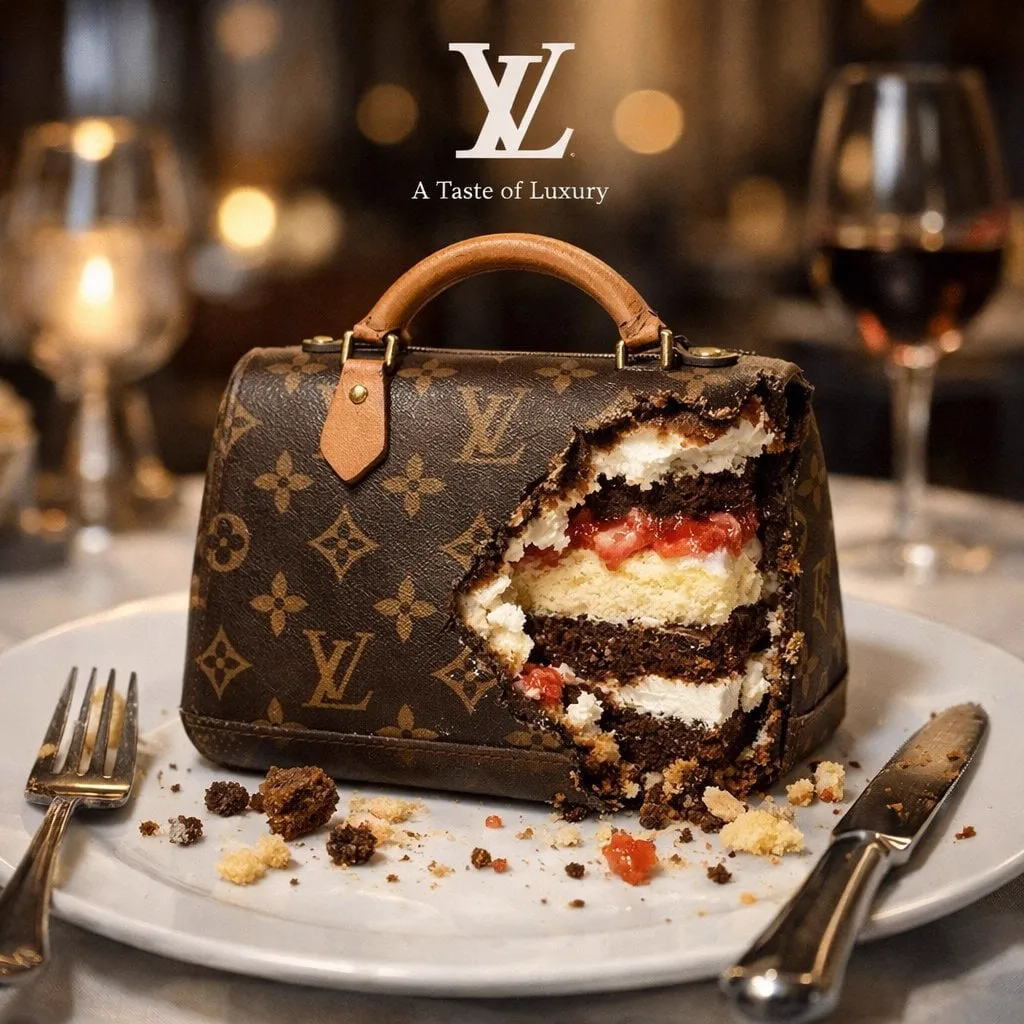
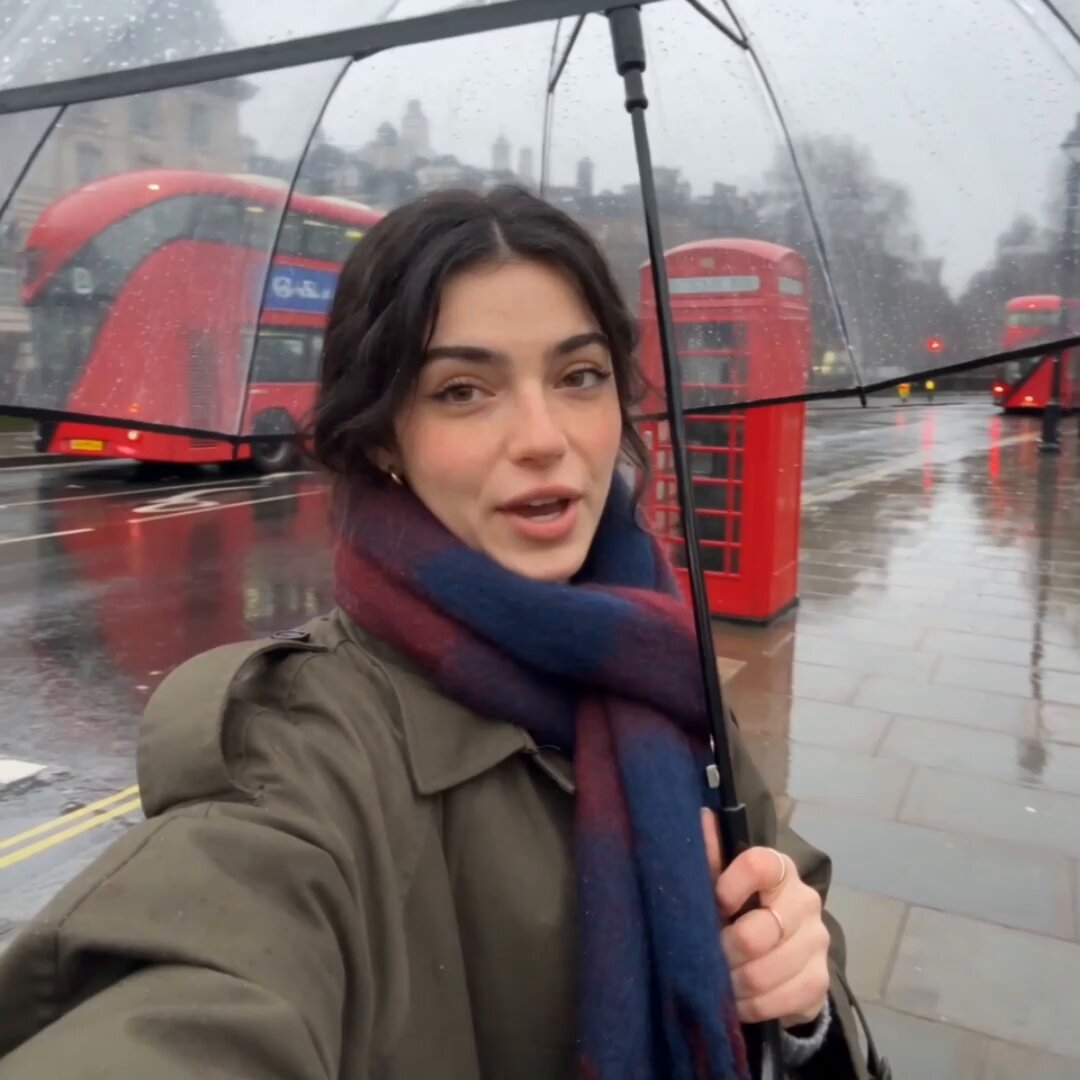
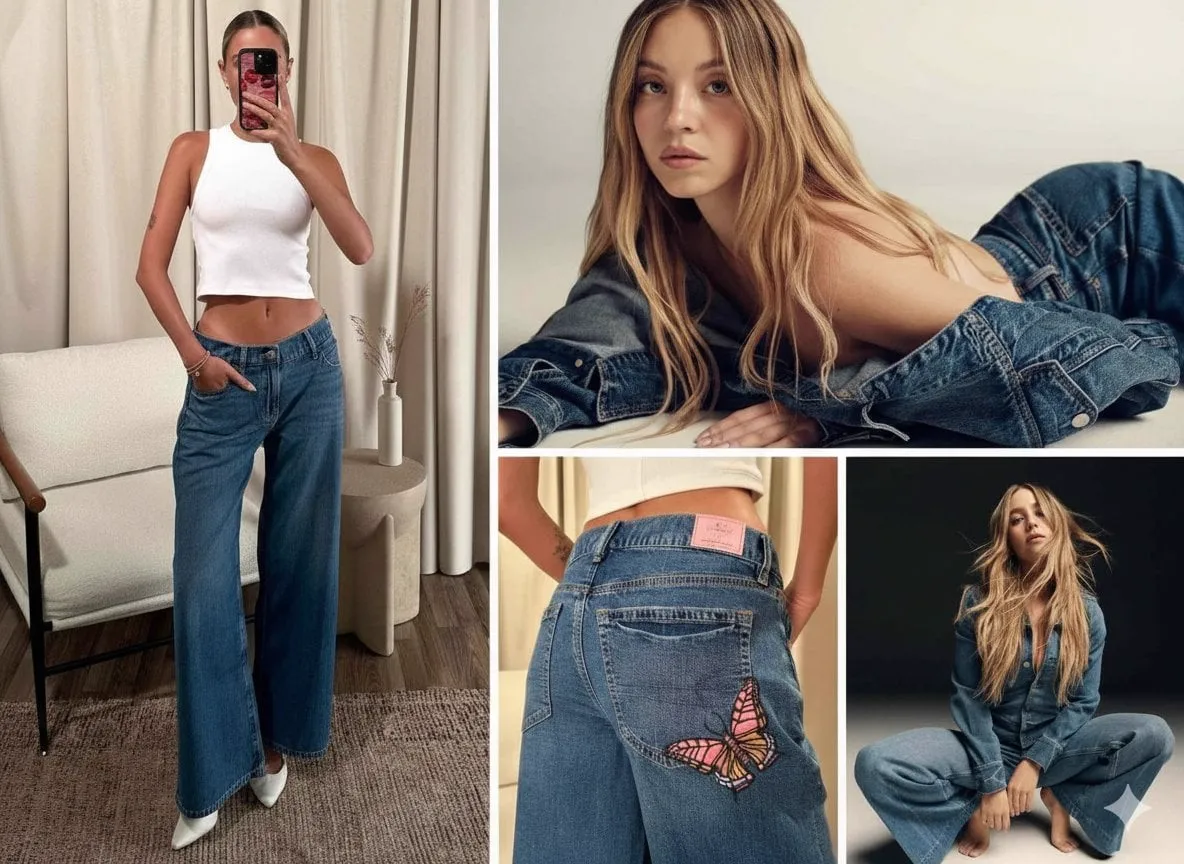
Keeping a character recognizable from scene to scene is one of the hardest problems in AI video generation. Early text-to-video tools could produce stunning single clips, but the moment you asked for a longer sequence or a second angle of the same person, the face drifted, the outfit changed, and the story fell apart. Multi-image reference techniques emerged to solve exactly that problem. They anchor a character through visual examples rather than words alone, so the model has something concrete to hold onto across shots.
This guide walks through how multi-image referencing works, why character drift happens in the first place, and a practical workflow you can apply today to produce consistent AI video sequences. It is written for creators who are already comfortable with AI generation but want to move from isolated clips to coherent, story-driven output.
Why Character Consistency Is So Hard
Generative video models are trained to produce plausible images, not to track an identity over time. When you type "a woman in a red jacket walking through a market," the model invents a fresh interpretation of that woman on every single frame and every new generation. There is no internal memory that says "this is the same person from the previous clip."
Several factors compound the problem. First, prompts are lossy. Words like "young," "confident," or "stylish" get translated into statistical tendencies, not a specific face. Second, most models condition each generation independently, so there is nothing tying render number one to render number five. Third, even within a single clip, long durations strain spatial-temporal coherence, and facial features are exactly where those strains become visible.
The turning point came when platforms started accepting reference images as conditioning input. Instead of describing the character, you feed the model a picture of them. This is the core idea behind multi-image reference generation: several reference photos describe the subject from multiple angles and in different situations, and the model uses that set to keep the look consistent.
How Multi-Image Reference Works Under the Hood
At a high level, a reference image works by being encoded alongside your text prompt. The model learns to treat that image as source material for appearance, then tries to produce output frames that match. A single reference gives the model one snapshot. Multiple references add redundancy: the front view, the side profile, and a shot or two in different lighting together triangulate what the character actually looks like.
There are a few engineering choices that make multi-image approaches effective. One is keyframing, where you designate one frame of the output as a control point and force every other frame to conform to it. Another is multimodal conditioning, where the model can accept several reference images plus text simultaneously and reconcile them. A third is feature fusion, where visual features from the references are injected into the denoising process rather than just used as a paste-over.
You do not need to understand the math to use it well, but you should understand what the technique can and cannot do. Multi-image reference is excellent at preserving identity, outfit, hair color, and general proportions. It is less reliable at preserving fine details like exact jewelry, subtle makeup, or a specific logo, especially when the subject is in motion or heavily occluded.
Choosing Reference Images That Actually Help
The quality of your references matters more than their quantity. A few well-chosen images beat a pile of mediocre ones. Aim for a small set that covers the aspects you want to stay consistent.
Start with a clear front-facing shot. This gives the model the most complete view of the face and basic features. Add one profile or three-quarter angle so the model understands the shape of the head from the side. If the character wears a distinctive outfit, include a reference that shows the full costume. Finally, include at least one action or contextual shot if any specific movement or prop matters to your story.
Keep the set internally consistent. If four references contradict each other on hair color or wardrobe, the model will average the contradictions and produce a muddy hybrid. Reference images should share the same general lighting and color profile if you can manage it. You do not need studio-grade consistency, but obvious mismatches will leak into the output.
Resolution and framing matter too. Faces that are small or heavily compressed in the reference will give the model less to copy. Crop tight to the character, keep them in focus, and avoid heavy filters or dramatic color grading on the references themselves.
Building a Consistent Character Library
Rather than generating references fresh on every project, build a reusable library. This is the single most effective habit for staying consistent. Every time you land on a character design you like, save a set of reference images alongside a short text description of how the character looks, how they dress, and any props they carry.
Organize the library by project or by character name. Store at minimum: a front portrait, a side or three-quarter view, a full-body outfit shot, and a contextual action shot. Keep a note about which settings and camera setups produced the best render. Over a few projects this library becomes a valuable asset, because a well-built character can be reused across many videos with only the scenes changing.
A practical trick is to lock down the character once and refuse to re-roll its look from scratch on every clip. The whole point of a library is that the identity is decided in advance. When you stay disciplined about reusing the same reference set, continuity becomes automatic instead of accidental.
The Multi-Image Generation Workflow
Here is a step-by-step workflow that applies to most AI video platforms that support reference images. The exact menu names will vary, but the logic is portable.
First, write the scene prompt with the character clearly described by role, not by appearance. The appearance lives in the references, so the prompt should focus on action, location, mood, and camera. For example, instead of describing facial features, say "the protagonist enters the warehouse and flips on the lights."
Second, upload your reference set. Use the character library you built in the previous step. If you are doing a multi-angle sequence, mention in the prompt that this is the same character in a new setting so the platform knows to preserve identity rather than invent a new person.
Third, generate a still frame first. Many platforms let you test a single image before committing to a full clip. Check that the reference was honored: does the face match, is the outfit right, does the identity read as "this character" rather than "someone similar"? Fix references or prompt wording before spending time on a full render.
Fourth, run the actual video generation using that approved frame as an additional reference if the platform supports keyframing. This gives the model both your original library images and a verified first frame, which dramatically improves continuity on the first frame of the clip.
Finally, review the whole sequence, not just the first few seconds. Drift often creeps in near the end of a long generation. If a clip fails the consistency test, generate it again rather than trying to patch it with text overlays or extra cuts.
Common Failure Modes and How to Fix Them
The face changes between angels. This is usually a reference quality problem. Make sure you provided a side or three-quarter profile, and check that the front reference is not overly stylized.
The outfit reshapes itself every clip. Add a full-body reference that clearly shows the costume. Avoid describing clothing in the prompt if it contradicts the reference, because the text can override the image.
Identity holds for two seconds and then drifts. This points to a duration problem. Consider breaking a very long sequence into shorter, verified segments and keyframing each one off the last approved frame.
Everything looks good but the motion is stiff. Consistency is intact but movement is limited. Rework the prompt to emphasize motion and camera, and use the references mostly for look rather than for pose.
The character gained a second head or duplicate limbs. This is an occasional artifact of complex prompts plus multiple references. Simplify the prompt, remove conflicting descriptors, and generate again. Re-rendering is cheaper than debugging.
New angles produce a totally different person. Multi-image reference helps, but it is not perfect at extrapolating poses the references never showed. Add an action reference that covers the specific pose you need.
Working Across Different Models and Styles
Consistency is also affected by which model you choose. Different video models have different strengths. Some excel at photorealistic faces, others at stylized illustration, and others at faithful motion. A reference set built for one style will not necessarily transfer cleanly to another.
When you must switch models, re-test the references before committing to a full sequence. The same image can be interpreted very differently by two models, and the character that looked great in model A may look off in model B. Keep the reference library but expect to iterate the prompt for each new backend.
Style consistency is a separate axis from identity. Two videos can feature the exact same character but live in completely different art styles. If your project needs a unified look across clips, include a style reference or a consistent prompt suffix describing lighting, palette, and rendering finish in addition to the character references.
A Realistic Example Sequence
Let us walk through a short project: a three-shot mini-story of the same detective character walking into a rainy street, discovering a clue, and reacting.
Build references first. Use a front portrait, a three-quarter profile, and one full-body shot with the trench coat and hat. Save these as your detective library.
Shot one: streetside wide. Prompt focuses on the rain, the neon signs, and the slow walk. Upload the three references. Generate a still to confirm the detective reads correctly, then render the clip.
Shot two: medium close-up on the clue. Keep the same references but add the approved final frame from shot one if you have keyframing. The prompt shifts to the hand reaching for the object and the face reacting. Because the identity is anchored, the character in this shot is recognizably the same person.
Shot three: over-the-shoulder reaction with the camera behind the detective. Same library, same approach. Edit the three clips together with matching color and you have a coherent little sequence where the same character literally walks through a story.
Without references, this project would have produced three different strangers. With a consistent library and the multi-image workflow, it holds.
Frequently Asked Questions
How many reference images should I use? Start with three and expand only if needed. Three well-chosen references (front, profile, full body) cover most needs. More than five or six usually adds noise rather than value.
Can I use AI-generated images as references? Yes, but generate them at high quality first, check them for internal consistency, and make sure they are not too stylized. A distorted AI reference will spread that distortion across your video.
Will references work for non-human subjects? The technique applies to any consistent subject, including vehicles, mascots, and characters in fantasy settings. The same rules about angle coverage and outfit consistency apply.
Do I need multiple references if my character has a simple design? Even simple characters benefit from a profile shot. A minimal set of two can work, but the extra angle usually pays for itself.
Why does my character still change slightly even with good references? Perfect identity preservation is still an open problem in this technology. Multi-image reference eliminates most drift but not all of it, especially across very long clips or dramatic perspective changes. Accept small variations and plan edits to hide the worst transitions.
Is a single reference enough for short clips? For a single five-second clip in an unchanging scene, one strong reference can be enough. For anything longer or multi-shot, use multiple references.
What should I do when a platform does not support multiple reference images? Use the platform's best available option, such as a single reference or a stylistic lock, and keep your prompt tightly scoped. You can also pre-render a frameless key and reuse it as the single conditioning image across clips.
Putting It All Together
Character consistency is the difference between AI video that looks like a montage of unrelated clips and AI video that feels like a story. Multi-image reference generation is the most practical technique available for closing that gap. It is not magic, and it will not make two completely different subjects match, but it turns identity preservation from a coin flip into a repeatable process.
Start small. Build a reference library for one character, run the still-frame verification step, and render a short multi-shot sequence. Once that works, apply the same discipline to longer projects and heavier scenes. The habit of deciding identity in advance, anchoring it with references, and verifying each clip before moving on is what separates creators who get consistent results from creators who keep rolling the dice.
The technology will keep improving, but the underlying skill is already within reach. Learn to describe what matters in text, lean on images for everything that text cannot carry, and review every output against your reference set. Do that consistently and your AI video projects will finally hold together from the first frame to the last.
