


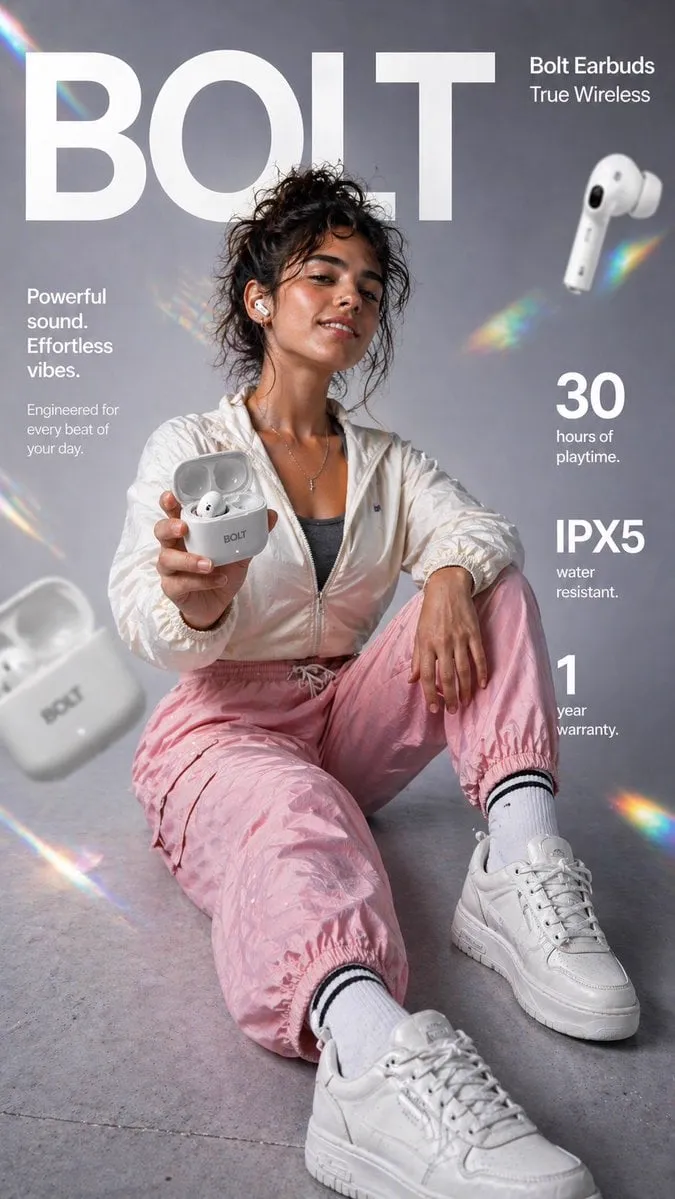
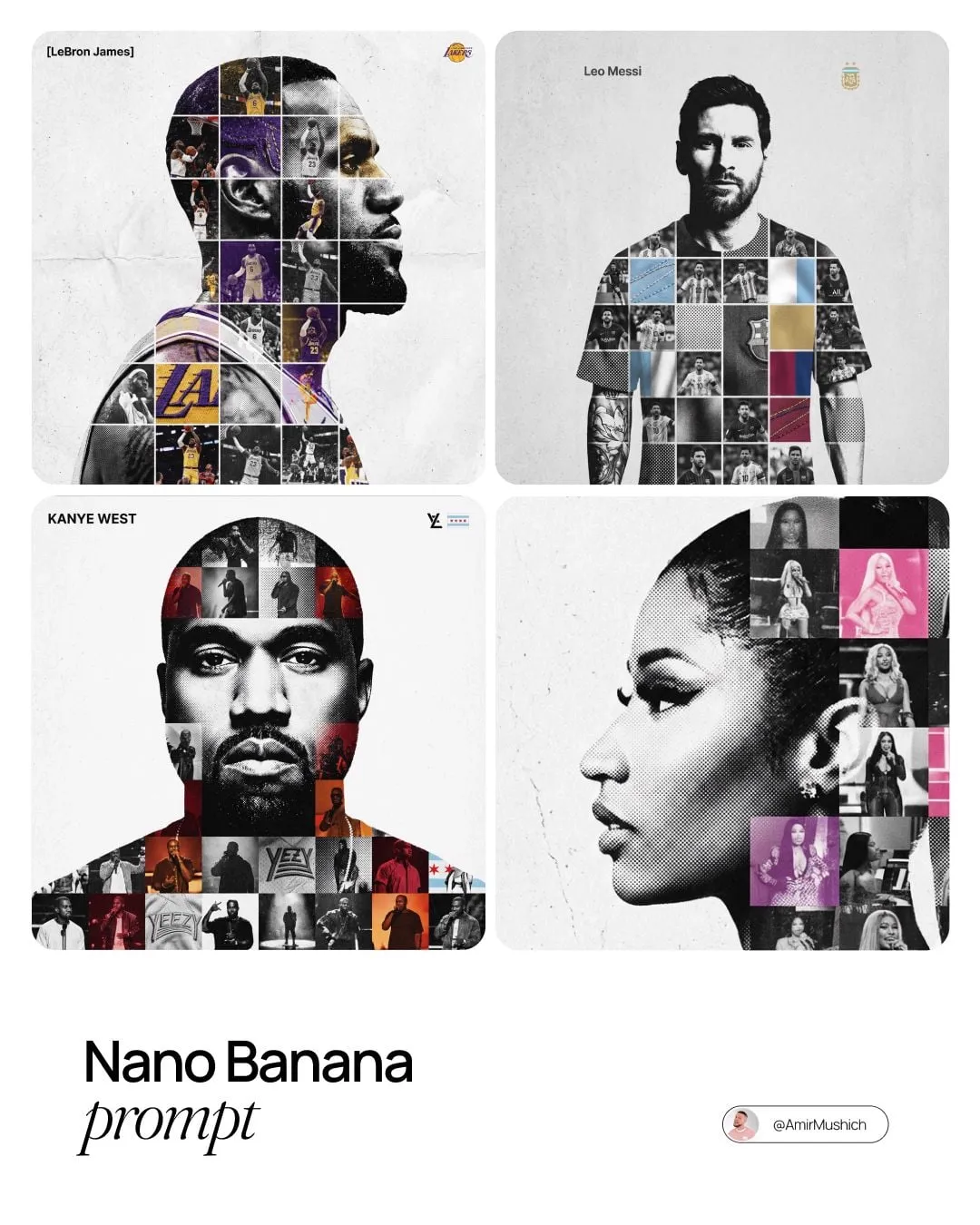
Cinematography is going through a once-in-a-generation shift. For a century, the craft centered on physical cameras, lenses, lighting units, and the manual skill of capturing an image. In the current moment, that core is expanding to include a very different set of tools: generative models that turn words and reference images into moving pictures. For anyone building a career in this field, the opportunity is enormous, but only if you learn the new language of the craft.
This guide lays out what a modern cinematography career looks like, the skills that will make you valuable, the AI tools that matter today, and the concrete paths you can follow to turn the craft into income. The goal is not to tell you that cameras are dead, they absolutely are not, but to show you how to combine traditional visual judgment with the new generative toolbox.
How the Role of Cinematographer Is Changing
The cinematographer's job has always been to serve the story with light and composition. That responsibility has not changed. What has changed is the instrument. Where you once expressed your vision through a camera body and a set of primes, you now increasingly express it through a prompt, a reference image, and a generative pipeline.
The shift is not replacement but extension. Traditional skills, knowing how light behaves, how a wide lens reads space, how a close-up communicates emotion, are more valuable than ever, because they are exactly what great prompts encode. A filmmaker who understands shot design can direct a generative model with precision; one who only knows the software cannot.
Younger cinematographers entering the field have an advantage here. They are comfortable experimenting with many tools and learning fast. Their edge comes from pairing that comfort with genuine visual taste, which they build by studying image-making the same way. The result is a generation of filmmakers who can move between a physical set and a generative canvas interchangeably.
The New Core Skill: Visual Prompt Engineering
Prompt engineering has become a new language in cinematography. Instead of only adjusting focal length and aperture, you now write detailed, descriptive sentences that encode your photographic and narrative intent. Mastery of this language is quickly becoming as central as mastery of the camera once was.
A good visual prompt describes more than the subject. It specifies the lighting mood, the time of day, the lens feel, the color grade, the framing, and the emotional tone. It answers questions like, is this golden hour or tungsten night? Is this a shallow depth-of-field close-up or a deep wide shot? Is the color palette warm and nostalgic or cold and clinical?
The best prompters do not start from a magic phrase; they start from intention and then translate it. They might write, a lone figure standing at the edge of a rain-slicked street at night, lit by a single sodium lamp, soft 85mm compression, muted teal grade, melancholic mood. Every clause is a decision that a skilled cinematographer would make on set, and the model turns it into light and composition.
Collaborating with an AI Director Assistant
Many recent workflows rely on an assistant that acts as a creative coordinator rather than a simple generator. Consider it a junior director that takes a scene breakdown, a mood, and a set of references, then proposes a shot plan and the technical parameters for each shot.
Working with such an assistant changes your role. You stop micromanaging each pixel and start making higher-level creative calls: which shot carries a story beat, which camera language this scene needs, how the pacing should breathe. The assistant handles the repetitive translation of intent into model parameters, so you can focus on the decisions that actually require taste.
The collaboration is strongest when you set a clear brief and give structured feedback. If the assistant suggests a push-in but you want a static frame, say so, and say why. Over time, it learns your vocabulary and becomes faster at anticipating your choices, a genuine creative partner rather than a blunt tool.
Owning a Model Library for a Unique Look
A career in AI cinematography increasingly depends on knowing which model produces which look. The generative field is not a single tool but a collection of specialized models, each with strengths, some excel at photorealism, others at stylized animation, cinematic motion, or character adherence.
Your ability to choose, combine, and switch between models becomes part of your craft. You might use one model for a gritty live-action look and another for a dreamy illustration, and you will learn how to route scenes to the tool that best serves the story.
The most distinctive filmmakers develop a signature by curating their own set of techniques: a go-to prompt structure, a preferred reference workflow, a color grade, a way of handling motion. This personal system, more than any single model, is what makes your work recognizable. It is also what you can bring to a client, studio, or community when you propose to produce in your style.
Consistent Characters Across a Multi-Shot Project
Long-form and narrative work raises a question that single clips avoid: how do you keep a character looking the same from shot to shot? Without care, a face drifts between generations, and the audience loses trust in the reality of the scene.
The answer is a rigorous reference discipline. Maintain a small, high-quality set of reference images for each recurring subject, covering front, three-quarter, and profile views, and keep the core appearance descriptors identical in every prompt. Treat the confirmed still as a contract for the shot before you animate, and check every generation against its neighbors.
For a career, consistency is a trust signal. Clients and collaborators need to know you can deliver a coherent character across a whole piece, not just a lucky single frame. Building this discipline early sets you apart from the many creators who can produce pretty clips but cannot hold a character steady.
Technical Fundamentals Every AI Cinematographer Should Know
Creative vision needs a technical floor under it. You do not need to be a software engineer, but a working understanding of the pipeline makes you dramatically more effective and employable.
The three areas to learn are hardware and compute constraints, memory, GPU limits, render time, the data layer, how video models manage temporary tasks and storage, and the media delivery chain, preserving quality from render to final export for the right platform. You should also understand aspect ratios, resolutions, codecs, and bitrate well enough to produce correctly for vertical short-form, horizontal YouTube, or broadcast.
None of this requires a formal engineering degree. It requires curiosity and practice. The filmmakers who can translate a creative vision reliably into a working pipeline, and deliver a file that actually plays at quality, are the ones who get hired and re-hired.
Building a Cinematography Career with an Audience
A career in generative filmmaking has more entry points than the traditional studio path. Today's filmmakers can build an audience directly, share their work on social platforms, publish tutorials, contribute to a community, and let the work itself open doors.
The classic route still works: a strong portfolio, a distinct style, and a reputation for delivering on time. Add to that the willingness to document and teach, and you compound your visibility. Communities built around generative tools reward both craft and generosity, and those spaces frequently turn into the first paid work.
Income models are also more varied than before. Independent filmmakers and brands hire specialists by the project. Creators monetize through platforms and direct collaboration. Some artists license their techniques, their signature styles, or their reference sets. The common thread is that your value comes from taste plus reliability, not from owning an expensive camera package.
The Path Forward
Cinematography has opened up. What once required heavy capital and long apprenticeships is now, in part, a craft of judgment, prompt literacy, and consistent execution. The filmmakers who thrive will be those who respect the old principles of light and composition while embracing the new instruments.
Start where you are. Learn visual prompt engineering, study the shot language of films you love, lock a character-consistency workflow, and build a small portfolio in one focused genre. Publish it, get feedback, and iterate. Every project makes you faster and more distinctive.
The cameras are not gone, and the lights are not gone, but the toolbox is now far bigger. Build both halves, the classic eye and the generative skill, and you will turn the craft into a career that can survive and thrive in the coming decade.
Building a Portfolio That Opens Doors
Every creative career is measured by the work people can see. For a modern cinematographer, the portfolio is the currency that turns skill into opportunity. The good news is that building one no longer requires a large equipment budget or expensive shoots; you can create a striking body of work with the tools described in this guide.
Choose a narrow genre you care about and make several pieces in it. A tight, genre-focused portfolio is far more persuasive than a scattered collection of unrelated clips. Demonstrating a consistent personal direction signals to clients and collaborators that you know what you want and can deliver it reliably.
Keep the portfolio short and high-quality. A dozen excellent pieces beat a hundred mediocre ones, and a clear narrative thread, this is who I am and this is what I make, is more memorable than a random reel. Add notes about your workflow and creative decisions so viewers understand the thinking behind the images, which reinforces that the work is directed and intentional rather than accidental.
Working With Clients and Collaborators
As AI tools spread, clients are increasingly willing to work with generative cinematographers, but they still look for trust signals. The professionals who win repeat work communicate clearly, set expectations, and deliver on time. None of that depends on the technology; it depends on how you run the project.
Translate your creative process into plain language for non-technical stakeholders. Explain what you will make, how you will keep a consistent look, and how long it will take. Give realistic timelines and meet them. When you iterate, show options rather than a single take, and explain each option's trade-off.
This professional wrapper matters as much as your visuals. A technically gifted artist who is hard to work with loses to a reliable one, and in a fast-moving field, reliability compounds. Treat every project as a reference that can open the next door, and the ethical discipline of consistency wins you advocates.
The Ethics and Craft of Responsible Creation
With powerful generative tools comes the responsibility to use them well. Modern cinematographers should be transparent about how a piece was made, especially when clients or audiences may assume a live-action shoot. Clear labeling builds trust and avoids the backlash that opaque AI use can provoke.
Also stay mindful of source material. Learn about licensed assets, avoid appropriating real people's likenesses without consent, and make original style choices rather than cloning another artist's signature. These habits protect your reputation and keep the field credible as mainstream attention grows.
Finally, keep learning. The tools change quarterly, and the filmmaker who treats learning as permanent part of the craft remains adaptable. Combine technical curiosity with a strong ethical compass, and you build a career that is both durable and respected.
Frequently Asked Questions
Do I need to own professional camera equipment to start?
No. Many entry points now depend on visual judgment and generative skill rather than gear. A great body of work built with AI tools can open the same doors a camera package once did.
Is prompt engineering really a career skill?
Increasingly, yes. The ability to translate visual intent into precise, effective prompts is a distinguishing skill, and it compounds over time as you develop a personal system.
How do I stand out among many AI creators?
Build a consistent, recognizable style, master character continuity, and deliver reliably. Then document and share your process. Consistency of style plus trustworthiness is the durable edge.
Which models should I learn first?
Start with the mainstream options that fit your genre, then specialize. Learning a model's strengths and limits matters more than quantity; a filmmaker who deeply knows two tools often beats one who barely knows ten.
Can I really make money as an AI cinematographer?
Yes, and the paths are multiplying, from client work and brand contracts to platform monetization and teaching. The common requirement is a portfolio that proves you can deliver coherent, consistent, beautiful results on time.
