
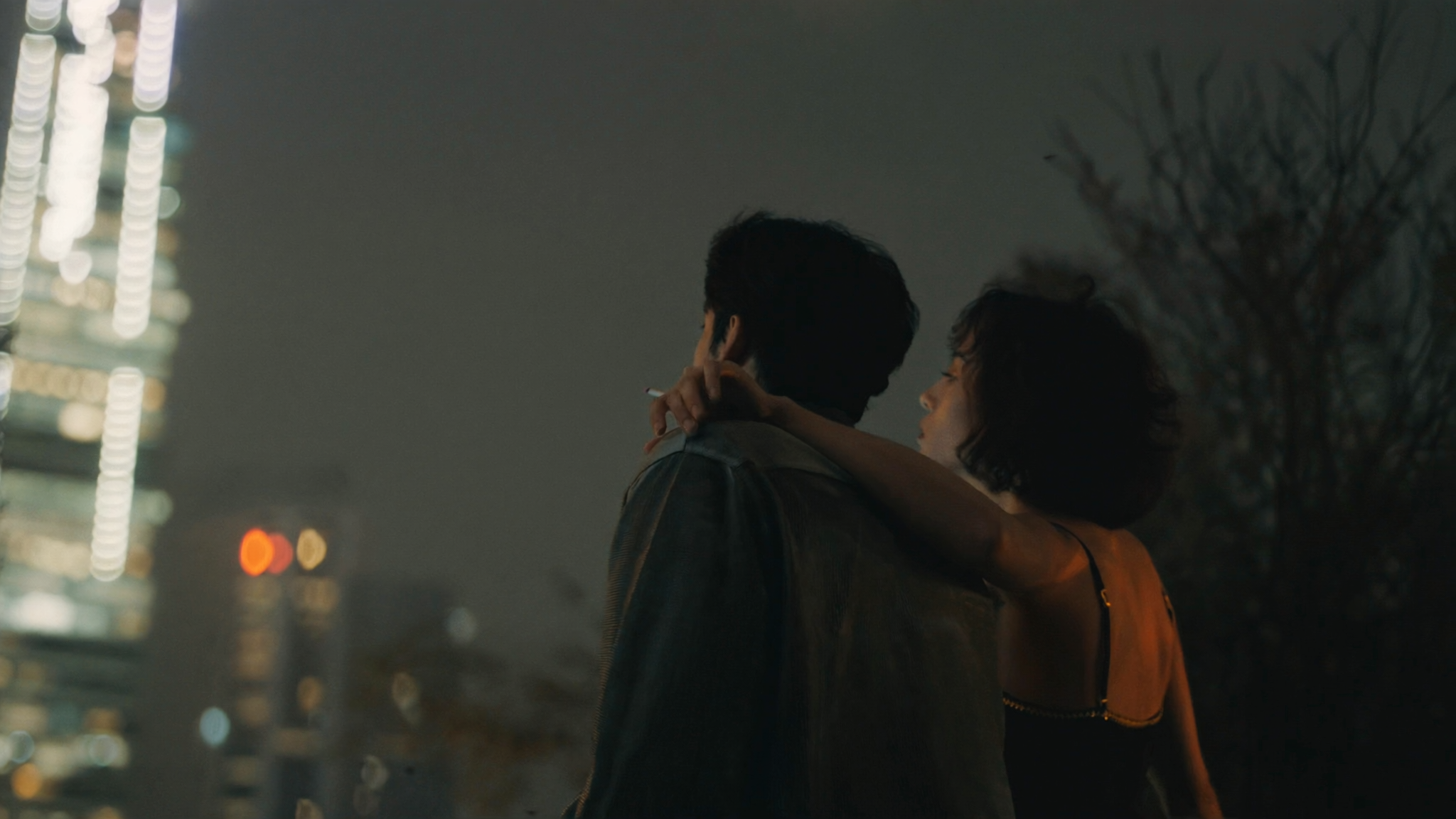
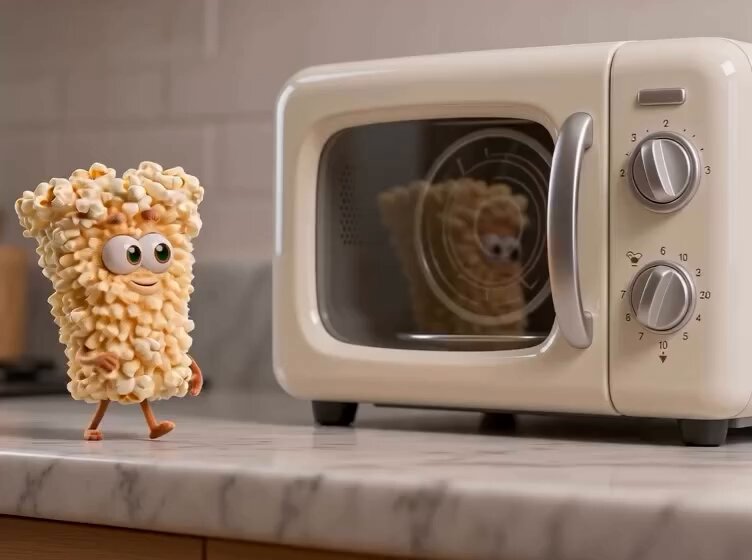
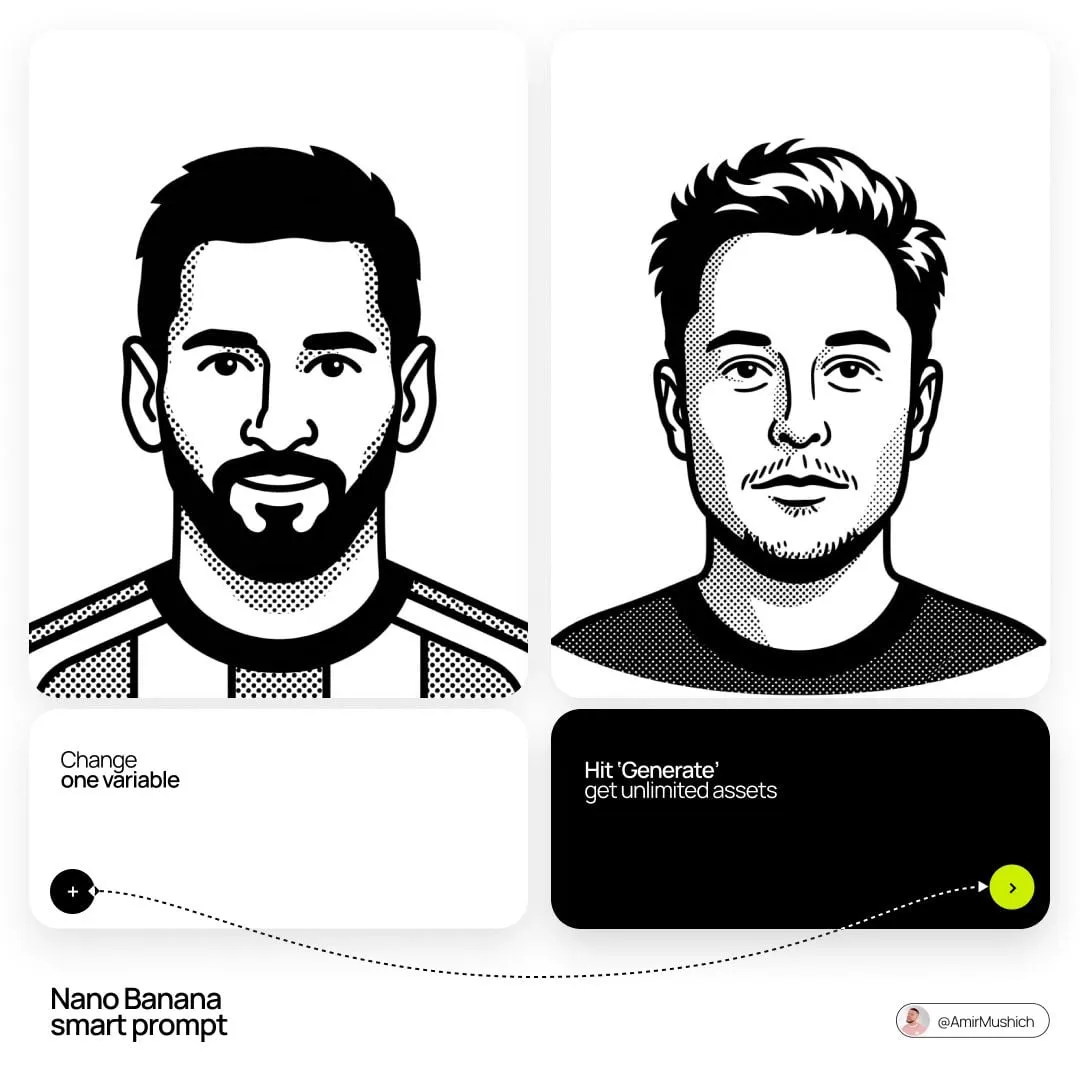
One of the hardest problems in AI video is keeping a character looking like the same person from one scene to the next. You can write a beautiful prompt, generate a hero shot that looks exactly right, and then watch the next shot come back with a completely different face, different outfit, different proportions. This guide explains why that happens and, more importantly, how to get consistent characters reliably with modern AI video tools, from the mechanics of character controls to a concrete workflow you can repeat.
Why Consistency Is So Hard
Text-to-video models are built to synthesize compelling frames, not to remember a specific identity. When you describe a character with words alone, the model reconstructs a plausible person every time, and that reconstruction drifts with even minor rewording. The same words produce a similar but never identical person. This is the root cause of the consistency problem: language is too coarse to pin a face down exactly.
The fix is to give the model a concrete anchor, usually an image. Once you provide a reference image of the character, the model can align its generation to that specific appearance instead of inventing a fresh one each pass. Almost every serious workflow for character consistency begins with a locked reference image.
The Core Tools: References, Fusion, and Keyframes
Consistency in practice comes from layering several mechanisms rather than relying on a single magic setting. The three that matter most are reference images, multi-image fusion, and keyframe control.
Reference Images
A reference image is your character bible. It should be a clean, front-facing shot with neutral lighting so the model reads the face, outfit, and proportions clearly. From this single anchor, most tools can carry the identity into newly generated shots. Keep the reference consistent, and small prompt changes no longer cause the whole appearance to drift.
Multi-Image Fusion
Multi-image fusion lets you provide several reference images at once, for example one for the face, one for the outfit, and one for the set. The model fuses these inputs into a single coherent scene, which is powerful for establishing a full world and for keeping a cast of characters mutually consistent. It also helps with environment continuity: the same room from a reference keeps its layout, lighting, and props across shots.
Keyframe Control
Keyframes pin down a specific frame the model must respect. You can use an earlier generated frame as the starting point for the next shot, which forces continuity of composition and character. This is especially useful for camera moves and actions that need to line up across a sequence, because it gives the model a concrete visual contract instead of a loose instruction.
A Practical Workflow for Consistent Characters
You do not need to master every advanced setting to get solid, repeatable results. A disciplined basic workflow carries you most of the way.
Step One: Build the Character Reference
Create or commission a single high-quality base image of your character. Make it consistent with the world you plan to show: face clearly visible, one outfit, neutral background. If the character is entirely AI-generated, regenerate until you love the look, then freeze that image and never change it at the prompt level.
Step Two: Establish the World
Use multi-image fusion to combine your character reference with setting references. Generate a few establishing shots of the environment so the palette, architecture, and props are set. Locking the world early pays off later, because it anchors the tone of every scene that follows.
Step Three: Write Scene by Scene
Plan your narrative as a sequence of shots before generating anything. Write a one-line visual for each scene and note which references it needs. Because you are anchoring to images, the prompt can focus on action, emotion, and camera intent rather than re-describing the character.
Step Four: Generate With the Reference
For each shot, feed the same character reference (and relevant world references) into the prompt. Keep a consistent keyword for the character so the model has both textual and visual signals. Generate, inspect the motion, and confirm the face and outfit match the reference before you accept the clip.
Step Five: Chain With Keyframes
Use the final frame of an accepted shot as the starting keyframe for the next related shot. This forces continuity for sequences that move around a space or change angles. For dialogue or action linked across cuts, chaining frames is the difference between a spliced-together look and a convincing scene.
Step Six: Review in Sequence
Do not judge shots in isolation. Lay them out in order and watch for drift in face, outfit, and environment. Catching a mismatch at the sequence stage saves you from discovering at final assembly that a character changed halfway through the story.
Common Failure Points and Their Fixes
Consistency projects fail at a few predictable spots. The most common is over-relying on a textual description instead of an image reference; the fix is to lock a reference image. Another is changing the reference image mid-project, which guarantees inconsistency; freeze it and only adjust when you deliberately design a new version.
A subtler failure is referencing a low-quality or inconsistent base image, where the model has no clean identity to anchor to. Invest in a high-quality reference from the start. Finally, action-heavy clips can still drift even with a good reference; that is where keyframe chaining becomes essential, so use it for anything with physical movement.
When Simple Prompting Is Enough
Not every project needs references and keyframes. If you only need a single clip, or a handful of visually similar but not identical shots, consistent prompting with a shared subject phrase often suffices. The full workflow matters when a character must be the same person across many scenes, which is exactly the situation that distinguishes a cohesive short film from a series of disconnected clips.
Applying This to Characters With Style
The same principles extend to stylized and illustrated characters, not just photoreal people. A stylized character reference acts the same way: it fixes the art style and design so subsequent shots do not slip into a different visual language. For branded mascots or recurring cast, even more than for realistic characters, the locked reference image is essential because style drift is easy to spot and destroys brand coherence.
Testing Your References Before a Full Project
Before committing to an entire project, run a small consistency test. Take your character reference and generate three unrelated shots, such as a close-up, a medium shot in a different setting, and a shot from behind. If all three clearly show the same person, your reference is solid. If they drift, fix the reference itself before you invest in a script.
The test also reveals which settings your tool needs. Some tools require the reference to be attached to every prompt, while others have a dedicated character-slot where the reference is registered once and reused. Read the tool's documentation and confirm you are using the intended mechanism, because the wrong usage is a common source of failure.
Choosing Between Tools and Methods
Different tools implement character control differently, and the right choice depends on how much latitude you need. Some tools use a simple image-to-video mode where you animate a reference directly, which is excellent for keeping a single character consistent but gives you limited control over new actions. Others expose a full control panel with reference slots, fusion weights, and keyframe chains, which is more powerful but steeper to learn.
If you are just starting, favor a tool with explicit reference slots and clear documentation. You can always move to a more advanced setup once you understand the underlying concepts, which are the same across tools. The concepts matter more than any single interface, so learn the reasoning and the tool choices follow.
Advanced Techniques for Long Sequences
Once the basics work, longer and more complex sequences open up new challenges that need a few advanced moves.
Scene Continuity Over Time
When a story spans many shots in the same location, the environment is as important as the character. Merge setting references into every scene so the palette, props, and layout stay stable. For a truly locked set, generate a master wide shot first, then derive closer shots from it while preserving the same details.
Costume and Appearance Changes Within a Story
Stories often require the character to change clothes or age. Handle this deliberately by creating a new reference for each distinct version, frozen separately. Do not let the model invent the change, or it will improvise inconsistently. Plan the reference set for every major appearance as part of the pre-production, just as a costume department would.
Multi-Character Scenes
When several characters share a shot, provide a reference for each and keep their visual weight balanced in the prompt. It helps to establish each character in its own solo shot first, so the model knows their appearance before they interact. This staged introduction reduces the chance of one character collapsing into another during a busy scene.
Troubleshooting Common Problems
Even with a good setup, problems appear. The most common are a character that drifts halfway through a clip, a reference that gets ignored, and hands that warp. For drift, shorten the clip and chain it with a keyframe from a known-good frame. For an ignored reference, check that the reference is not too low-resolution and that the prompt is not accidentally overriding it with contradictory description. For hands, generate a dedicated hand close-up with a strong reference and cut it in rather than expecting the full-body shot to carry the detail.
If a problem repeats across several clips, the reference itself is usually the culprit. Recreate a cleaner version rather than fighting the same bad image through dozens of prompts.
Frequently Asked Questions
Do I need a different reference for every camera angle?
No. A single clean reference carries across angles. The model repositions the character to match the described shot while holding the identity. Reserve extra references for genuine changes in appearance, not just changes in framing.
Why does my character keep changing outfits between shots?
Usually the prompt describes the outfit inconsistently, or the reference does not capture the outfit clearly enough. Lock the outfit in the reference and stop describing clothing in the prompt unless you deliberately want a change.
Can I use a character I generated by describing it rather than from an image?
You can, but consistency will always be weaker than with a locked image reference. The most reliable path is to generate a hero image you love, freeze it, and treat that image as your canonical reference from then on.
Does consistent prompting work for realistic people as well as cartoon characters?
The techniques apply to both, but realistic faces are more sensitive to drift because viewers notice subtle changes. Realistic work benefits even more from reference images and keyframe chaining than stylized work does.
How many scenes can I reasonably chain in one project?
There is no hard ceiling, but consistency is easier to protect in projects of a few dozen scenes or fewer. Long productions work best when you break them into chapters, each with its own locked reference set and its own review pass. Keeping the scope of any single review pass manageable is more important than the total length of the story.
What is the single most important habit for consistency?
Reusing the same frozen reference for a character every single time, without exception. Slip once with a different or edited reference and the identity drifts, and it is almost impossible to pull back convincingly without generating all over again. One disciplined habit protects the entire project.
If I only make one clip, do I still need references?
No. For a single self-contained clip, a strong text description is usually enough. References and keyframing earn their keep when continuity matters, which is any time the same character or place appears across more than one scene.
Final Thoughts
Consistent characters from a single prompt are achievable, but the reliable path is not to write a cleverer prompt. It is to give the model something concrete to hold onto: a locked reference image, fused world references, and chained keyframes. Build your character once, lock it, and reuse it across every scene with the same textual cue. Do that and the same person will walk through your entire story with the right face, the right outfit, and the right world around them.
