
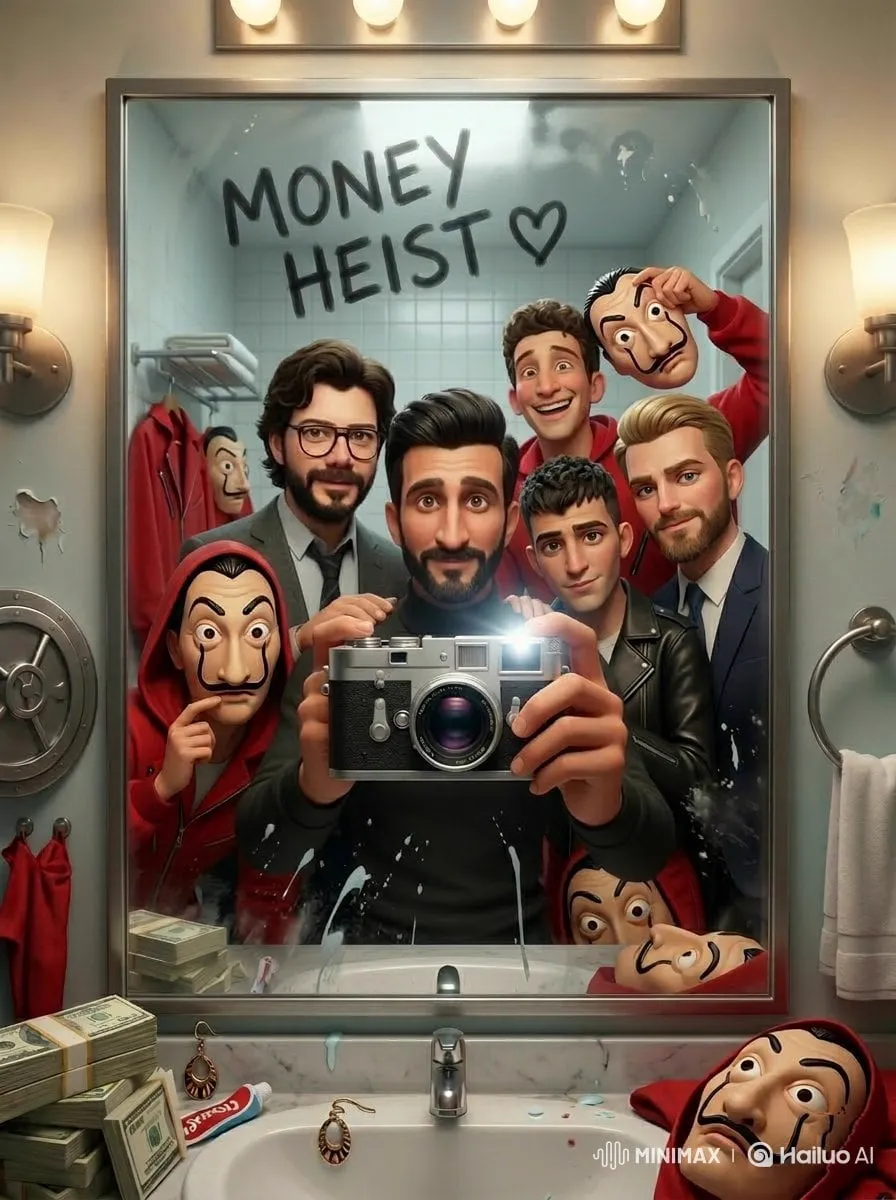
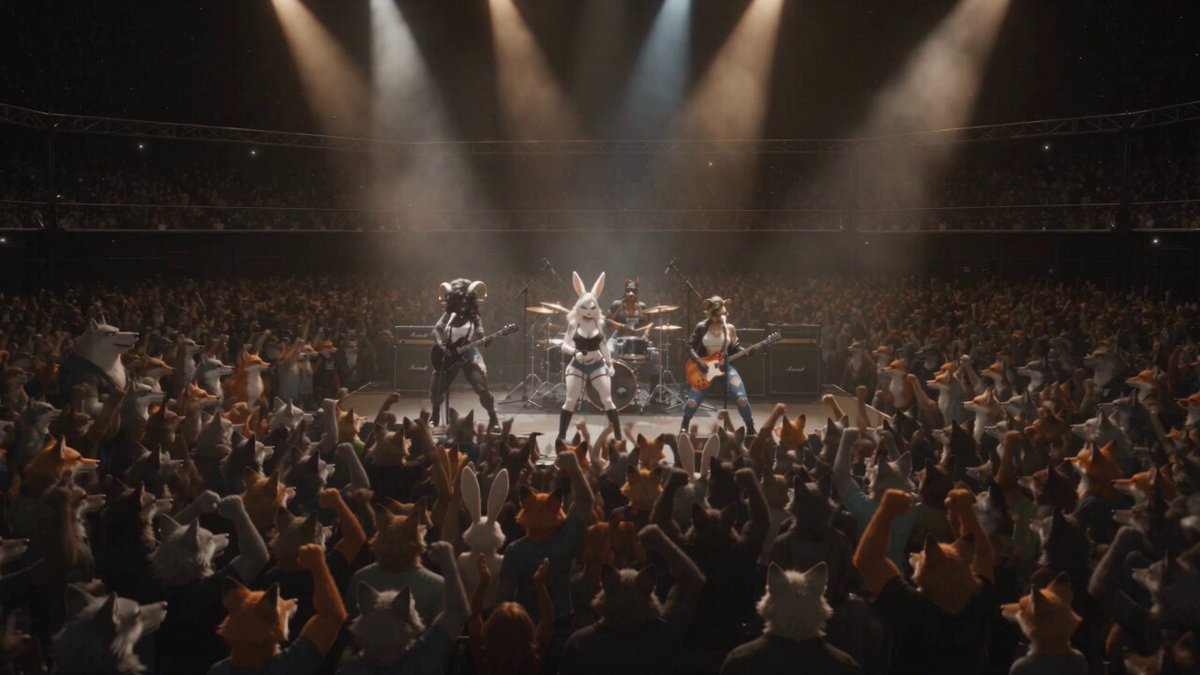


Text-to-video opened the door to AI filmmaking, but it left creators with a control problem. Describing a scene in words is powerful yet imprecise; the model decides too much, and the result rarely matches the shot you imagined. Image-to-video closes that gap by starting from a fixed still that locks composition, subject, and style before any motion is generated. This guide explains why image-to-video has become the professional standard, how to secure reliable access to quality models, and how to build a controlled production workflow that turns a single frame into a finished sequence.
Why Image-to-Video Is the Control Upgrade
Pure text-to-video asks the model to invent everything at once: who appears, where they are, what the lighting looks like, and how they move. That is a lot of simultaneous decisions, and the model frequently resolves them inconsistently. Image-to-video moves the most important decisions out of the probabilistic realm and onto your desk.
When you supply a starting image, the model inherits the composition, the subject's identity, the framing, and the art direction from that still. Its remaining job is limited to temporal extension: figuring out how the scene evolves over the next few seconds. This narrower task yields far more predictable motion, better prompt adherence, and output that matches your reference far more closely than a blank-page generation ever could.
For anything resembling real production, that control is decisive. A brand asset, a product shot, or a filmic sequence cannot afford the random leaps that text-to-video still produces. Image-to-video turns generation from a lottery into a lens you can operate.
The Multi-Image Advantage for Real Control
The control deepens further when you are not limited to a single reference frame. Working with multiple reference images lets you lock identity from several angles, then animate that stabilized character. The combination of a strong visual anchor and a consistent identity is the difference between an impressive demo clip and a usable production asset.
The practical result is that you can establish the subject once, verify it is exactly right, and then direct it through any number of shots without the face and style drifting between scenes. For serialized content, brand mascots, and any project where the same elements appear repeatedly, multi-image anchoring is the load-bearing part of the workflow.
Securing Reliable Model Access
One of the hidden bottlenecks of professional AI video is not raw capability but access. The most powerful image-to-video models are frequently gated, rate-limited, or wrapped behind queues, and trying to run serious production on whatever is free and available is a recipe for frustration.
Reliability matters at two levels. The first is technical, stable uptime, predictable generation times, and consistent quality across sessions. The second is strategy: you want several trustworthy model options so that if one is slow, saturated, or changes its behavior, your pipeline does not stall.
Evaluating a Model Library by Workload
A disciplined approach is to match each model to the job at hand rather than defaulting to a single favorite. Evaluate candidates against your actual workloads: how well they render close-ups, how fast they produce drafts, how faithfully they lock identity, and how they handle motion-heavy scenes. Keeping a shortlist of models that excel at different jobs lets you route work intelligently, using the fast model for ideation and the detailed model for the final hero shots.
This also protects against lock-in. If one provider changes its access terms or pricing, your toolkit survives because your assets, prompts, and reference frames are portable and your model options are diversified.
The Disciplined Image-to-Video Workflow
A controlled production pipeline keeps you from paying over and over for inconsistency. This is a sequence you can apply to any project.
Begin with art direction on paper. Define the composition, camera framing, lighting, and subject before you generate the first still. This turns the image generation step into an execution of a plan rather than an exploration.
Then produce a strong keyframe. Your starting image is the single most consequential asset in the entire pipeline, so generate and refine it until the framing and style are exactly intended before adding motion. Fixing the still is far cheaper than fixing the video.
Lock identity with reference images. If the scene contains a recurring subject, anchor it with multiple consistent references so it survives across every shot you generate from this project.
Direct motion explicitly. Describe what moves, how, and in what direction in your prompt. Specific behavioral language about movement outproduces vague adjectives for dynamism.
Keyframe the important poses. For complex action, define the start and critical intermediate states so the model interpolates respectably rather than hallucinating physics.
Review at the frame level, not just the clip level. A generated sequence can look exciting in motion yet break when a single frame reveals a warped hand or a misplaced shadow. Scrubbing through individual frames catches fails that motion disguises.
The Value of Camera Language in Prompts
Camera language is high-yield because it tells the model not just what happens but how the viewer experiences it. Terms like a slow push-in, a tracking shot that follows the subject, a static wide, or a Dutch tilt communicate choreography that flat verbs cannot. Because the starting image already fixes the frame, camera language in the prompt layers temporal motion on top of your established composition rather than fighting it.
Camera and Lens Control for Filmic Output
The most cinematic image-to-video results come from explicit lens thinking. Choosing between a dramatic wide-angle with barrel distortion, a telephoto compression that flattens depth, and a shallow-macro focus changes the emotional temperature of a shot as much as any performance.
Depth of field is a powerful director's tool in AI video. A shallow focus that holds the subject sharp while the background falls to a soft blur reads instantly as cinematic, and it also hides minor imperfections in background generation. When the platform supports it, expressing aperture and focus intent in the prompt produces a more intentional-looking result.
Motion responsiveness, how quickly the scene reacts to camera movement, is the detail that separates flat, obviously-AI footage from footage that feels shot. If the camera pushes in and the scene responds with parallax and drift, the viewer's brain accepts the shot as real. Watch this responsiveness when evaluating models, because it is a strong predictor of usability.
Using Keyframes to Lock Scene and Subject
The same keyframing discipline that anchors a character can anchor the camera and the environment. Define the spatial relationship between the subject and the scene so neither drifts mid-shot, and define the camera's start and end positions for planned moves. Predictable spatial continuity is what takes a collection of nice clips and makes them a coherent sequence.
Building a Reusable Asset Pipeline
Professional output is built on reusable assets rather than one-off lucky generations. Treat your stable reference frames, your identity kits, and your effective prompts as a growing library that makes every future project faster.
Store the keyframe stills for every shot along with the prompt that produced them, so you can regenerate a shot later and stay consistent. Save your best prompt patterns as templates, generalize them with placeholders for subject and setting, and reuse them. Keep identity reference sets for recurring characters and products so they never have to be redesigned. Over time this library becomes a competitive advantage, because consistency is exactly what clients and audiences reward.
The Task Queue Approach to Staying Busy
When working with models that can be slow, a structured task queue keeps your time from being wasted on waiting. Queue up all the shots that can run in the background, then turn your attention to reviewing the outputs that have already finished. Work on whichever asset is done rather than blocking on whichever is rendering. This batching pattern turns a slow generation platform into a background factory that feeds you finished shots while you handle the parts that genuinely require your eye.
Common Failure Points and Fixes
The most frequent image-to-video failure is discontinuity, where the generated motion breaks the composition established in the keyframe. Fix it by strengthening the reference still and simplifying the requested motion.
The second is identity drift across shots. This is solved by anchoring with multiple consistent references rather than expecting a text prompt to remember the face.
The third is motion that defies physics, such as objects passing through one another or gravity behaving oddly. Narrow the movement range and add intermediate keyframes to keep the body and scene grounded.
The fourth is a jarring mismatch between generated B-roll and the rest of the edit. Feed the generator reference frames from the actual footage and keep generated material in supporting roles where scrutiny is lower.
When Not to Rely on the Grounding
There are moments when the referring image should be honored literally, and moments when the model should be allowed latitude. For hero product shots and brand-critical imagery, be literal and strict. For stylized montages and abstract transitions, grant the model room to be expressive. Knowing when to tighten the leash and when to loosen it is the real craft.
Advanced Control: Layering Motion and Direction
Once you have mastered the basics of a strong keyframe and behavioral prompts, the next step is layering independent controls to push the result toward a real cinematic sequence. Think of a shot as having several independent axes you can influence: the camera, the subject, the environment, and the light. Strong work controls each axis separately rather than hoping a dense prompt resolves them all at once.
The camera axis includes push-ins, dollies, pans, tilts, and static holds. The subject axis covers what the person or object does and how it moves. The environment axis describes how the space itself shifts, with ambience such as leaves moving, water rippling, or dust drifting. The light axis captures changes in brightness and color over time, such as a sunset warming the frame or a shadow sliding across a wall.
When you describe these axes explicitly and separately in the prompt, you remove ambiguity and give the model clearer margins to work within. A shot that states the camera pushes in while the subject turns and the light softens is far more predictable than a one-line description that asks for everything at once. Layered, explicit direction is the difference between a generic clip and footage that feels intentionally choreographed.
Leveraging Presets and Community-Shaped Styles
A practical shortcut to advanced control is working from a well-tuned starting point rather than a blank prompt. Reusable prompt presets that encode the camera language, lens intent, and look you favor act as launchpads for every new shot. You change the subject and scene while the cinematic treatment stays constant, which keeps a whole project feeling like it was made by the same hand. Over time, curate a library of presets you have validated on real shots, refine them as the models improve, and share strong ones with fellow creators to accelerate the learning curve. The combination of consistent presets and a growing body of reference frames is what lets a single operator sustain the look of a professional studio across an entire production.
Frequently Asked Questions
Do I always need an image first, or can I generate text-to-video for some shots? For quick ideation and mood exploration, text-to-video is fine. For anything you intend to keep, image-to-video gives the control you need.
How do I get the best starting frame? Iterate on the still until the composition, lighting, and subject are exactly right before adding motion. The still is the highest-leverage asset.
Can I maintain a consistent character across image-to-video shots? Yes, anchor the character with multiple consistent reference images and reuse them for every shot that features it.
Is available model access always the best choice for professional work? Not necessarily. Prioritize reliability and fit for the job, and keep a diversified shortlist so your pipeline does not depend on a single offering.
The Bottom Line
Image-to-video is the control upgrade that turns AI generation from a curiosity into a production tool, because it lets you lock composition and identity first and generate motion from a fixed, verified foundation. By pairing a strong keyframe with multiple reference images, directing the camera with explicit lens and movement language, keyframing critical poses, and routing work to a menu of reliable models, you get output that is predictable enough to build a real project on. Build a reusable library of frames and prompts, run generations through a task queue, and the bottleneck stops being the technology and starts being the quality of the ideas you feed it.
